Madison Beer Locket Necklace: Fix Hinges, Clasps & Tarnish
Troubleshoot your Madison Beer locket necklace with expert fixes for stuck hinges, broken clasps, and tarnished vermeil. Restore your vintage piece today.

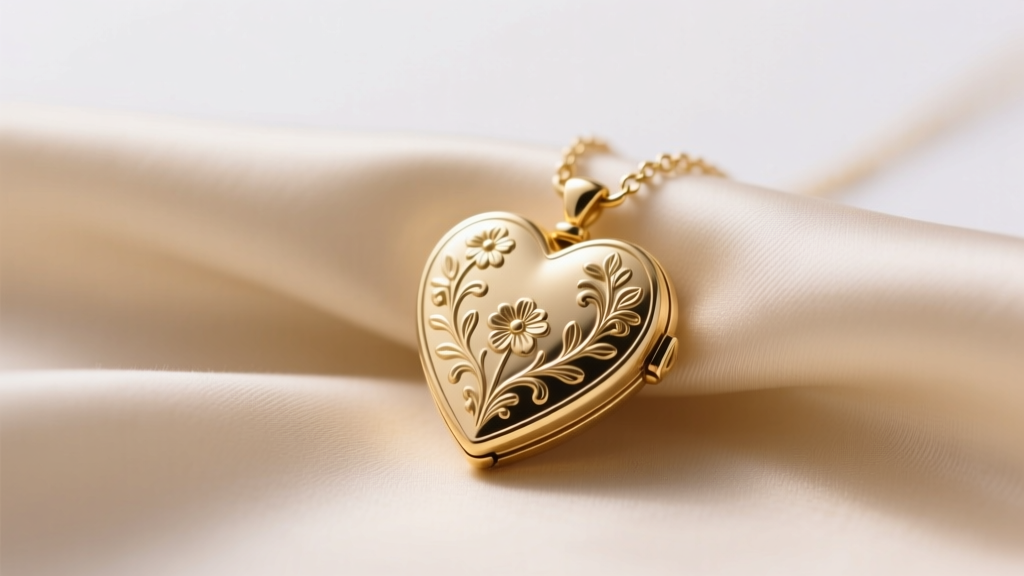
The Anatomy of the Madison Beer Locket Necklace Trend
The vintage-inspired, layered aesthetic popularized by pop stars has made the madison beer locket necklace one of the most searched jewelry styles of the decade. Characterized by delicate gold vermeil chains, heart-shaped or oval silhouettes, and intricate enamel or engraved details, these lockets offer a deeply personal touch to everyday streetwear. However, as we navigate the jewelry trends of 2026, a common problem persists: these highly coveted, delicate pieces are notoriously fragile. Whether you own an authentic vintage piece, a high-end replica, or a fast-fashion interpretation, you are likely to encounter mechanical failures, tarnishing, or clasp slippage.
This comprehensive troubleshooting guide dives deep into the metallurgy and mechanics of delicate lockets. We will cover exact repair techniques, chain gauge compatibility, and safe cleaning protocols to ensure your sentimental jewelry survives daily wear.
Troubleshooting the Locket Hinge and Clasp
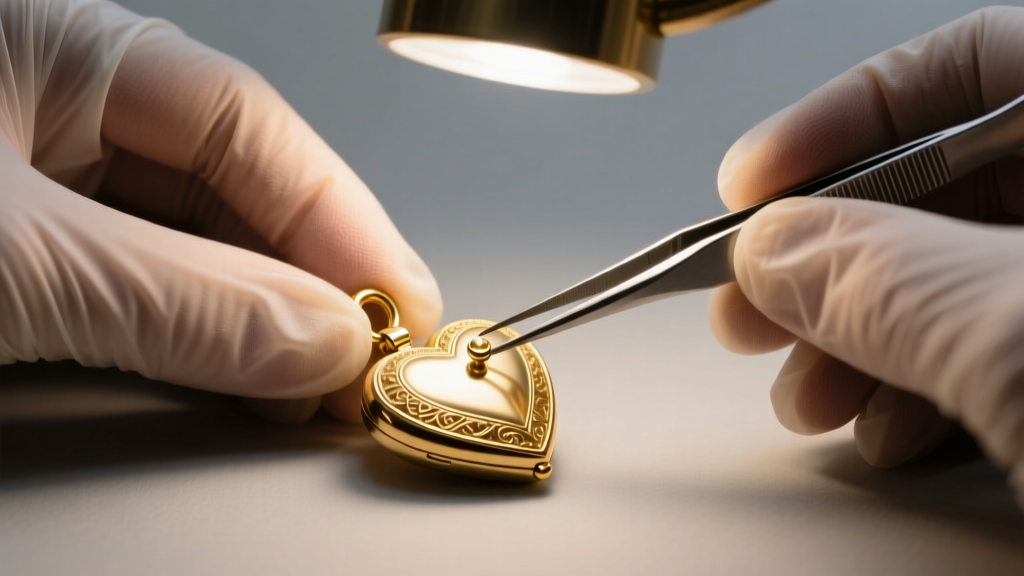
The most frequent point of failure on any locket is the hinge. Because lockets require a seamless closure to protect the interior photos, the hinge is typically constructed from tiny interlocking knuckles held together by a microscopic pin. When a locket becomes stiff or the door hangs loosely, the hinge pin has either bent, oxidized, or worked its way out of the barrel.
Fixing a Stuck or Loose Hinge
Never force a stuck locket open with your fingernails; this will snap the delicate 925 sterling silver or brass knuckles. Instead, follow these professional steps:
- For a stiff hinge: Apply a microscopic drop of synthetic watch oil (like Moebius 9010) to the hinge seam using a 0.5mm oiler pin. Let it sit for ten minutes to penetrate the oxidized debris, then gently work the door back and forth.
- For a loose or falling pin: If the hinge pin is sliding out, you must 'peen' the ends. Place the locket on a steel bench block. Using a 0.8mm broach or a fine jeweler's hammer, tap the protruding end of the pin gently to flare the metal, locking it back inside the knuckle barrel. According to the experts at Rio Grande, replacing a lost pin requires cutting a new piece of 20-gauge brass or nickel-silver wire to exact length before peening.
Upgrading the Clasp for Security
Many madison beer locket necklace replicas come equipped with 4mm spring ring clasps on 0.9mm cable chains. Spring rings rely on a tiny internal tension spring that frequently fails when exposed to sweat, perfume, or minor impacts. If your clasp keeps slipping open, upgrade to a 5mm or 6mm lobster clasp. Lobster clasps feature a solid internal mechanism and a heavier trigger, reducing the risk of accidental unhooking by 80%. A local jeweler can solder a new lobster clasp onto your existing chain for under $25.
Chain Gauge and Clasp Compatibility Chart
Matching your chain's thickness (gauge) to the correct clasp and pendant weight is crucial for preventing chain snaps. Use this reference table to evaluate your current setup:
| Chain Width (mm) | Chain Style | Recommended Clasp | Max Pendant Weight | Best For |
|---|---|---|---|---|
| 0.8mm - 1.0mm | Cable / Thread | 5mm Lobster | 3.5 grams | Minimalist, lightweight enamel lockets |
| 1.2mm - 1.5mm | Rolo / Curb | 6mm Lobster | 7.0 grams | Standard gold vermeil heart lockets |
| 1.8mm - 2.2mm | Figaro / Rope | 8mm Lobster / Bolt Ring | 12.0 grams | Heavy vintage brass or silver lockets |
| 2.5mm+ | Cuban Link | 10mm+ Locking Clasp | 20.0+ grams | Oversized statement lockets |
Cleaning Gold Vermeil and Enamel Safely
A major issue with celebrity-inspired jewelry is the rapid tarnishing of the base metal. True gold vermeil must consist of a 925 sterling silver base plated with at least 2.5 microns of 10k, 14k, or 18k gold. However, friction from clothing and exposure to acidic skin pH can wear this plating down, exposing the silver beneath, which oxidizes and turns black or green.
What to Avoid
Never use ultrasonic cleaners or commercial silver dip solutions on a locket that features enamel detailing or gold vermeil. Ultrasonic vibrations will shatter cold enamel, and the harsh chemicals in silver dips will instantly strip the gold vermeil plating, leaving you with a dull, porous silver surface. The GIA Gem and Metal Care Guide strictly advises against chemical baths for plated and enameled antique-style jewelry.
The Safe Cleaning Protocol
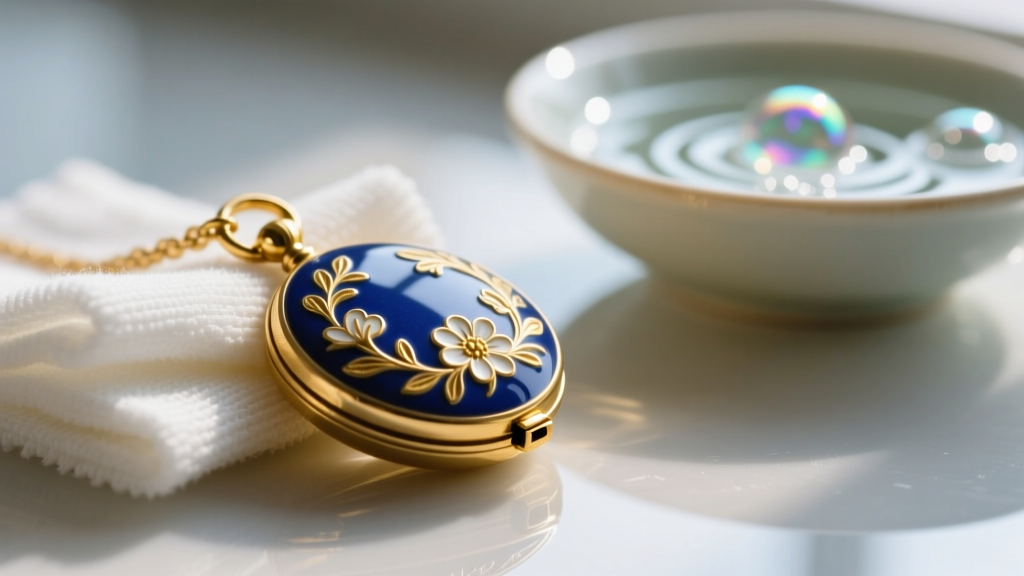
- Prepare a mild bath: Mix three drops of phosphate-free dish soap (like Dawn) into a bowl of lukewarm distilled water. Avoid tap water, as chlorine and hard minerals can spot the gold.
- Soft brushing: Submerge the locket for exactly 60 seconds. Use an extra-soft baby toothbrush to gently sweep away sebum and lotion buildup from the engraved crevices and the hinge area.
- Drying: Rinse briefly under distilled water and immediately pat dry with a lint-free microfiber cloth. Do not air dry, as water spots will ruin the high-polish finish.
- Storage: Store the necklace in an anti-tarnish cloth pouch with a silica gel packet to absorb ambient moisture.
Sizing and Inserting Photos Without Damaging the Bezel
The final hurdle in maintaining a madison beer locket necklace is inserting the photo. Modern lockets often use a tension-fit metal bezel or tiny corner prongs to hold the image in place. Prying these up with a metal flathead screwdriver or a kitchen knife will inevitably scratch the soft gold vermeil or bend the prongs beyond repair.
The Professional Method: Use a Delrin spudger or a plastic guitar pick to gently lift the tension ring. Delrin is a hard, non-marring plastic used by watchmakers and jewelers that will not scratch precious metals. Once the bezel is lifted, remove the old photo and use it as a stencil for your new one. Print your new image on matte photo paper (glossy paper tends to stick to the inside of the locket glass or metal door, causing ink transfer over time). Trim the photo using precision embroidery scissors, test the fit without the bezel, and then press the tension ring back down using a nylon-jaw jewelry plier to ensure an even, scratch-free seal.
Final Styling and Maintenance Tips
To achieve the authentic layered look without compromising the structural integrity of your primary locket, pair it with a slightly thicker, 1.5mm plain curb chain worn two inches higher on the collarbone. This prevents the chains from tangling and reduces the friction that wears away gold plating. By treating your locket not just as a fashion accessory, but as a precision mechanical object, you ensure that your sentimental piece remains a staple in your wardrobe for years to come.


