How to Choose the Perfect Birthstone Necklace for Wife
Discover how to select the ideal birthstone necklace for your wife. Learn about gemstone durability, metal pairings, and chain lengths in this expert guide.

Why a Birthstone Necklace is the Ultimate Personalized Gift
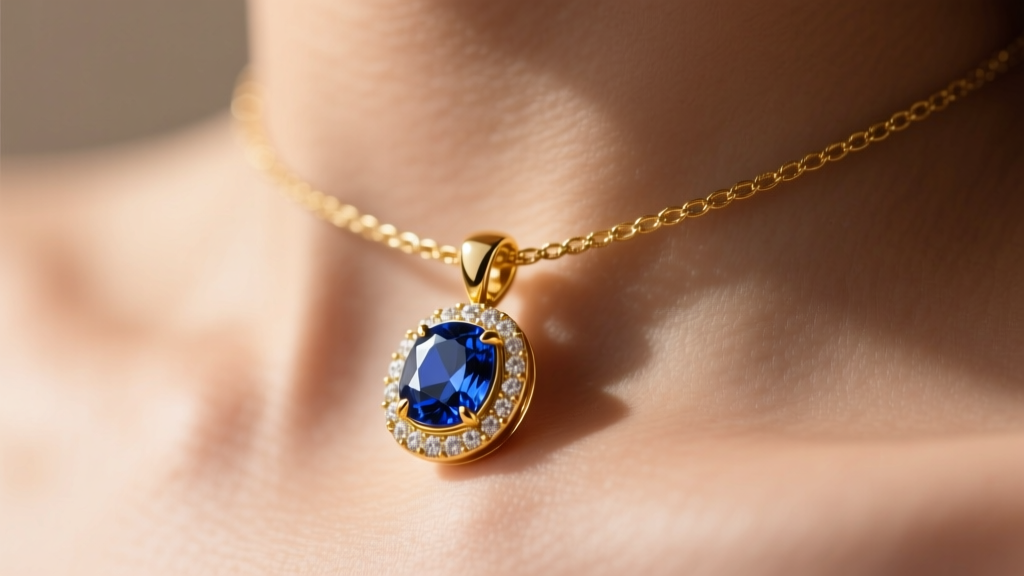
Finding the right jewelry for your spouse can feel like navigating a minefield of carat weights, metal alloys, and fleeting trends. However, a birthstone necklace for your wife bridges the gap between deep sentimental value and everyday elegance. Unlike generic diamond solitaires, a birthstone piece speaks directly to her identity, making it a staple in modern personalized jewelry. According to the American Gem Society, birthstone jewelry remains one of the most requested categories for anniversaries and milestone birthdays because it offers a built-in narrative. But not all birthstones are created equal, and treating a delicate opal the same way you would treat a diamond is a recipe for a cracked gemstone and a disappointed spouse. This guide breaks down the exact material grades, setting styles, and structural choices you need to make to buy a piece she will actually wear.
Understanding Gemstone Durability: The Mohs Scale Matters
The most critical mistake beginners make is ignoring the Mohs Hardness Scale. The Gemological Institute of America (GIA) uses this scale to measure a mineral's resistance to scratching. A diamond is a 10, but an opal is a mere 5.5 to 6.5. If your wife was born in October and you buy her a prong-set opal pendant that she wears daily, it will accumulate micro-scratches and eventually chip within a year. You must match the setting style to the stone's hardness.
| Month | Primary Birthstone | Mohs Hardness | Recommended Setting |
|---|---|---|---|
| January | Garnet | 6.5 - 7.5 | Bezel or Protected Prong |
| April | Diamond | 10 | Any (Prong, Halo, Bezel) |
| June | Pearl / Alexandrite | 2.5 / 8.5 | Pearl: Drilled & Wired. Alexandrite: Bezel |
| October | Opal / Tourmaline | 5.5 - 6.5 / 7 - 7.5 | Strictly Bezel or Halo with a solid backing |
| December | Tanzanite | 6.5 - 7 | Bezel or deep-set Halo to protect corners |
For any stone below a 7 on the Mohs scale, avoid standard four-prong settings. Opt for a bezel setting, where a continuous rim of metal wraps entirely around the gemstone's girdle. This absorbs the shock of accidental bumps against doorframes and desks, which is the leading cause of chipped birthstones.
Choosing the Right Metal Setting
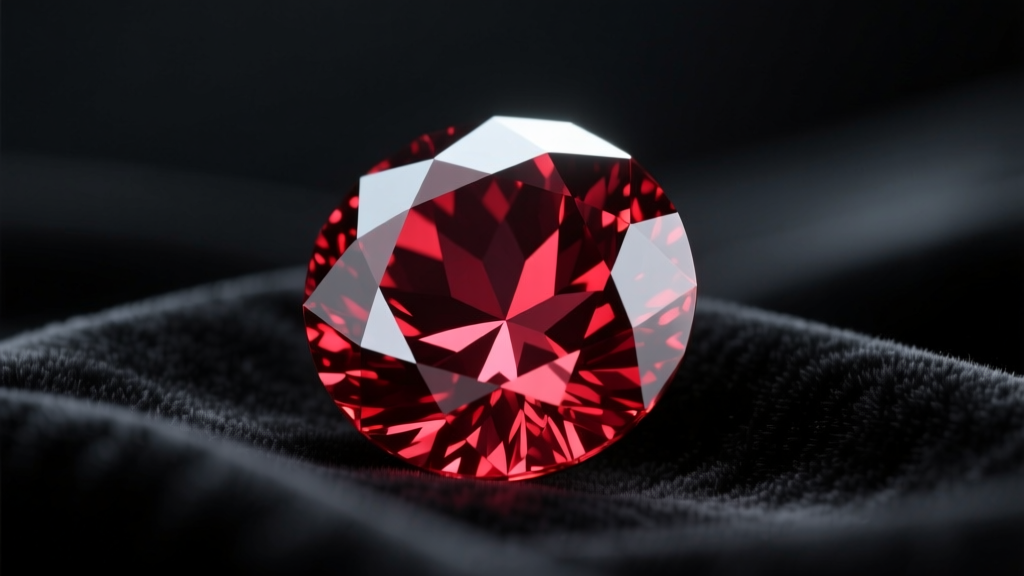
The metal you choose dictates both the aesthetic and the longevity of the necklace. While yellow gold is experiencing a massive resurgence in 2026 fashion trends, the karat weight is what truly matters for structural integrity.
14k vs. 18k Gold
18k gold (75% pure gold) offers a richer, warmer color but is relatively soft. If you are setting a softer stone like a garnet or tanzanite, the prongs or bezel wire in 18k gold can bend out of shape over time, risking the loss of the stone. 14k gold (58.3% pure gold) is alloyed with metals like copper and zinc, making it significantly harder and more durable for everyday wear. For a birthstone necklace intended for daily use, 14k gold is the superior functional choice.
Platinum (950 Pt)
If your budget allows (typically starting around $600 for a simple pendant setting), Platinum 950 is the gold standard for security. Unlike gold, which loses microscopic layers of metal when scratched, platinum merely displaces. This means the bezel or prongs holding your wife's birthstone will never wear thin, ensuring the gem stays secure for decades.
Selecting the Ideal Chain Length and Style
A pendant is only as good as the chain it hangs from. The chain must support the weight of the setting without overpowering the gemstone. Furthermore, the length determines where the birthstone rests on her chest, which should complement her most common necklines.
- 16 Inches (Choker/Collarbone): Ideal for V-necks and open-collar blouses. The pendant sits right in the hollow of the throat. Best for lightweight stones under 1 carat.
- 18 Inches (Princess): The universal standard. It falls just below the collarbone and works seamlessly with crew necks, t-shirts, and casual wear. If you are unsure of her preference, 18 inches is the safest bet.
- 20 to 24 Inches (Matinee): Rests on the upper chest or bust line. Perfect for layering over turtlenecks, sweaters, or high-neck dresses. Requires a thicker chain (1.5mm to 2.0mm) to support the visual weight.
For the chain style, avoid fragile designs like snake chains, which kink easily and are nearly impossible to repair. Instead, opt for a cable chain or a box chain in a 1.0mm to 1.2mm width. These styles offer excellent tensile strength and resist tangling.
Natural vs. Lab-Created Birthstones: A Modern Perspective
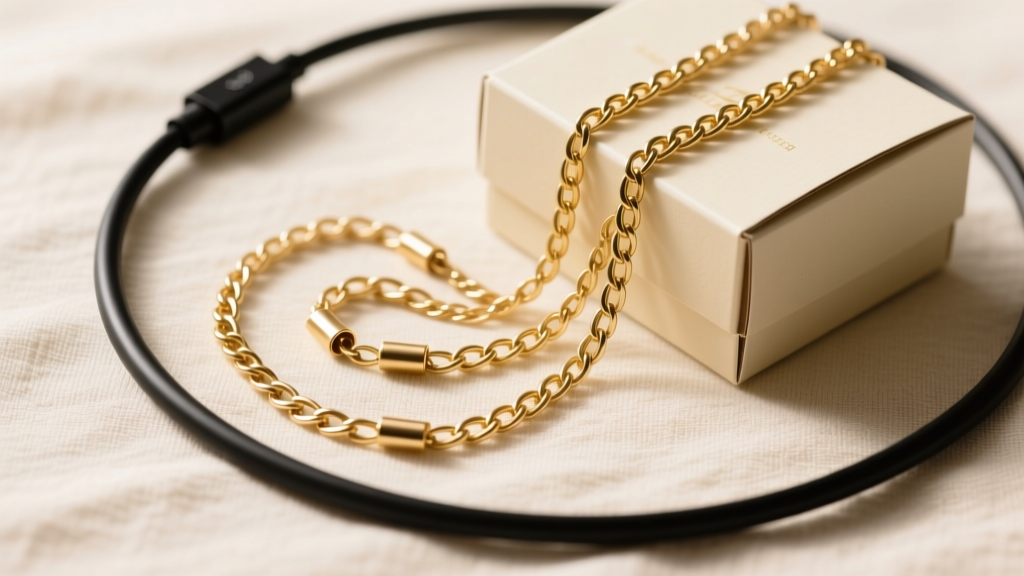
The jewelry industry has undergone a seismic shift regarding lab-created gemstones. In 2026, lab-grown sapphires, rubies, and emeralds are chemically, physically, and optically identical to their mined counterparts. The only difference is their origin. For birthstones that are notoriously expensive or heavily included in nature (like emeralds for May babies), a lab-created alternative offers a massive upgrade in clarity and color saturation for a fraction of the cost. A natural, eye-clean 1-carat emerald can easily exceed $3,000, while a lab-created equivalent with vivid green saturation might cost between $400 and $800. Unless your wife is a strict collector of natural earth-mined gems, lab-created stones allow you to allocate more of your budget toward a higher-quality platinum setting and a premium chain.
Budgeting and Pricing Expectations
Understanding the pricing tiers will help you manage expectations and avoid overpaying for brand names when you should be paying for craftsmanship.
| Tier | Expected Price Range | What to Expect |
|---|---|---|
| Fashion / Entry | $100 - $300 | Sterling silver or 10k gold, lab-created or simulated stones, mass-produced castings. |
| Fine Jewelry | $400 - $1,200 | 14k or 18k solid gold, natural or high-grade lab stones, durable chains, reputable brands like Mejuri or Catbird. |
| High-End / Bespoke | $1,500 - $5,000+ | Platinum settings, rare natural birthstones, custom hand-fabricated bezels, designer signatures. |
Maintenance and Cleaning Protocols
Different birthstones require vastly different cleaning regimens. A diamond or sapphire can be safely cleaned in an ultrasonic machine or with a soft toothbrush and mild dish soap. However, porous stones like pearls, opals, and turquoise will be destroyed by ultrasonic vibrations and harsh chemicals. For these delicate stones, simply wipe them with a damp, lint-free microfiber cloth after wearing to remove skin oils. Never use commercial silver dips or ammonia-based cleaners on any birthstone necklace, as these can strip the polish and fracture internal inclusions.
Final Tips for a Flawless Presentation
When you finally purchase the birthstone necklace for your wife, presentation is the final hurdle. Do not hand it to her in the flimsy cardboard box provided by the shipping carrier. Invest in a wooden or leather-lined jewelry box with a velvet insert that keeps the chain suspended to prevent knotting. Include a small, handwritten note explaining why you chose that specific cut or metal, referencing the research you put into protecting her unique birthstone. By focusing on durability, precise chain lengths, and smart metal choices, you are not just buying a piece of jewelry; you are gifting a resilient, beautiful heirloom tailored exactly to her.


