How to Choose and Style a Necklace with a Mustard Seed
Discover how to choose, style, and care for a necklace with a mustard seed. Learn about resin types, chain gauges, and preservation tips.

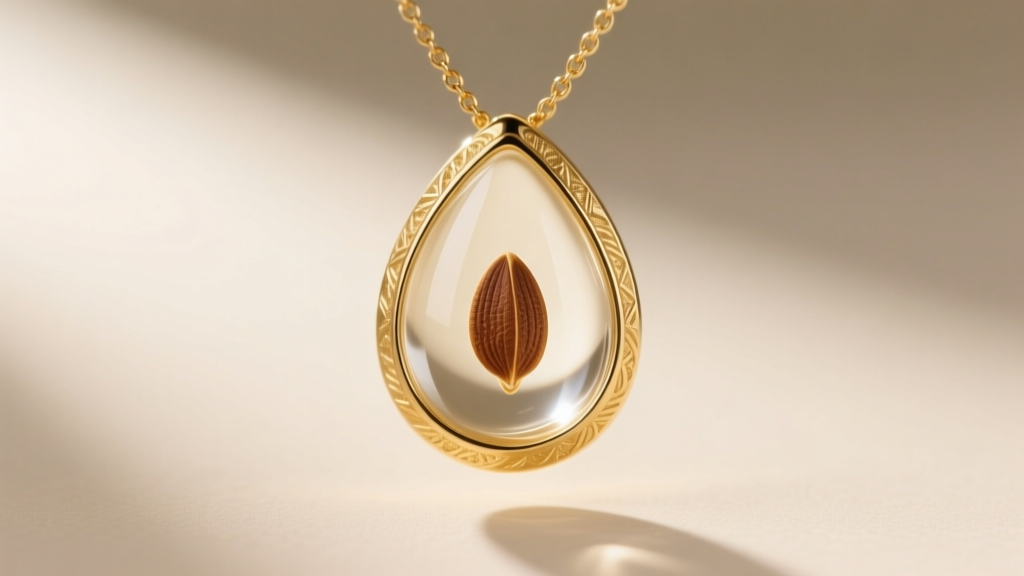
Few pieces of jewelry carry as much profound personal and spiritual weight as a necklace with a mustard seed. Often worn as a tangible reminder of faith, resilience, and personal growth, these delicate pendants have surged in popularity. However, because they encapsulate organic matter, they present unique challenges in jewelry making and long-term wear. As a beginner navigating the market, it is crucial to understand the materials, preservation techniques, and metallurgy involved to ensure your piece lasts a lifetime.
The Meaning Behind the Mustard Seed Pendant
The symbolism of the mustard seed is deeply rooted in biblical texts, most notably referenced in Matthew 17:20, where faith the size of a mustard seed is described as powerful enough to move mountains. For many wearers, a necklace with a mustard seed serves as a daily anchor—a minimalist yet deeply meaningful talisman. Because the seeds of the Brassica nigra or Brassica alba plants are incredibly small (typically measuring just 1 to 2 millimeters in diameter), the jewelry design must prioritize optical clarity and precise focal framing to ensure the seed remains visible against the skin.
Resin vs. Glass: Choosing the Right Encasement
The most critical decision when purchasing a mustard seed necklace is the encasement material. Organic seeds must be protected from oxygen, moisture, and physical crushing. Jewelers primarily use two methods: resin casting and glass vials.
Understanding Resin Chemistry
Most artisan pendants use epoxy or UV resin. Epoxy resin offers superior optical clarity and a glass-like finish, but it is highly susceptible to UV degradation. When exposed to direct sunlight over time, unprotected epoxy will undergo photo-oxidation, resulting in an unappealing yellow tint that obscures the seed. High-quality jewelers mitigate this by adding a Hindered Amine Light Stabilizer (HALS) and a UV absorber, such as benzotriazole, to the resin mixture. UV resin, while faster to cure, is generally more brittle and prone to micro-cracking if dropped.
Glass Vial Alternatives
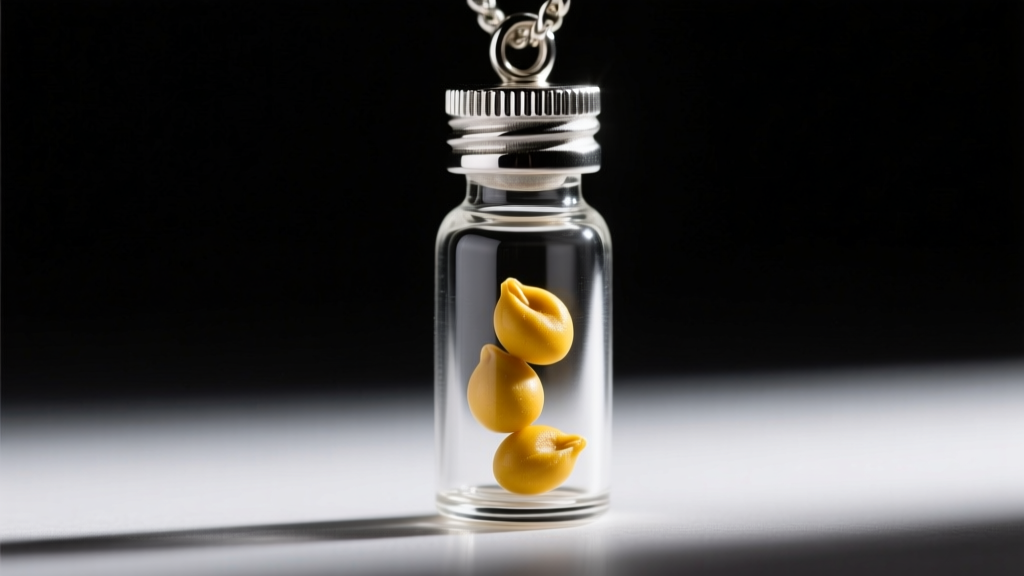
For those wary of plastics, borosilicate glass vials offer a brilliant alternative. Borosilicate is highly resistant to thermal shock and scratching. When choosing a glass vial necklace, always inspect the closure mechanism. Cork stoppers are porous and will eventually dry out, shrink, and compromise the seal. Always opt for a threaded screw-top cap equipped with a silicone O-ring to ensure an airtight, waterproof seal.
| Encasement Type | Pros | Cons | Average Lifespan |
|---|---|---|---|
| UV-Stabilized Epoxy | Seamless, custom shapes, highly durable | Can yellow if UV stabilizers are omitted | 10+ Years |
| UV Resin | Fast production, high clarity initially | Brittle, prone to surface scratching | 3-5 Years |
| Borosilicate Glass Vial | Will never yellow, premium feel, airtight | Fragile if dropped on hard surfaces | Lifetime |
Chain Selection: Gauges, Metals, and Lengths
A pendant is only as good as the chain that holds it. Because mustard seed pendants are typically lightweight (under 5 grams), you do not need a heavy-duty chain, but you do need one that balances visually with the delicate focal piece.
- Gauge Size: Opt for a chain gauge between 0.8mm and 1.2mm. A 0.9mm cable chain or a 1.0mm box chain provides the perfect visual weight without overpowering the tiny seed.
- Sterling Silver (925): Composed of 92.5% silver and 7.5% copper. The copper provides strength but makes the metal prone to tarnishing (silver sulfide formation). Ensure the silver is rhodium-plated for long-lasting shine and tarnish resistance.
- Gold Vermeil: According to the Federal Trade Commission (FTC) Jewelry Guides, true vermeil must consist of a sterling silver base plated with at least 2.5 microns of 10k, 14k, or 18k gold. Anything less is considered simple gold plating and will wear off quickly with daily friction.
- Surgical Stainless Steel (316L): An excellent hypoallergenic, budget-friendly option that will not tarnish, though it lacks the intrinsic value and luster of precious metals.
The Preservation Problem: Preventing Seed Degradation
The most common failure mode in botanical jewelry is internal mold growth. While mustard seeds have a hard outer testa and appear completely dry, they still retain internal cellular moisture. If a jeweler encapsulates a seed directly from a spice jar into an anaerobic resin environment, that trapped moisture can lead to fungal degradation or the formation of unsightly micro-bubbles as the moisture slowly off-gasses during the resin's exothermic curing process.
Expert Insight: Before encasing any botanical element, professional jewelers desiccate the seeds using silica gel in an airtight chamber for 48 to 72 hours. This reduces the internal moisture content to below 5%, ensuring the seed remains perfectly preserved and vibrant for decades. When buying from an independent artisan, always ask about their dehydration process.
For glass vial necklaces, a tiny packet of desiccant cannot fit inside the 8mm x 12mm vials typically used. Therefore, the seeds must still be pre-dried, and the vial should be sealed in a low-humidity environment (under 30% relative humidity) to prevent trapping ambient moisture inside the glass.
Pricing Tiers: What Should You Expect to Pay?
Understanding the market pricing will help you avoid overpaying for mass-produced items or underpaying for suspiciously cheap materials that may cause skin irritation.
Budget Tier ($15 - $35)
At this price point, expect mass-produced pendants made with basic UV resin or acrylic. The chains are typically zinc alloy or thinly plated brass, which may cause contact dermatitis for those with nickel sensitivities. The seeds are often synthetic or improperly dried.
Mid-Tier Artisan ($45 - $95)
This is the sweet spot for quality. You will find hand-poured, UV-stabilized epoxy resin or high-quality glass vials paired with genuine 925 sterling silver or 14k gold vermeil chains. Artisans in this tier properly dehydrate their seeds and use precision silicone molds for flawless edges.
Premium & Fine Jewelry ($120 - $300+)
Premium pieces feature solid 14k or 18k gold chains and findings. The encasement might involve hand-blown borosilicate glass or intricate bezel settings where the resin is poured directly into a solid gold frame. These pieces are often customizable and come with lifetime warranties against yellowing or chain breakage.
Styling Your Mustard Seed Necklace for Everyday Wear
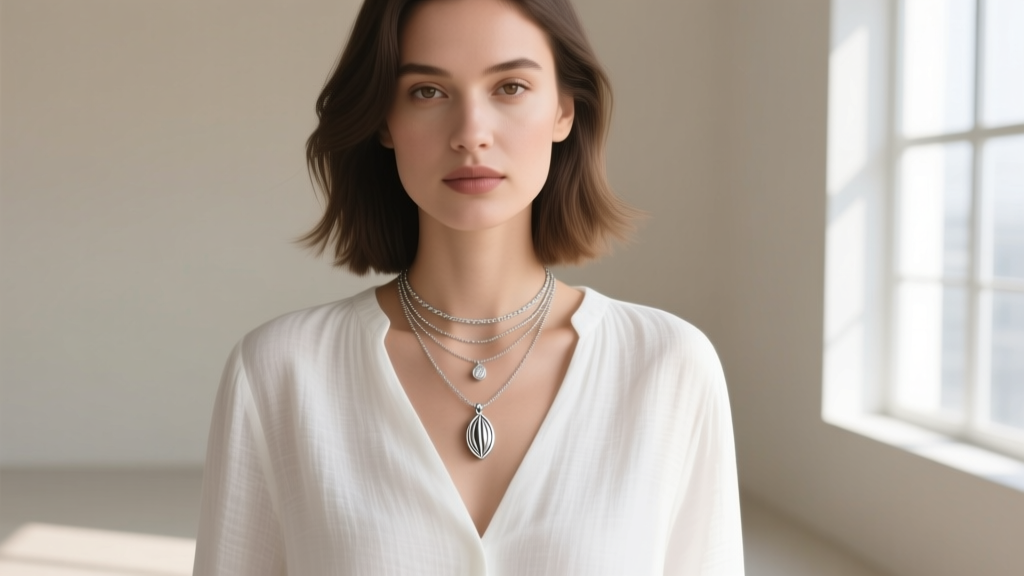
Because of its profound meaning and minimalist aesthetic, a mustard seed necklace is an ideal candidate for daily wear and layering. To achieve a curated, modern look, apply the 'Rule of Three' for necklace stacking:
- The Base (14-16 inches): Start with a simple, thin 14-inch gold or silver herringbone choker that sits flush against the collarbone.
- The Focal Point (18 inches): Place your mustard seed pendant on an 18-inch 0.9mm cable chain. This allows the pendant to rest perfectly in the hollow of the décolletage, drawing the eye directly to the seed.
- The Anchor (22-24 inches): Finish with a heavier, textured chain, such as a 22-inch 2.0mm paperclip or Figaro chain, optionally featuring a small, solid geometric charm (like a simple gold disc or bar) to balance the visual weight of the tiny seed pendant above it.
When wearing your necklace, be mindful of your environment. The Gemological Institute of America (GIA) recommends removing all jewelry before swimming in chlorinated pools or using harsh household cleaners. Chlorine can permanently damage the molecular structure of sterling silver alloys and degrade the silicone O-rings in glass vial pendants, compromising the airtight seal that protects your mustard seed.
Final Thoughts on Faith-Based Jewelry
Choosing a necklace with a mustard seed is a deeply personal investment. By prioritizing UV-stabilized resins or borosilicate glass, verifying the metallurgical quality of your chain, and ensuring the artisan employs proper desiccation techniques, you can secure a piece of jewelry that honors its profound symbolism while standing the test of time. Whether worn as a solitary statement of faith or layered into a modern everyday stack, the mustard seed pendant remains a timeless, powerful accessory.


