Colin Jost Necklace Care: Cleaning & Maintenance Guide
Learn how to clean and maintain a classic men's gold chain like the Colin Jost necklace. Expert tips on 14k gold care, soaking, and storage.

Decoding the Colin Jost Necklace Aesthetic
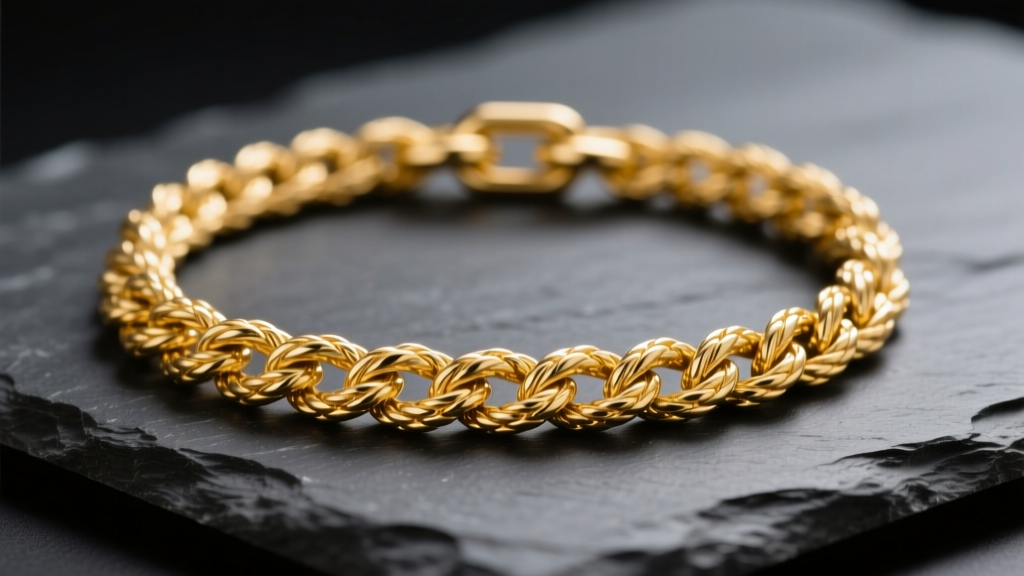
When it comes to understated men's jewelry, the 'Colin Jost necklace' has become a shorthand in style circles for a specific aesthetic: refined, masculine, and effortlessly integrated into a daily wardrobe. Whether he is anchoring Weekend Update or attending a premiere, Jost frequently sports a mid-weight gold chain—often a classic rope or curb link in the 3mm to 5mm width range, sitting at a standard 20 to 22-inch length. In 2026, this 'stealth wealth' approach to men's pendants and chains remains the dominant trend, favoring high-quality metallurgy over flashy, oversized links.
However, wearing a gold chain daily exposes it to a harsh environment. Human skin, environmental pollutants, and grooming products all conspire to dull the metal. Maintaining that signature Colin Jost gleam requires more than a quick wipe with a shirt hem; it demands a targeted, metallurgically sound cleaning protocol.
The Metallurgy of Men's Chains: 14k vs. 18k Gold
To properly clean your chain, you must first understand its composition. Pure 24k gold is entirely too soft for daily-wear chains; it would stretch and snap under the weight of a pendant or the friction of a collarbone. Therefore, most high-quality men's chains are crafted in 14k or 18k gold.
- 14k Gold (58.5% Gold): Alloyed with copper, silver, and zinc. This is the gold standard for rope chains because the higher alloy content increases tensile strength, preventing the delicate twisted links from pulling apart.
- 18k Gold (75% Gold): Offers a richer, deeper yellow hue but is softer and more prone to micro-scratches on polished surfaces like curb or Figaro links.
According to the Gemological Institute of America (GIA), the alloy metals in 14k and 18k gold (specifically copper and silver) are susceptible to oxidation when exposed to sulfur in the air and chlorine in tap water. While the gold itself does not tarnish, the alloys can develop a dull, oxidized film that traps sebum and dead skin cells.
The Daily Wear Toll: Sebum and Environmental Grime
The primary enemy of a men's gold chain is not dirt, but sebum—the oily substance secreted by your skin's sebaceous glands. When sebum mixes with dead keratinocytes (skin cells) and environmental dust, it forms a hydrophobic, grayish sludge.
Why Rope and Curb Chains Trap Debris
If your Colin Jost-style necklace is a rope chain, the spiral, twisted links create hundreds of microscopic crevices. These crevices act as perfect traps for sebum and soap scum from your morning shower. Curb chains, while flatter, feature interlocking beveled edges that accumulate grime along the friction points where the links meet. Neglecting these areas allows the buildup to calcify, leading to a dull cast that masks the metal's natural luster and can even cause skin irritation or contact dermatitis.
Step-by-Step Cleaning Protocol for Men's Gold Chains
To safely break down hydrophobic sebum without damaging the gold alloys or weakening the solder joints, follow this professional-grade cleaning matrix.
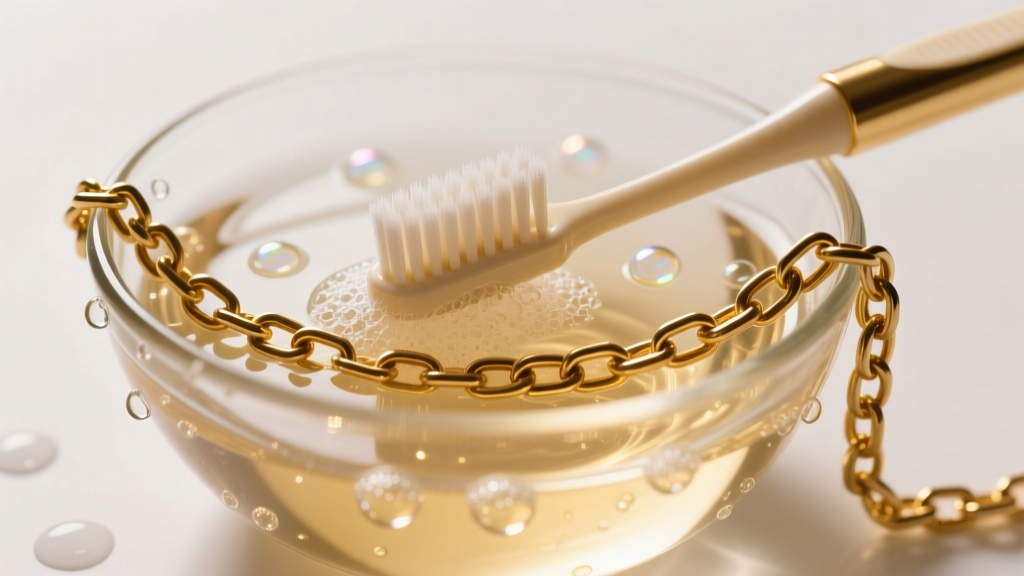
Step 1: The Mild Surfactant Soak
Forget harsh commercial jewelry dips, which often contain ammonia or thiourea—chemicals that can strip the polished finish of your chain. Instead, use a high-quality dish surfactant.
- Fill a glass bowl with 1 cup of warm water (approximately 100°F / 38°C). Avoid hot water, which can expand microscopic fractures in soldered joints.
- Add 3 to 4 drops of a grease-cutting dish soap (Dawn Platinum is highly recommended for its advanced enzyme and surfactant profile).
- Submerge the necklace and let it soak for exactly 15 minutes. This allows the surfactants to encapsulate the oil molecules and lift them away from the metal.
Step 2: Mechanical Agitation
After soaking, the grime is loosened but not entirely removed. You must use mechanical action.
- The Tool: Use an extra-soft baby toothbrush. The bristles should be 0.1mm or thinner to penetrate the gaps in a rope chain without scratching the gold.
- The Technique: Hold the chain taut and brush at a 45-degree angle to the links. Use short, circular motions. Do not pull or stretch the chain while brushing, as wet gold is slightly more pliable.
Step 3: The Distilled Rinse and Dry
Rinse the chain thoroughly under lukewarm running water. Pro Tip: If you live in an area with hard water, perform a final rinse with distilled water. Hard water contains calcium carbonate, which will leave microscopic white spots on the gold as it dries. Pat the chain dry with a lint-free microfiber cloth, then lay it flat on a dry towel to air-dry completely before storage.
Maintenance Matrix: Cleaning Methods by Chain Type
Not all chains require the same level of intervention. Use this table to determine the best care route for your specific necklace style.
| Chain Style | Dirt Trap Risk | Recommended Tool | Ultrasonic Safe? |
|---|---|---|---|
| Rope Chain | High (Deep crevices) | Baby Toothbrush + Soak | No (Risk of joint fatigue) |
| Curb / Cuban Link | Medium (Flat friction points) | Soft Cloth + Mild Soak | Yes (If solid, not hollow) |
| Figaro Chain | Medium (Alternating links) | Baby Toothbrush | Yes (Solid only) |
| Box Chain | Low (Smooth, geometric) | Microfiber Polishing Cloth | Yes |
| Herringbone | High (Flat, dense weave) | Soft Cloth (Never brush) | No (Will kink and snap) |
The Ultrasonic Cleaner Debate: When to Use and When to Avoid
Ultrasonic cleaners use high-frequency sound waves (typically 40kHz to 45kHz) to create microscopic cavitation bubbles in a liquid solution. When these bubbles collapse, they generate localized shockwaves that blast dirt out of crevices.
While the Jewelers of America notes that ultrasonic cleaners are excellent for solid gemstone settings and heavy, solid gold chains, they carry severe risks for certain men's necklaces:
- Hollow Chains: Many mid-priced 14k gold chains are hollow to reduce weight and cost. The cavitation shockwaves can easily dent the thin gold walls or shatter the internal structural supports.
- Soldered Joints: The high-frequency vibrations can cause micro-fractures in the solder points of rope and Figaro chains, leading to sudden, catastrophic snapping.
- Pendants with Soft Stones: If your Colin Jost-style chain features a pendant with turquoise, opal, or malachite, never use an ultrasonic cleaner. The vibrations will shatter these porous, brittle stones.
Proper Storage to Prevent Micro-Scratches and Tangling
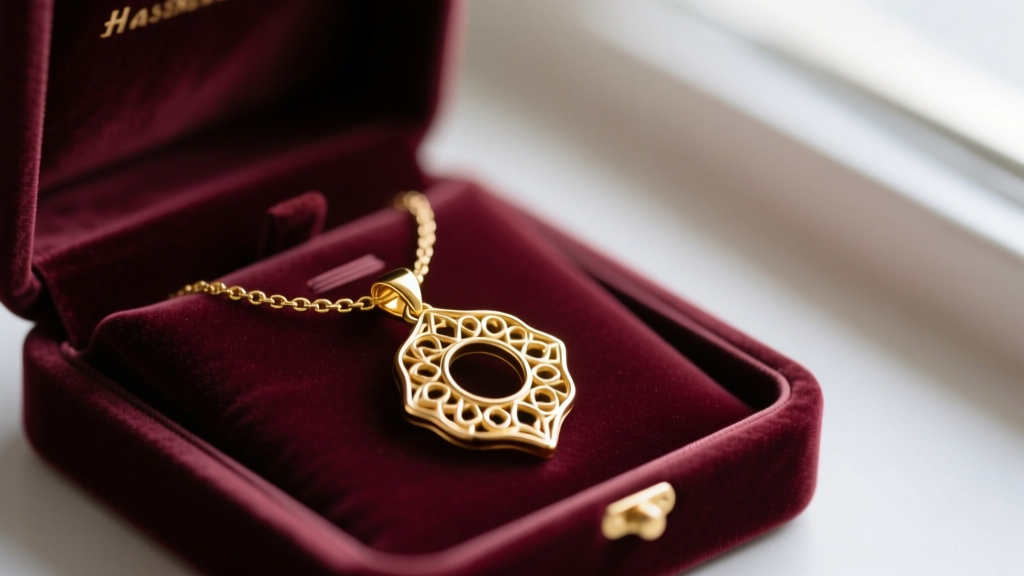
The final pillar of necklace maintenance is how you store it when it is not around your neck. Tossing a gold chain into a drawer or a communal jewelry box is a guaranteed way to induce micro-scratches and catastrophic tangling.
The Polyethylene Rule
Store your chain in an individual, zip-seal polyethylene bag. Polyethylene is chemically inert and will not off-gas. Never use PVC (polyvinyl chloride) bags, as PVC degrades over time and releases hydrogen chloride gas, which reacts with the copper and silver alloys in your 14k gold chain, causing rapid, severe tarnishing.
The Anti-Tarnish Strip
For long-term storage, drop a 3M anti-tarnish strip into the polyethylene bag before sealing it. These strips absorb sulfur compounds and hydrogen sulfide from the trapped air, effectively halting the oxidation process of the alloy metals. Finally, always unclasp the chain, lay it perfectly flat, and secure the clasp outside the zip line of the bag to prevent the links from knotting together.
Conclusion
Achieving the effortless, polished look of a classic Colin Jost necklace is less about the initial purchase and more about the discipline of daily maintenance. By understanding the metallurgy of your 14k or 18k gold chain, utilizing proper surfactant chemistry to break down sebum, and storing the piece in an inert environment, you ensure that your necklace remains a lifelong staple of your personal style.


