Repair Guide: Fixing a Broken Rhinestone Statement Necklace
Learn how to troubleshoot and repair a broken rhinestone statement necklace. Expert tips on re-gluing stones, fixing clasps, and restoring foil backing.

The Anatomy of a Rhinestone Statement Necklace Failure
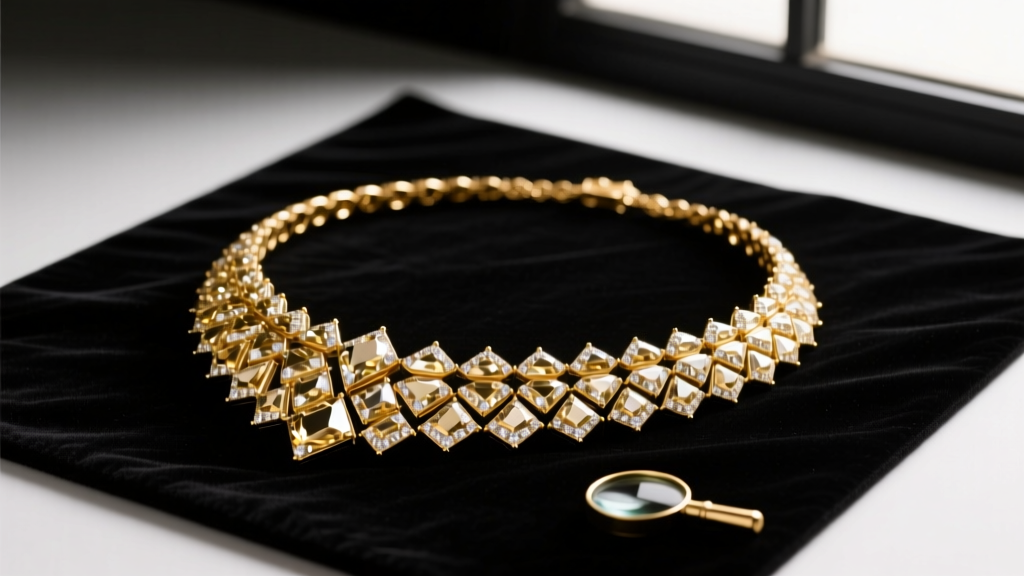
A rhinestone statement necklace is a bold, eye-catching centerpiece, but its sheer size and weight make it uniquely vulnerable to structural failure. Unlike delicate chains or simple pendants, statement pieces often feature heavy alloy settings, dozens of individually set stones, and complex linkages. When a vintage or modern rhinestone statement necklace breaks, the damage usually falls into three categories: adhesive degradation (missing stones), foil oxidation (dark or dead stones), and mechanical stress (snapped chains or pulled jump rings).
Before attempting any repair, it is crucial to understand the materials you are working with. Most statement necklaces are cast from pot metal, brass, or zinc alloy, which are soft and prone to bending. The stones themselves are typically glass or acrylic with a vacuum-deposited metallic foil on the pavilion (the back of the stone) to create that signature sparkle. Using the wrong chemicals or excessive force can permanently strip this foil or snap the brittle base metal. This guide provides professional-level troubleshooting steps to restore your necklace to its former glory.
Troubleshooting Missing or Loose Rhinestones
The most common issue with any rhinestone statement necklace is stones falling out. This happens because the original factory adhesive dries out, becomes brittle, and fails under the flexing of the necklace against the collarbone. The biggest mistake DIYers make is reaching for cyanoacrylate (commonly known as Super Glue). Cyanoacrylate cures into a hard, inflexible plastic and releases fumes as it dries, a process called 'outgassing.' This outgassing creates a permanent, cloudy white frost on the surface of the rhinestone, ruining its brilliance.
Selecting the Right Adhesive
To properly reset a rhinestone, you must choose an adhesive that remains slightly flexible and does not fog the glass or acrylic. According to the Fire Mountain Gems Jewelry-Making Encyclopedia, selecting the right glue depends on the setting type and the stone material.
| Adhesive Type | Best Used For | Cure Time | Fogging Risk | Flexibility |
|---|---|---|---|---|
| E6000 Jewelry & Bead | Heavy glass stones, metal-to-metal bonding | 24-72 hours | Zero | High (Rubbery) |
| G-S Hypo Cement | Tiny accent stones, precision prong work | 10-15 minutes | Zero | Medium |
| UV Resin (Clear) | Acrylic stones, instant setting requirements | 60 seconds (UV light) | Low | Low (Rigid) |
| Cyanoacrylate (Super Glue) | NEVER use on rhinestones | 10 seconds | Extremely High | None (Brittle) |
Pro-Tip for Application: Never apply glue directly from the tube onto the necklace. Squeeze a small puddle of E6000 onto a piece of wax paper. Use a wax-tipped pearl setter or a wooden toothpick to pick up a microscopic bead of glue and apply it to the inside of the prong setting. Drop the rhinestone in, and gently press the prongs inward using nylon-jaw pliers to avoid scratching the metal.
Restoring Tarnished Settings and Degraded Foil Backing
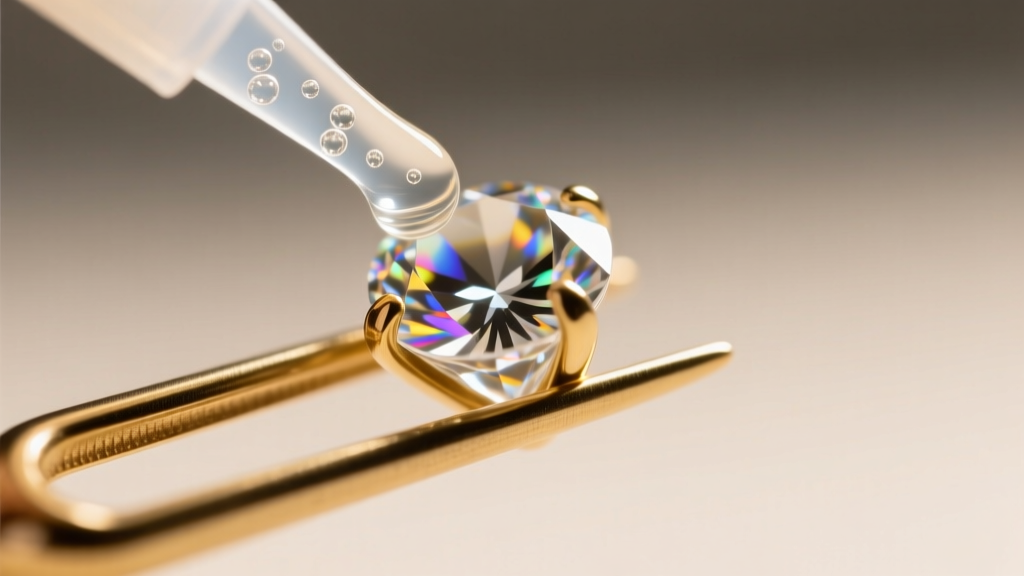
If a stone in your rhinestone statement necklace looks dark, gray, or completely 'dead,' the stone itself isn't broken—the reflective foil backing has oxidized or washed away. Moisture from sweat, perfume, or aggressive cleaning solutions can seep under the stone, causing the silver or gold foil to turn black. Furthermore, the Gemological Institute of America (GIA) strongly advises against using ultrasonic cleaners or harsh chemical dips on any foil-backed jewelry, as the high-frequency vibrations will shake the stones loose and the chemicals will instantly strip the metallic coating.
Step-by-Step Foil Restoration
- Remove the Stone: Use a fine sewing needle or a specialized stone-lifting tool to gently pry back one or two prongs. Carefully pop the stone out.
- Clean the Setting: Dip a cotton swab in 91% isopropyl alcohol and swab the inside of the cup setting to remove old glue and oxidation. Let it dry completely.
- Apply New Foil: For vintage repairs, you can use specialized metallic foil tape or even a high-quality silver chrome nail polish. Apply a thin, even coat to the inside of the cup and let it dry.
- Reseat the Stone: Place a tiny dot of G-S Hypo Cement on the edge of the setting, drop the stone back in, and push the prongs back over the girdle of the stone using a bezel roller or nylon pliers.
Fixing Broken Chains and Heavy Clasp Failures
A genuine rhinestone statement necklace can weigh anywhere from 50 to over 150 grams. This immense weight puts tremendous shear stress on the chain links and the clasp assembly. Factory-made statement pieces often use cheap, unsoldered 20-gauge or 22-gauge jump rings to attach the clasp. Under the weight of the necklace, these thin rings don't snap; they simply pull open at the cut, causing the piece to slide off your neck and potentially shatter on the floor.
Upgrading the Hardware
To permanently solve this mechanical failure, you must upgrade the findings. Visit a dedicated jewelry supplier like Rio Grande to source heavy-duty components. Replace the standard spring-ring clasp with an 18-gauge or 16-gauge stainless steel or sterling silver lobster clasp. Lobster clasps feature a solid internal spring mechanism that is far less likely to snag on clothing or pop open under tension.
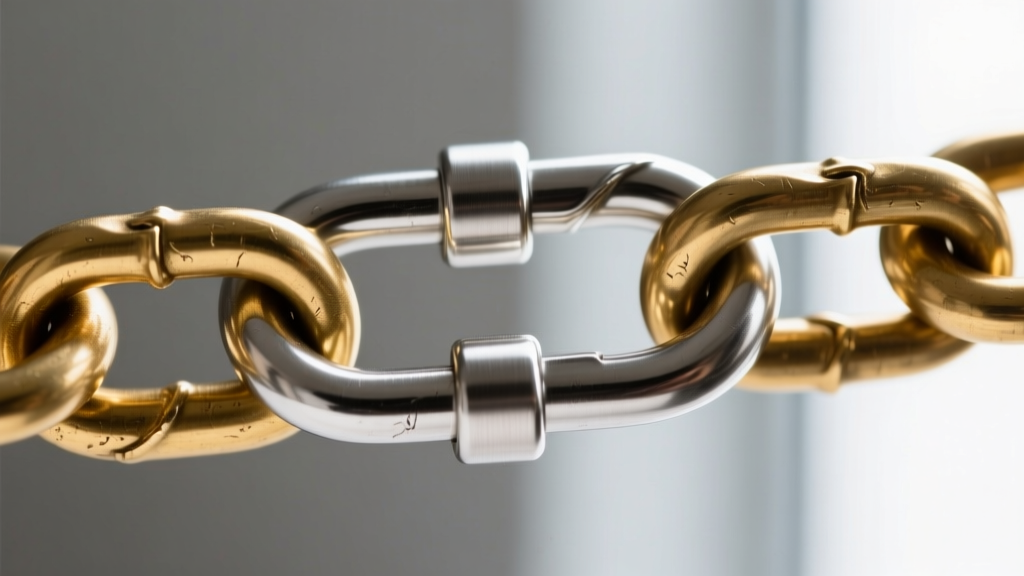
More importantly, replace the jump rings. For a necklace weighing over 80 grams, you should use 14-gauge or 16-gauge soldered jump rings. A soldered jump ring is fused shut with a laser or torch, meaning it has no cut line to pull apart. If you must use unsoldered rings, ensure they are at least 14-gauge and use two pairs of flat-nose pliers to twist them open laterally (side-to-side) rather than pulling them apart outward, which weakens the metal's temper.
Jeweler's Insight: If the chain itself is breaking in the middle of a link, it is likely due to 'work hardening' of the base metal. Base metals become brittle over time when repeatedly bent. You cannot solder base metal chains with a standard jeweler's torch without melting them. In these cases, the only viable repair is to replace the entire chain with a solid brass or stainless steel cable chain of the same link pitch.
Preventative Maintenance for Heavy Statement Pieces
Once your rhinestone statement necklace is repaired, implementing a strict maintenance routine will prevent future failures. The enemy of rhinestone jewelry is a combination of moisture, cosmetics, and improper storage.
- The 'Last On, First Off' Rule: Always put your necklace on after applying perfume, hairspray, and lotions. The alcohol and oils in these products will degrade the adhesive and cloud acrylic stones.
- Proper Cleaning: To clean the piece, use a dry, soft-bristled baby toothbrush to gently sweep away dust from behind the settings. If a deeper clean is required, use a barely damp cloth with a drop of mild dish soap, avoiding the back of the stones entirely.
- Flat Storage: Never hang a heavy rhinestone statement necklace on a jewelry tree. The constant gravitational pull will stress the chain links and stretch the metal over time. Store the piece flat in a velvet-lined drawer or a ziplock bag with a silica gel packet to control ambient humidity and prevent alloy tarnishing.
By understanding the mechanical and chemical vulnerabilities of your jewelry, you can keep your most dazzling statement pieces in pristine, wearable condition for decades. Proper adhesive selection, hardware upgrades, and careful storage are the hallmarks of true jewelry preservation.


