How to Choose the Perfect Necklace Ring Clasp: A Durability Guide
Discover how to choose the best necklace ring clasp for durability and style. Learn about spring ring mechanics, metal grades, and sizing in our guide.

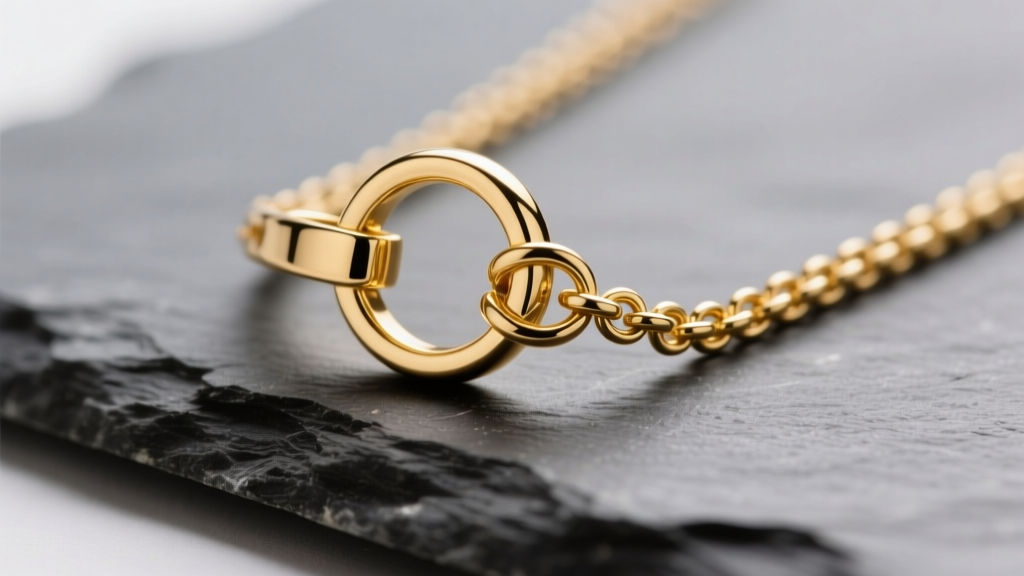
The Critical Role of the Necklace Ring Clasp
When investing in fine jewelry, buyers often obsess over the carat weight of a pendant or the purity of a chain, completely overlooking the hardware that keeps it secure. The necklace ring clasp is arguably the most vital structural component of any neckpiece. It is the single point of failure that, if compromised, can result in the loss of a cherished heirloom or a high-value diamond pendant. Yet, the mechanics, material science, and proper sizing of these tiny findings are rarely discussed in retail environments.
Whether you are shopping for a delicate 14k gold cable chain or a heavy sterling silver rope chain, understanding the engineering behind your clasp is non-negotiable. This comprehensive buying guide will dissect the anatomy of ring clasps, reveal the hidden material compromises inherent in fine jewelry manufacturing, and provide a concrete framework for selecting the right hardware for your specific necklace weight and lifestyle.
Spring Ring vs. Bolt Ring: Understanding the Mechanics
The term "necklace ring clasp" generally refers to two distinct but mechanically similar circular findings: the spring ring (ubiquitous in the US) and the bolt ring (more common in the UK and Europe). While they look nearly identical to the untrained eye, their internal tolerances and lever mechanisms differ slightly.
The Spring Ring Clasp
The spring ring clasp features a tiny, protruding lever that slides along a milled track. Pushing the lever compresses an internal coil spring, retracting a small metal pin into the hollow body of the ring and creating a gap for the jump ring to pass through. When released, the spring forces the pin back out, closing the gap. High-quality spring rings have a seamless body where the track is milled, whereas lower-tier mass-produced versions may feature a visible seam along the outer edge that can snag on hair or silk garments.
The Bolt Ring Clasp
Bolt rings operate on a similar coil-spring principle but often utilize a slightly different lever geometry, sometimes featuring a ridged or textured push-tab for better grip. According to jewelry manufacturing standards outlined by Rio Grande, bolt rings are frequently cast or stamped with slightly thicker outer walls than their spring ring counterparts, making them marginally heavier but highly durable for medium-weight chains.

The Material Secret: Why Your Gold Clasp Contains Steel
One of the most closely guarded "secrets" in fine jewelry manufacturing—and a vital piece of E-E-A-T knowledge for any serious buyer—is that the internal spring of a gold or silver necklace ring clasp is almost never made of gold or silver.
Precious metals like 14k gold, 18k gold, and sterling silver lack the necessary "memory" and tensile strength to act as a coil spring. If a manufacturer were to use 14k gold for the internal spring, the metal would deform after a dozen uses, leaving the clasp permanently stuck open. Therefore, the internal coil is universally crafted from stainless steel, beryllium copper, or a nickel-based alloy.
Expert Insight: If you have a severe nickel allergy, you must be cautious with standard spring ring clasps. Even if the exterior is stamped 14k or 18k gold, a failing clasp body can expose the base-metal spring inside. For hypoallergenic needs, seek out specialized titanium or platinum hardware, or opt for a magnetic or friction-fit clasp instead.
For deeper insights into how alloy compositions affect jewelry durability and skin sensitivities, the Gemological Institute of America (GIA) provides excellent educational resources on metal properties and proper jewelry maintenance.
Sizing Your Clasp: Gauge and Millimeter Guidelines
A common mistake buyers make is mismatching the clasp size to the chain's width and weight. If a necklace ring clasp is too small, the lever mechanism will bear excessive lateral torque, leading to premature spring fatigue. If it is too large, the heavy clasp will constantly slide around the neck, pulling the chain taut and ruining the drape of the necklace.
The Proportionality Matrix
Use the following data table to ensure your necklace ring clasp is correctly proportioned to your chain:
| Chain Width | Chain Style Example | Ideal Clasp Size | Required Jump Ring Gauge |
|---|---|---|---|
| 0.8mm - 1.2mm | Delicate Cable, Fine Box | 5mm or 6mm | 22-gauge or 20-gauge |
| 1.5mm - 2.5mm | Rope, Figaro, Curb | 7mm or 8mm | 20-gauge or 18-gauge |
| 3.0mm - 5.0mm | Heavy Curb, Miami Cuban | 9mm or 10mm | 18-gauge or 16-gauge |
| 6.0mm+ | Thick Rope, Massive Curb | Avoid Ring Clasps | Use Lobster or Box Clasp |
Notice the final row: ring clasps are not recommended for chains heavier than 5.0mm. Beyond this weight, the lateral shear force applied to the tiny internal pin of a spring ring can cause it to bend or snap. For heavy chains, always upgrade to a large lobster clasp or a mechanical box clasp with a safety latch.
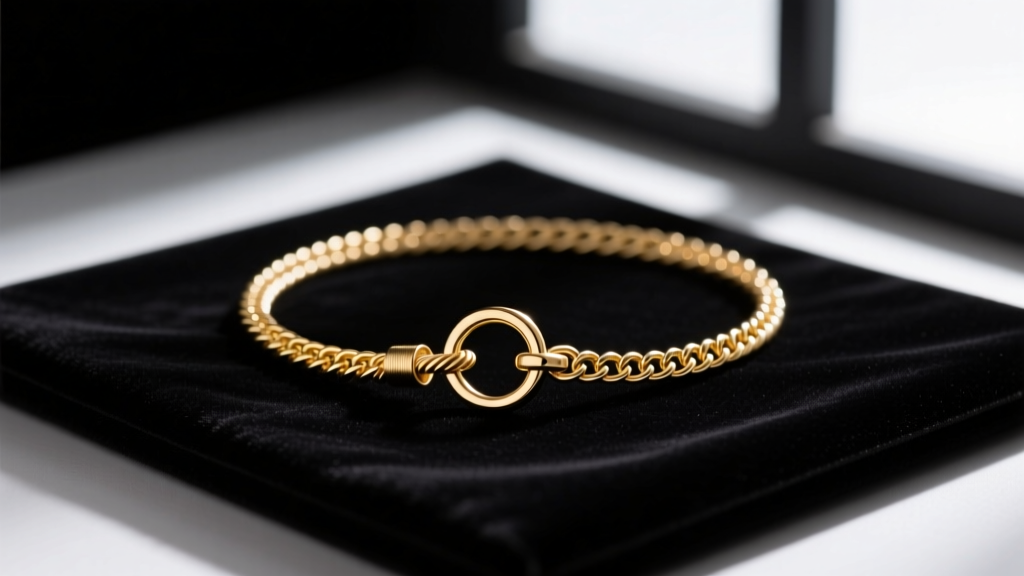
Common Failure Modes and How to Spot Them
Even high-end necklace ring clasps are subject to mechanical wear. Recognizing the early signs of failure can save you from losing your jewelry. Here are the three most common failure modes:
- Lever Track Fouling: Over time, lotions, dead skin cells, and soap scum accumulate inside the milled track of the lever. This creates friction, making the clasp feel "sticky" or slow to close. Fix: Soak the clasp in warm water with a drop of mild dish soap and gently scrub the track with a soft baby toothbrush.
- Spring Fatigue (The Gap): If you close the clasp and notice a visible sliver of light between the pin and the opposite wall, the internal steel spring has lost its tension. This is a critical failure point. A sudden tug will pop the pin back into the housing, dropping the necklace. Fix: The clasp must be replaced immediately by a jeweler.
- Jump Ring Solder Failure: Often, the clasp itself doesn't break; the jump ring connecting it to the chain does. If the jump ring was merely "butt-cut" (closed with pliers but not soldered), it will easily pull apart. Always inspect the jump ring attached to your necklace ring clasp to ensure there is a smooth, flush solder joint.
Expert Tips for Testing Clasp Tension Before Buying
When evaluating a necklace in a showroom or assessing a vintage piece, perform these three physical tests to verify the integrity of the hardware:
- The Snap Test: Push the lever back and release it. It should return to its closed position instantly with an audible, crisp "click." A sluggish return indicates dirt buildup or a weakening spring.
- The Lateral Wiggle: Close the clasp and gently try to wiggle the pin side-to-side. There should be minimal lateral play. Excessive wobbling means the internal housing tolerances are poorly machined, which will accelerate wear.
- The Tug Test: Hook the clasp to its jump ring. Hold the chain in one hand and the clasp body in the other, and apply moderate, steady outward pressure. The clasp should not distort, and the lever should not slide backward under tension. (Note: Only perform this test gently on delicate chains to avoid damaging the chain links themselves).
Final Thoughts on Necklace Hardware
The necklace ring clasp is a marvel of micro-engineering that deserves as much scrutiny as the gemstones it secures. By understanding the necessity of steel internal springs, adhering to strict sizing ratios, and routinely checking for spring fatigue, you can ensure your necklaces remain safe and secure for decades. Never compromise on the quality of your findings; a $2,000 pendant is only as safe as the $15 clasp holding it to your neck.


