How to Choose the Perfect Niece Necklace: A Complete Buying Guide
Discover how to choose the perfect niece necklace with our expert buying guide. Learn about hypoallergenic metals, safe clasps, and age-appropriate styles.

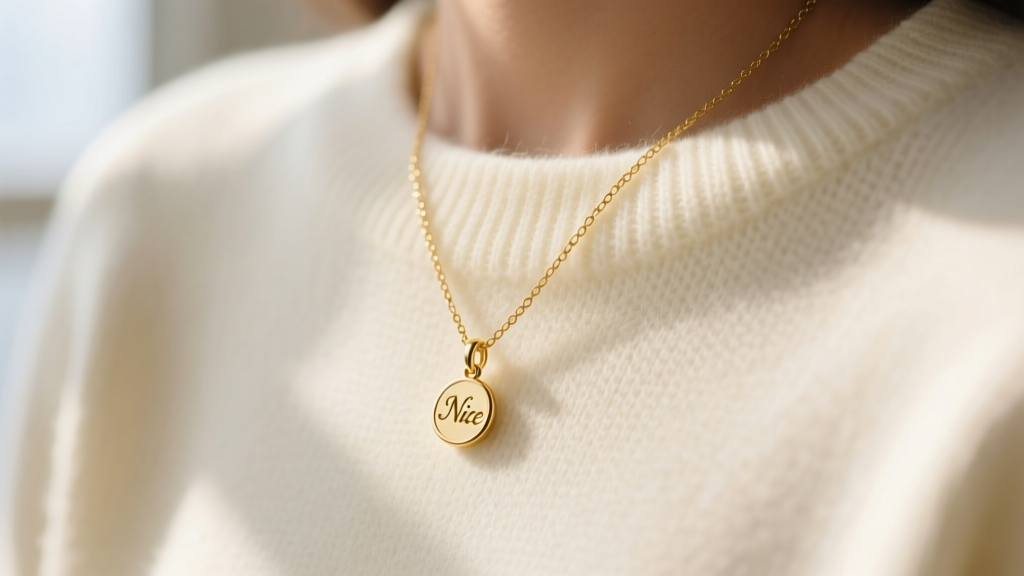
Finding the perfect niece necklace is about more than just picking a pretty charm; it is an investment in a piece of jewelry that she will cherish as she grows. Whether you are shopping for a toddler’s first piece of fine jewelry or a sentimental gift for your teenage niece, the market is flooded with options that vary wildly in quality, safety, and durability. As a buyer, you must navigate metal allergies, chain breakage risks, and gemstone fragility to ensure your gift stands the test of time.
This comprehensive buying guide breaks down the exact specifications you need to look for, from ASTM-certified hypoallergenic metals to age-appropriate chain lengths and clasp mechanisms. By focusing on these critical details, you can select a niece necklace that is both beautiful and safe for everyday wear.
Age-Appropriate Chain Lengths and Safety Protocols
The most common mistake buyers make is selecting a chain length based on adult proportions. A necklace that fits a teenager will pose a severe choking hazard for a toddler. Furthermore, the clasp mechanism must be matched to the wearer's age and dexterity.
| Age Group | Ideal Chain Length | Recommended Chain Style | Clasp Type |
|---|---|---|---|
| Toddler (1-3 yrs) | 10 - 12 inches | Soft Beaded / Silicone | Plastic Breakaway |
| Child (4-10 yrs) | 14 - 15 inches | 1.0mm Cable Chain | Standard Lobster |
| Teen (11+ yrs) | 16 - 18 inches | 1.2mm Box or Cable | Lobster or Spring Ring |
For children under the age of four, avoid metal chains entirely. Opt for high-grade silicone or smooth, polished beads strung on a durable elastic cord with a breakaway clasp. Breakaway clasps are engineered to snap open under 3 to 5 pounds of pressure, preventing strangulation if the necklace gets caught on playground equipment.
For older children and teens, a 1.0mm to 1.2mm cable chain is the gold standard. Cable chains are highly durable, resist tangling, and do not pull fine hair—a common issue with box chains or snake chains. Always pair these with a lobster claw clasp, which offers a much more secure closure than a spring ring clasp, whose internal spring mechanism is prone to failing over time.

Decoding Metal Grades: Hypoallergenic Options for Sensitive Skin
Children and teenagers frequently develop contact dermatitis from cheap jewelry alloys. According to the American Academy of Dermatology, nickel is the most common culprit behind jewelry-related allergic reactions. When shopping for a niece necklace, you must look beyond marketing terms like "hypoallergenic" and verify the exact metal grade.
Metals to Buy
- Implant-Grade Titanium (ASTM F136): This is the absolute safest metal for hyper-sensitive skin. It contains zero nickel and is the same grade used in medical implants. It is lightweight, highly durable, and will not tarnish, making it ideal for younger nieces who might wear the necklace in the shower or pool.
- Solid 14k or 18k Gold: Solid gold is a classic, heirloom-quality choice. 14k gold (58.5% pure gold) is generally more durable and scratch-resistant than 18k gold due to its higher alloy content, making it better suited for active children. Ensure the alloy is nickel-free (ask the jeweler for the alloy breakdown if purchasing from a boutique).
- Platinum: Naturally white, incredibly dense, and completely hypoallergenic. Platinum is expensive but virtually indestructible, making it a premium choice for a milestone birthday or graduation gift.
Metals to Avoid
- "Surgical Steel" or 316L Stainless Steel: Despite the medical-sounding name, 316L stainless steel contains between 8% and 12% nickel. While some people can tolerate it, it is a gamble for a child with a history of skin sensitivities.
- Gold-Plated or Vermeil: Plated jewelry will eventually wear off, exposing the base metal (often brass or nickel-silver) underneath. This leads to green skin and allergic reactions. Always buy solid metals for a piece meant to be worn daily.
Gemstone Selection: Balancing Sentiment with Durability
Birthstone necklaces are incredibly popular gifts for nieces, but not all gemstones are created equal when it comes to daily wear. You must evaluate the stone's hardness using the Mohs scale to ensure it won't scratch, chip, or crack during normal childhood activities.
The Gemological Institute of America (GIA) provides extensive data on gemstone durability. Here is how common birthstones stack up for a niece necklace:
- High Durability (Mohs 8-10): Diamonds (April), Sapphires (September), and Rubies (July). These are excellent for daily wear and can withstand accidental bumps against desks or doorframes.
- Medium Durability (Mohs 7-7.5): Amethyst (February), Garnet (January), and Citrine (November). These are safe for everyday wear but should be removed during sports or heavy manual activities.
- Low Durability (Mohs 2.5-6): Pearls (June), Opals (October), and Moonstone. These stones are highly porous or brittle. They require specialized bezel settings to protect their edges and should be reserved for occasional, supervised wear rather than everyday use.
Pendant Styles and Engraving Best Practices
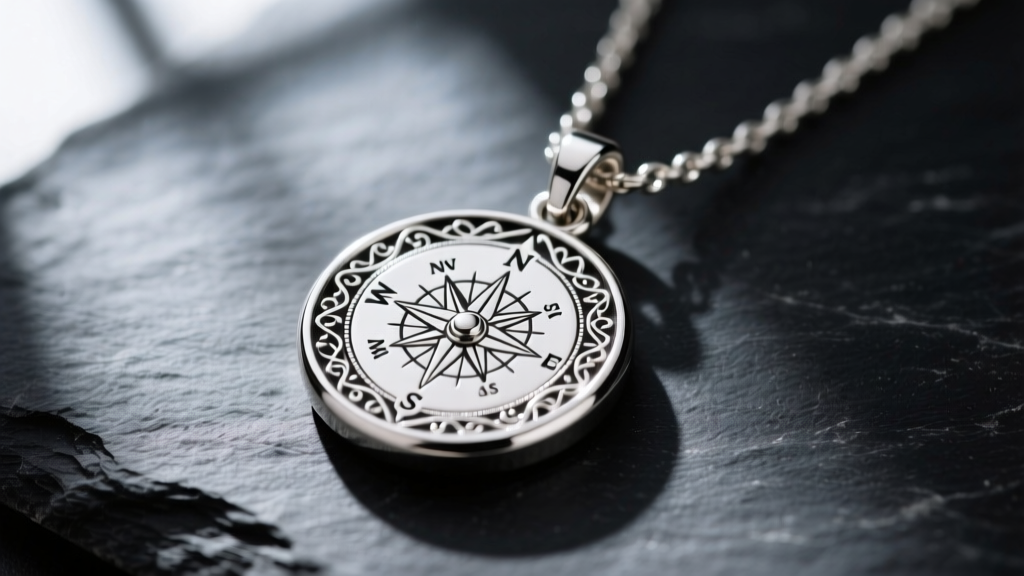
The pendant is the focal point of the necklace. For nieces, sentimental motifs like compasses (symbolizing guidance), trees of life (symbolizing family roots), or simple initial discs are timeless choices that transcend fleeting fashion trends.
If you plan to add a custom engraving to the back of the pendant, you must consider the physical limitations of the jewelry. A standard 10mm disc pendant can comfortably fit up to 10 characters using a laser-engraved script font. If you need to engrave a longer message or a specific date, you must scale up to a 15mm or 20mm pendant, or opt for a rectangular bar pendant which offers a larger surface area for text.
Always request laser engraving over rotary (diamond-tip) engraving. Laser engraving is precise, does not remove significant metal mass, and creates a dark, high-contrast mark that is much easier to read on small pendants.
Budgeting and Pricing Tiers
Understanding the realistic pricing for fine jewelry will help you avoid overpaying for branded markup or underpaying for counterfeit materials. Here is what you should expect to spend on a quality niece necklace in the current market:
- $40 - $90 (Titanium & Sterling Silver): Expect to pay in this range for ASTM F136 titanium chains with simple pendants, or heavy-duty 925 sterling silver pieces coated in rhodium to prevent tarnishing.
- $150 - $350 (10k - 14k Solid Gold): This is the sweet spot for a durable, lifelong piece. This price range covers a 14k solid gold cable chain (14-16 inches) and a small, solid gold charm or bezel-set birthstone.
- $500+ (18k Gold & Platinum): Reserved for milestone gifts (Sweet 16, graduation). This tier includes heavier chain weights (1.5mm+), larger gemstones, and premium platinum settings.
Final Pre-Purchase Checklist
Before you finalize your order, run through this quick quality-assurance checklist to ensure the necklace meets all safety and durability standards:
- Verify the Metal Stamp: Look for "14k", "18k", "925", or "PT950" stamped on the clasp or jump ring. Avoid pieces with no stamp or stamps like "18kGP" (gold plated).
- Check the Jump Ring: The jump ring connecting the pendant to the chain should be soldered shut or feature a secure split-ring mechanism to prevent the charm from sliding off.
- Inspect the Clasp Spring: If buying in person, flick the lobster clasp lever. It should snap back instantly and forcefully. A sluggish return indicates a weak internal spring.
- Confirm the Return Policy: Ensure the jeweler offers at least a 30-day return window in case the chain length is incorrect or the recipient experiences an unexpected metal sensitivity.
By prioritizing material integrity, safety mechanisms, and age-appropriate proportions, you can give your niece a beautiful piece of jewelry that she will wear with pride for decades to come.


