The Chunky Choker Necklace: A Beginner's Styling Guide
Master the chunky choker necklace with our beginner's guide. Learn exact sizing, material weights, clasp types, and neckline pairings.
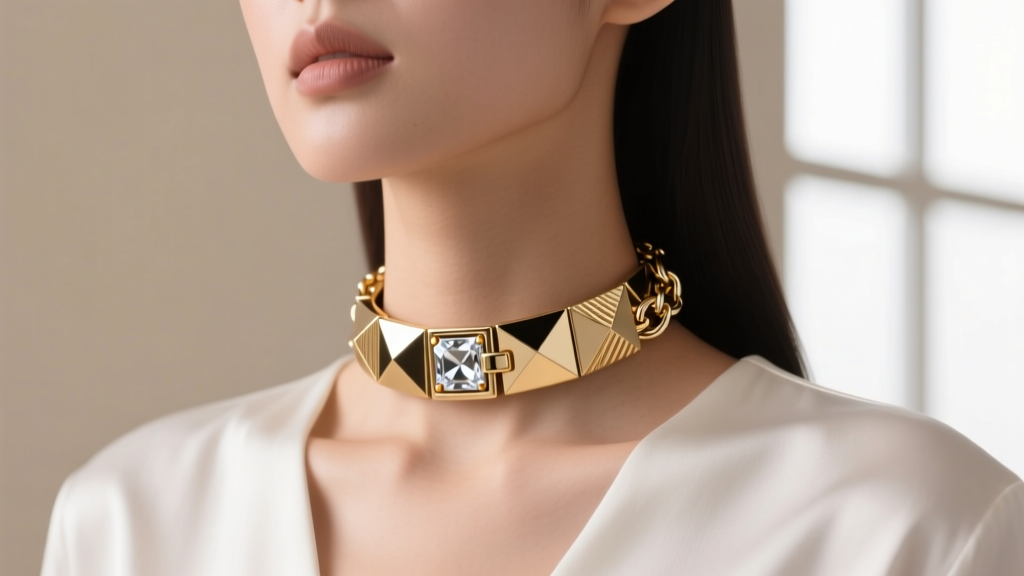

The world of statement neckwear can feel intimidating, especially when navigating bold, architectural pieces. However, the chunky choker necklace has evolved far beyond its 1990s grunge origins. In 2026, it stands as a sophisticated, versatile staple in modern jewelry wardrobes, championed by high-fashion runways and minimalist streetwear alike. Whether crafted from high-shine gold vermeil, bio-acetate, or sculptural resin, a well-chosen thick choker instantly elevates a basic outfit into a curated ensemble.
Yet, beginners often struggle with the mechanics of wearing heavy neckwear. How tight should it be? Which clasps prevent breakage? What necklines actually work? This comprehensive guide breaks down the exact specifications, material grades, and styling matrices you need to confidently rock a chunky choker necklace.
What Qualifies as a Chunky Choker Necklace?
To shop effectively, you must understand the dimensional thresholds that separate a standard choker from a 'chunky' one. A traditional choker sits snugly at the base of the neck, typically measuring 14 to 16 inches in length. The 'chunky' designation, however, refers to the width and visual weight of the links or band.
- Width: A true chunky choker features links, bands, or beads that are at least 15mm (approx. 0.6 inches) wide. Statement pieces often exceed 30mm.
- Weight: While a delicate chain weighs under 10 grams, a chunky metal choker typically ranges from 45g to over 120g. This weight drastically changes how the piece drapes and what kind of clasp is required.
- Profile: Chunky designs often feature a flat or semi-tubular profile (like Cuban or curb links) to ensure they lay flush against the collarbone without flipping over.
The Sizing Matrix: Getting the Fit Right
The most common mistake beginners make is buying a standard 14-inch choker in a chunky width. Because thick links have less flexibility and take up more interior volume, a 14-inch heavy chain will feel like a tourniquet. You must account for the 'interior diameter loss' caused by thick metal or resin.
The Two-Finger Rule: When measuring for a chunky choker necklace, you should be able to comfortably slide two stacked fingers between the thickest part of the chain and your collarbone. This allows for natural neck movement and prevents the metal from pinching your skin when you look down.
Sizing Chart Based on Chain Width
| Actual Neck Circumference | Chain Width (15mm - 25mm) | Chain Width (25mm+) | Recommended Fit Profile |
|---|---|---|---|
| 12 - 13 inches | 14.5 inches | 15.5 inches | Snug, sits at the hollow of the throat |
| 13 - 14 inches | 15.5 inches | 16.5 inches | Standard choker, comfortable daily wear |
| 14 - 15 inches | 16.5 inches | 17.5 inches | Relaxed collarbone sit (Princess length) |
Pro-Tip: Always purchase chunky chains that include a 2-inch extender chain. The added weight of a thick chain can cause it to slide backward, and an extender allows you to adjust the center of gravity.
Material Weights and Wearability
The material of your chunky choker necklace dictates not only its price point but its all-day wearability. Heavy metals can cause neck fatigue, while modern synthetics offer bold looks without the strain.
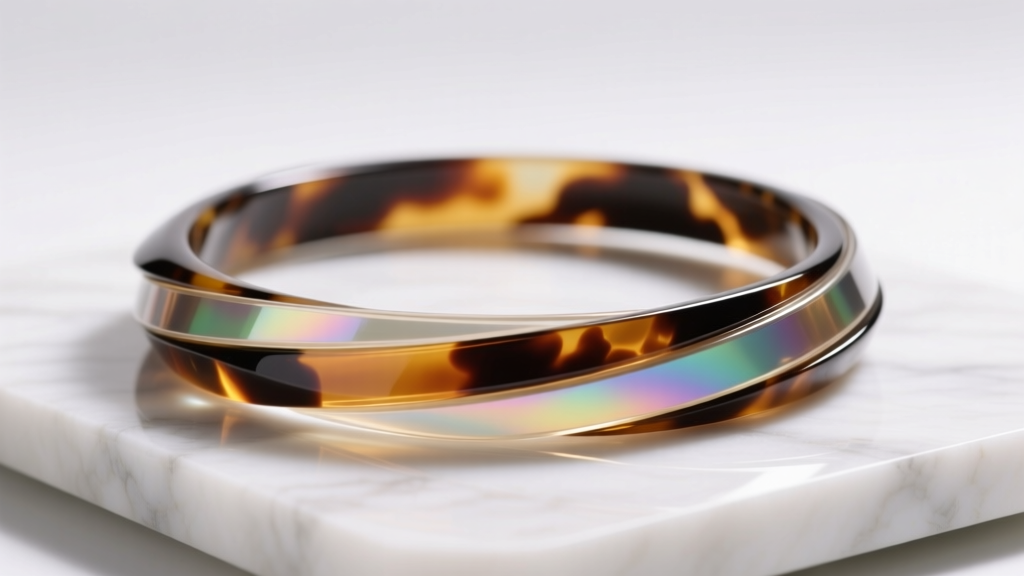
1. Bio-Acetate and Resin
In 2026, bio-acetate (made from wood pulp and cotton fibers rather than petroleum) is the gold standard for thick, sculptural jewelry. Brands utilizing Mazzucchelli bio-acetate can create 30mm wide chokers that weigh less than 25 grams. Resin is another lightweight alternative, though it is more prone to micro-scratches. These materials are ideal for beginners who want the visual impact of a massive chain without the physical burden of solid metal.
2. 14k and 18k Gold Vermeil
If you prefer the warmth and prestige of metal, gold vermeil is your best entry point. By FTC and Gemological Institute of America (GIA) standards, vermeil must consist of a sterling silver base plated with at least 2.5 microns of 10k, 14k, or 18k gold. A 20-inch, 20mm wide Cuban link vermeil choker will weigh roughly 85 grams. It provides a luxurious, heavy drape that feels substantial but won't break the bank like solid 14k gold, which could easily exceed $4,000 for the same dimensions.
3. Surgical Stainless Steel
For a cooler, industrial aesthetic, 316L surgical stainless steel is virtually indestructible and hypoallergenic. However, it is incredibly dense. A chunky steel choker can easily surpass 150 grams. Beginners should reserve heavy steel pieces for short-term wear or evening events rather than 12-hour office days.
The Neckline Pairing Chart
A chunky choker necklace demands visual real estate. Pairing it with the wrong neckline creates clutter, while the right pairing frames the face beautifully. Use this matrix to plan your outfits.
| Neckline Type | Compatibility | Styling Rule & Rationale |
|---|---|---|
| Strapless / Tube | Excellent | Maximum skin exposure allows the thick chain to act as a standalone focal point without competing with fabric seams. |
| Deep V-Neck | Good | Ensure the bottom of the choker sits at least 2 inches above the vertex of the V. This creates a layered, cascading visual effect. |
| Scoop Neck | Excellent | The curved hem of a scoop neck perfectly mirrors the circular drape of a choker, creating harmonious, balanced geometry. |
| Crew Neck / T-Shirt | Poor | The thick ribbed collar of a crew neck fights for the same space as the choker, resulting in a choked, cluttered aesthetic. |
| Collared Button-Down | Stylistic | Wear the choker under the popped collar for a preppy-meets-punk contrast, or over a fully unbuttoned silk shirt. |
Clasp Engineering for Heavy Pieces
The weakest point of any heavy necklace is the clasp. Standard spring-ring clasps are entirely insufficient for a chunky choker necklace weighing over 50 grams; the tension will eventually warp the ring, leading to a lost piece. When shopping, inspect the clasp hardware closely.
- Lobster Clasps: Acceptable only if they are 'heavy-duty' or 'trigger' style, measuring at least 15mm in length. They must be paired with a thick, soldered jump ring, not a flimsy split ring.
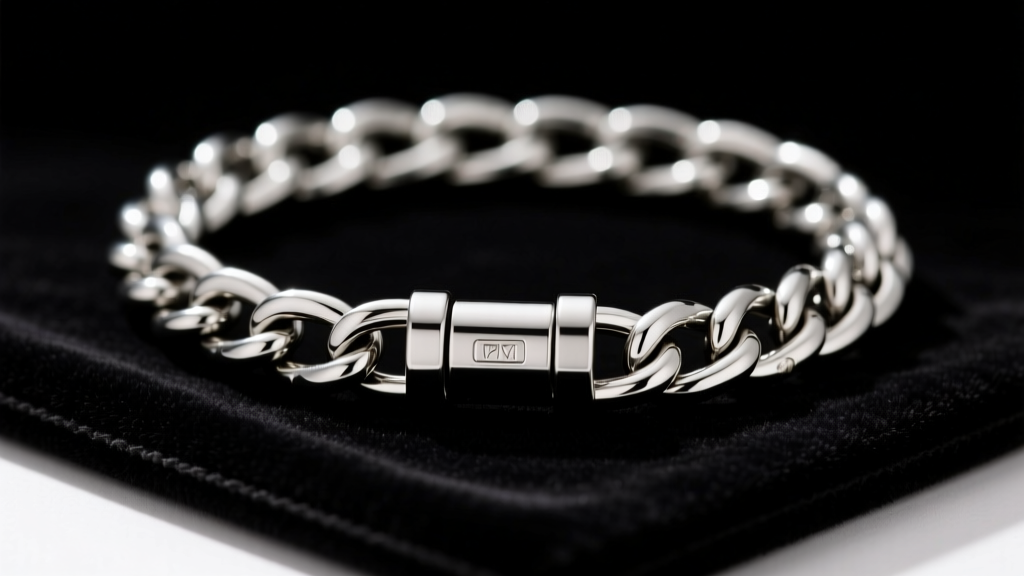
- Magnetic Barrel Clasps: The ultimate solution for heavy, chunky chains. High-quality neodymium magnetic clasps encased in stainless steel can withstand up to 15 pounds of pull force. They are incredibly easy to fasten behind your neck and prevent the hair-snagging common with lobster claws.
- Box Clasps with Safety Catches: Often found on high-end, wide-link chains. The tongue-and-groove mechanism provides a secure, seamless look that maintains the continuous pattern of the chain.
Maintenance and Tarnish Prevention
Because chunky chokers sit directly against the pulse points of the neck, they are highly exposed to sweat, perfumes, and body oils. Proper maintenance is non-negotiable to preserve the finish.
The 2026 Storage Standard: Never toss a heavy chain into a communal jewelry box. The sheer weight of a chunky choker will crush delicate rings and scratch softer gemstones. Always store heavy neckwear flat in a dedicated, anti-tarnish flannel pouch.
For gold vermeil and silver pieces, wipe the links down with a dry, lint-free microfiber cloth after every wear to remove acidic oils. According to jewelry care experts at The Spruce Crafts, using liquid silver dips or harsh chemical polishes on vermeil will strip the gold micron plating entirely. If your bio-acetate choker loses its luster, a tiny drop of mineral oil rubbed in with a soft cloth will restore its deep, tortoiseshell shine instantly.
Mastering the chunky choker necklace is about understanding the intersection of weight, proportion, and hardware. By selecting the right interior diameter, prioritizing ergonomic clasps, and pairing it with complementary necklines, you can transform this bold accessory into your most reliable signature piece.


