The Dog Collar Necklace: 2026 Trend & Styling Guide
Explore the 2026 dog collar necklace trend. Discover expert styling tips, hardware guides, and material breakdowns for this bold statement choker.

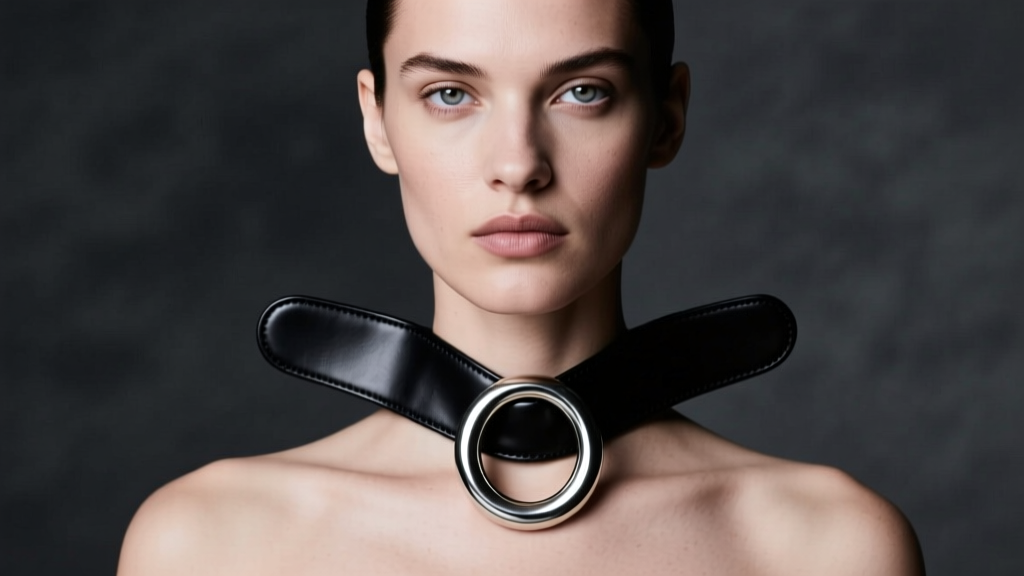
The dog collar necklace has officially graduated from underground subculture to the upper echelons of high fashion and luxury streetwear. Once confined to the punk and goth scenes of the 1970s and 1990s, this bold hardware-accented choker has been reimagined for 2026. Today's iterations blend neo-industrial aesthetics with premium materials, making them a versatile staple for both editorial shoots and elevated everyday wear. As a cornerstone of the modern statement jewelry market, understanding the nuances of its construction, fit, and styling is essential for any serious jewelry collector or trend forecaster.
The Evolution of the Hardware Choker
To understand the current landscape, we must look at the historical trajectory of the choker. As noted by BBC Culture, the choker has cyclically returned to fashion as a symbol of rebellion and empowerment. In the 1990s, the dog collar silhouette was heavily popularized by grunge and alternative scenes, often utilizing cheap materials and basic O-rings. However, the 2026 revival is defined by luxury hardware. Designers are now treating the functional elements—the D-rings, buckles, and clasps—as the primary focal point, utilizing architectural metalwork and high-end alternative leathers to bridge the gap between edgy and elegant.
Material & Hardware Breakdown: What to Look For
When investing in a dog collar necklace, the material composition dictates both the longevity of the piece and its comfort on the skin. The market is currently saturated with fast-fashion alternatives that fail within months. Here is a critical breakdown of what to seek out and what to avoid.
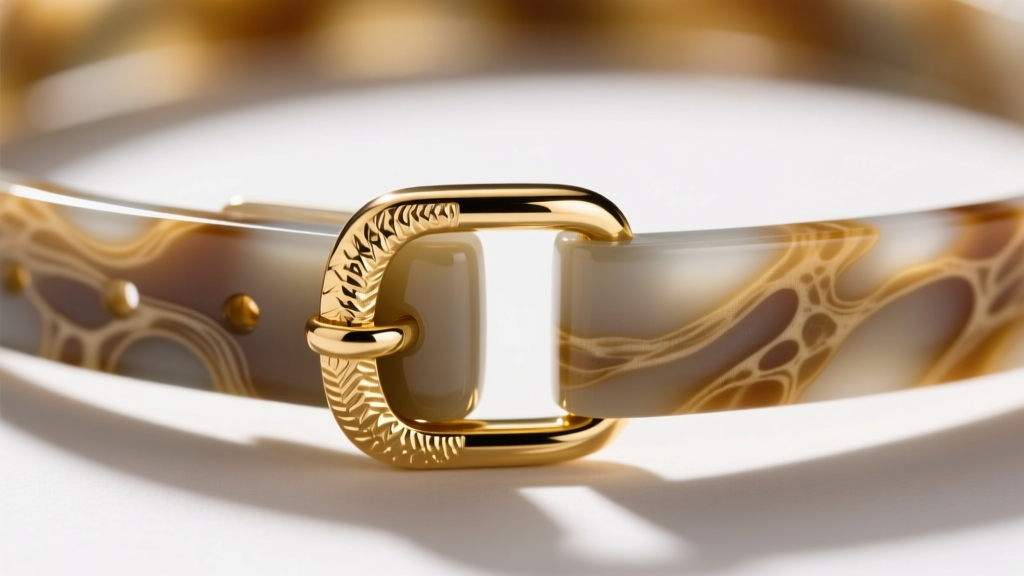
The Hardware: Steel vs. Alloy
The most common failure mode in budget necklaces is the use of zinc alloy hardware. Zinc alloy suffers from galvanic corrosion when exposed to skin acidity and humidity, leading to pitted metal surfaces and the dreaded green skin effect within weeks. For 2026, the industry standard for premium pieces is 316L surgical stainless steel, often finished with PVD (Physical Vapor Deposition) coating for matte black or gunmetal hues. PVD coating is vastly superior to traditional electroplating, offering scratch resistance and preventing tarnish for years.
The Band: Next-Gen Alternatives
While traditional calfskin leather remains a luxury staple, sustainable alternatives have dominated the 2026 market. Cactus leather (Desserto) and apple leather offer the exact tensile strength and supple drape of animal hide but with a significantly lower environmental footprint. According to insights from the Gemological Institute of America (GIA), when these alternative leathers are paired with 14k gold vermeil or solid gold hardware, the resulting piece achieves fine jewelry status rather than mere costume accessory.
| Band Material | Hardware Grade | Price Range | Durability & Notes |
|---|---|---|---|
| Cactus Leather | 316L PVD Steel | $85 - $160 | High. Water-resistant, vegan, retains shape. |
| Bio-Resin | 14k Gold Vermeil | $120 - $250 | Medium. Rigid, sculptural, avoid high heat. |
| Velvet Ribbon | Zinc Alloy | $25 - $45 | Low. Prone to fraying and metal tarnishing. |
| Full Chainmail | Solid 18k Gold | $800 - $2,500+ | Very High. Heirloom quality, heavy drape. |
Sizing, Fit, and Clasp Mechanics
The term "dog collar" in jewelry refers to a specific width and fit, typically ranging from 1.0 to 2.5 inches in height, sitting flush against the lower neck. Proper sizing is non-negotiable; a piece that is too tight will restrict movement and cause skin irritation, while one that is too loose will fail to support the weight of the central O-ring hardware.
Chain Gauge and Drape
If your chosen design features dangling chains attached to the central ring, pay close attention to the wire gauge. Look for 12-gauge or 14-gauge stainless steel chain accents for a heavy, authentic drape. Avoid flimsy 20-gauge or 22-gauge fashion chains, which tangle easily, catch on hair, and visually cheapen the heavy leather band they are attached to.
Magnetic vs. Buckle Closures
- Traditional Pin Buckles: Offer the most authentic, adjustable fit. However, they require two hands and a mirror to fasten securely, making them cumbersome for daily wear.
- Neodymium Magnetic Clasps: The 2026 innovation of choice. High-end brands now use N52-grade neodymium magnets encased in steel housings. These provide a secure, satisfying "snap" closure that holds up to 15 lbs of tensile force, allowing for effortless one-handed fastening without sacrificing security.
- Hidden Hinges: A premium feature where the band opens on a heavy-duty steel hinge on one side and clasps on the other, maintaining a seamless, unbroken circle of material around the neck.
2026 Styling Framework: Necklines & Occasions
Styling a dog collar necklace requires a strategic approach to necklines. Because the piece occupies significant visual real estate and features heavy, reflective hardware, it must be balanced against the garment's architecture.

The Neckline Matrix
- The Plunging V-Neck: This is the ultimate pairing. The deep negative space of a V-neck blouse or dress draws the eye downward, while the heavy O-ring of the collar anchors the look at the collarbone. The contrast between delicate skin and industrial hardware is visually striking.
- The Structured Blazer: For a high-fashion, avant-garde office look, pair a slim (0.75-inch) matte black leather collar with a sharp-shouldered blazer. Leave the top button of the blazer undone to let the hardware peek through.
- The Off-Shoulder Knit: A wider, 2-inch bio-resin or velvet collar grounds the softness of an exposed shoulder. Ensure the collar sits exactly at the base of the neck to avoid crowding the jawline.
- The High Turtleneck: Proceed with caution. Layering a thick collar over a chunky knit turtleneck often results in a cluttered silhouette. If you must layer, opt for a micro-cashmere base and a minimalist metal-ring design.
"The key to wearing heavy hardware in 2026 is restraint. Let the dog collar necklace be the undisputed focal point of your upper half. Strip away statement earrings and opt for minimalist ear cuffs or simple diamond studs to let the neck piece command the room."
— Editorial Jewelry Stylist, Paris Fashion Week SS26
Care and Maintenance for Mixed Media
Maintaining a dog collar necklace requires addressing both the metal and the band material, as they react differently to environmental factors.
For PVD-Coated Steel and Vermeil: Never use ultrasonic jewelry cleaners or harsh chemical dips. These will strip the PVD coating and dissolve the gold layer on vermeil. Instead, use a dry, untreated microfiber cloth to buff away skin oils after each wear. If tarnish occurs on vermeil, use a mild, phosphate-free dish soap and warm water, drying immediately with a soft towel.
For Vegan and Cactus Leathers: Unlike animal leathers, cactus and apple leathers do not require heavy animal-fat conditioners, which can actually degrade their bio-polymer topcoats. Wipe them down with a slightly damp cloth and, once every few months, apply a specialized vegan leather protectant spray to maintain water resistance and prevent micro-cracking along the buckle holes.
By understanding the material science, precise sizing, and styling architecture behind the modern dog collar necklace, you can confidently integrate this powerful trend into your wardrobe. It is no longer just a rebellious accessory; it is a masterclass in contemporary industrial design and personal expression.


