Heart of Te Fiti Necklace Moana: Repair & Care Guide
Troubleshoot common issues with your heart of te fiti necklace moana replica. Learn how to fix broken spirals, stop tarnishing, and upgrade.

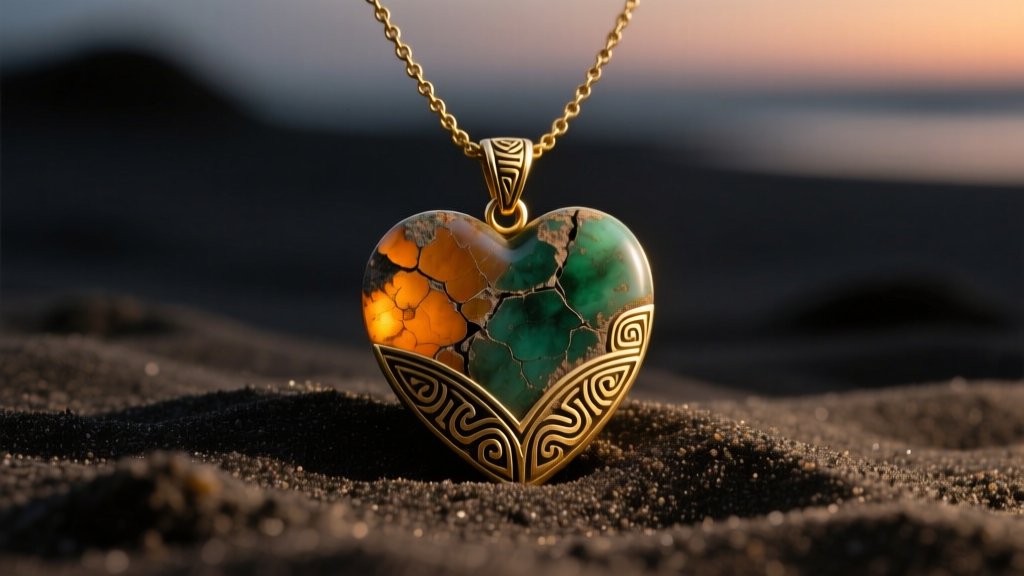
The Anatomy of a Heart of Te Fiti Necklace Moana Replica
The heart of te fiti necklace moana is more than just a piece of movie merchandise; for many fans, cosplayers, and jewelry lovers, it is a daily wearable symbol of creation and life. However, the reality of mass-produced fandom jewelry is that it often falls short of fine jewelry standards. Whether you purchased an official replica from the Disney Store or a handmade interpretation from an independent artisan, these pendants are subjected to sweat, friction, and environmental moisture that can quickly lead to structural failure.
To effectively troubleshoot your necklace, you must first understand its metallurgical makeup. Most official and licensed replicas are cast from Zamak—a zinc alloy blended with aluminum, magnesium, and copper. Zamak is excellent for capturing the intricate, organic textures of the Te Fiti spiral mold, but it is highly susceptible to intergranular corrosion when exposed to the chlorides found in human sweat. The 'stone' portion is rarely a real gemstone; it is typically a cold epoxy enamel painted into a recessed cavity, which introduces its own set of vulnerabilities.
Troubleshooting Common Pendant Failures
When your pendant begins to show signs of wear, it is crucial to diagnose the exact failure mode before attempting a repair. Applying the wrong adhesive or cleaning method can permanently ruin the piece.
1. The Spiral Center Detachment
The most frequent complaint with the heart of te fiti necklace moana design is the center spiral popping out. In many cast replicas, the spiral is not a continuous part of the main pour. It is a separate wire or cast piece secured into the back of the pendant using cyanoacrylate (super glue) or a weak jeweler's epoxy. Over time, body heat and acidic sweat break down this adhesive bond.
- The Flawed Fix: Re-gluing with standard household superglue. This creates a brittle bond that will fail again within weeks and can leave a white, cloudy residue on the gold plating.
- The Expert Fix: Clean both the spiral backing and the pendant cavity with 90% isopropyl alcohol. Apply a jewelry-grade, two-part clear epoxy (such as Devcon 5-Minute Epoxy) using a toothpick. Clamp it gently with a silicone-tipped tweezers and let it cure for 24 hours. For solid metal custom pieces, take it to a local bench jeweler for a quick laser weld.
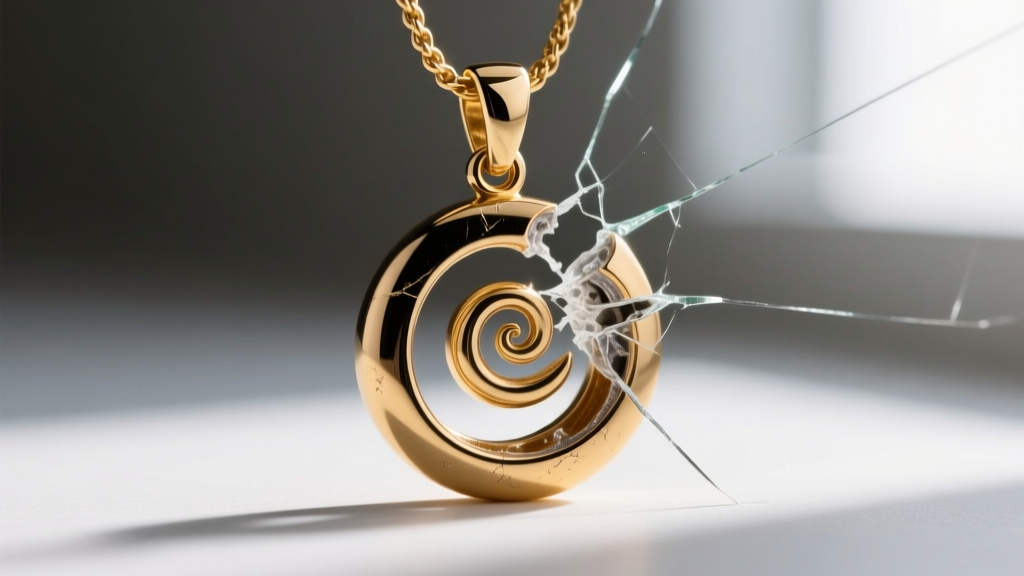
2. Bail Snapping and Jump Ring Failure
The bail—the loop that connects the pendant to the chain—is a high-stress pivot point. Zamak alloys are inherently brittle and lack the tensile strength of forged metals. If you wear your necklace while sleeping or exercising, the lateral torque can snap a cast bail cleanly off. Furthermore, the jump ring connecting the bail to the chain is often made of soft, thin-gauge brass that easily pulls apart.
Solution: If the bail snaps, a jeweler can solder a new sterling silver or stainless steel soldered bail onto the back of the pendant. To prevent jump ring failure, immediately replace the factory split ring with a 5mm outer-diameter, 18-gauge stainless steel or sterling silver closed jump ring. Never use open, unsoldered jump rings for heavy pendants.
Chain Tangles, Cord Fraying, and Skin Discoloration
The chain or cord accompanying your heart of te fiti necklace moana pendant is just as critical as the pendant itself. Many replicas ship with either a faux-leather cord or a thin, hollow brass chain. Both present significant problems.
Faux-leather cords degrade rapidly when exposed to water, leading to peeling and eventual snapping. Thin brass chains are notorious for tangling due to their lightweight nature and lack of structural rigidity. Worse, the copper content in brass reacts with the sulfur and salts on your skin, leaving a distinct green or black stain on your neck.
Upgrading Your Suspension System
According to jewelry maintenance guidelines from Jewelrywise, matching the chain's tensile strength to the pendant's weight is vital for longevity. The Te Fiti pendant is surprisingly dense. Here is how to upgrade your chain based on your aesthetic preference:
- For the Islander Look: Discard the faux leather and upgrade to a 2mm genuine braided leather cord with a stainless steel barrel clasp. Treat the leather annually with a light coat of mink oil to prevent drying and cracking.
- For Everyday Durability: Swap the brass chain for a 1.5mm 925 sterling silver rope chain. The twisted links of a rope chain resist tangling far better than standard cable chains, and the sterling silver will not turn your skin green.
Material Upgrades: Moving Beyond Cheap Alloys
If your original necklace has suffered catastrophic corrosion—where the Zamak itself is pitting, flaking, or turning to a chalky white powder—it is time to consider a material upgrade. Many independent jewelers and cosplay prop makers offer the heart of te fiti necklace moana design in superior metals using the lost-wax casting method.
| Material | Durability | Corrosion Resistance | Price Range (2026) | Best For |
|---|---|---|---|---|
| Zamak (Zinc Alloy) | Low | Poor (Pits with sweat) | $15 - $35 | Occasional cosplay |
| Solid Bronze | High | Moderate (Develops patina) | $60 - $120 | Rustic, authentic island aesthetic |
| 925 Sterling Silver | Very High | High (Easily polished) | $150 - $300+ | Daily wear, fine jewelry lovers |
| Solid 14k Gold | Exceptional | Exceptional | $800+ | Heirloom pieces, luxury gifts |

Bronze is particularly popular for this specific design because it naturally develops a warm, earthy patina over time, mimicking the ancient, weathered look of a relic pulled from the ocean. However, if you have high skin acidity, bronze can still leave temporary marks. Sterling silver remains the ultimate choice for a hypoallergenic, lifelong piece.
Restoring and Cleaning Your Te Fiti Spiral
Cleaning a heart of te fiti necklace moana replica requires a delicate touch, primarily because of the cold enamel used to simulate the glowing green stone. Ultrasonic jewelry cleaners, which use high-frequency sound waves to agitate a cleaning solution, will shatter or cloud cold enamel in a matter of seconds. Similarly, commercial silver dips contain harsh acids that will strip the gold-tone plating right off a Zamak base.
The Safe Cleaning Protocol
- Prepare a Mild Bath: Mix a few drops of phosphate-free dish soap (like Dawn) into a bowl of lukewarm distilled water. Avoid tap water, as the chlorine and fluoride can react with exposed base metals.
- Agitate Gently: Submerge the pendant for no more than three minutes. Use a baby toothbrush with extra-soft bristles to gently sweep away dead skin cells and lotion buildup from the deep crevices of the spiral.
- Rinse and Dry: Rinse under a gentle stream of distilled water. Immediately pat dry with a microfiber cloth. Do not air dry, as water spots will form on the gold plating.
- Polish with Caution: If the metal is tarnished, use a dry, untreated jewelry polishing cloth. Never use liquid polishes or abrasive pastes near the enamel stone.
Jeweler's Tip: To protect the gold-tone plating on a Zamak heart of te fiti necklace moana pendant from future sweat damage, apply a microscopically thin layer of Renaissance Wax to the metal surfaces using a cotton swab. This museum-grade microcrystalline wax creates an invisible barrier against moisture and oxygen, significantly extending the life of the plating without altering the pendant's shine.
By understanding the material limitations of your necklace and proactively addressing weak points like the bail, the spiral adhesive, and the chain hardware, you can ensure your Heart of Te Fiti remains a beautiful, enduring tribute to Moana's journey for years to come.


