Chunky Shell Necklace Value Guide 2026: Price & Quality
Is your chunky shell necklace a $15 fast-fashion flop or an $80 artisan treasure? Our 2026 value guide breaks down materials, pricing, and durability.

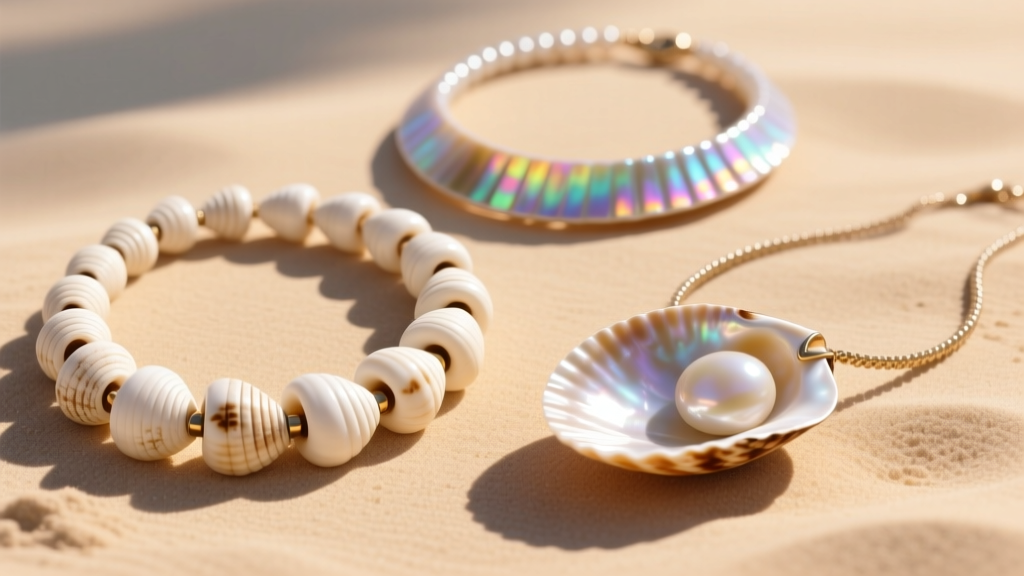
The chunky shell necklace has firmly cemented its place in modern jewelry, evolving far beyond its mid-century surf-culture origins into a staple of contemporary layering. However, as the trend has peaked, the market has been flooded with everything from $12 fast-fashion imitations to $300 luxury designer pieces. For the discerning buyer in 2026, separating genuine artisan value from overpriced costume jewelry requires a deep understanding of organic materials, stringing engineering, and hardware grades.
In this comprehensive budget and value assessment, we dissect the true cost of a chunky shell necklace, examining material grades, failure modes, and pricing tiers to help you make an informed investment.
The Anatomy of a High-Value Chunky Shell Necklace
The visual appeal of a shell necklace is only half the equation; the structural engineering dictates its lifespan. The most common failure point in budget shell jewelry is the stringing material.
Stringing Materials: The Hidden Cost
- Elastic Cord (Budget Tier): Often used in sub-$20 necklaces. Elastic degrades rapidly when exposed to sweat, UV light, and the friction of rough shell edges. Expect a lifespan of 3 to 6 months before catastrophic snapping.
- Cotton or Nylon Thread (Mid-Tier): Better than elastic, but susceptible to rot and fraying. If the shells are not perfectly tumbled, the sharp inner edges of the drill holes will saw through cotton thread within a year.
- 49-Strand Nylon-Coated Stainless Steel Wire (Premium Tier): The gold standard for heavy organic jewelry. A .019-inch or .024-inch diameter wire (such as Soft Flex) provides the necessary drape while resisting the abrasive cutting action of shell edges. This material will easily outlast the shells themselves.
Hardware and Clasps
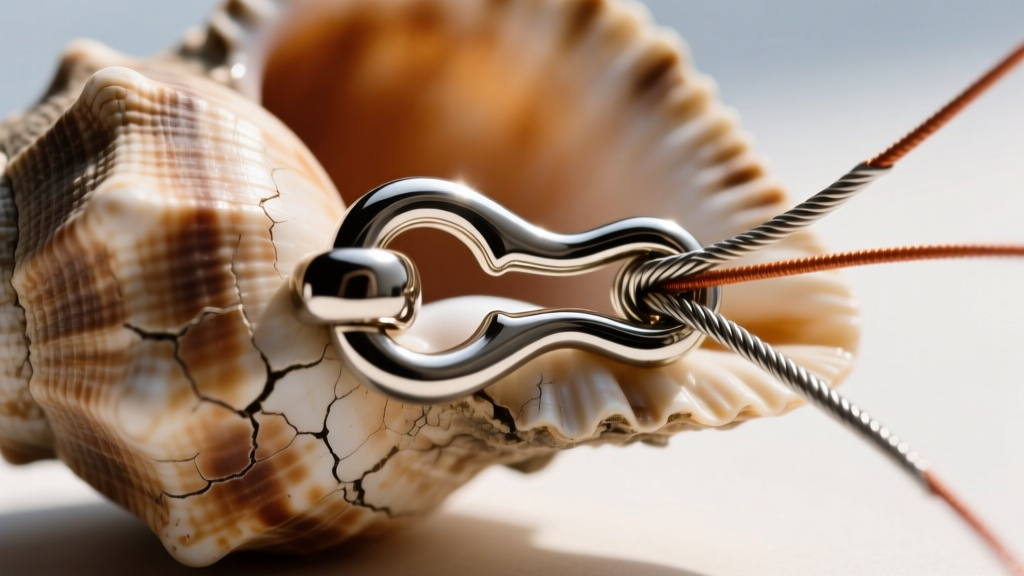
A heavy chunky cowrie or conch shell necklace can weigh upwards of 80 grams. Budget pieces use cast zinc alloy or hollow brass lobster clasps, which bend under the weight and cause the jump rings to pull apart. High-value pieces utilize solid 316L surgical stainless steel or 14k/18k gold-filled hardware, secured with crimp beads and wire guardians to prevent metal-on-metal fatigue.
Material Breakdown: Natural Shells vs. Synthetic Imposters
According to the Gemological Institute of America (GIA), organic gems like shell require specific identification to distinguish them from synthetic simulants. The term 'puka' is frequently misused in the budget market.
| Material | Origin | Weight | Price Indicator | Durability (Mohs) |
|---|---|---|---|---|
| Genuine Puka | Cone Snail (Naturally occurring holes) | Medium | $$ - $$$ | 2.5 - 3.0 |
| Heishi 'Puka' | Clam Shell (Machine drilled and tumbled) | Medium | $ | 2.5 - 3.0 |
| Cowrie Shell | Marine Snail (Polished dorsal side) | Heavy | $$ | 3.0 |
| Mother of Pearl | Nacreous inner layer of mollusks | Light/Medium | $$$ | 2.5 - 3.5 |
| Acrylic/Resin | Petroleum-based synthetic mold | Very Light | $ | 2.0 (Scratches easily) |
True puka shells are the naturally occurring, cone-shaped tops of cone snails, smoothed by the ocean and featuring a naturally convex/concave shape with an off-center hole. If a 'puka' necklace is perfectly flat, uniformly thick, and features a laser-centered drill hole, you are looking at machine-cut clam shell (heishi) or stamped bone, which holds significantly less intrinsic value.
2026 Pricing Tiers: What Are You Actually Paying For?
When assessing the budget for a chunky shell necklace, the market is distinctly segmented into three tiers. Understanding these tiers prevents you from paying luxury prices for fast-fashion materials.
Tier 1: Fast Fashion & Mass Market ($12 - $28)
At this price point, you are paying for the aesthetic, not the longevity. These necklaces typically feature machine-tumbled clam shells or injection-molded acrylic, strung on elastic or thin cotton. The hardware is usually plated brass or alloy, which will oxidize and turn the skin green upon contact with saltwater or sweat. Value Verdict: Treat as seasonal costume jewelry. Do not expect it to survive more than one summer.
Tier 2: Artisan & Mid-Market ($45 - $110)
This is the sweet spot for genuine value. Artisans in this tier use ethically sourced, hand-selected natural shells (genuine puka, polished cowrie, or carved mother of pearl). The stringing relies on nylon-coated steel wire, and the clasps are solid stainless steel or heavily plated gold vermeil. The drill holes are often hand-finished to remove abrasive burrs. Value Verdict: Excellent cost-per-wear ratio. These pieces can last 5 to 10 years with proper care.
Tier 3: Luxury & Designer ($150 - $450+)
In the luxury tier, you are paying for brand prestige, proprietary custom-cast hardware (often in solid 14k or 18k gold), and flawless gem-grade shell selection. Mother of pearl pieces in this tier may feature intricate hand-carving or diamond accents. Value Verdict: Diminishing returns on the organic material itself, but high value if you prioritize solid precious metals and brand heritage.
Durability, Failure Modes, and Maintenance
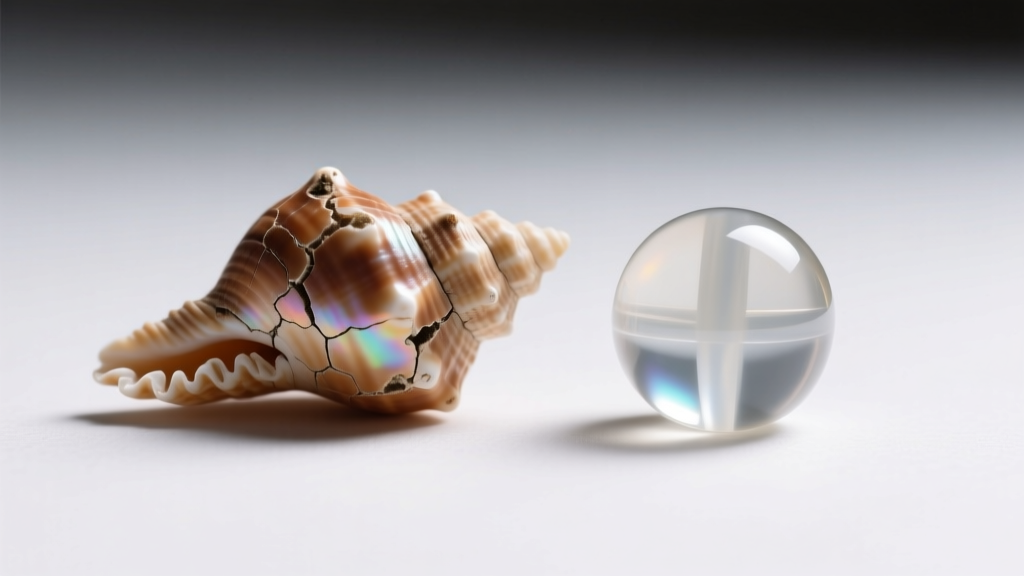
Shells are primarily composed of calcium carbonate, making them highly susceptible to acidic environments and physical abrasion. The Federal Trade Commission (FTC) Jewelry Guides mandate accurate material representation, but they do not protect consumers from poor structural engineering.
Common Failure Modes
- Edge Chipping: Shells with a Mohs hardness of 2.5 to 3.0 are softer than quartz (sand). Storing a chunky shell necklace loosely in a jewelry box where it rubs against other metals will result in micro-chipping along the edges.
- Wire Kinking: If a nylon-coated steel wire is bent at a sharp 90-degree angle near the clasp, the internal steel strands will fracture, leading to a sudden snap.
- Chemical Etching: Exposure to chlorine (pools), acidic sweat, or vinegar-based cleaners will literally dissolve the calcium carbonate, leaving the shell dull, chalky, and pitted.
The Golden Rule of Shell Maintenance
Never put a shell necklace in an ultrasonic cleaner. The high-frequency vibrations will shatter the crystalline structure of the calcium carbonate. Instead, wipe the shells gently with a damp microfiber cloth after wear, and store the necklace laid flat or hung on a wide, padded hook to prevent stress on the stringing wire.
The Final Verdict: Your 2026 Value Assessment Checklist
Before purchasing a chunky shell necklace, run it through this rapid value-assessment checklist to ensure your budget is being allocated to quality, not just marketing:
- Inspect the Drill Holes: Are the edges smooth and countersunk, or rough and jagged? Rough holes will destroy the stringing material.
- Test the Weight: Genuine cowrie and conch shells have a dense, satisfying heft. Acrylic and hollow resin fakes feel unnaturally light and warm to the touch.
- Check the Clasp Markings: Look for '316L', '925', or '14k GF' stamped on the clasp. Unmarked hardware is almost certainly cheap zinc alloy.
- Examine the Knotting/Crimping: High-end pieces use wire guardians and crimp covers to protect the clasp loop. Bare wire looped directly through a jump ring is a hallmark of budget manufacturing.
Ultimately, a well-constructed chunky shell necklace is a testament to organic beauty and structural craftsmanship. By prioritizing premium stringing materials and genuine, well-finished shells over brand names, you can secure a timeless piece that delivers exceptional value for years to come.


