How to Clean and Care for Your Betsey Johnson Daisy Necklace
Learn expert care, cleaning, and storage tips to keep your Betsey Johnson daisy necklace sparkling. Protect enamel, rhinestones, and plated chains.

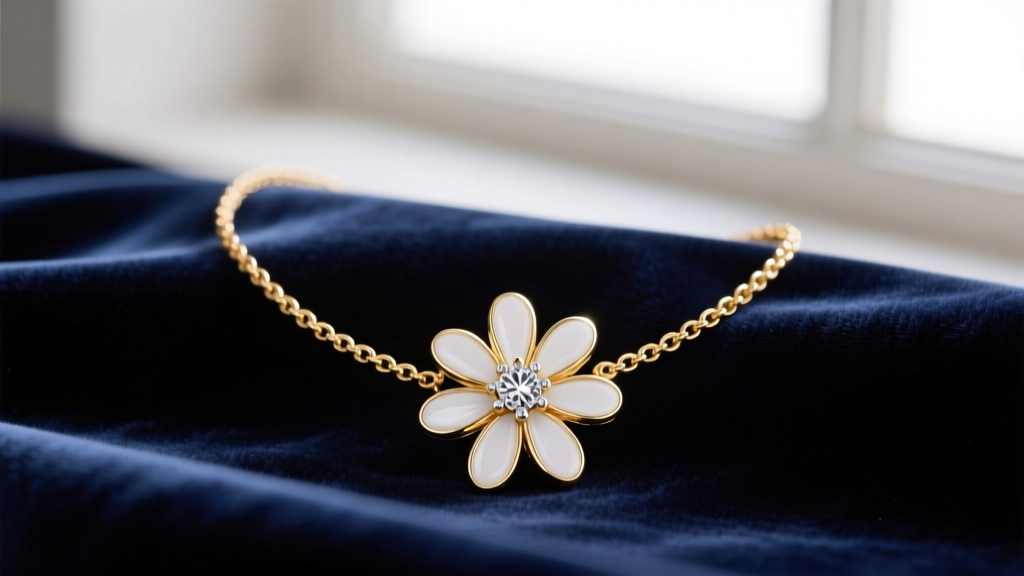
Betsey Johnson’s whimsical designs have been a staple in fashion jewelry for decades, and the iconic Betsey Johnson daisy necklace remains one of her most beloved and recognizable pieces. Characterized by its playful enamel petals, sparkling rhinestone centers, and delicate gold-tone or silver-tone chains, this necklace is a perfect statement piece for both casual and dressy occasions. However, because it is crafted from fashion jewelry materials rather than solid precious metals and gemstones, it requires a highly specific care regimen to maintain its vibrant colors and structural integrity.
Unlike fine jewelry, which can often withstand ultrasonic cleaners and harsh polishing compounds, fashion jewelry demands a gentle, preventative approach. In this comprehensive guide, we will break down the exact materials used in your daisy necklace, provide a step-by-step cleaning protocol, and share expert troubleshooting tips to extend the lifespan of your favorite accessory.
The Anatomy of Your Betsey Johnson Daisy Necklace
To properly care for your jewelry, you must first understand its composition. According to Betsey Johnson's official care guidelines, their fashion jewelry is crafted using a combination of base metals, electroplating, and decorative resins. Here is what makes up your daisy necklace:
- Base Metal & Plating: The chain and pendant backing are typically cast from a zinc alloy or brass base. They are then finished with an electroplated layer of gold-tone or silver-tone metal, usually ranging from 0.1 to 0.3 microns in thickness. This thin plating is highly susceptible to friction and chemical degradation.
- Cold Enamel: The vibrant white, yellow, or pink petals are not made from vitreous (glass) enamel, which requires extreme kiln temperatures. Instead, they use a cold epoxy resin enamel. While beautiful and highly pigmented, epoxy resin can chip upon impact and will degrade or cloud if exposed to alcohol-based perfumes or acetone.
- Rhinestones & Chatons: The center of the daisy and the chain accents feature glass or acrylic rhinestones. Crucially, these stones rely on a delicate metallic foil backing to create their signature sparkle. If water seeps beneath the stone's setting, this foil will oxidize and turn black, permanently ruining the stone's brilliance.
- Chain & Hardware: The necklaces typically feature 1.2mm to 1.5mm cable chains secured by a standard lobster claw clasp and a 2-inch extender chain.
Step-by-Step Cleaning Guide for Enamel and Rhinestones
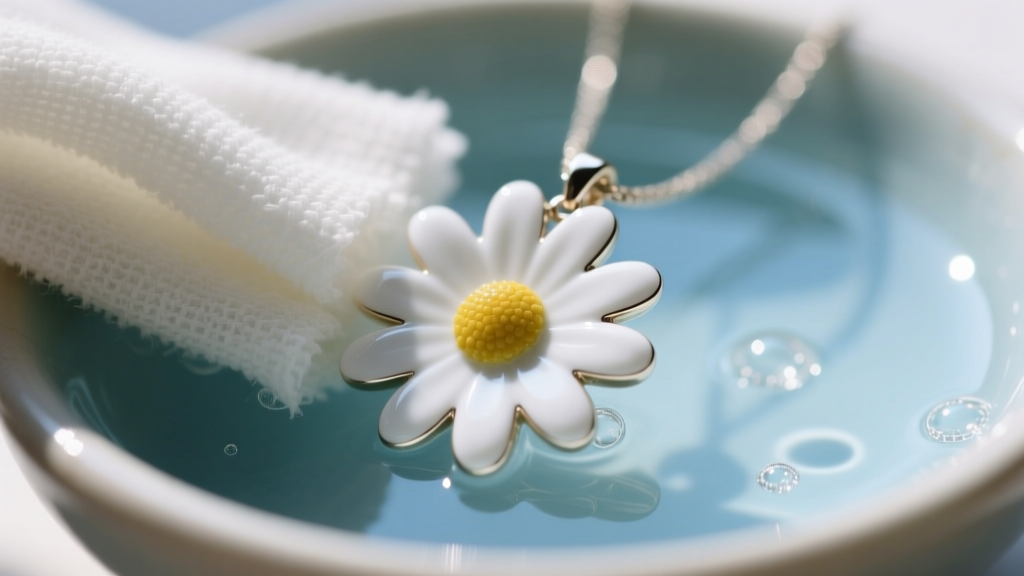
The golden rule of cleaning any Betsey Johnson piece is to never submerge it in water. Submersion guarantees that moisture will eventually breach the adhesive holding the rhinestones, destroying the foil backing. Instead, follow this targeted spot-cleaning method.
What You Will Need
- Ultra-soft microfiber jewelry cloth
- Cotton swabs (Q-tips)
- Distilled water (tap water contains minerals that can leave spots on the plating)
- Mild, lotion-free dish soap (such as original blue Dawn)
- A soft-bristled makeup brush (like a clean eyeshadow brush)
The Cleaning Process
- Dry Dusting: Before introducing any moisture, use the clean, soft-bristled makeup brush to gently sweep away loose dust, skin cells, and powder makeup from the crevices around the rhinestones and the lobster clasp.
- Prepare the Solution: Mix a single drop of mild dish soap into a small bowl of distilled water. You only need a slightly sudsy solution, not a heavy lather.
- Spot Clean the Enamel: Dip a cotton swab into the solution and dab it on a paper towel to remove excess moisture. The swab should be damp, not dripping. Gently roll the swab over the epoxy enamel petals to lift body oils and perfume residue.
- Wipe the Chain: Lightly dampen a corner of your microfiber cloth with the soapy solution. Pinch the chain between the cloth and gently pull it through to wipe away tarnish and skin oils. Avoid pulling the chain directly over the rhinestone settings.
- Dry Immediately: Use the dry portion of the microfiber cloth to immediately buff the chain and pendant. Ensure no moisture remains in the crevices of the clasp or beneath the stones.
Crucial Maintenance: Preventing Tarnish and Enamel Chips
Prevention is vastly superior to restoration when dealing with fashion jewelry plating. The Gemological Institute of America (GIA) notes that the primary culprits for plated jewelry degradation are sulfur in the air, humidity, and the natural acids in human sweat.
| Care Factor | The 'Do's' | The 'Don'ts' |
|---|---|---|
| Chemical Exposure | Apply perfume, hairspray, and lotions at least 15 minutes before putting on your necklace. | Never spray perfume directly onto the enamel or rhinestones; alcohol strips the epoxy finish. |
| Water & Sweat | Remove the necklace before showering, swimming, or engaging in heavy cardio workouts. | Do not wear the necklace in chlorinated pools or salt water, which will instantly pit the base metal. |
| Friction | Store the necklace flat or hanging to prevent the chain from rubbing against the pendant. | Avoid wearing the necklace under tight, abrasive winter scarves or rough wool sweaters. |
| Polishing | Use only a dry, untreated microfiber cloth for daily buffing. | Never use silver polish, jewelry dips, or baking soda pastes; these will strip the gold-tone plating. |
Proper Storage Techniques for Longevity
How you store your Betsey Johnson daisy necklace when it is not being worn dictates how long the plating and enamel will survive. Leaving the necklace exposed on a bathroom vanity or tossed into a communal jewelry box is a recipe for rapid tarnishing and tangled chains.
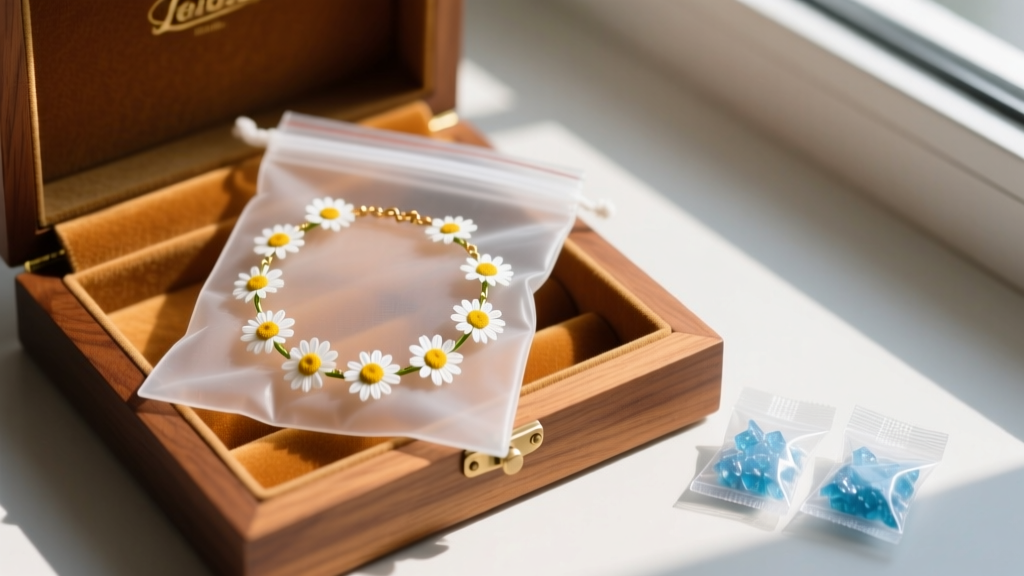
For optimal preservation, store the necklace in a specialized anti-tarnish ziplock bag (often treated with a silver guard or copper-infused polymer). Before sealing the bag, press out as much air as possible to limit oxygen exposure. If you live in a high-humidity climate, drop a small, jewelry-safe silica gel packet into the storage box to absorb ambient moisture. Always clasp the lobster claw through the extender chain loop before storing; this creates a closed circuit that drastically reduces the likelihood of the delicate cable chain knotting.
Troubleshooting Common Daisy Necklace Issues
Even with meticulous care, fashion jewelry can experience wear and tear. Here is how to handle the most common issues associated with the Betsey Johnson daisy necklace without causing further damage.
1. The Chain is Hopelessly Tangled
Because the 1.2mm cable chain is fine and lightweight, it easily knots. Do not pull at the knot with tweezers, as this will kink and permanently weaken the metal links. Instead, lay the chain flat on a hard surface, sprinkle a generous amount of baby powder or cornstarch directly onto the knot, and gently massage it in. The powder acts as a dry lubricant, removing the friction between the links and allowing you to easily tease the knot apart with two sewing needles.
2. A Rhinestone Has Fallen Out
If a stone pops out, locate it and save it. Do not use cyanoacrylate (Super Glue) to reattach it. Super glue dries rigid, emits fumes that will permanently 'fog' the glass or acrylic stone, and can melt the epoxy enamel. Instead, use a jewelers' flexible adhesive like E6000 or GS Hypo Cement. Apply a microscopic dot of adhesive to the setting using a toothpick, seat the stone, and let it cure flat for 24 hours.
3. The Necklace is Turning Your Skin Green
A green or black mark on your chest is not a sign of poor hygiene; it is a harmless chemical reaction between the zinc/copper base metal and the natural acidity of your skin, especially when you sweat. To prevent this without ruining the necklace, paint the back of the daisy pendant and the inside of the clasp with a thin layer of clear, non-yellowing nail polish. This creates an invisible barrier between the base metal and your skin. Reapply the polish every few months as it naturally wears away.
Final Thoughts on Fashion Jewelry Preservation
Your Betsey Johnson daisy necklace is more than just an accessory; it is a piece of wearable art that brings a touch of joy and nostalgia to any outfit. By understanding the vulnerabilities of cold enamel, foil-backed rhinestones, and micron-thin plating, you can adapt your cleaning and storage habits to protect your investment. Treat your fashion jewelry with the same respect you would afford fine heirlooms, and your daisy necklace will continue to bloom and sparkle for years to come.


