Italian Horn Meaning Necklace: A Technical Guide to Cornicello
Discover the true italian horn meaning necklace buyers need to know. Explore Cornicello metallurgy, red coral grading, chain gauges, and authentic sourcing.

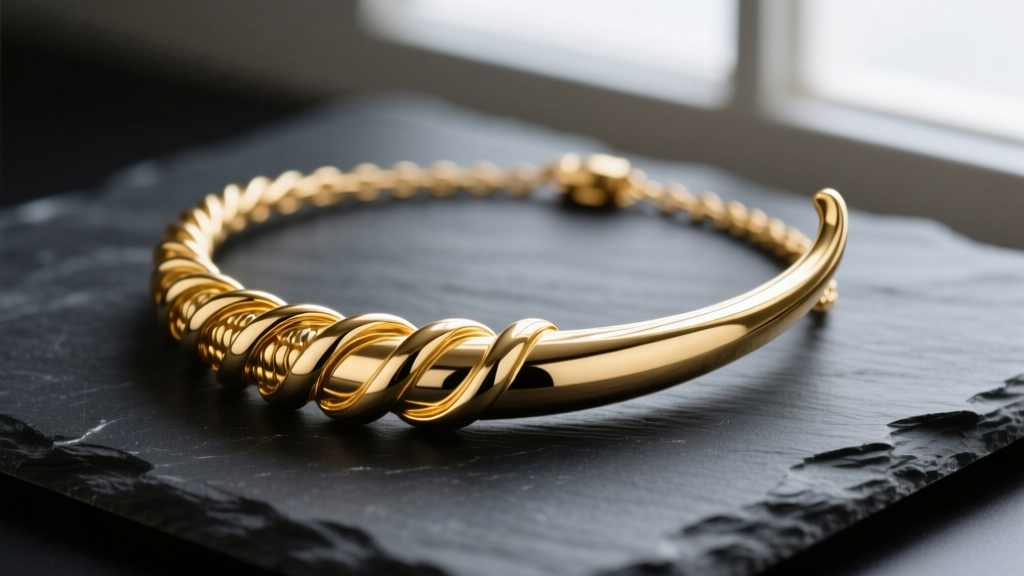
When researching the perfect Italian horn meaning necklace, most consumers are met with superficial fashion blogs that barely scratch the surface of this ancient amulet. Known traditionally as the cornicello, this twisted, chili-pepper-shaped pendant is a masterclass in cultural symbolism and jewelry engineering. As a domain expert in necklace architecture and historical adornment, I am bypassing the basic folklore to deliver a rigorous, technical deep dive into the metallurgy, gemology, and structural mechanics that define a high-quality cornicello in 2026.
The Anatomy and Historical Metallurgy of the Cornicello
The structural silhouette of the Italian horn is not arbitrary. Its elongated, twisted taper is designed to mimic the horns of sacred animals or the crescent moon, historically tied to the Roman goddess Luna and later adapted as a ward against the malocchio (evil eye). From a manufacturing perspective, the asymmetrical twist of a genuine cornicello presents a unique casting challenge. Mass-produced horns are often stamped from flat sheet metal and folded, resulting in a rigid, lifeless geometry. Authentic Neapolitan artisan horns are cast using the lost-wax method, allowing for a continuous, organic spiral that distributes structural stress evenly across the pendant's spine.
"The efficacy of the cornicello in traditional folklore relies on its material: it must be red, silver, or gold, and traditionally, it must be gifted rather than purchased for oneself." — Neapolitan Amulet Archives.
Understanding the Italian horn meaning necklace market requires distinguishing between stamped hollow-forms and solid-cast pieces. A solid 15mm cast horn will weigh between 4 to 8 grams, providing a satisfying drape and acoustic weight, whereas hollow stamped versions (often under 1.5 grams) are prone to denting and structural failure at the bail.
Material Specifications: Gold, Silver, and Coral Grading
The material composition of the pendant dictates its longevity, skin reactivity, and maintenance profile. While the symbolic Italian horn meaning necklace is rooted in intention, the physical execution relies on precise metallurgical and gemological standards.
Gold Alloys: 14k vs. 18k
In Southern Italy, 18k gold (75% pure gold, stamped 750) is the traditional standard. However, 18k gold has a Vickers hardness of approximately 120-140, making it susceptible to micro-scratching and bail deformation if the pendant exceeds 10 grams. For daily wear, 14k gold (58.5% pure gold, stamped 585) offers a superior Vickers hardness of 130-160, providing better resistance to the mechanical friction of the chain threading.
Sterling Silver and Oxidation
Silver cornicellos are typically cast in 925 sterling. High-end manufacturers will apply a micro-layer of rhodium plating to prevent silver sulfide tarnishing. However, purists often prefer un-plated, intentionally oxidized silver to highlight the twisted crevices of the horn's anatomy.
Gemological Profile of Red Coral
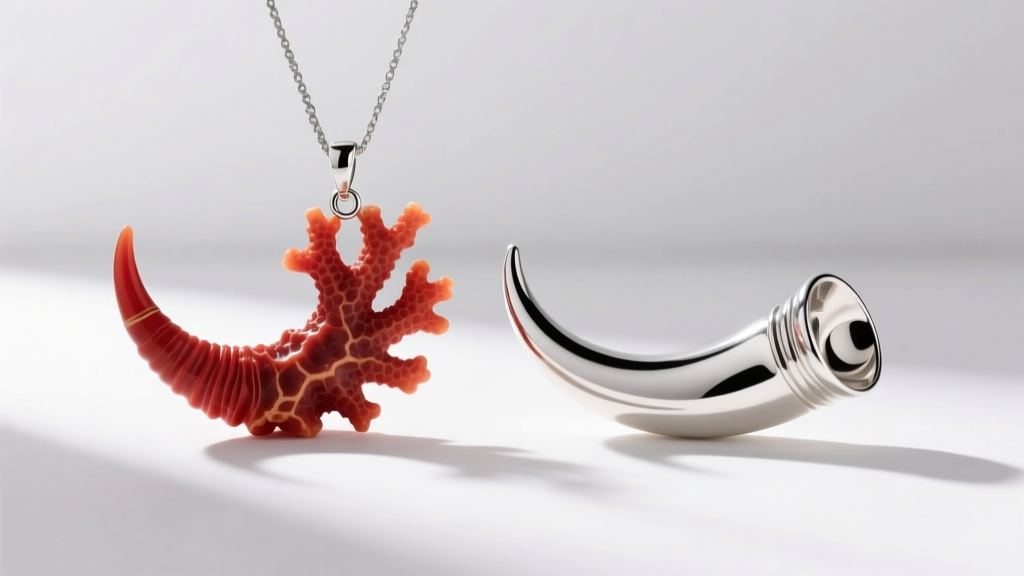
The most potent iteration of the amulet is carved from Corallium rubrum (Sardinian red coral). According to the Gemological Institute of America (GIA), red coral is an organic gemstone with a Mohs hardness of just 3.5. This extreme softness means coral horns must be bezel-set or feature heavily reinforced bails to prevent chipping where the chain meets the stone.
| Material | Purity Stamp | Mohs / Hardness | Tarnish Risk | Avg. Price (15mm) |
|---|---|---|---|---|
| Sardinian Red Coral | N/A (Organic) | 3.5 (Brittle) | None (Fades in UV) | $180 - $450 |
| 18k Yellow Gold | 750 | ~125 HV | None | $350 - $600 |
| 14k Yellow Gold | 585 | ~145 HV | None | $200 - $380 |
| Sterling Silver | 925 | ~105 HV | High | $45 - $120 |
Chain Gauge Engineering and Load Distribution
A critical failure point in any Italian horn meaning necklace is the mismatch between the pendant's mass and the chain's tensile strength. The bail (the loop connecting the horn to the chain) acts as a fulcrum. If the chain is too thick, it creates a rigid hinge that snaps the bail during lateral movement. If the chain is too thin, the pendant's pendulum motion will cause fatigue failure in the chain links.
Optimal Gauge Thickness by Pendant Weight
- Lightweight (1g - 3g): Pair with a 0.8mm to 1.2mm Box or Cable chain. The small internal diameter of the bail requires a low-profile chain.
- Medium (4g - 8g): Pair with a 1.5mm to 2.0mm Rope or Cuban chain. The twisted links of a rope chain complement the spiral geometry of the horn while providing adequate tensile strength.
- Heavy (10g+): Pair with a 2.5mm to 3.5mm Figaro or Wheat chain. These chains distribute the load across multiple interlocking planes, preventing link distortion.
Clasp Mechanics
Never use a standard spring-ring clasp for a solid gold or coral horn exceeding 5 grams. The internal spring mechanism is prone to fatigue and accidental depression. A forged lobster clasp with a minimum length of 12mm is mandatory to secure the pendant's kinetic swing safely.
Gemological Authentication: Spotting Synthetic Coral
Because genuine Sardinian coral is heavily regulated and increasingly scarce, the market is flooded with simulants. When sourcing a coral Italian horn meaning necklace, you must perform rigorous authentication to avoid dyed howlite, glass, or plastic composites.
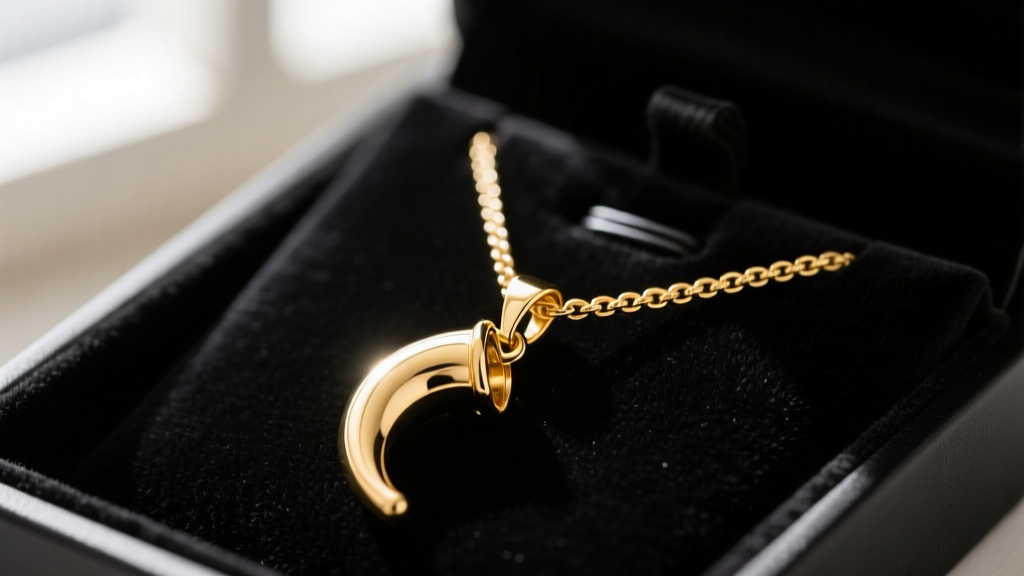
The GIA's coral description notes that natural coral exhibits a distinct wood-grain or concentric growth structure under magnification. Here is a practical framework for authentication:
- The Magnification Test: Use a 10x jeweler's loupe. Genuine coral will show subtle, organic striations and tiny surface pits. Glass will show spherical bubbles; dyed howlite will reveal a sponge-like, porous network with dark dye pooling in the crevices.
- The Acetone Swab Test: Dip a cotton swab in pure acetone (nail polish remover) and rub an inconspicuous area near the bail. If the swab turns red, the piece is likely dyed bone, howlite, or low-grade sponge coral treated with chemical colorants.
- Thermal Conductivity: Coral is an organic insulator. When touched to the lower lip, it will feel room-temperature or slightly warm. Glass and synthetic resins will feel noticeably cold to the touch initially.
Sourcing and Pricing Benchmarks for 2026
Navigating the pricing landscape requires an understanding of provenance. Mass-market jewelry conglomerates typically outsource casting to overseas facilities, utilizing recycled silver and synthetic coral, resulting in price points between $30 and $80. While accessible, these lack the structural integrity and historical resonance of the piece.
For heirloom-quality investments, seek out specialized importers or direct-from-artisan workshops in Naples or Torre del Greco (the historic hub of coral carving). Expect to pay a premium for artisanal labor and ethically harvested, CITES-compliant coral. A genuine, hand-carved 25mm coral horn set in a solid 14k gold bezel will reliably command between $400 and $850, reflecting both the material scarcity and the master-level lapidary work required to shape the brittle organic gem without fracturing its tapered tip.
Ultimately, the true value of an Italian horn meaning necklace lies at the intersection of cultural reverence and uncompromising jewelry engineering. By prioritizing proper alloy hardness, precise chain gauging, and verified organic gemology, you ensure that the amulet not only carries its historical weight but survives the physical demands of daily wear.


