How to Clean and Maintain a Normal Necklace Chain Length
Discover expert tips to clean, store, and maintain a normal necklace chain length. Learn how to prevent tangling, clasp wear, and metal tarnish.

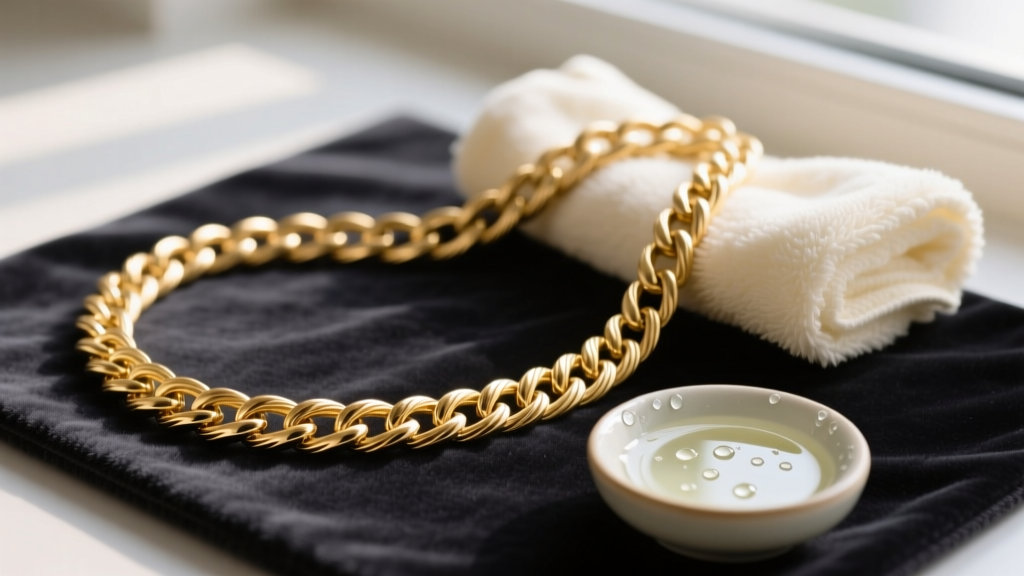
When building a versatile jewelry collection, the normal necklace chain length—typically 18 inches for women and 20 to 22 inches for men—serves as the foundational workhorse. This standard 'princess' or 'matinee' length rests perfectly on the collarbone or upper chest, making it ideal for pendants and everyday wear. However, its specific placement on the body exposes it to a unique combination of friction, body oils, and environmental contaminants. In 2026, proper jewelry maintenance goes beyond a quick wipe; it requires an understanding of metallurgy, structural stress points, and targeted cleaning techniques.
Unlike a 14-inch choker that primarily absorbs neck sweat, or a 30-inch opera chain that risks getting caught in seatbelts, a normal necklace chain length experiences constant kinetic movement. It swings against clothing, rubs against the sternum, and is frequently handled when adjusting pendants. This comprehensive guide will teach you how to clean, store, and maintain your standard-length chains to ensure they last a lifetime.
Why Chain Length Dictates Your Cleaning Routine
The position of your necklace determines its primary contaminants. An 18-inch chain rests in the 'decolletage zone,' an area heavily exposed to perfumes, body lotions, and sebum (natural skin oils). These substances create a sticky film that acts as a magnet for microscopic dust and dead skin cells. Over time, this grime packs into the crevices of the chain links, dulling the metal's refractive index and making gold or silver look lifeless.
Furthermore, the normal necklace chain length is the most common choice for holding pendant bails. The constant sliding of a pendant bail back and forth across the center links of an 18-inch chain causes localized friction. If dirt is trapped in those specific links, the pendant acts like sandpaper, slowly wearing down the metal gauge. According to the Blue Nile Cleaning Guide, regular removal of this abrasive buildup is critical to preventing premature link thinning and eventual snapping.
The Anatomy of Wear on an 18-Inch Chain
To properly maintain your jewelry, you must understand its structural weak points. A standard 18-inch chain is composed of dozens of individual links, but the hardware at the ends takes the brunt of the mechanical stress.
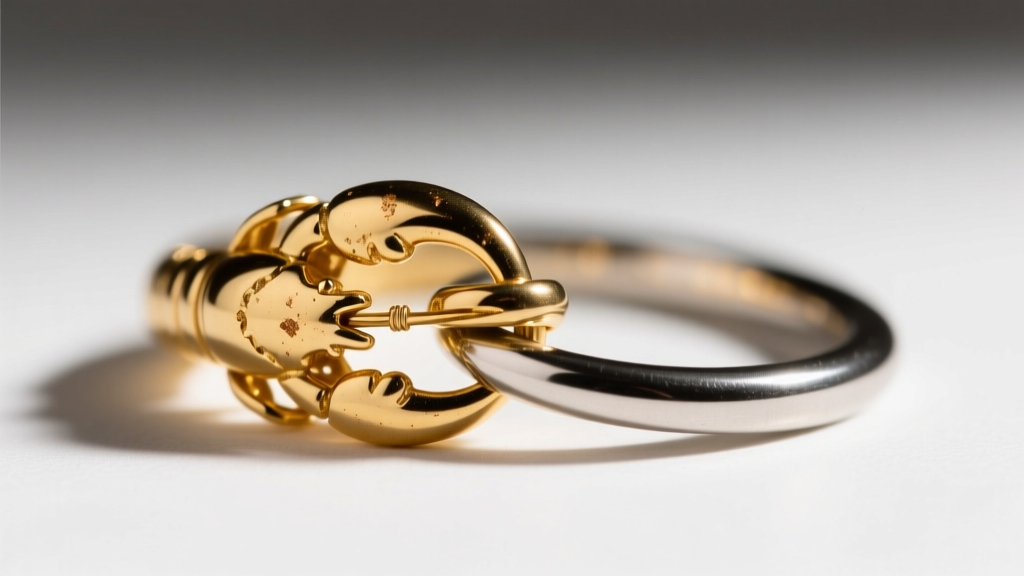
Common Failure Points
- The Jump Ring: Most mass-market chains use a standard open jump ring (usually 0.8mm to 1.0mm in wire thickness) to connect the chain to the clasp. Because it is open, it can easily be pulled apart if the 18-inch chain snags on a sweater. Pro Tip: Have a jeweler solder the jump ring shut or upgrade to a seamless, work-hardened ring.
- The Lobster Clasp: A 5mm or 7mm lobster clasp contains a tiny internal steel spring. When exposed to chlorinated pool water or harsh chemical cleaners, this spring can corrode, causing the clasp to fail. Never use bleach-based cleaners on your chain.
- The Center Links: As mentioned, the 3 to 5 links at the exact center of the normal necklace chain length endure the most friction from pendants. Inspect these links monthly for thinning.
Step-by-Step Cleaning for Standard Lengths
Cleaning an 18-inch chain requires a gentle but effective approach. Avoid commercial 'dip' cleaners, which often contain thiourea—a harsh chemical that strips the metal's natural patina and can cause micro-pitting over time. Instead, use a mild, pH-neutral surfactant.
'The safest and most effective cleaning solution for everyday gold and silver chains is warm distilled water mixed with a few drops of mild, phosphate-free dish soap. Distilled water prevents hard water mineral deposits from spotting your jewelry.' — Tiffany & Co. Jewelry Care Guidelines
The Manual Cleaning Method
- Mix 1 cup of warm distilled water with 2 drops of mild dish soap (like Dawn) in a glass bowl.
- Submerge your 18-inch chain and let it soak for 15 minutes to loosen sebum and lotion.
- Using an extra-soft infant toothbrush, gently brush the chain. Pay special attention to the clasp mechanism and the center links.
- Rinse thoroughly under lukewarm running water. Ensure the drain is plugged!
- Pat dry with a lint-free microfiber cloth. Do not air dry, as water spots will form.
Cleaning Protocols by Chain Style
Not all chains are built the same. The gauge and link style of your normal necklace chain length will dictate which cleaning tools are safe to use.
| Chain Style | Typical Width | Cleaning Quirks & Best Practices |
|---|---|---|
| Cable | 1.2mm - 2.0mm | Open oval links trap dead skin. Use a soft bristle brush to sweep the inside of each link. |
| Curb | 2.5mm - 4.0mm | Flat interlocking links are prone to surface scratching. Use a microfiber cloth; avoid abrasive polishing pastes. |
| Rope | 1.5mm - 3.0mm | Twisted links create deep grooves. Ultrasonic cleaning is highly effective here, unless the chain is hollow. |
| Box | 1.0mm - 2.0mm | Square links pack dirt into the corners. Use a wooden toothpick to gently dislodge debris before soaking. |
| Snake | 1.5mm - 2.5mm | Tightly wound bands. Never use ultrasonic cleaners, as the high-frequency vibrations can snap the internal wire core. |
Preventing Tangles and Structural Stress
The bane of the normal necklace chain length is tangling. Because an 18-inch chain is long enough to loop back on itself but short enough to be stored in small compartments, it easily forms 'bird's nests.' Untangling a delicate 1.0mm chain using your fingers often results in stretched links or kinks that cannot be repaired.
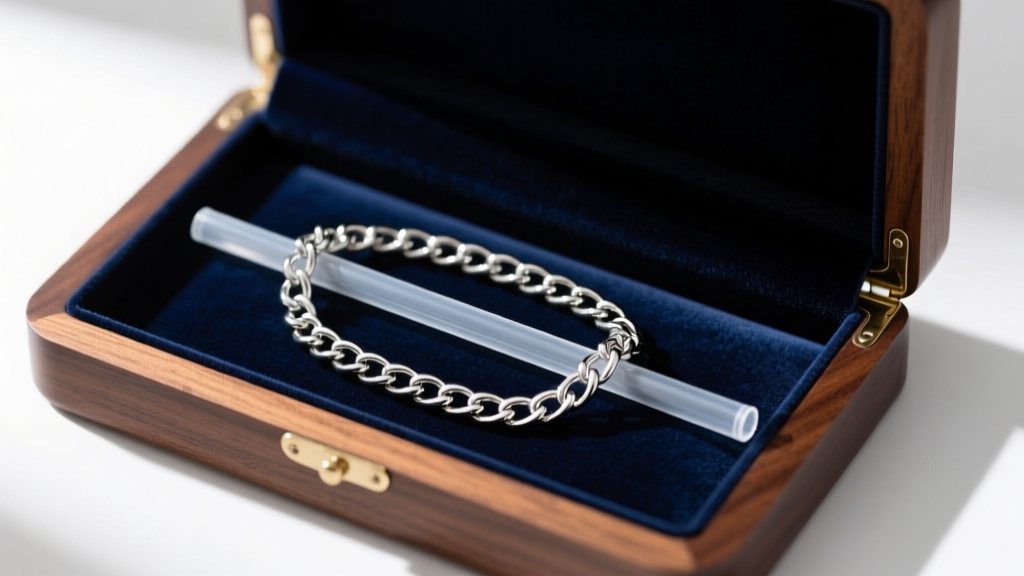
The 'Straw Trick' for Storage
To completely eliminate tangling and protect the clasp from snagging on other jewelry, use the straw trick. Unclasp the necklace, thread one end through a standard plastic drinking straw, and re-clasp it. The rigid straw keeps the chain in a straight line, making it impossible to tangle inside your jewelry box or travel pouch.
The Ideal Storage Environment
Sterling silver (925) chains are highly susceptible to tarnish caused by hydrogen sulfide in the air. To maintain your silver chains:
- Store them in individual, airtight ziplock bags.
- Include a 3M Anti-Tarnish strip in each bag. These strips absorb sulfur compounds and typically last for 6 to 12 months.
- Keep the bags in a cool, dark drawer. Avoid storing jewelry in the bathroom, where high humidity and aerosolized cosmetics accelerate oxidation.
When to Seek Professional Jewelry Repair
While routine cleaning can be done at home, certain issues require the eye and tools of a professional bench jeweler. Do not attempt to fix these structural issues yourself, as improper handling can lead to total chain failure.
- Chain Stretching: Lay your 18-inch chain flat against a ruler. If it measures 18.5 inches or more, the links have permanently deformed. A jeweler can sometimes remove the stretched section and solder it back together, or recommend a replacement.
- Stiff Clasps: If your lobster clasp requires excessive force to open, the internal spring is failing or clogged with hardened debris. A jeweler can safely flush the mechanism with a specialized solvent or replace the clasp entirely.
- Kinks in Snake or Herringbone Chains: These flat, fluid chains are notoriously fragile. If they kink, the structural integrity is compromised. A professional can sometimes roll them flat using a specialized jeweler's rolling mill, but prevention via the straw trick is always the better strategy.
By understanding the unique wear patterns of the normal necklace chain length and implementing these targeted cleaning and storage protocols, you can preserve the brilliance and structural integrity of your favorite pieces for decades to come.


