The Chunky Silver Choker Necklace: Alloy & Metal Guide
Discover the best alloys for a chunky silver choker necklace. Compare sterling, Argentium, and fine silver for hardness, tarnish resistance, and skin safety.

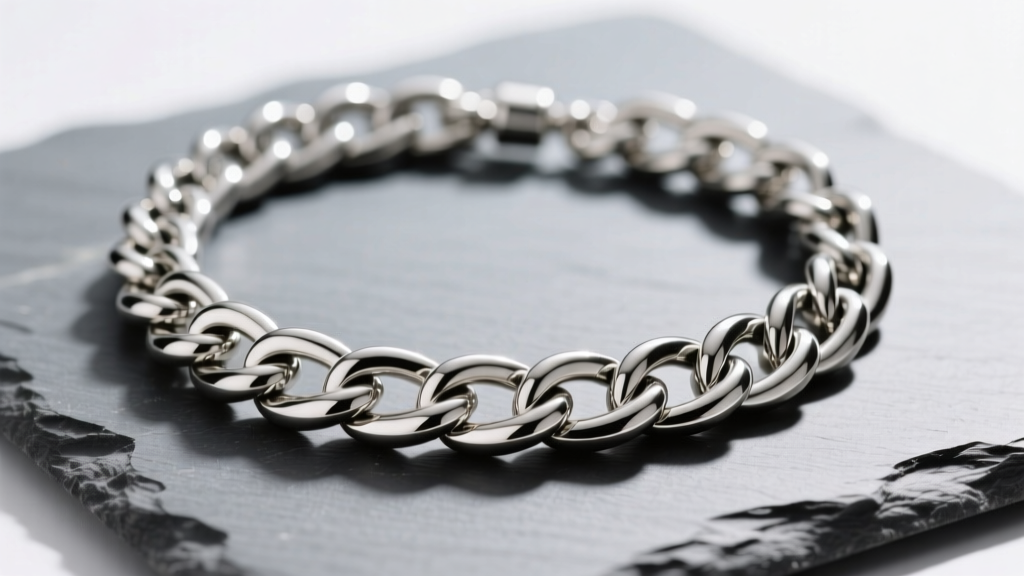
The Engineering Behind the Chunky Silver Choker Necklace
In 2026, the chunky silver choker necklace has evolved far beyond its Y2K nostalgia roots into a staple of architectural, heavy-metal fashion. However, when a necklace transitions from a delicate 5-gram chain to a substantial 60-gram (or heavier) statement piece, it ceases to be mere decoration and becomes an exercise in structural engineering. The physical weight, combined with the unique microclimate of the human neck, demands specific metallurgical properties to prevent link deformation, clasp failure, and aggressive tarnishing.
Choosing the right metal for a heavy choker is not just about the price tag; it is about understanding Vickers hardness (HV), alloy passivation, and tensile strength. Whether you are sourcing for a boutique or investing in a personal statement piece, understanding the material science behind these alloys is critical for long-term wearability.
Decoding the Alloys: Fine vs. Sterling vs. Argentium
Not all silver is created equal. The term 'silver' in the jewelry industry encompasses a variety of alloys, each with distinct behavioral traits when subjected to the stress of a heavy, close-fitting choker.
Fine Silver (.999)
Fine silver is 99.9% pure silver. While it boasts the highest luster and is completely hypoallergenic, it is metallurgically unsuited for chunky chains. With a Vickers Hardness (HV) of roughly 25, fine silver is exceptionally malleable. In a heavy choker, the sheer weight of the links pulling against each other will cause fine silver to stretch, warp, and lose its structural integrity within weeks of daily wear. It is best reserved for bezel settings or delicate pendant work, never for load-bearing chains.
Sterling Silver (.925)
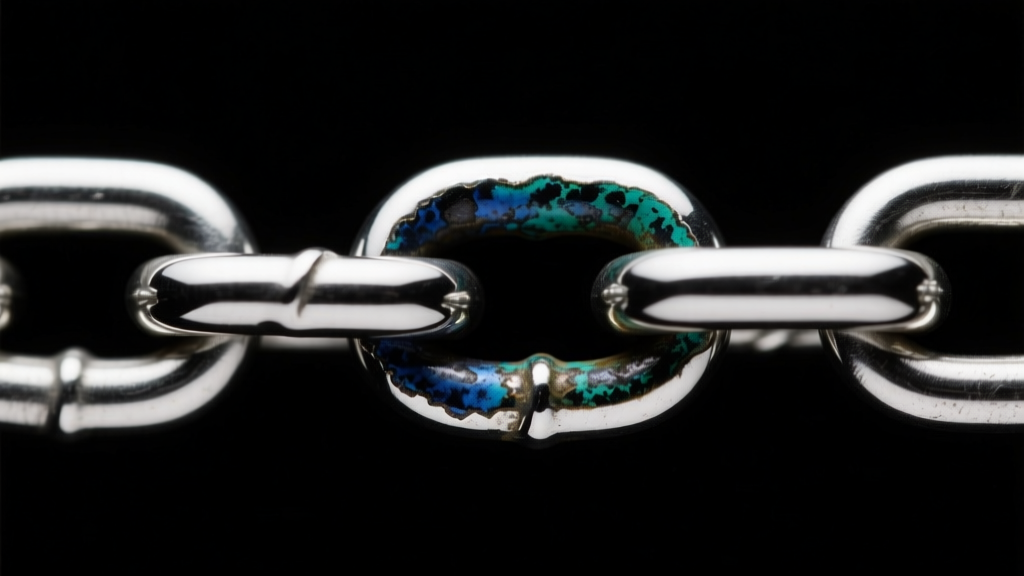
The undisputed workhorse of the jewelry industry, sterling silver consists of 92.5% silver and 7.5% alloying metal—almost universally copper. This copper addition raises the Vickers Hardness to approximately 65 HV, providing the necessary rigidity for heavy Cuban links and thick rope chains. However, copper is highly reactive. According to the Gemological Institute of America (GIA), copper readily reacts with sulfur and chlorides in the environment, leading to the familiar black silver sulfide tarnish and, in some cases, green skin discoloration.
Argentium Silver (.935 / .960)
Argentium is a modern, patented alloy that replaces a portion of the copper with the metalloid germanium. Available in .935 and .960 purities, Argentium offers a revolutionary advantage for heavy jewelry: it forms a transparent layer of germanium dioxide on its surface. This passivation layer actively blocks sulfur and chlorides from reaching the copper beneath, making it highly tarnish-resistant. Furthermore, Argentium can be precipitation-hardened in a kiln to reach an impressive 110 HV, making it significantly more scratch-resistant and durable than standard sterling.
Material Properties Comparison Matrix
To make an informed decision, we must look at the raw data. The following table compares the three primary silver alloys used in high-end jewelry manufacturing, specifically evaluated for their viability in heavy, close-fitting neckwear.
| Property | Fine Silver (.999) | Sterling Silver (.925) | Argentium Silver (.960) |
|---|---|---|---|
| Primary Alloying Element | None | Copper (7.5%) | Copper & Germanium |
| Vickers Hardness (HV) | ~25 HV (Annealed) | ~65 HV (Annealed) | ~85 HV (Up to 110 HV Heat-Treated) |
| Tarnish Resistance | High (No Copper) | Low (Prone to Sulfides) | Very High (Germanium Dioxide Layer) |
| Melting Point | 961°C (1763°F) | 893°C (1640°F) | 904°C (1660°F) |
| Price Premium (vs Sterling) | +5% to +10% | Baseline | +15% to +25% |
| Viability for Chunky Chokers | Poor (Will Stretch) | Good (Requires Maintenance) | Excellent (Superior Durability) |
The Choker Microclimate: Sweat, Friction, and Contact Dermatitis
A choker sits tightly against the 14-to-16-inch circumference of the lower neck and clavicle. Unlike a 24-inch chain that rests freely on the chest, a choker traps body heat and moisture. Human perspiration is a complex electrolyte solution containing urea, lactic acid, and sodium chloride (salt).
When standard sterling silver is exposed to this environment, the chlorides in sweat aggressively attack the copper in the alloy. This chemical reaction produces cuprous chloride, which manifests as a green or black residue on the skin—a common complaint among wearers of heavy, unlined sterling chokers during summer months. Furthermore, if the alloying metals contain even trace amounts of nickel (often used in cheaper, non-compliant overseas manufacturing), the trapped moisture will accelerate nickel ion release, triggering severe contact dermatitis.
For buyers in 2026, ensuring EU REACH compliance or strict nickel-free guarantees is non-negotiable when purchasing a heavy silver choker, as the skin-metal contact time is maximized.
Gauge, Weight, and Clasp Mechanics
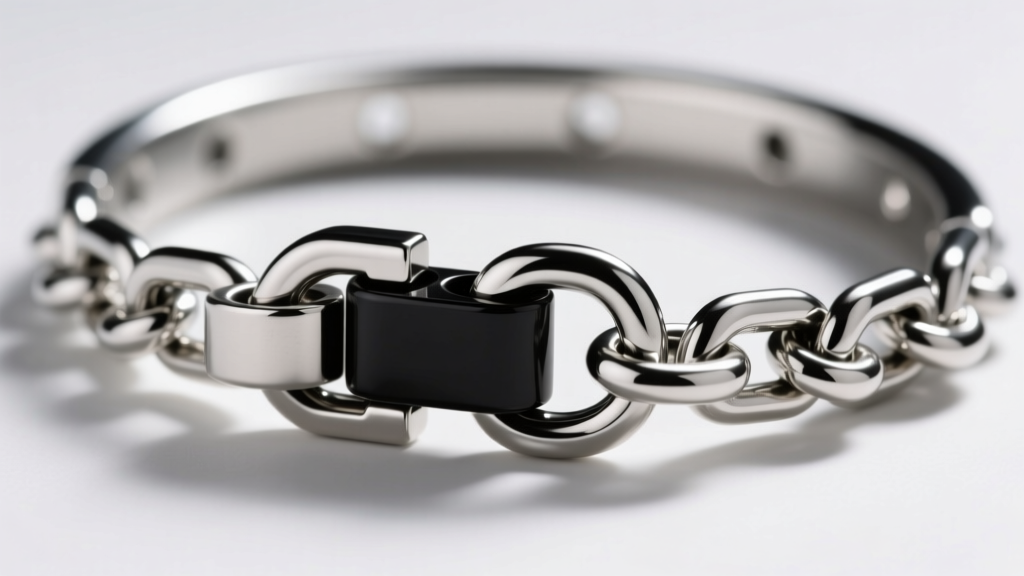
The most frequent point of catastrophic failure in a chunky silver choker necklace is not the chain itself, but the clasp. A thick, 10mm-wide Cuban link choker at 15 inches can easily weigh between 60 and 90 grams. Standard jewelry findings are not engineered for this dynamic load.
- Spring Rings (10mm - 12mm): Rated for roughly 15-20 grams. The internal steel spring will fatigue, and the hollow silver casing will bend under the weight of a chunky chain, leading to accidental unclasping.
- Standard Lobster Claws: While stronger than spring rings, the cast silver lever mechanism can warp under the lateral torque of a heavy, shifting choker.
- Neodymium Magnetic Clasps: The optimal choice for heavy chokers. High-grade N52 neodymium magnets encased in solid silver provide a secure, seamless connection that easily supports 100+ grams without mechanical levers.
- Box Clasps with Figure-8 Safeties: Traditional and highly secure, provided the internal tongue is stamped from thick-gauge wire rather than cast from brittle silver.
Regardless of the clasp type, any chunky silver choker necklace exceeding 50 grams must feature a secondary safety chain or a silicone friction-sleeve over a lobster clasp to prevent loss if the primary mechanism fails.
Hallmarking and FTC Compliance
When investing in heavy silver, verifying the hallmark is crucial. According to the Federal Trade Commission (FTC) Jewelry Guides, any piece stamped '.925' or 'Sterling' must contain at least 925 parts per thousand fine silver. However, in the era of globalized e-commerce, counterfeit stamps are prevalent.
Authentic hallmarks on high-end chunky chains are often laser-engraved on the inside of the end-links or stamped using precision steel punches. Look for the maker's mark alongside the purity stamp. A '.925' stamp without a registered manufacturer's trademark or maker's mark is a red flag for unverified, potentially non-compliant alloys.
Expert Insight: If you are purchasing a vintage or heavy artisan choker, use a rare-earth magnet to test the clasp mechanism. While the silver chain will not react, the internal steel springs in standard clasps will. If the entire chain exhibits magnetic pull, you are looking at a silver-plated ferrous base metal, not solid silver.
Maintenance and Anti-Tarnish Protocols
Maintaining a heavy silver choker requires specific protocols to preserve both the metal and the structural integrity of the links.
- Avoid Ultrasonic Cleaners: Never place a chunky silver chain in an ultrasonic cleaner if it features oxidized (blackened) detailing or rhodium plating. The high-frequency cavitation will strip the intentional patina and micro-fracture the plating.
- Use Polishing Cloths: For routine maintenance of sterling silver, use a dual-layer jeweler's cloth (like the Sunshine Cloth) impregnated with micro-abrasives and tarnish-inhibiting agents. Rub along the grain of the metal, not against it, to avoid micro-scratches.
- Proper Storage: When not worn, store the choker laid flat or hung on a wide-radius velvet bust to prevent kinking. Always include a 3M anti-tarnish strip in the storage pouch to absorb ambient sulfur compounds.
Final Verdict: Which Alloy Wins for 2026?
For the modern consumer seeking a chunky silver choker necklace that balances weight, durability, and low maintenance, Argentium Silver (.960) is the undisputed champion. While it commands a 15-25% price premium over traditional sterling, the elimination of 'green neck' syndrome, the resistance to sulfide tarnish, and the superior Vickers hardness make it the ultimate material for heavy, close-fitting neckwear. If Argentium is unavailable, opt for high-quality, nickel-free .925 Sterling Silver, but ensure it is fitted with a heavy-duty magnetic clasp and commit to a rigorous weekly polishing routine to combat the harsh microclimate of the neck.


