Chunky Toggle Necklace Materials: Gold vs Silver vs Brass
Discover how metal properties affect the weight, durability, and clasp mechanics of a chunky toggle necklace. Compare gold, silver, brass, and steel.

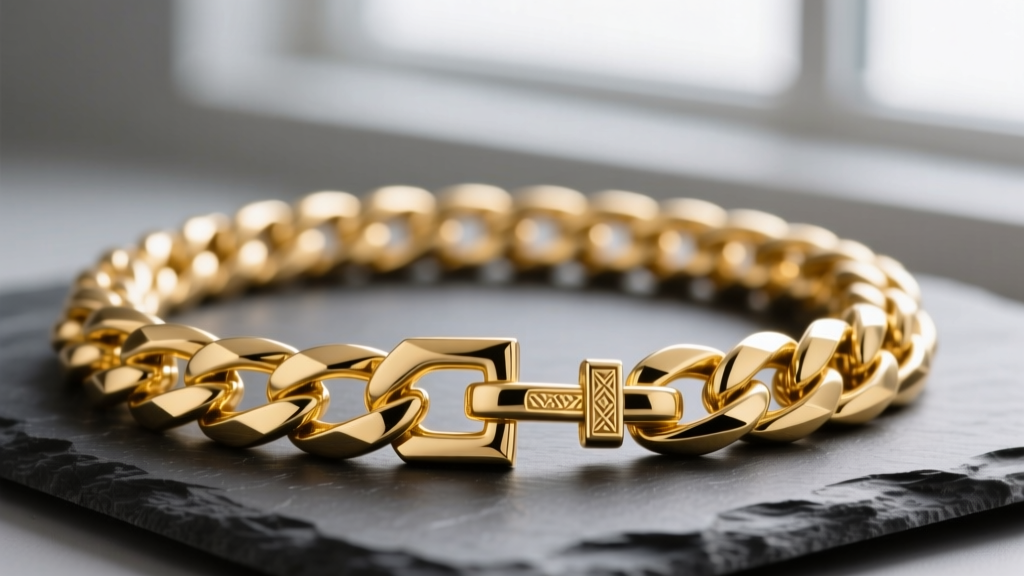
The Physics of the Toggle: Why Material Weight Matters
When investing in a statement piece like a chunky toggle necklace, most buyers focus exclusively on the aesthetic: the link style, the metal color, and the overall thickness of the chain. However, from an engineering and functional perspective, the material you choose dictates whether the necklace will actually stay on your neck. The toggle clasp—a horizontal T-bar that passes through a circular ring—is a gravity-assisted tension lock. Unlike a lobster clasp that relies on a tiny internal spring, a toggle relies on the downward weight of the chain and the rigidity of the metal to keep the T-bar seated horizontally against the ring.
If a metal has a low specific gravity (density), a chunky chain might still be too light to pull the T-bar into a secure, horizontal resting position. Furthermore, if the metal lacks adequate tensile strength and hardness, the T-bar itself can bend when snagged on clothing, rendering the clasp useless. In 2026, as oversized, architectural jewelry continues to dominate style radar trends, understanding the metallurgical properties of your necklace is no longer optional for serious collectors.
Material Breakdown: Pros, Cons, and Properties
To make an informed decision, we must look past the surface polish and examine the alloy compositions, hardness scales, and specific gravities of the most common metals used in heavy chain manufacturing.
14k and 18k Solid Gold (The Heavyweight Champion)
Gold is exceptionally dense, with pure 24k gold boasting a specific gravity of 19.32. Because pure gold is too soft for jewelry, it is alloyed with metals like copper, silver, and zinc. A 14k gold chain (58.5% pure gold) has a specific gravity of roughly 13.5, making it heavy enough to effortlessly secure a toggle clasp. According to the Gemological Institute of America (GIA), 14k gold also offers a Vickers hardness of approximately 125 HV, compared to 18k gold's softer 110 HV. For a chunky toggle necklace, 14k gold is the superior functional choice; the increased alloy content provides the structural rigidity needed to prevent the T-bar from bending under stress.
Sterling Silver (The Classic Compromise)
Sterling silver (92.5% silver, 7.5% copper) is a staple in jewelry, but it presents unique challenges for heavy toggle chains. Silver has a specific gravity of 10.49 and a relatively low Vickers hardness of around 70 HV. This means a sterling silver T-bar is highly susceptible to warping if subjected to lateral pressure. To counteract this, expert jewelers will cast or forge the toggle components in a thicker gauge (usually 3mm to 5mm in diameter) and often heat-harden the clasp components post-casting. While it provides a beautiful, bright luster, a sterling silver chunky toggle necklace requires a commitment to regular polishing to combat silver sulfide tarnish.
Brass and Bronze (The Bold & Budget-Friendly)
Brass (copper and zinc) and bronze (copper and tin) have become incredibly popular for oversized, avant-garde jewelry due to their warm, vintage hues and accessible price points. With a specific gravity hovering around 8.5, they are noticeably lighter than gold or silver. Designers often compensate for this by making the links exceptionally thick and oversized to generate enough mass to keep the toggle secured. The primary drawback, as noted by dermatological and metallurgical studies, is the copper content. When exposed to the acidic pH of human sweat, copper oxidizes and can leave a harmless but unsightly green residue on the collarbone. Many high-end brass pieces in 2026 now feature an invisible nano-ceramic coating to prevent this reaction.
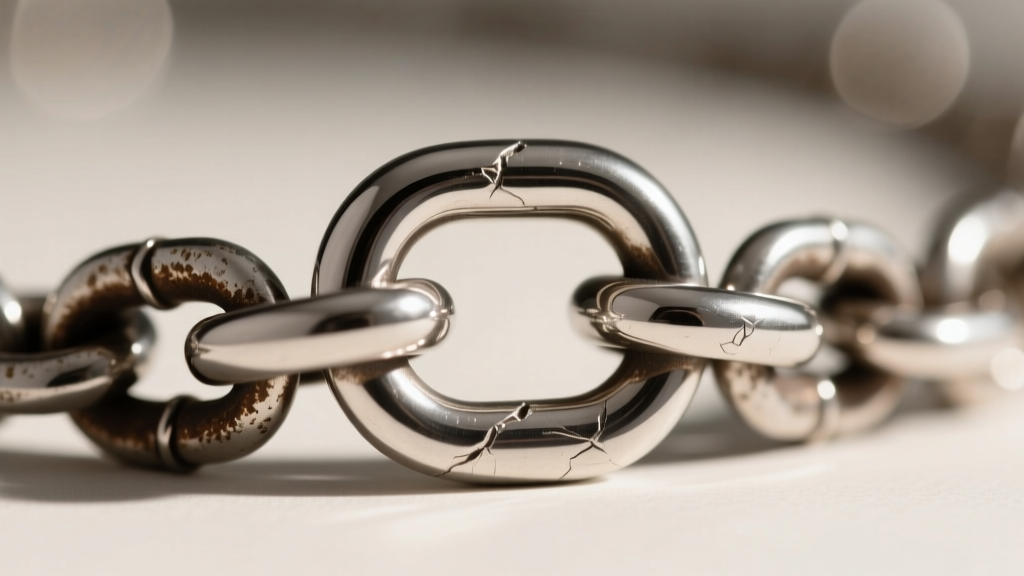
Surgical Stainless Steel (The Indestructible Option)
316L surgical stainless steel is the modern workhorse of durable jewelry. It has a specific gravity of 8.0 and a Vickers hardness exceeding 150 HV. A stainless steel T-bar will virtually never bend, warp, or scratch under normal wear conditions. Because it is incredibly hard, it cannot be easily cast using traditional lost-wax methods; instead, steel chunky chains are usually CNC-machined or laser-welded. The resulting links are remarkably uniform and incredibly secure, though they lack the deep, warm luster of precious metals.
Comparative Data: Weight, Hardness, and Pricing
The following matrix illustrates how these materials compare when cast into a standard 50-gram, 18-inch chunky curb chain with a proportional toggle clasp. Pricing reflects average market rates for unbranded, high-quality artisan work in 2026.
| Metal Alloy | Specific Gravity | Vickers Hardness (HV) | Avg. Price (50g Chain) | Tarnish / Patina Risk |
|---|---|---|---|---|
| 14k Yellow Gold | 13.5 | 125 | $3,200 - $4,500 | None |
| 18k Yellow Gold | 15.5 | 110 | $4,800 - $6,500 | None |
| Sterling Silver (925) | 10.4 | 70 | $180 - $350 | High (Sulfide Tarnish) |
| Jeweler's Brass | 8.5 | 90 | $75 - $150 | High (Oxidation/Patina) |
| 316L Stainless Steel | 8.0 | 155 | $90 - $160 | None |
Wear and Tear: Patina, Tarnish, and Maintenance
The maintenance profile of your chunky toggle necklace is directly tied to its material properties. Heavy chains collect skin oils, lotions, and environmental dust in the tight crevices between the links, which can accelerate chemical reactions.
- Gold Maintenance: Requires minimal upkeep. A simple soak in warm water with a few drops of mild dish soap, followed by a soft-bristle brush, will restore its brilliance. Avoid ultrasonic cleaners if the gold chain features any tension-set gemstones near the clasp.
- Silver Maintenance: Sterling silver reacts with sulfur in the air and in common household items (like rubber bands and certain foods). For a chunky silver chain, use a dedicated silver polishing cloth. Liquid dips can leave a white, chalky residue in the deep crevices of thick links, which is notoriously difficult to rinse out.
- Brass/Bronze Maintenance: If you prefer the bright, yellow-gold look of polished brass, you will need to use a mild acidic polish (like a paste of lemon juice and baking soda) weekly. If you prefer the moody, darkened vintage patina, simply let it oxidize naturally and seal it with a micro-crystalline jewelry wax.
- Steel Maintenance: Virtually maintenance-free. It can be boiled, ultrasonically cleaned, or wiped down with alcohol without any risk of degrading the metal or altering its color.
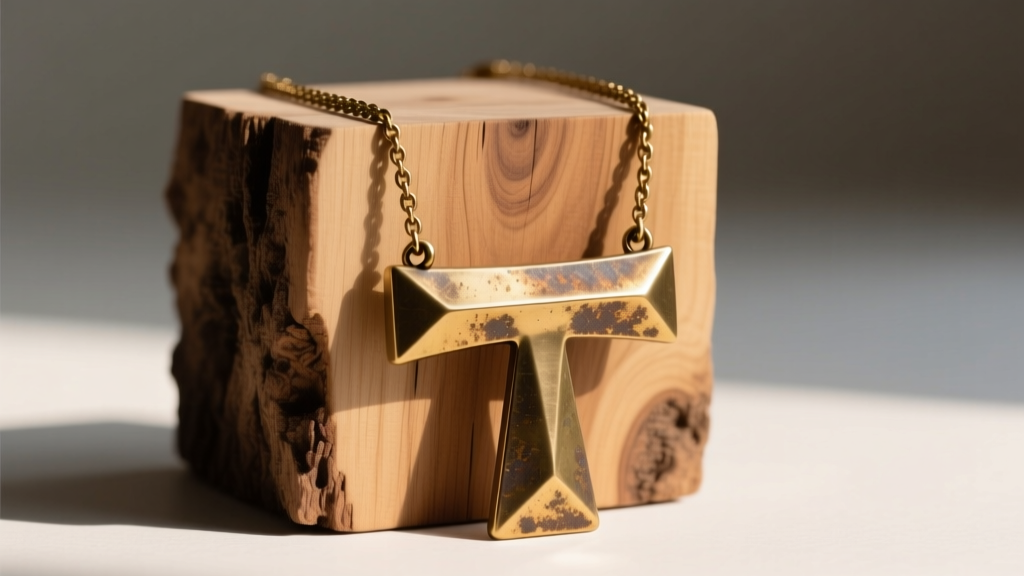
The Golden Rule of Toggle Clasp Sizing
Regardless of whether you choose platinum or brass, the physical dimensions of the clasp must adhere to strict geometric rules to prevent accidental loss. The Federal Trade Commission (FTC) Jewelry Guides emphasize that structural integrity in jewelry findings is paramount for consumer protection. When inspecting a chunky toggle necklace, apply this framework:
The 1.5x Rule: The length of the horizontal T-bar must be at least 1.5 times the inner diameter of the circular ring. If the ring's inner diameter is 12mm, the T-bar must be at least 18mm long. Furthermore, the wire gauge of the T-bar must be thick enough that it cannot be forced through the ring at a diagonal angle.
How to Choose the Right Metal for Your Lifestyle
Selecting the ideal material for your chunky toggle necklace requires balancing your budget, your skin chemistry, and your daily activities.
Choose Solid Gold If:
You are looking for a generational heirloom piece that will never tarnish, cause skin reactions, or lose its intrinsic value. The heavy density of 14k gold provides the perfect mechanical advantage for a secure toggle clasp, making it the ultimate choice for high-value, everyday wear.
Choose Sterling Silver If:
You desire the prestige and bright reflectivity of a precious metal but have a moderate budget. Be prepared to inspect the T-bar periodically for bending, and commit to a bi-weekly polishing routine to keep the heavy links gleaming.
Choose Brass or Bronze If:
You view jewelry as an expressive, seasonal fashion statement rather than a financial investment. These metals allow you to achieve the massive, oversized proportions of a chunky chain without the prohibitive weight and cost of solid gold. Just ensure you are not allergic to copper or zinc.
Choose Stainless Steel If:
You lead an active lifestyle, frequent the gym, or work in environments where your jewelry might be subjected to impacts, moisture, and friction. Steel guarantees that the structural integrity of the toggle mechanism will outlast the chain itself.
Ultimately, a chunky toggle necklace is a marriage of bold aesthetics and mechanical physics. By understanding the specific gravity, hardness, and chemical properties of your chosen metal, you ensure that your statement piece remains as secure as it is stylish.


