Circle Necklaces Explained: A Beginner's Guide to Styles & Sizing
Discover everything about circle necklaces in our beginner guide. Learn about material grades, sizing, layering techniques, and how to prevent tangling.

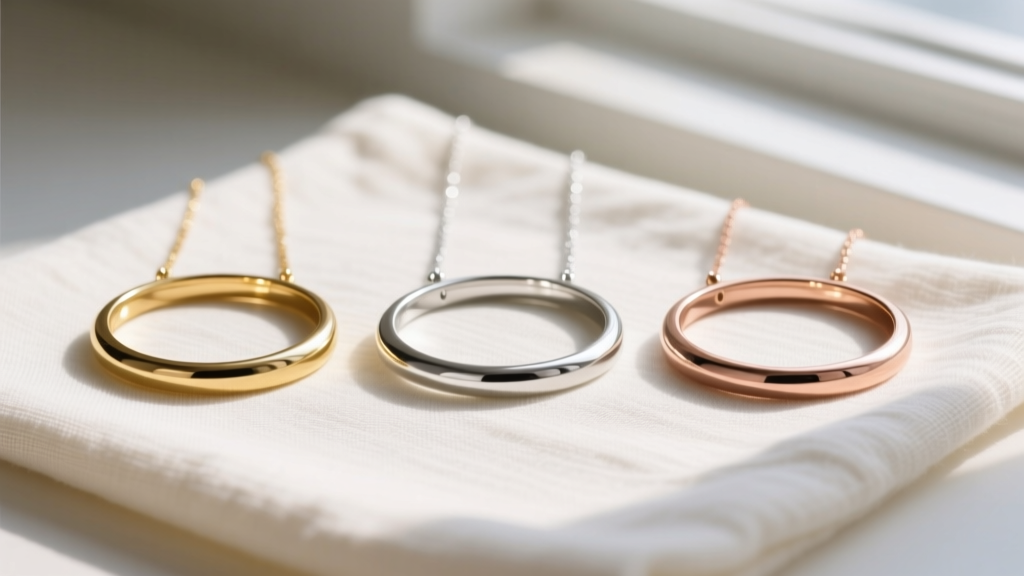
Circle necklaces are a cornerstone of modern jewelry wardrobes, celebrated for their geometric elegance and profound symbolism. Whether you are purchasing your first fine jewelry piece or looking to refine your everyday stack, understanding the nuances of circle pendants is essential. From the continuous loop representing eternity to the specific metal grades that dictate longevity, this beginner-friendly explainer will demystify everything you need to know about selecting, sizing, and styling circle necklaces.
The Anatomy and Symbolism of Circle Pendants
At its core, the circle is a universal symbol of wholeness, infinity, and eternal love. Because it has no beginning and no end, it is a highly popular motif for milestone gifts, anniversaries, and self-purchase tokens of personal growth. However, not all circle necklaces are created equal. Understanding the structural variations will help you choose a piece that aligns with your personal style.
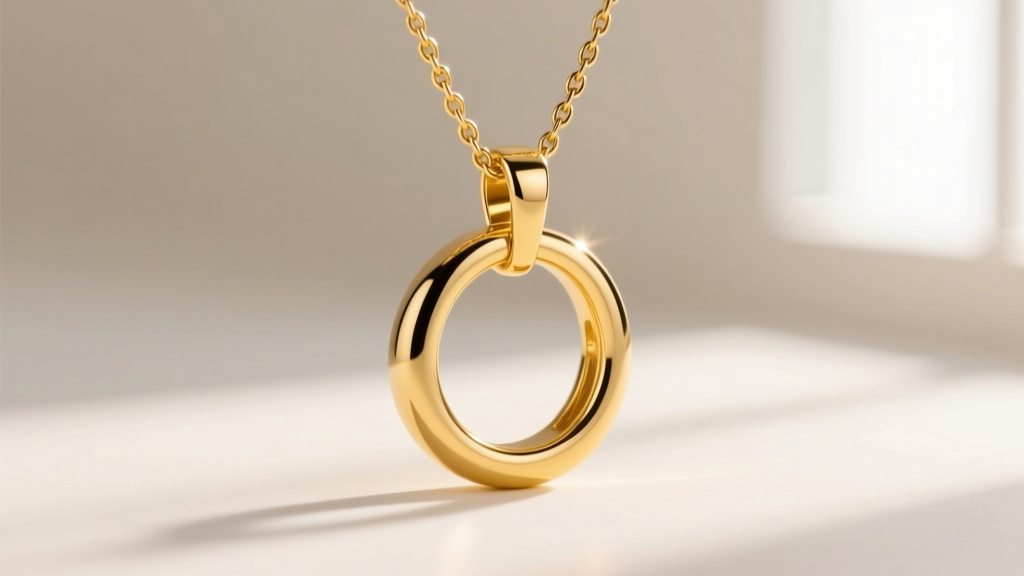
- The Closed Circle: A continuous, unbroken loop resembling a wedding band. This style is highly symbolic of eternity and is typically heavier, offering a substantial feel against the collarbone.
- The Open Circle: Featuring a slight gap or horseshoe-like silhouette, open circles often incorporate gemstones or textured metal ends. They offer a more modern, breathable aesthetic and are generally lighter in weight.
- Interlocking Circles: Two or more loops linked together, often symbolizing unbreakable bonds or friendship. These require precise casting to ensure the rings move freely without catching.
- The Diamond-Cut Circle: A solid or hollow circle featuring tiny pavé or bezel-set diamonds. This style catches the light dynamically and bridges the gap between everyday minimalism and evening glamour.
Material Grades and Pricing Tiers
When shopping for circle necklaces, the metal composition dictates not only the price but also the piece's durability, tarnish resistance, and skin compatibility. According to the Gemological Institute of America (GIA), understanding karatage and metal stamps is the first line of defense against overpaying for inferior alloys.
| Material | Stamp/Grade | Avg. Price Range (15mm) | Durability & Care Notes |
|---|---|---|---|
| Sterling Silver | 925 | $40 - $120 | Prone to oxidation; requires regular polishing. Best for budget-conscious buyers. |
| 10k Gold | 10k, 417 | $150 - $250 | Highly durable and scratch-resistant, but contains less pure gold. Can cause reactions in sensitive skin. |
| 14k Gold | 14k, 585 | $250 - $600 | The industry standard for everyday fine jewelry. Excellent balance of rich color and structural integrity. |
| 18k Gold | 18k, 750 | $600 - $1,200+ | Rich, deep yellow hue. Softer than 14k, making it more prone to micro-scratches over time. |
| Platinum | PT, 950 | $800 - $2,000+ | Hypoallergenic, extremely dense, and develops a natural patina rather than wearing away. |
For beginners, 14k solid gold is widely considered the sweet spot. It provides the prestige and longevity of fine jewelry without the extreme softness of 18k gold or the high premium of platinum. Always verify the hallmark stamp on the bail or the back of the pendant to ensure authenticity.
Sizing and Proportions: Choosing the Right Diameter
The diameter of a circle pendant drastically alters its visual weight and styling potential. A common beginner mistake is purchasing a pendant without considering how it will sit on the chest relative to the wearer's frame. Here is a practical sizing framework:
The 8mm to 12mm Range (Minimalist)
Pendants in this range are subtle and delicate. They sit close to the neck and are ideal for choker lengths (14-16 inches). Because they are small, they pair best with ultra-fine chains (0.8mm to 1.0mm). This size is perfect for a 'barely there' everyday look or for anchoring the top of a layered stack.
The 15mm to 20mm Range (The Standard)
This is the most versatile and popular size for circle necklaces. A 15mm to 20mm pendant commands attention without overwhelming the neckline. It works beautifully on princess-length chains (18 inches) and can support slightly thicker chains (1.2mm to 1.5mm), such as a classic cable or rolo chain. This size is substantial enough to be worn solo as a focal point.
The 25mm+ Range (Statement)
Large circle pendants act as bold statement pieces. Due to their surface area, they are often crafted with hollow backs or openwork designs to prevent them from becoming too heavy. These require robust chains (2.0mm+) like box or figaro chains to support the weight and maintain visual balance.
Layering Frameworks for Circle Necklaces
Layering is where circle necklaces truly shine, but combining multiple chains often results in a frustrating, tangled mess. To achieve a curated, intentional stack, you must manipulate chain texture, length, and pendant weight.
A successful necklace stack relies on the 'Two-Inch Rule' and the mixing of chain weaves to prevent the links from interlocking and knotting together.
Step 1: Establish the Length Gradient. Start with a 14-inch or 16-inch choker featuring a small (10mm) circle pendant. Add a second chain that is exactly two inches longer (16 or 18 inches) with a medium (15mm) pendant. If adding a third, drop to 20 inches.
Step 2: Mix Chain Textures. Friction is your friend when preventing tangles. If your first necklace is a smooth box chain, make your second necklace a textured cable or rolo chain. The differing link shapes prevent the chains from slipping through one another and knotting at the nape of the neck.
Step 3: Balance the Metals. While mixed metals are highly fashionable, ensure the undertones complement each other. Pairing a warm 14k yellow gold circle with a cool platinum or white gold circle creates a striking, modern contrast that elevates the entire stack.

Troubleshooting Common Circle Necklace Failures
Even high-quality circle necklaces can present functional annoyances if not properly engineered or maintained. Here are the most common failure modes and how to solve them, drawing on insights from professional jewelers and gemological resources like The International Gem Society.
The 'Sliding Pendant' Problem
Because a circle is perfectly symmetrical, its center of gravity can easily shift, causing the pendant to slide off-center and hide behind your neck. This is especially common with smooth chains like snake or herringbone weaves. The Fix: Opt for a chain with distinct links (like a rolo chain) which creates micro-friction, holding the bail in place. Alternatively, you can purchase tiny, transparent silicone necklace stops that slide onto the chain behind the pendant to lock it in the center.
Bail Wear and Tear
The bail is the loop that connects the circle pendant to the chain. Over time, the constant metal-on-metal friction can wear a groove into the bail, eventually causing it to snap and the pendant to fall off. The Fix: When purchasing, look for pendants with a 'soldered jump ring' or a reinforced, thick bail. If you already own a piece with a thin bail, a local jeweler can easily solder it closed or replace it with a heavier-duty finding for a minimal cost, securing your investment for decades.
Final Thoughts on Building Your Collection
Circle necklaces are far more than a passing trend; they are a versatile, deeply meaningful category of jewelry that adapts to any personal style. By paying close attention to metal stamps, selecting the appropriate diameter for your frame, and utilizing strategic layering techniques, you can build a collection that is both beautiful and functional. Start with a high-quality 14k gold standard-sized circle, and gradually expand your stack with varying textures and metals to create a signature look that is uniquely yours.


