Circle of Diamonds Necklace Care: Cleaning & Maintenance
Learn expert cleaning and maintenance tips to keep your circle of diamonds necklace sparkling. Discover safe solutions, storage hacks, and prong care.

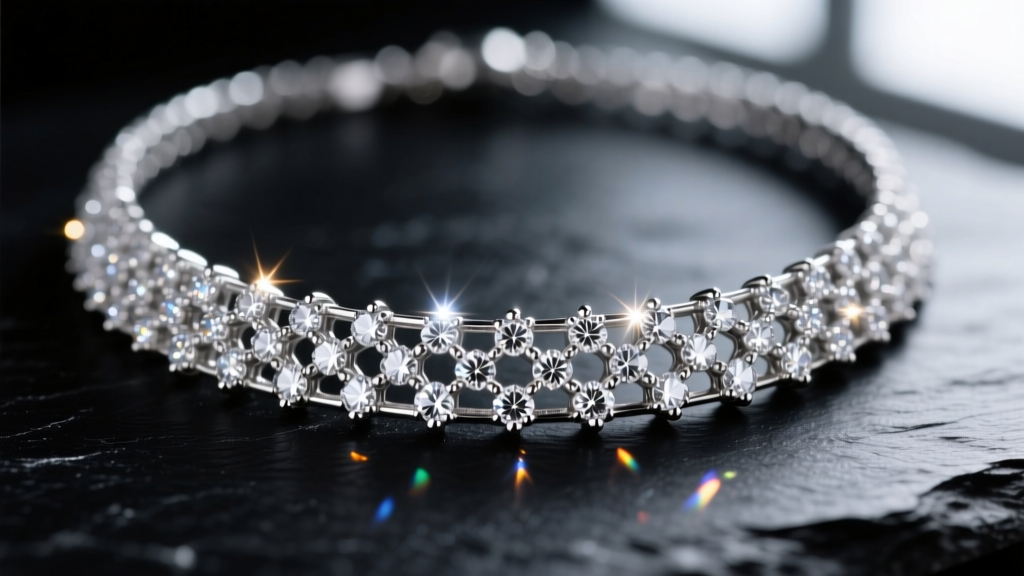
A circle of diamonds necklace—often symbolizing eternity, unity, or infinite love—is a staple in fine jewelry collections. Whether your piece features a continuous channel setting, a delicate micro-pave halo, or a minimalist bezel design, the uninterrupted ring of stones requires meticulous care to maintain its brilliance. Over time, even the highest quality VS-clarity diamonds can appear cloudy and lifeless if subjected to daily environmental pollutants, cosmetics, and natural skin oils. Because a circle pendant relies on a continuous line of light return to create its signature 'floating' or 'halo' effect, a single dull stone can disrupt the entire visual harmony of the piece.
In this comprehensive guide, we break down the exact science of diamond maintenance, provide a professional-grade cleaning routine you can execute at home, and outline the critical structural checks needed to protect your investment. Proper care is not just about aesthetics; it is about preserving the structural integrity of the precious metal and the security of the gemstones.
The Science of Diamond Sparkle and Dirt Accumulation
To understand how to clean a circle of diamonds necklace, you must first understand the chemical nature of the gemstone. Diamonds are uniquely oleophilic (oil-attracting) and hydrophobic (water-repelling). This means they readily attract sebum, heavy lotions, makeup, and cooking oils, while simultaneously repelling the water used to rinse them. When oils coat the surface of a diamond, they alter its refractive index, preventing light from entering the stone and bouncing back to the eye. Instead of sparkling, the diamond absorbs light, looking gray and opaque.
The anatomy of a circle pendant exacerbates this issue. The underside of the diamonds, known as the pavilion, is where the majority of light reflection occurs. In circular designs, the gallery (the metal framework beneath the stones) is often intricately curved to support the shape. This creates tiny, hard-to-reach crevices where microscopic debris, dead skin cells, and soap scum accumulate rapidly. If your circle necklace features a micro-pave setting—where dozens of tiny diamonds are held in place by minuscule beads of metal—the surface area for dirt trapping is multiplied exponentially.
Safe vs. Unsafe Cleaning Agents for Circle Pendants
Not all jewelry cleaners are created equal. While diamonds themselves are incredibly hard (ranking a 10 on the Mohs scale), the metals holding them—such as 14k gold, 18k gold, or platinum—are susceptible to chemical damage. Furthermore, if your circle pendant includes secondary gemstones (like pearls or emeralds) or features fracture-filled diamonds, harsh chemicals can cause irreversible damage.
| Cleaning Agent | Safety Level | Best Use Case |
|---|---|---|
| Mild Dish Soap (e.g., Dawn) | Highly Safe | Weekly maintenance, all metal types, safe for all untreated diamonds. |
| Ammonia-based Glass Cleaner | Conditional | Heavy grease removal on solid gold/platinum. Never use on porous gems or fracture-filled diamonds. |
| Ultrasonic Cleaners | Risky for Circles | Best for solitaire pendants. High vibration can shake micro-pave stones loose from circular galleries. |
| Chlorine / Bleach | NEVER USE | Causes structural pitting and weakening of gold alloys, leading to prong failure. |
| Toothpaste / Baking Soda | NEVER USE | Abrasives will scratch precious metal settings and dull the polish of the gallery. |
The Ultimate Step-by-Step Cleaning Routine
For a standard circle of diamonds necklace set in solid gold or platinum with natural, untreated diamonds, a gentle degreasing bath is the most effective home cleaning method. According to the Gemological Institute of America (GIA), regular degreasing is the key to maintaining a diamond's fire and brilliance.
Step 1: Prepare the Degreasing Solution
Fill a small, clean glass bowl with warm (not hot) water. Add a few drops of a mild, ammonia-free dish soap. Avoid soaps with heavy moisturizers or added fragrances, as these can leave a secondary film on the stones. Swish the water to create a mild lather.
Step 2: The Soak
Unclasp your necklace and lay it flat in the bowl. Allow it to soak for 20 to 30 minutes. This crucial step softens hardened sebum and cosmetic residue trapped in the pavilion and the micro-prongs of the circular setting. Do not rush this step; letting the chemistry do the work prevents the need for aggressive scrubbing later.
Step 3: Gentle Agitation
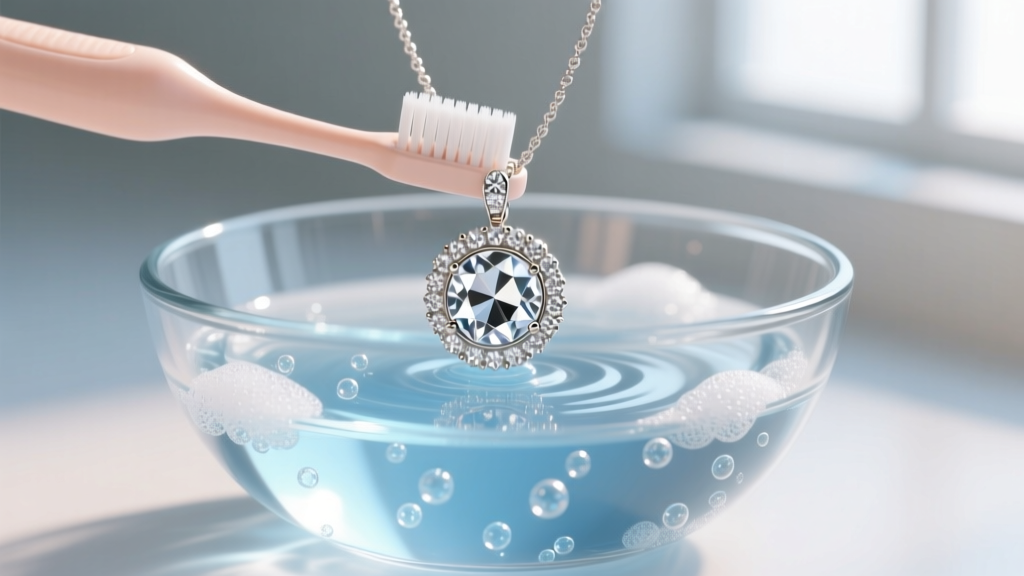
Remove the necklace from the water and use a brand-new, ultra-soft baby toothbrush. Gently brush the front of the circle, paying special attention to the edges where the metal meets the stones. Then, flip the pendant over. Brush the underside (the pavilion) using light, circular motions. Never use stiff-bristled brushes, as they can scratch softer metals like 18k yellow gold or bend delicate micro-prongs.
Step 4: The Precision Rinse
Rinse the necklace under a gentle stream of lukewarm tap water. Crucial tip: Always place a mesh strainer or a stopper in the sink drain before rinsing any fine jewelry. A circle pendant's chain can easily slip through a standard drain grate. Alternatively, rinse the piece in a separate bowl of clean, distilled water to prevent hard water spots from forming on the diamonds.
Step 5: Drying and Polishing
Do not use paper towels or tissues to dry your necklace; the wood fibers can scratch the metal and leave behind microscopic lint that clings to the prongs. Instead, use a lint-free microfiber cloth or a dedicated jewelry polishing cloth. Pat the pendant dry, and use the edge of the cloth to gently wipe the chain links.
Prong Maintenance and the Ultrasonic Danger
While keeping your diamonds clean is important, ensuring they remain securely set is paramount. Circle of diamonds necklaces, particularly those utilizing micro-pave or shared-prong settings, are highly susceptible to stone loss if subjected to improper maintenance tools.
Many jewelers and consumers rely on ultrasonic cleaners for deep cleaning. These machines use high-frequency sound waves to create microscopic bubbles that implode, blasting dirt away from the jewelry. However, for a continuous circle of micro-pave diamonds, ultrasonic vibrations can be disastrous. The intense, rapid vibrations can rattle the tiny metal beads holding the stones, gradually loosening them over time. If your circle necklace contains fracture-filled diamonds (diamonds treated with glass-like resins to hide internal flaws), the ultrasonic waves and the heat generated can shatter the stone or melt the filler, ruining the diamond permanently.
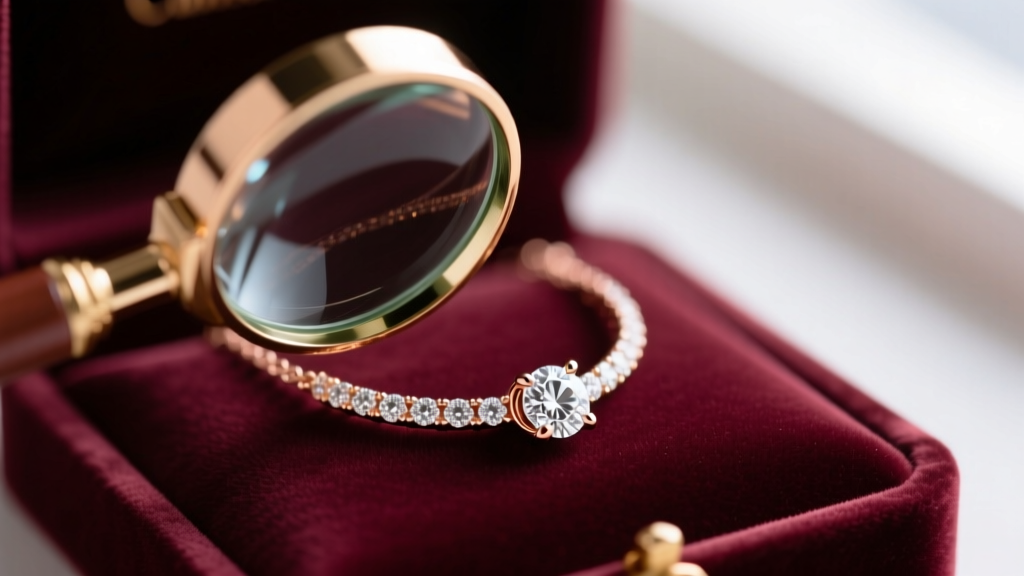
Instead of ultrasonic machines, rely on professional steam cleaning and manual inspection. As recommended by experts at Blue Nile, you should have your fine jewelry professionally inspected every 6 to 12 months. A jeweler will use a 10x loupe to check for 'lifted' prongs, worn gallery rails, and weakened chain jump rings. Because a circle pendant hangs from a single bail, the friction at the bail loop can wear down the metal over time; a jeweler can reinforce this stress point before the pendant snaps off the chain.
Daily Wear Rules and Proper Storage
Maintenance begins with how you wear and store the piece. To minimize the need for deep cleaning, adopt the 'Last On, First Off' rule. Your circle of diamonds necklace should be the final item you put on after applying makeup, perfume, hairspray, and lotions. It should be the first item you remove when you return home, before showering or doing household chores.
When storing the necklace, never toss it loosely into a jewelry box. The continuous circle of diamonds acts like a microscopic saw blade; if it rubs against softer gemstones (like opals, pearls, or even other diamonds), it will scratch them. Conversely, the precious metal chain can easily become tangled or kinked. Store the necklace flat in a soft, anti-tarnish flannel pouch, or hang it from a dedicated jewelry hook. If storing in a box, ensure the clasp is fastened and the chain is laid out straight to prevent permanent kinking of the delicate links.
Conclusion
A circle of diamonds necklace is a timeless investment that requires mindful, consistent care. By avoiding harsh chemicals, skipping the ultrasonic cleaner, and committing to a gentle weekly degreasing routine, you ensure that the unbroken ring of light remains as brilliant as the day it was acquired. Treat the setting with respect, monitor the prongs, and your eternal diamond circle will continue to sparkle flawlessly for generations.


