2026 Trend Analysis: The Rise of the Bendable Necklace
Discover why the bendable necklace is dominating 2026 jewelry trends. Explore sculptural styling, memory wire tech, and how to wear shape-shifting pieces.


The Sculptural Shift: Why Bendable Necklaces Are Dominating 2026
The jewelry landscape of 2026 has decisively pivoted from the ultra-delicate, static chains of the early 2020s toward interactive, sculptural forms. At the forefront of this movement is the bendable necklace—a category of jewelry that blurs the line between accessory and wearable art. Unlike traditional torque necklaces that rely on rigid metal tension and precise anatomical fitting, the modern bendable necklace utilizes advanced metallurgy and flexible polymers. This allows the wearer to mold, twist, and sculpt the piece to their exact stylistic preferences on any given day.
According to Vogue's comprehensive jewelry trend analysis, the demand for 'participatory jewelry' has surged over the past eighteen months. Consumers are no longer satisfied with passive adornment; they seek pieces that offer a tactile, customizable experience. The bendable necklace answers this call perfectly, transforming the wearer into a co-designer who can adjust the silhouette of their jewelry to match an asymmetrical hemline or a plunging neckline in real-time.
The Engineering Behind the Bend: Materials and Mechanics
To understand the longevity and styling potential of a bendable necklace, one must look beneath the surface. The structural integrity of these pieces relies on three primary core technologies, each offering distinct advantages in flexibility, memory, and price point.
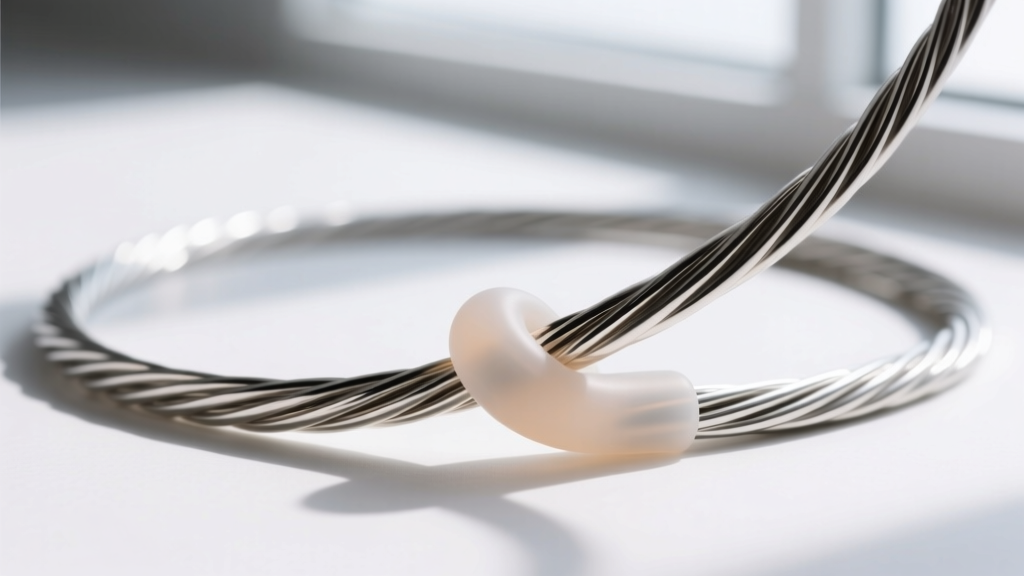
1. Nitinol (Nickel-Titanium Shape Memory Alloy)
Originally developed for aerospace engineering, Nitinol is a marvel of modern metallurgy. A bendable necklace crafted from Nitinol wire (typically 14-gauge to 18-gauge for jewelry applications) possesses 'shape memory.' You can twist it into a complex knot or wrap it tightly around the wrist as a makeshift cuff, and upon exposure to body heat or warm water, it will miraculously revert to its original, pre-trained circular or contoured shape. This makes Nitinol the premium choice for fine jewelry iterations of the trend.
2. Silicone-Encased Aluminum Armature Wire
For avant-garde and costume jewelry, designers frequently utilize thick aluminum or copper armature wire (ranging from 12-gauge to 8-gauge) encased in a medical-grade silicone sleeve. Aluminum is exceptionally malleable and lightweight, allowing the necklace to hold whatever sculptural shape the wearer bends it into without springing back. The silicone coating prevents the metal from oxidizing against the skin and provides a sleek, matte, or high-gloss finish that mimics polished enamel.
3. Articulated Ball-and-Socket Links
Rather than a continuous wire, some high-end bendable necklaces use a series of micro-hinged or ball-and-socket joints crafted from sterling silver or brass. This creates a 'snake-like' flexibility that can be bent into rigid angles and will hold its position through mechanical friction rather than metallurgical malleability.
Material Comparison Chart
| Material Core | Flexibility & Memory | Durability & Fatigue | Average Price Range |
|---|---|---|---|
| Nitinol Memory Wire | High (Springs back to original shape) | Excellent (Resists metal fatigue) | $150 - $600 |
| Aluminum + Silicone | Medium (Holds custom bent shapes) | Moderate (Prone to work-hardening) | $45 - $150 |
| Articulated Links | Low (Segmented, angular bends) | High (Mechanical joints) | $250 - $900+ |
How to Style a Bendable Necklace for Maximum Impact
The true genius of the bendable necklace lies in its styling versatility. Because the piece is not locked into a single drape, you can manipulate it to complement complex garment architectures. The Gemological Institute of America (GIA) notes that alternative alloys and non-traditional materials are redefining fine jewelry boundaries, making metallurgical innovation just as important as gemstone quality in contemporary design. Here is how to leverage that innovation in your wardrobe:
- The Asymmetrical Collar Drape: Bend the necklace into an off-center, sweeping curve that rests heavily on one collarbone while tapering off toward the opposite shoulder. This is the ultimate pairing for one-shoulder gowns or asymmetrical knitwear, as the jewelry mirrors the garment's structural imbalance.
- The Sculptural Lariat: Take a long, 30-inch bendable necklace and twist the center into a loose, abstract knot just below the clavicle, letting the two ends hang unevenly down a deep-V neckline. The wire core will hold the knot in place without the need for a physical lariat loop or clasp.
- The Halter Illusion: Wrap a shorter, 16-inch bendable piece tightly around the nape of the neck and bend the front ends downward so they trace the line of a halter top. This creates a striking, futuristic framing of the face and works beautifully with backless dresses.
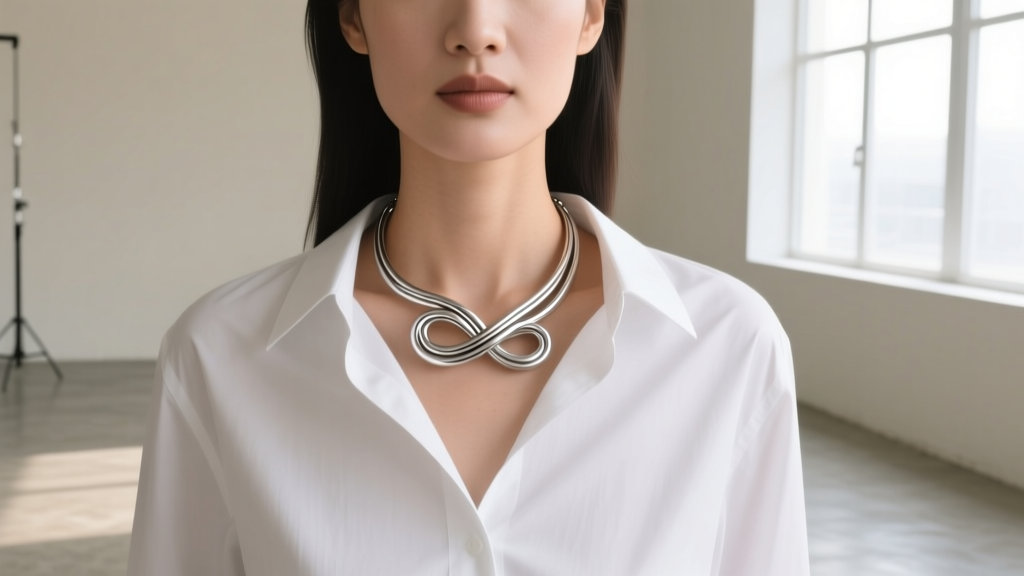
'We are seeing a definitive rejection of static jewelry in the street-style sphere. The bendable necklace acts as a dynamic extension of the wearer's mood and posture. It is participatory fashion at its most accessible.'
— 2026 Global Accessories Trend Forecast
Market Tiers: From Avant-Garde to Accessible Luxury
The proliferation of the bendable necklace has created a highly stratified market. At the apex, avant-garde fine jewelers are experimenting with 18k gold-plated Nitinol and solid titanium memory wire, pushing price points well past the $1,000 mark. These pieces are often showcased on editorial runways and cater to collectors of wearable sculpture.
In the contemporary accessible luxury tier ($120 to $350), brands are utilizing high-grade surgical stainless steel cores with premium silicone or polyurethane sleeves. These offer a fantastic balance of durability and aesthetic appeal, providing the heavy, substantial feel of fine jewelry without the prohibitive cost.
Finally, the fast-fashion and indie artisan tier ($30 to $90) is dominated by aluminum armature wire coated in colorful matte silicones. While these pieces are incredibly fun and perfect for trend-focused styling, they require more careful handling to avoid material failure.
Care and Maintenance: Preventing Metal Fatigue
The greatest vulnerability of any bendable necklace is metal fatigue. When you repeatedly bend a standard metal (like copper or untreated aluminum) in the exact same spot, the crystalline structure of the metal undergoes 'work hardening.' It becomes brittle and will eventually snap.
To maximize the lifespan of your shape-shifting jewelry, adhere to these maintenance rules:
- Vary the Bend Radius: Never crease an aluminum-core necklace sharply. Always bend it in smooth, sweeping curves, and vary the location of the bends each time you wear it to distribute the mechanical stress across the entire length of the wire.
- Nitinol Storage: While Nitinol resists fatigue, it is best stored flat or in its natural, pre-trained circular state to preserve the thermal memory training over years of use.
- Cleaning Silicone Coatings: Avoid ultrasonic cleaners and harsh chemical dips, which can degrade the adhesive bond between the metal core and the silicone sleeve. Instead, wipe the necklace down with a microfiber cloth dampened with 70% isopropyl alcohol to remove skin oils and makeup.
Final Verdict: A Lasting Evolution in Adornment
The bendable necklace is not a fleeting micro-trend; it represents a fundamental shift in how consumers interact with their accessories. By merging aerospace-grade metallurgy with high-fashion silhouettes, designers have created a category of jewelry that is as functional and interactive as it is beautiful. Whether you opt for a high-end Nitinol torque or a playful, silicone-coated armature piece, mastering the art of the bend will ensure your jewelry game remains at the cutting edge of 2026 style.


