Claw Necklace Materials: Natural Keratin vs Cast Metals
Compare natural keratin, bone, and cast metal alloys for your claw necklace. Discover durability, ethical sourcing, and care tips for talon pendants.

The Anatomy of a Claw Necklace: Why Material Dictates Longevity
The claw necklace—whether styled as a rugged talon, a stylized animal paw, or a wire-wrapped crystal prong—has transcended its bohemian and biker roots to become a staple in contemporary statement jewelry. However, the visual appeal of a claw pendant is only half the equation. The material composition dictates not only the pendant's weight and drape but also its longevity, skin compatibility, and ethical footprint. When investing in a claw necklace, buyers are generally choosing between two distinct material categories: organic naturals (keratin and carved bone) and cast metals (sterling silver, bronze, and titanium). Understanding the metallurgical and biological properties of these materials is essential for making an informed purchase that aligns with your lifestyle and maintenance preferences.
Natural Materials: Keratin, Bone, and Ethical Sourcing
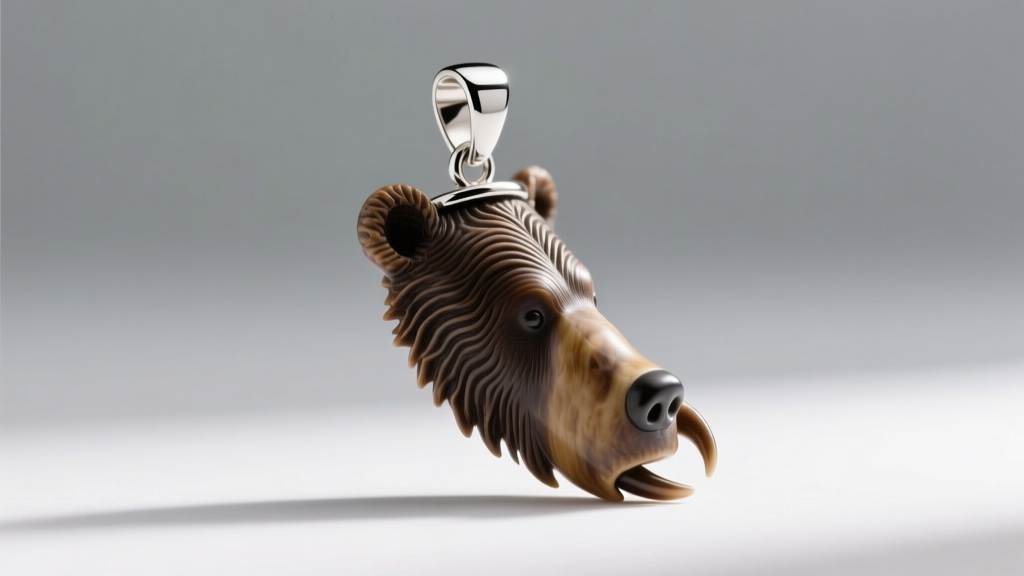
For purists and collectors, nothing replicates the authentic texture of a genuine animal claw. Natural claw necklaces are typically crafted from either actual keratinous claws (such as bear, wolf, or eagle) or carved animal bone designed to mimic the talon shape. While visually striking, organic materials present unique structural vulnerabilities that metal simply does not possess.
Physical Properties and Vulnerabilities
Genuine claws are composed of keratin, the same fibrous structural protein found in human hair and nails. On the Gemological Institute of America (GIA) Mohs hardness scale, keratin ranks exceptionally low, typically between 2.0 and 2.5. This makes natural claw pendants highly susceptible to scratching, delamination, and cracking if subjected to impact or extreme temperature fluctuations. Keratin begins to degrade and become brittle when exposed to prolonged UV radiation or temperatures exceeding 60°C (140°F). Furthermore, natural claws are hygroscopic; they absorb moisture from the air and skin, which can lead to warping or the development of micro-fissures over time. To maintain a natural keratin claw necklace, owners must periodically treat the surface with specialized organic waxes or mineral oils to prevent desiccation.
Ethical Sourcing and CITES Regulations
The most critical consideration when purchasing a natural claw necklace is provenance. The international trade of wildlife parts is strictly governed by the CITES species database. Purchasing claws from protected or endangered species without proper documentation is not only illegal but fuels unethical poaching. Reputable jewelers will provide certificates of authenticity proving the claw was ethically sourced—such as naturally shed antlers or claws collected from regulated, sustainable population control programs. Because of these strict regulations and the scarcity of ethically sourced specimens, genuine keratin claw necklaces often command premium prices, ranging from $150 to over $800 depending on the species and size.
Cast Metals: Sterling Silver, Bronze, and Titanium
To bypass the ethical dilemmas and structural fragility of natural claws, modern jewelers heavily utilize cast and milled metals. Metal claw necklaces offer superior durability, allowing for intricate detailing of the talon's striations and ridges without the risk of biological degradation.
Sterling Silver (925) and Antiqued Finishes
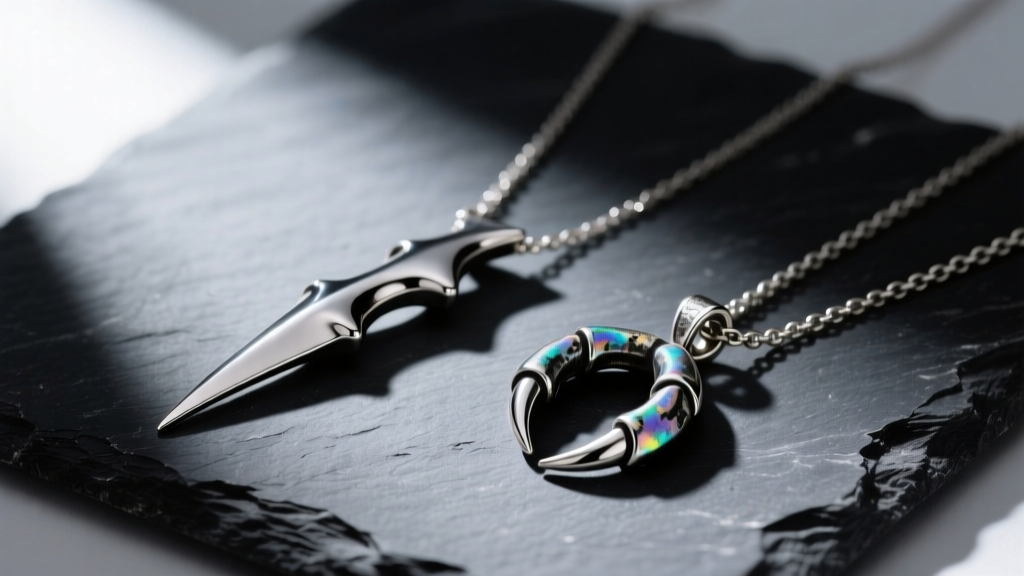
Sterling silver is the most prevalent metal used in high-end claw necklaces. Composed of 92.5% pure silver and 7.5% copper (as noted by Jewelers of America), it offers an excellent balance of malleability for casting and durability for daily wear. Silver claw pendants are frequently treated with liver of sulfur to create an oxidized, antiqued finish. This deliberate tarnishing settles into the deep grooves of the talon design, creating high contrast that accentuates the claw's natural texture. While silver is relatively soft (Mohs 2.5-3.0), it is easily polished and repaired. However, the copper content means the pendant will continue to react with sulfur in the environment, requiring occasional polishing with a microfiber cloth to maintain the raised highlights.
Bronze and Brass: Weight and Patina
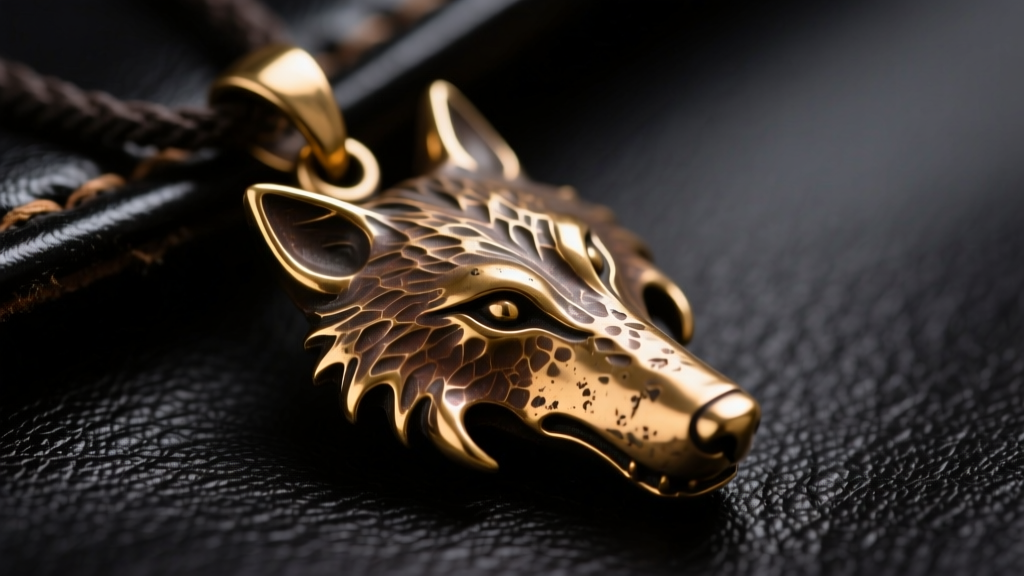
Bronze (typically 88% copper and 12% tin) and brass (copper and zinc) are favored for their warm, earthy tones and substantial heft. A solid cast bronze wolf claw pendant can easily weigh between 30 and 50 grams, providing a satisfying, heavy drape that appeals to fans of rugged, statement jewelry. The primary drawback of bronze is its reactivity. The high copper content reacts with the lactic acid and salts in human sweat to form copper chloride, which can temporarily stain the skin green. While harmless, this reaction is undesirable for many. To mitigate this, some manufacturers apply a clear nano-ceramic coating to the inner curve of the claw, though this coating will eventually wear away with friction.
Grade 5 Titanium: The Modern Alternative
For those seeking a lightweight, hypoallergenic, and virtually indestructible claw necklace, Grade 5 Titanium (Ti-6Al-4V) is the apex material. With a Mohs hardness of 6.0, titanium is highly resistant to scratching and will not tarnish or react with skin chemistry. Unlike silver or bronze, titanium cannot be easily cast using traditional lost-wax methods due to its extremely high melting point (1,668°C). Instead, titanium claw pendants are typically CNC machined from solid billets or created via Direct Metal Laser Sintering (DMLS) 3D printing. This results in a higher retail price but guarantees a pendant that will outlast its owner without requiring any chemical maintenance.
Material Comparison Matrix
Use the following data table to compare the physical and economic properties of common claw necklace materials before making your selection.
| Material | Mohs Hardness | Tarnish / Oxidation Risk | Weight Profile | Avg. Price Range |
|---|---|---|---|---|
| Natural Keratin | 2.0 - 2.5 | N/A (Prone to drying/cracking) | Very Light | $150 - $800+ |
| Carved Bone | 2.5 - 3.0 | N/A (Porous, absorbs oils) | Light to Medium | $40 - $120 |
| Sterling Silver (925) | 2.5 - 3.0 | High (Requires polishing) | Medium to Heavy | $80 - $250 |
| Cast Bronze | 3.0 - 4.0 | High (Develops patina, skin reaction) | Very Heavy | $50 - $150 |
| Grade 5 Titanium | 6.0 | None (Highly corrosion resistant) | Very Light | $120 - $300 |
Chain Pairing and Bail Hardware Specifications
A common failure point in claw necklaces is not the pendant itself, but the hardware used to suspend it. Claw pendants, particularly solid metal replicas, are front-heavy and possess a high center of gravity. Suspending a 40-gram bronze claw on a delicate 1.5mm chain is a recipe for a snapped link and a lost pendant.
For metal claw necklaces weighing over 20 grams, you must pair the pendant with a chain that possesses adequate tensile strength. We recommend a minimum chain gauge of 3.0mm to 5.0mm. Rope chains, curb chains, and Figaro chains are ideal because their interlocking link structures distribute the pendant's weight evenly, preventing stress on individual solder joints. Furthermore, pay close attention to the bail—the loop that connects the claw to the chain. A cast metal claw should feature a soldered, solid-loop bail with an inner diameter of at least 5mm to accommodate thicker chains. Avoid pendants where the bail is merely a thin wire wrapped around the base of the talon, as the friction from a heavy chain will eventually saw through the soft wire.
Final Verdict: Matching Material to Lifestyle
Choosing the right claw necklace ultimately depends on how and where you intend to wear it. If you are an outdoor enthusiast, hiker, or someone who lives in a humid climate, Grade 5 Titanium or heavily oxidized Sterling Silver are your best options. They will withstand sweat, moisture, and accidental impacts without degrading. Conversely, if you are a collector of rare artifacts or deeply connected to nature-based aesthetics, an ethically sourced, CITES-certified natural keratin claw offers an irreplaceable organic beauty—provided you are willing to commit to the meticulous climate control and oiling required to preserve it. By prioritizing material properties over mere aesthetics, you ensure your claw necklace remains a powerful, enduring statement piece for decades to come.


