Ultimate Care Guide: Cleaning Your 7 Chakra Necklace
Learn how to safely clean, maintain, and recharge your 7 chakra necklace. Expert gemstone care tips to protect delicate crystals and metal settings.

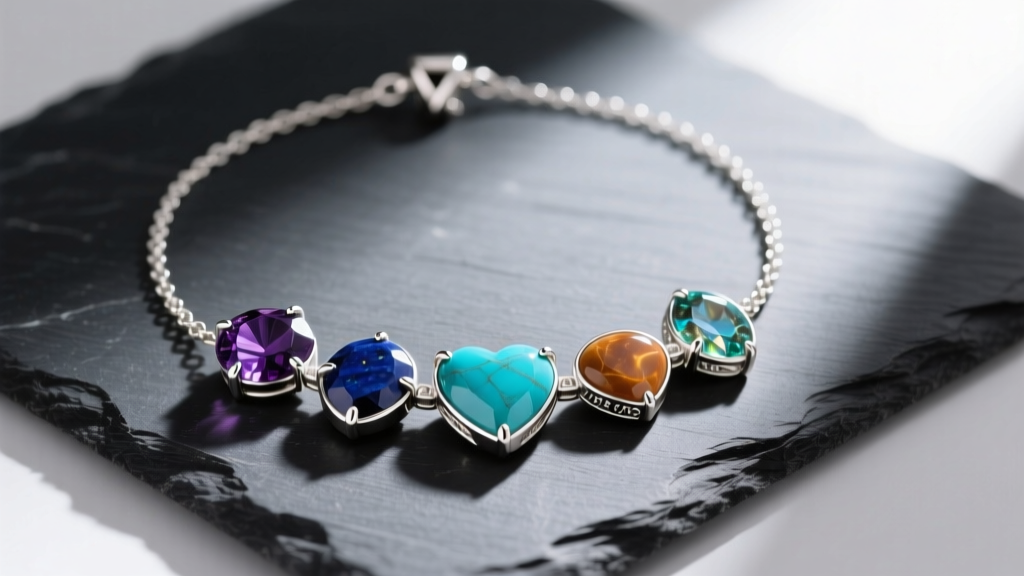
A 7 chakra necklace is more than just a beautiful piece of spiritual jewelry; it is a complex assembly of vastly different minerals. From the deep purple of amethyst to the porous blue of turquoise, these necklaces represent a unique gemological challenge. While standard jewelry cleaning methods might work for a simple diamond or gold pendant, applying those same techniques to a multi-stone chakra piece can result in irreversible damage, color loss, or shattered crystals.
In this comprehensive guide, we break down the exact gemological properties of the stones typically found in a 7 chakra necklace and provide a meticulous, step-by-step protocol for physical cleaning, metal maintenance, and energetic recharging.
The Anatomy of a 7 Chakra Necklace: Why Standard Cleaning Fails
The primary issue with cleaning a 7 chakra necklace lies in mineral diversity. Jewelry cleaners often treat all gemstones as if they possess the durability of a diamond or sapphire. However, the stones aligned with the throat and third-eye chakras—such as turquoise, lapis lazuli, and sodalite—are highly porous and chemically sensitive. If you submerge a 7 chakra necklace in a commercial jewelry dip or place it in an ultrasonic cleaner, the high-frequency cavitation and harsh acids will aggressively strip the natural oils from turquoise, dissolve the calcite matrix in lapis lazuli, and potentially shatter the stones from the inside out.
Furthermore, many budget-friendly chakra necklaces utilize dyed howlite or agate to mimic turquoise and carnelian. Prolonged exposure to water or chemical cleaners will cause these dyes to bleed, leaving you with a dull, discolored pendant and a stained metal chain.
Gemstone Hardness and Porosity: The Mohs Scale Breakdown
To clean your necklace safely, you must understand the GIA Gem Encyclopedia standards for hardness and stability. The Mohs scale measures a mineral's resistance to scratching, but it does not account for porosity or chemical stability. Below is a breakdown of the standard stones used in chakra jewelry and their specific vulnerabilities.
| Chakra | Common Stone | Mohs Hardness | Porosity & Water Safety |
|---|---|---|---|
| Crown | Amethyst | 7 | Non-porous. Safe in water. Prolonged UV exposure causes fading. |
| Third Eye | Lapis Lazuli / Sodalite | 5 - 6 | Porous. Contains calcite/pyrite. Acid-sensitive. Avoid soaking. |
| Throat | Turquoise / Howlite | 5 - 6 | Highly porous. Absorbs oils and chemicals. Never soak in water. |
| Heart | Green Aventurine / Jade | 6.5 - 7 | Low porosity. Generally safe in water. Avoid harsh acids. |
| Solar Plexus | Tiger's Eye / Citrine | 7 | Non-porous. Safe in water. Heat-sensitive (citrine can crack). |
| Sacral | Carnelian | 6.5 - 7 | Low porosity. Safe in water. Stable under normal conditions. |
| Root | Red Jasper / Garnet | 6.5 - 7.5 | Non-porous. Safe in water. Avoid hard knocks due to cleavage. |
As noted by the Mindat Mineral Database, the presence of inclusions and natural fractures in stones like Tiger's Eye and Turquoise makes them particularly susceptible to thermal shock and chemical infiltration.
Step-by-Step Wet Cleaning Method (Safe for Most Stones)
Because you are dealing with a spectrum of mineral stabilities, the safest approach to physically cleaning a 7 chakra necklace is a targeted, localized wet cleaning method rather than full submersion.
What You Need
- Distilled water (tap water contains chlorine and hard minerals that can leave deposits on porous stones)
- A pH-neutral, dye-free dish soap (such as original Dawn)
- Two ultra-soft microfiber cloths
- Cotton swabs (Q-tips)
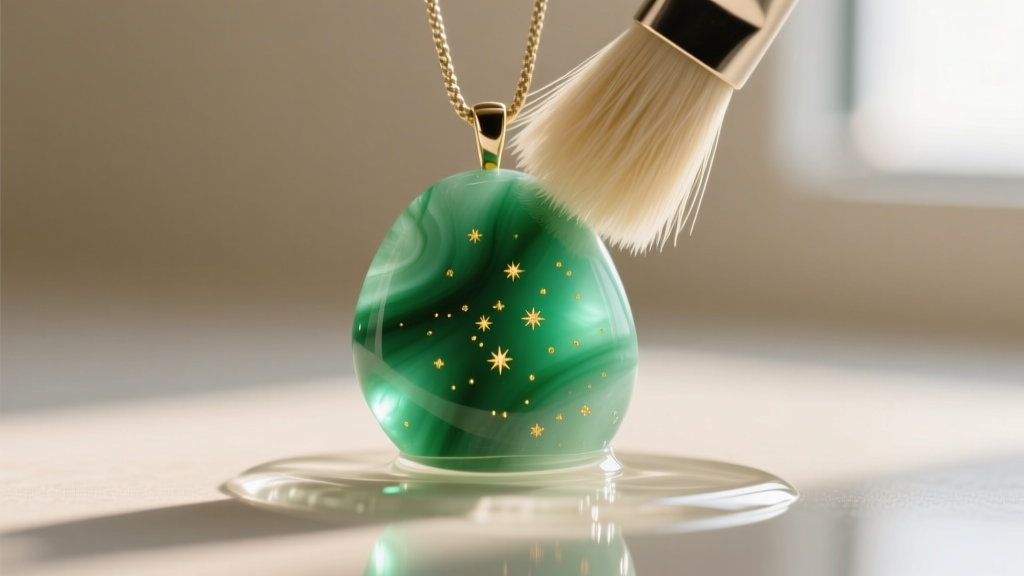
- A baby-hair soft bristle brush
The Process
- Prepare the Solution: Mix a few drops of pH-neutral soap into a small bowl of lukewarm distilled water. Never use hot water, as thermal shock can fracture quartz-based stones like amethyst and citrine.
- Clean the Durable Stones First: Dip the soft bristle brush into the solution and gently agitate the Crown, Heart, Solar Plexus, Sacral, and Root stones (Amethyst, Aventurine, Tiger's Eye, Carnelian, Jasper). Use a microfiber cloth to wipe away the suds.
- Spot-Clean the Porous Stones: For the Throat and Third Eye stones (Turquoise, Lapis, Sodalite), do not use the brush or submerge them. Instead, dip a cotton swab into the distilled water (no soap), wring it out until it is merely damp, and gently roll it over the surface of the stone to lift surface oils and dust.
- Dry Immediately: Use a dry, lint-free microfiber cloth to pat the entire necklace dry. Ensure no moisture is trapped in the bezel settings or prongs, as lingering water can oxidize sterling silver settings from the inside out.
Dangerous Cleaning Methods to Avoid Immediately
Never place a multi-gemstone spiritual necklace into an ultrasonic cleaner. The microscopic bubbles created by ultrasonic cavitation will exploit natural fractures in quartz and completely dissolve the porous matrix of turquoise and lapis lazuli.
Beyond ultrasonics, you must strictly avoid the following:
- Commercial Silver Dips: These liquid tarnish removers contain thiourea and strong acids. If the liquid touches your turquoise or lapis, it will permanently strip the stone's natural polish and leave a chalky, white residue that cannot be reversed.
- Steam Cleaners: The sudden blast of high-pressure heat causes rapid expansion and contraction, which will shatter included stones like Tiger's Eye and fracture heat-treated amethyst.
- Salt Water Soaks: While popular in some spiritual communities for 'energetic cleansing,' salt water is highly corrosive to sterling silver (925) and gold vermeil chains, and salt crystals will lodge into the microscopic pores of turquoise, degrading the stone over time.
Metal Maintenance: Polishing the Chain and Settings
Most high-quality 7 chakra necklaces are crafted from 925 sterling silver or brass with gold plating. Sterling silver naturally tarnishes when exposed to sulfur in the air and the natural oils on your skin. To polish the metal without damaging the gemstones, use a treated jeweler's polishing cloth (such as a Sunshine cloth).
Fold the cloth to create a small, precise edge. Pinch the silver chain or the bezel setting between your fingers and rub gently. Crucial: Do not rub the treated polishing cloth directly over the porous stones. The mild abrasives and chemical tarnish-removers embedded in the cloth can dull the surface of lapis lazuli and turquoise. For tight spaces around the stone settings, use a dry, wooden toothpick to gently scrape away oxidized tarnish without risking chemical transfer to the gems.
Energetic Cleansing vs. Physical Cleaning
For wearers who utilize a 7 chakra necklace for meditation and energy work, physical dirt is only half the equation. Energetic cleansing requires methods that do not compromise the physical integrity of the minerals.
- Smoke Cleansing (Smudging): Pass the necklace through the smoke of Palo Santo, sage, or incense. This is 100% safe for all gemstones and metals, making it the premier choice for clearing energy without risking water damage to the throat chakra stones.
- Selenite Charging Plates: Resting your necklace on a flat selenite slab overnight is an excellent way to recharge the crystals. Selenite provides a stable, dry environment that won't scratch the softer stones in your pendant.
- Moonlight Bathing: Leaving the necklace on a windowsill during a full moon is safe for all stones. Unlike direct sunlight—which will permanently bleach the purple hue out of amethyst and fade the pink/red tones in carnelian—moonlight provides zero UV radiation risk.
Proper Storage to Prevent Micro-Scratches
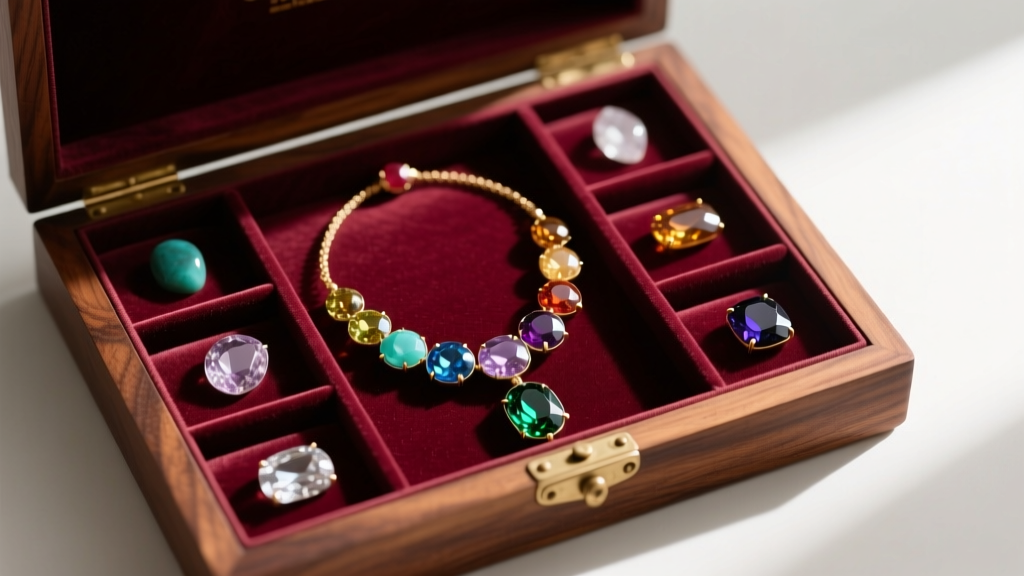
The final pillar of chakra necklace maintenance is proper storage. Because your necklace features stones ranging from Mohs 5 (Turquoise) to Mohs 7.5 (Garnet), improper storage will result in the harder stones severely scratching the softer ones. If you toss your necklace into a communal jewelry box where the amethyst and jasper beads rub against the turquoise and lapis, the softer throat and third-eye stones will quickly become scuffed and lose their polish.
Always store your 7 chakra necklace in an individual, soft flannel or velvet pouch. If you prefer a jewelry box, ensure the pendant is laid completely flat in a wide compartment where the chain cannot swing and act as a whip, striking the softer gemstones with the harder metal clasps or quartz beads. By respecting the unique gemological profile of each stone, your 7 chakra necklace will remain physically pristine and energetically vibrant for years to come.


