How to Clean and Care for Your Aerie Tennis Necklace
Learn how to safely clean, store, and maintain your Aerie tennis necklace. Expert tips to prevent tarnish and keep cubic zirconia stones sparkling.

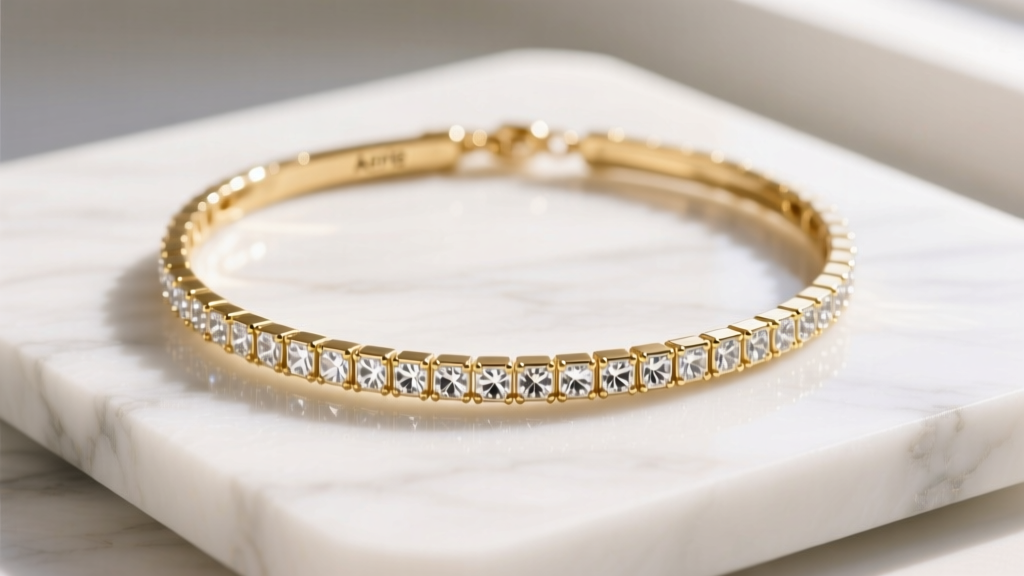
The tennis necklace remains a dominant force in 2026 jewelry trends, offering a continuous line of brilliance that effortlessly elevates any neckline. Aerie's iteration of this classic design provides accessible luxury, making high-impact sparkle available for everyday wear. However, fashion jewelry requires a fundamentally different maintenance approach than fine jewelry. To keep your Aerie tennis necklace looking brand new, you must understand the specific metallurgy and stone settings involved, and adapt your cleaning routine accordingly.
Understanding Your Aerie Tennis Necklace Materials
Aerie's fashion jewelry typically relies on electroplating or PVD (Physical Vapor Deposition) coating over a base metal like brass or stainless steel. The gold or silver finish is generally between 0.5 and 1.5 microns thick. To put that delicate veneer into perspective, a single human hair is about 70 microns thick. This extreme thinness means that aggressive polishing, abrasive pastes, or harsh chemical cleaners will strip the finish down to the base metal, causing irreversible tarnishing and discoloration.
The stones in an Aerie tennis necklace are precision-cut Cubic Zirconia (CZ) or high-grade crystal, set in delicate micro-prongs or bezels. According to the Gemological Institute of America (GIA), while CZ is relatively hard (8-8.5 on the Mohs scale), it is highly oleophilic. This means it readily attracts and holds onto body oils, lotions, and sebum, which drastically reduces its refractive index and makes the stones look cloudy, dull, and gray. Furthermore, the adhesives or micro-prongs used in fashion jewelry are not designed to withstand the intense cavitation forces of professional ultrasonic cleaners.
The Step-by-Step Cleaning Routine
To safely restore the optical brilliance to your Aerie tennis necklace without compromising the delicate plating, follow this gentle, expert-approved cleaning protocol.
Step 1: The Dry Dusting
Before introducing any moisture, use a clean, lint-free microfiber cloth to gently wipe the chain and stones. This removes surface dust and prevents you from rubbing abrasive environmental particles into the soft gold or silver plating during the wet wash phase.
Step 2: The Lukewarm Soak
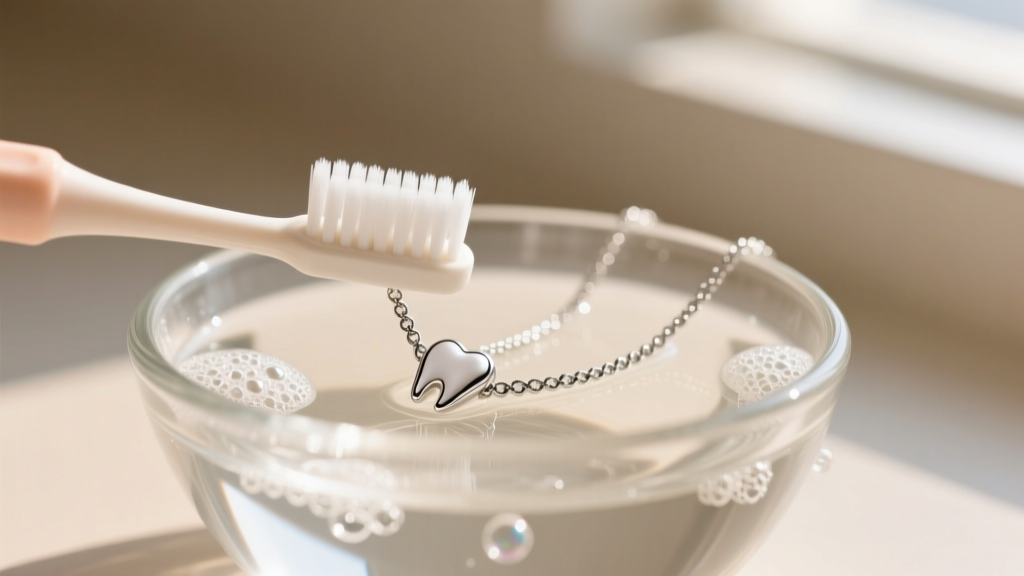
Fill a small glass bowl with lukewarm water. Avoid hot water entirely, as thermal expansion can weaken the jewelry adhesives holding the CZ stones in their settings. Add exactly one drop of mild, phosphate-free dish soap (such as Dawn). Submerge the necklace and let it soak for no more than 3 to 5 minutes. This brief soak loosens body oils, perfume residue, and dead skin cells trapped in the stone pavilions.
Step 3: Micro-Agitation
Use an extra-soft baby toothbrush (look for bristles rated 0.1mm or smaller). Gently brush the back of the tennis necklace, focusing on the pavilion (the bottom point) of each stone where grease heavily accumulates. Brush in small, circular motions. Never use a standard adult toothbrush, as the stiff nylon bristles will leave permanent micro-scratches on the plated metal.
Step 4: Rinsing and Drying
Rinse the necklace under a gentle stream of lukewarm water. Ensure the sink drain is securely plugged! Lay the necklace flat on a clean paper towel and gently pat it dry. Do not rub. Allow it to air dry completely in a well-ventilated area for at least two hours before storing.
Dealing with Hard Water Spots
If you live in an area with hard water, tap water will leave calcium and magnesium deposits on your CZ stones, creating a milky film that mimics cloudiness. Always use distilled or filtered water for the final rinse to ensure the stones dry completely clear and maintain their maximum light return.
What to Avoid: The Enemies of Plated Jewelry
When maintaining fashion jewelry, knowing what not to do is just as critical as knowing the proper cleaning methods. The Jewelers of America explicitly warns against using household chemicals and mechanical cleaners on plated items.
- Ultrasonic Cleaners: These devices use high-frequency sound waves (typically 40kHz) to create microscopic bubbles that implode, blasting dirt away. While excellent for solid gold and diamonds, this cavitation will easily strip 1-micron plating and shake CZ stones loose from their glued settings.
- Jewelry Dips and Silver Polish: Commercial silver dips contain thiourea and harsh acids that will instantly dissolve the thin rhodium or gold flash plating on your Aerie necklace, leaving it blotchy, raw, and highly susceptible to rapid oxidation.
- Chlorine and Saltwater: Wearing your tennis necklace in a pool or the ocean is a recipe for disaster. Chlorine reacts with the copper and zinc in the brass base metal, causing rapid, deep-set corrosion that bleeds through the plating as green or black spots.
- Perfumes and Hairsprays: The alcohol and aerosol propellants in cosmetics degrade the protective top-coats often applied over fashion jewelry plating. Always put your necklace on after applying cosmetics and allowing them to dry.
Storage and Tarnish Prevention Strategies
Tarnish is a chemical reaction (oxidation and sulfidation) that occurs when the base metals or the silver plating react with sulfur compounds in the air and ambient moisture. Because an Aerie tennis necklace features a continuous, flexible line of stones, storing it improperly can also lead to severe chain tangling and prong snagging.
Anti-Tarnish Storage Comparison
| Storage Method | Tarnish Prevention Efficacy | Snag Protection | Estimated Cost |
|---|---|---|---|
| Standard Jewelry Box | Low (Air permeable) | Low | $20 - $50 |
| Sealed Ziploc + Silica Gel | Medium-High | High | $0.10 per bag |
| Anti-Tarnish Flannel Pouch | High (Treated with silver nitrate) | High | $5 - $12 |
| Vacuum Sealed Bag | Maximum | High | $0.25 per bag |
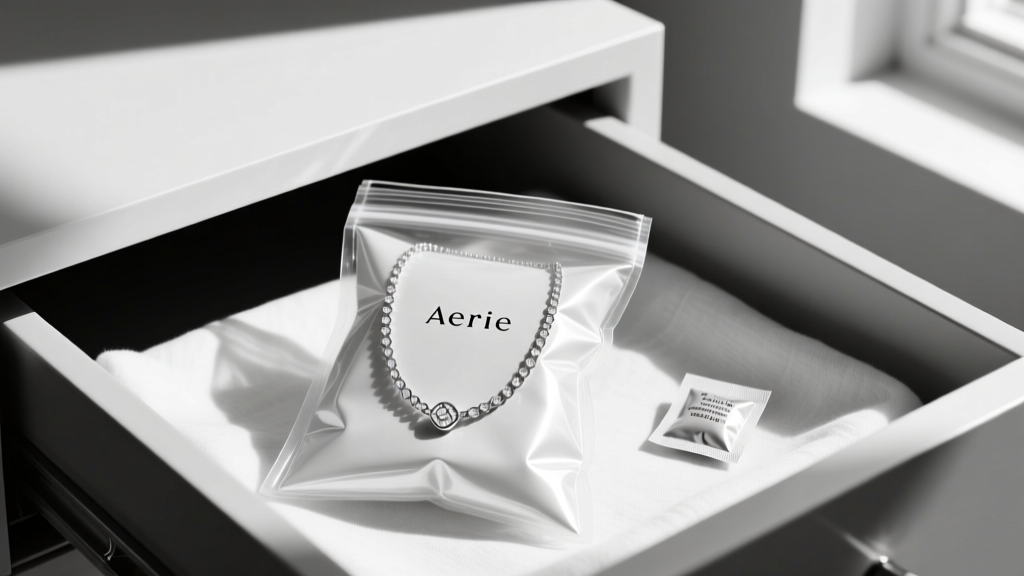
For optimal care, always clasp the necklace before storing to prevent the delicate chain from knotting. Place it inside an anti-tarnish flannel pouch or a sealed plastic bag with a fresh 3M anti-tarnish strip. Replace the strips every 6 months, as they become saturated with sulfur compounds and lose efficacy over time.
Troubleshooting: Stone Loss and Clasp Issues
Even with meticulous care, fashion jewelry experiences mechanical wear and tear. Here is how to handle common structural issues with your Aerie tennis necklace:
Loose or Missing Cubic Zirconia Stones
If a stone falls out, do not use superglue (cyanoacrylate). Superglue cures brittle and leaves a cloudy white residue that will permanently ruin the refractive quality of adjacent CZ stones. Instead, use a specialized jewelry adhesive like GS Hypo Cement. Apply a microscopic drop using the needle applicator, seat the stone with a wax-tipped pickup pen, and let it cure undisturbed for 24 hours.
Stiff Spring Ring Clasps
The spring ring clasps on delicate tennis necklaces frequently become stiff due to lotion buildup inside the tiny spring mechanism. Apply a microscopic drop of mineral oil to the clasp lever, work it back and forth, and wipe away the excess with a cotton swab. Avoid using WD-40, which contains petroleum distillates that can degrade the jewelry's clear protective coat.
Checking Jump Ring Fatigue
The small jump ring connecting the clasp to the chain is a primary failure point. Inspect this ring monthly. If you notice the gap in the ring has widened, gently squeeze it closed using two pairs of flat-nose jewelry pliers, applying pressure from the sides rather than pulling the gap apart.
Final Thoughts on Fashion Jewelry Longevity
An Aerie tennis necklace offers the luxurious, high-impact look of a diamond tennis chain at a fraction of the cost, but it requires a deliberate shift in maintenance mindset. By treating the plating as a delicate veneer and the stones as precision optics, you can easily extend the lifespan of your necklace from a single season to several years. Consistent, gentle cleaning and airtight storage are your best investments in preserving its brilliant sparkle for every occasion.


