What Does Blue on a Mood Necklace Mean? Value Guide
Discover what does blue on a mood necklace mean, how thermochromic crystals work, and how to assess the true value of vintage and modern pendants.

The Enduring Allure of Thermochromic Jewelry
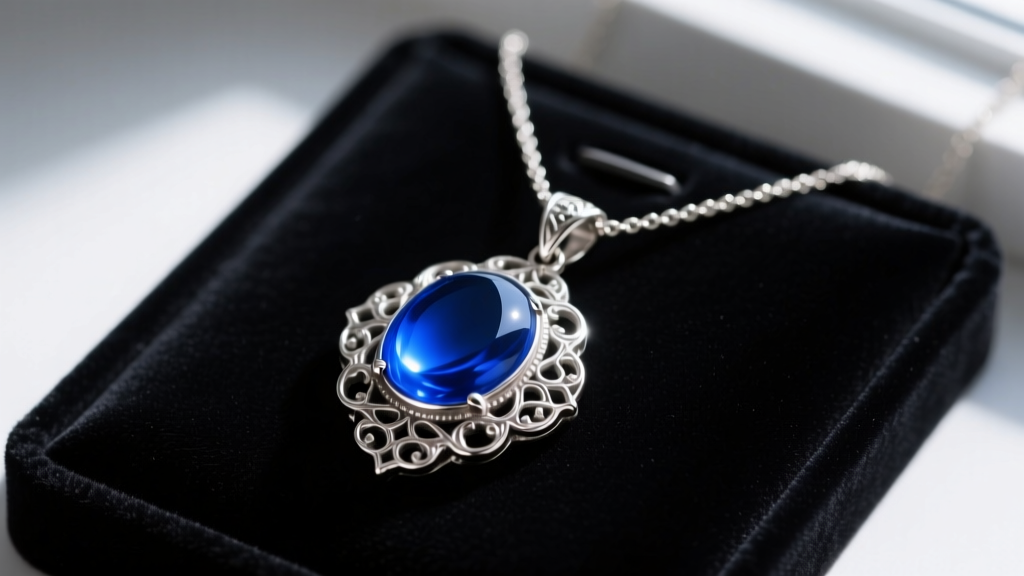
Since their explosive debut in the 1970s, mood necklaces have remained a fascinating intersection of novelty, nostalgia, and wearable chemistry. Whether you are unearthing a vintage piece from a thrift store bin or browsing modern artisan reproductions in 2026, understanding the mechanics behind these color-shifting pendants is crucial for any jewelry collector. The most common question we receive from collectors and casual wearers alike is: what does blue on a mood necklace mean? Beyond the surface-level novelty, answering this question requires a deep dive into thermochromic liquid crystals, temperature thresholds, and the material degradation that ultimately dictates a piece's market value.
In this comprehensive budget and value assessment, we will decode the specific meanings behind the blue spectrum in mood jewelry, explore the chemical realities of cholesteric liquid crystals, and provide a rigorous framework for evaluating whether a mood pendant is a worthless novelty or a valuable piece of vintage pop-culture history.
The Science: What Does Blue on a Mood Necklace Mean?
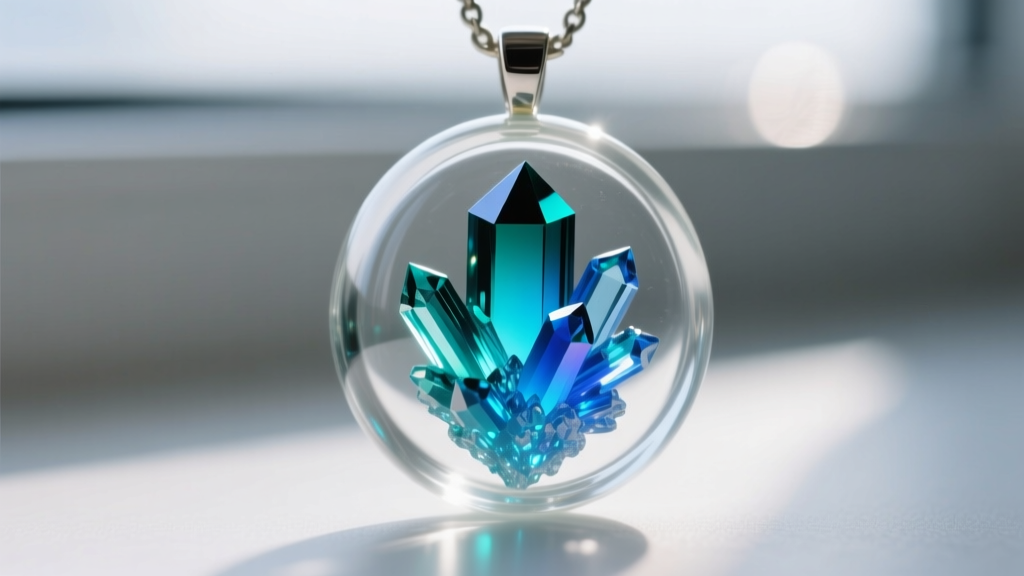
To understand the color shifts, we must first look at the thermochromic principles governing the pendant's core. Authentic mood jewelry relies on cholesteric liquid crystals—specifically, chiral nematic phases that twist and untwist in response to minute fluctuations in ambient and body temperature. These microscopic twists alter the pitch of the crystal lattice, which in turn changes the wavelength of light that is reflected back to the human eye.
When a mood necklace turns blue, it is reflecting light at a wavelength of approximately 450 to 495 nanometers. In terms of thermal dynamics, this specific reflection occurs when the liquid crystal matrix reaches a surface temperature of roughly 32°C to 34°C (89°F to 93°F). Because human skin temperature naturally fluctuates based on blood flow and emotional arousal, the color blue generally indicates a state of physical warmth and vasodilation.
Decoding the Blue Spectrum
Not all blues are created equal. The specific shade of blue offers a more granular reading of the wearer's surface temperature and, by proxy, their physiological state.
- Deep Ocean Blue (33°C - 34°C): Signifies optimal relaxation, contentment, and a stable, slightly elevated body temperature. Blood is flowing freely to the extremities and the skin surface, often associated with a calm, happy mood.
- Light Cyan / Sky Blue (31°C - 32°C): Indicates a neutral, zen-like state. The wearer is relaxed but not overly stimulated. This is the baseline 'resting' color for many individuals in a comfortable room-temperature environment.
- Blue-Green / Teal (30°C - 31°C): Represents a transitional phase. The wearer might be mildly active, slightly cool, or experiencing a mix of calm and alertness.
Budget & Value Assessment: Vintage vs. Modern Reproductions
If you are evaluating a mood necklace for purchase, the color it displays in the display case is only a fraction of the assessment. The true value lies in the casing materials, the integrity of the hermetic seal, and the provenance of the piece. The history of the mood ring and pendant market is flooded with cheap knockoffs, making it vital to distinguish between original 1970s pieces, 1990s mall-kiosk replicas, and modern 2026 artisan interpretations.
Material Grades and Casing Integrity
The liquid crystal matrix is incredibly fragile. Exposure to water, humidity, and UV light will permanently destroy the molecular alignment, causing the pendant to default to a dead, opaque black. Therefore, the bezel and cabochon seal are the primary drivers of value.
Expert Appraisal Note: When inspecting a vintage mood pendant, always check the seam where the glass or quartz cabochon meets the metal bezel. If you see a cloudy, dark ring forming just inside the edge of the color-changing area, moisture has breached the seal. The piece is chemically dead and holds zero functional value, regardless of the silver content.
Market Value Comparison Chart
| Era / Type | Base Material | Cabochon Seal | Avg. Market Value (2026) | Investment Grade? |
|---|---|---|---|---|
| 1970s Original (Reynolds/Ambats) | Sterling Silver / 14k Gold | Hermetically Sealed Quartz | $85 - $250+ | Yes (High Nostalgia) |
| 1970s Generic Import | Base Metal / Silver Plate | Glass with Epoxy Seal | $15 - $40 | No (Novelty) |
| 1990s Mall Kiosk Replica | Pewter / Pot Metal | Plastic / Weak Resin | $5 - $12 | No |
| 2026 Artisan Thermochromic | Recycled Sterling / Brass | Lab-Grown Polymer Matrix | $60 - $120 | Moderate (Wearable Art) |
Failure Modes: Why Mood Pendants Turn Black
A common misconception is that a mood necklace turns black when the wearer is 'stressed.' While it is true that extreme anxiety can cause vasoconstriction (drawing blood away from the skin and lowering surface temperature), a permanent black color is almost always a sign of chemical failure, not emotional distress.
The primary failure modes for thermochromic pendants include:
- Water Ingress: Showering or swimming with a mood necklace will eventually compromise the epoxy or resin seal. Once water touches the liquid crystals, they clump and lose their light-reflecting properties.
- UV Degradation: Prolonged exposure to direct sunlight breaks down the chemical bonds in cholesteric nonanoate, the primary compound used in vintage pieces. Modern leuco dyes fare slightly better but still suffer from photobleaching.
- Thermal Shock: Leaving the pendant on a car dashboard in the summer or exposing it to freezing winter temperatures can permanently warp the crystal lattice structure.
How to Shop for High-Quality Thermochromic Necklaces
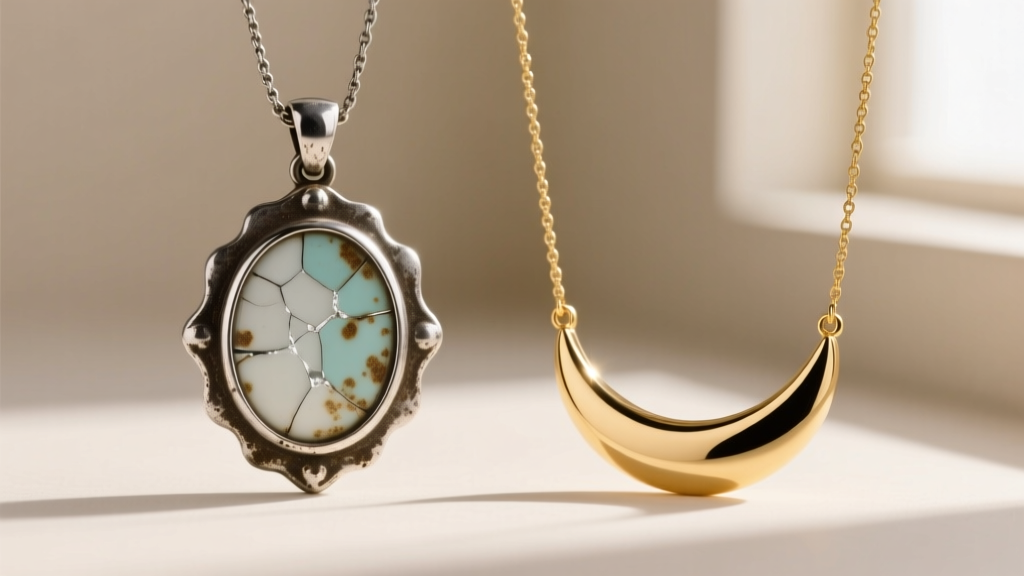
When budgeting for a mood necklace, whether for yourself or as a gift, prioritize the construction of the bezel over the complexity of the chain. A heavy, well-soldered bezel made of solid sterling silver or high-quality brass will protect the fragile thermochromic core far better than a flimsy, glued-on plastic setting.
Checklist for Buyers
- The Flashlight Test: Shine a bright LED flashlight through the side of the cabochon. If the light passes through clearly and you see a uniform liquid layer, the seal is intact. If it looks cloudy or has dark, web-like fractures, walk away.
- The Friction Test: Rub the surface of the pendant briskly with your thumb for 10 seconds. A healthy, high-value thermochromic matrix will shift from black/green to a vibrant blue or violet almost instantly. A sluggish or patchy color shift indicates aging or partial degradation of the crystals.
- Chain Quality: Many vintage mood pendants were sold on cheap, easily tarnished rope chains. Factor in an additional $30 to $50 to re-hang a valuable vintage pendant on a modern, hypoallergenic stainless steel or solid gold chain to ensure the piece remains wearable and secure.
Final Verdict on Mood Jewelry Investment
So, what does blue on a mood necklace mean for your wallet? If the pendant consistently achieves a vibrant, deep blue, it proves that the internal thermochromic matrix is fully intact, properly sealed, and highly responsive to thermal shifts. In the 2026 vintage market, a fully functional, brightly shifting 1970s mood pendant set in sterling silver is a highly sought-after collector's item that bridges the gap between scientific novelty and retro fashion. By understanding the chemistry and assessing the physical casing, you can confidently separate valuable, functional artifacts from dead, blackened novelties.


