How to Clean and Maintain Your Glasses Necklace Holder
Learn expert cleaning and maintenance tips for your glasses necklace holder. Discover how to care for silicone grips, metal chains, and leather cords.


The Functional Intersection of Eyewear and Jewelry
A glasses necklace holder (often referred to as an eyewear lanyard, reader chain, or glasses strap) bridges the gap between optical necessity and fashion accessory. Unlike standard pendants or chain necklaces, these functional pieces endure a unique set of mechanical and environmental stressors. They sit flush against the skin, constantly interact with the acetate or metal arms of your eyeglasses, and are frequently handled, adjusted, and exposed to cosmetics, sebum, and environmental grit.
Because of this high-friction, high-contact usage, a glasses necklace holder requires a specialized maintenance routine. Neglecting this routine doesn't just lead to a dull appearance; it can result in degraded silicone grips, snapped leather cords, or failed crimp beads—any of which could lead to dropping and damaging expensive prescription lenses or designer sunglasses. This comprehensive guide details the exact material science and care protocols required to maximize the lifespan of your eyewear jewelry.
Anatomy of a Glasses Necklace Holder
Before applying any cleaning agents, it is critical to understand the three distinct structural zones of a standard reader chain, as each requires a different chemical approach:
- The Primary Chain/Cord: The main body, constructed from metals (stainless steel, brass, gold-plated alloys), leather, suede, or beads (acrylic, wood, gemstone).
- The Hardware and Connectors: Jump rings, clasps, and crimp beads that secure the structural integrity of the piece.
- The Retention Loops (Grips): The terminal ends that physically grip the arms of your glasses. These are predominantly made of medical-grade silicone, vulcanized rubber, or occasionally, tension-based metal clasps.
Material-Specific Cleaning Protocols
The most common mistake users make is applying a universal jewelry cleaner to the entire assembly. According to the Gemological Institute of America (GIA), porous materials and plated metals react disastrously to harsh chemical dips. Below is the breakdown by material type.
Metal Chains: Solid vs. Plated
Many fashionable glasses necklace holders feature 14k or 18k gold-plated brass. The plating on these functional chains is typically thin (between 0.5 to 1.0 microns). Never use ultrasonic cleaners or abrasive polishing cloths on plated chains, as the high-frequency vibrations and micro-abrasives will strip the gold layer, exposing the raw brass underneath, which will rapidly oxidize and turn your skin green.
The Fix: Mix a few drops of pH-neutral dish soap (like Dawn) into lukewarm water. Submerge the metal chain for exactly three minutes. Gently agitate with a baby-bristle toothbrush to dislodge skin oils from the links. Rinse with distilled water and pat dry immediately with a lint-free microfiber cloth to prevent water spots.
Leather and Suede Cords
Leather is highly porous and absorbs sweat, perfume, and skin oils, which can break down the collagen fibers over time, leading to dry rot and snapping. Water is the enemy of leather cords. Instead of washing, use a specialized leather cleaner or a very light application of saddle soap on a damp cloth. Wipe the cord down, let it air dry away from direct sunlight, and condition it sparingly with a beeswax-based leather balm to maintain its tensile strength.
Acrylic, Resin, and Wood Beads
Acrylic and resin beads are prone to micro-scratching. Avoid any cleaners containing alcohol or ammonia, which can cause the acrylic to cloud or craze (develop tiny surface cracks). For wooden beads, avoid water entirely. Wood absorbs moisture and expands, which can stretch the internal threading wire or cord. Clean wooden beads by simply buffing them with a dry, soft cloth and occasionally treating them with a tiny drop of mineral oil to prevent drying and cracking.
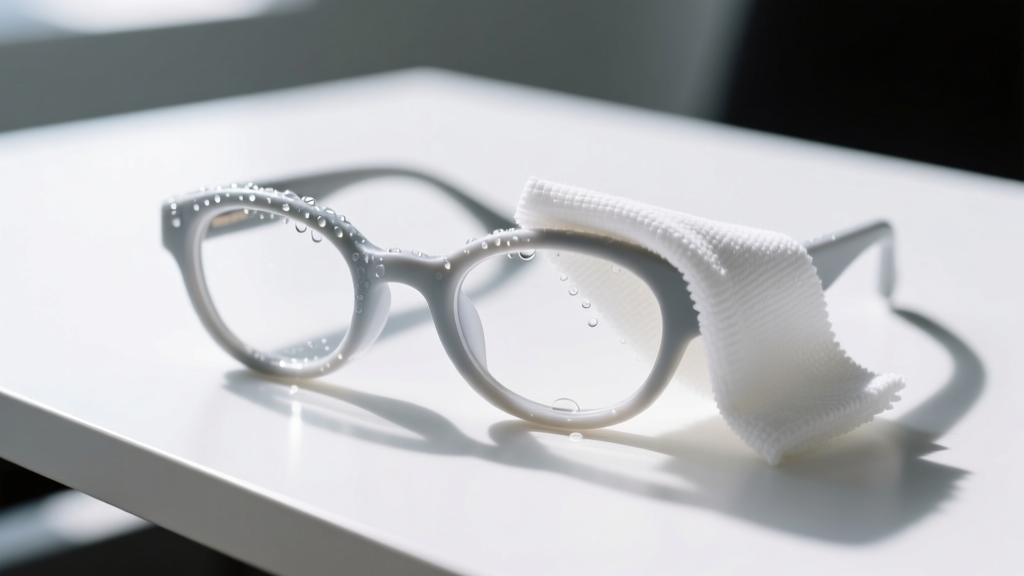
The Silicone Grip Dilemma: Deep Dive
The silicone retention loop is the most vital component of a glasses necklace holder, yet it is the most frequently ruined by improper care. Silicone is a highly durable polymer, but it is vulnerable to specific chemical compounds.
Why Your Silicone Grips Get Sticky or Snap
Many users instinctively wipe their glasses and the attached silicone loops with alcohol-based lens wipes or hand sanitizer. Isopropyl alcohol and ethanol are highly destructive to silicone. They extract the plasticizers from the polymer matrix, causing the silicone to dry out, lose its elasticity, develop micro-tears, and eventually snap under the tension of heavy sunglasses. Furthermore, exposure to UV light and high heat (like leaving them on a car dashboard) accelerates this degradation.
Proper Silicone Maintenance
- Cleaning: Wash silicone loops only with mild soap and warm water. Rub the silicone between your fingers to remove accumulated facial oils and sunscreen, which can make the grip slippery.
- Drying: Air dry completely before sliding them onto your glasses arms. Trapped moisture inside the loop can degrade the metal core (if the silicone is molded over a wire) or cause the acetate glasses arms to develop a white, cloudy film.
- Replacement Cadence: Even with perfect care, silicone grips experience mechanical fatigue. If your holder uses softer 30A durometer silicone (which grips better but wears faster), expect to replace the loops every 6 to 8 months. Harder 50A durometer loops may last 12 to 18 months.
Hardware Integrity and Troubleshooting
A glasses necklace holder bears the physical weight of your eyewear, which can range from 15 grams for lightweight wireframes to over 45 grams for thick acetate or glass-lensed sunglasses. This constant downward pull places immense stress on the hardware.
Inspecting Crimp Beads and Jump Rings
The most common failure point is the crimp bead—the tiny metal tube that is crushed to secure the end of a beaded wire or cord to the jump ring holding the silicone loop. Over time, the friction of the glasses arms pulling against the loop can cause the crimp bead to slowly slide or uncrimp.
Preventative Maintenance: Once a month, perform a gentle "tug test" on the silicone loops. If you feel any slippage near the metal connectors, the crimp bead is failing. You can carefully re-secure it using chain-nose jewelry pliers, applying gentle, even pressure to re-flatten the bead. If the metal is already fatigued or cracked, the cord must be re-strung by a jeweler to prevent a catastrophic drop.
Managing Tarnish on Brass and Copper Alloys
Uncoated brass and copper chains are popular for their vintage aesthetic, but they react quickly with the sulfur present in human sebum, forming a dark layer of copper sulfide. To remove this tarnish without damaging the metal, create a paste using equal parts baking soda and lemon juice. Apply it with a cotton swab strictly to the metal links, avoiding any adjacent gemstone beads or leather components, then rinse and dry thoroughly. For ongoing maintenance, store the chain with an anti-tarnish silica gel packet or a 3M anti-tarnish strip.
Material Care Comparison Matrix
Use the following reference table to quickly identify the correct care protocol for your specific glasses necklace holder.
| Material Component | Recommended Cleaner | Agents to Avoid | Drying Method | Expected Lifespan |
|---|---|---|---|---|
| Gold-Plated Brass | Mild dish soap, lukewarm water | Ultrasonic cleaners, polishing cloths | Microfiber pat-dry | 1-2 Years |
| Stainless Steel | Glass cleaner or soapy water | Bleach (causes pitting) | Air dry or towel | 5+ Years |
| Leather / Suede Cord | Saddle soap, leather balm | Water submersion, alcohol | Air dry (no heat) | 2-3 Years |
| Acrylic / Resin Beads | Damp microfiber cloth | Ammonia, alcohol, abrasives | Air dry | 3-5 Years |
| Silicone Retention Loops | Mild soap, warm water | Hand sanitizer, lens wipes, UV | Air dry completely | 6-18 Months |
Proper Storage Techniques
How you store your glasses necklace holder when it is not in use dictates its structural longevity. The most damaging storage habit is hanging the necklace by the silicone loops on a hook. This places the polymer under constant, unyielding tension, permanently stretching the silicone and deforming the metal jump rings.
Instead, store your reader chains flat and loosely coiled in a jewelry box or on a velvet tray. If the chain features delicate pearls or soft gemstones like turquoise or opal (which are popular in bohemian eyewear chains), ensure they are stored in a soft pouch to prevent the metal links from scratching the porous stones. For leather cords, lay them perfectly flat; folding or tightly coiling leather will cause permanent creases and eventual cracking along the fold lines.
Final Thoughts on Eyewear Jewelry Care
Treating your glasses necklace holder with the same level of care as your fine jewelry ensures it remains both a reliable optical tool and a stylish accessory. By respecting the chemical sensitivities of silicone, understanding the fragility of metal plating, and routinely inspecting the structural hardware, you can protect your investment in both your eyewear and your jewelry. For further reading on maintaining delicate jewelry components, resources from Fire Mountain Gems offer excellent visual guides on hardware maintenance and bead care.


