How to Clean a Black Necklace with Pendant: Expert Care Guide
Learn how to safely clean and maintain your black necklace with pendant. Expert tips for oxidized silver, PVD titanium, and dark gemstones.

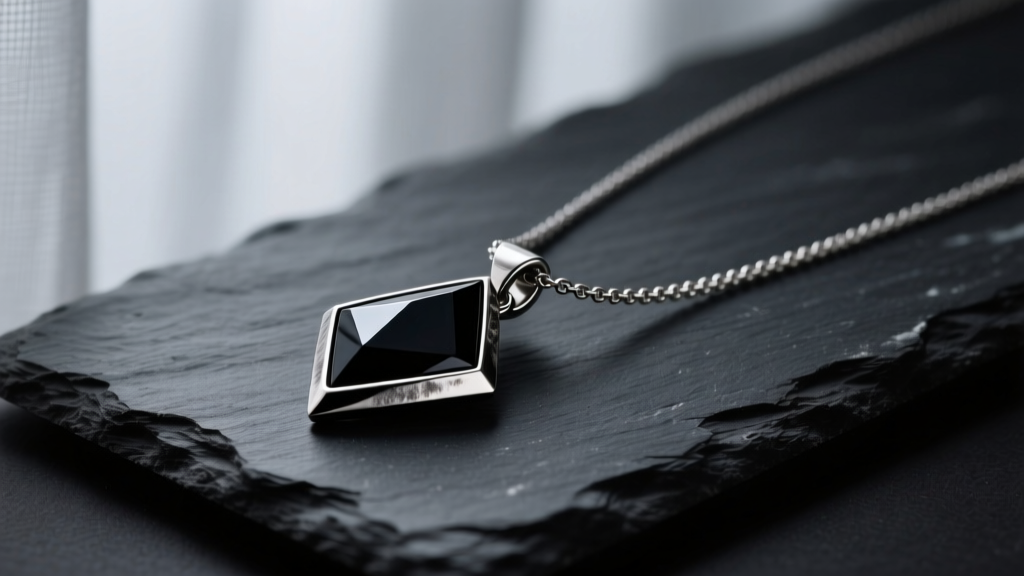
A black necklace with pendant is a striking, versatile staple in modern jewelry wardrobes. Whether you are wearing a moody oxidized sterling silver chain, a sleek PVD-coated titanium piece, or a black rhodium-plated gold pendant, dark metals and gemstones offer an edgy, sophisticated aesthetic. However, the very treatments that give these pieces their deep, light-absorbing colors also make them uniquely vulnerable to improper cleaning. Using the wrong chemical agents or mechanical friction can strip patinas, scratch molecular coatings, and dull porous gemstones.
In this comprehensive 2026 care guide, we break down the exact metallurgy and gemology behind black jewelry. We will provide material-specific cleaning protocols, actionable maintenance routines, and expert troubleshooting to ensure your dark-toned necklaces remain pristine for decades.
The Chemistry of Black Finishes: Why Standard Cleaners Fail
To properly care for a black necklace with pendant, you must first understand how the black color is achieved. Unlike yellow gold or platinum, black jewelry is rarely a natural metal color. It is the result of specific chemical or physical treatments:
- Oxidation (Patinas): Sterling silver is exposed to sulfur compounds (like liver of sulfur) to create silver sulfide, a dark layer on the surface.
- PVD Coating: Physical Vapor Deposition bonds a microscopically thin layer of black titanium nitride or zirconium to a base metal in a vacuum chamber.
- Electroplating: Black rhodium (an alloy of rhodium and darkening agents like ruthenium) is electroplated over white gold or silver.
- Dyeing & Irradiation: Gemstones like black onyx are often dyed agates, while black diamonds are typically irradiated to turn their inclusions dark.
Standard commercial silver dips contain thiourea, a reducing agent that strips silver sulfide. If you use silver dip on an oxidized black necklace, you will instantly revert the metal to bright white, destroying the design. Similarly, ultrasonic cleaners can shatter dyed gemstones and peel electroplated layers. According to the Gemological Institute of America (GIA), understanding the specific treatment of your jewelry is the single most critical step in preventing irreversible damage.
Material-Specific Cleaning Protocols
1. Oxidized Sterling Silver (The Vintage Look)
Oxidized silver relies on a delicate surface layer of tarnish for its aesthetic. Your goal is to remove skin oils and environmental dirt without disturbing the intentional black patina.
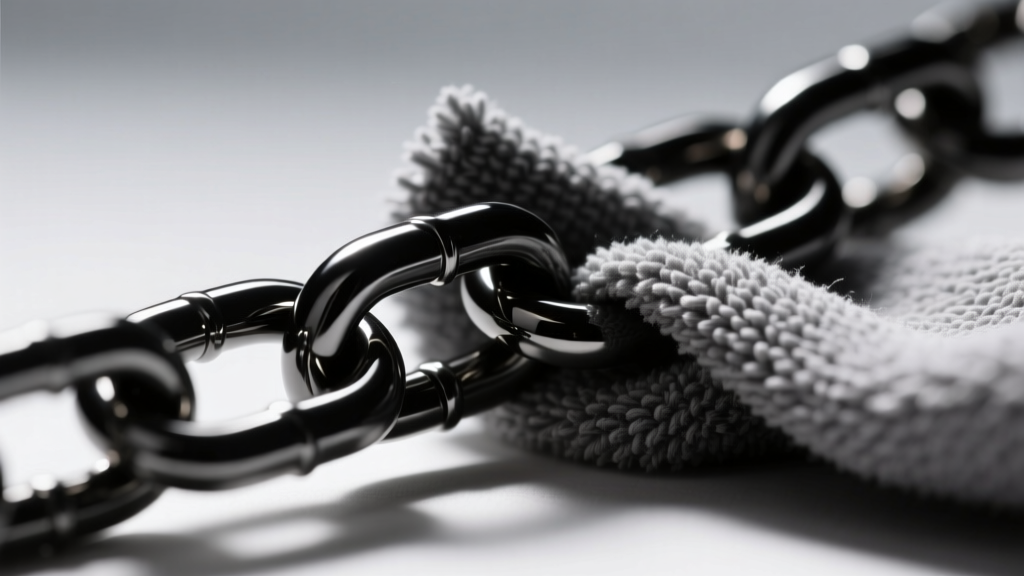
- The Safe Method: Mix a few drops of phosphate-free, mild dish soap (like Dawn) into lukewarm water. Dip a soft, lint-free microfiber cloth into the solution, wring it out until it is barely damp, and gently wipe the chain and pendant.
- Drying: Immediately pat dry with a separate, clean microfiber cloth. Air-drying oxidized silver can leave water spots that are difficult to remove without aggressive rubbing.
- What to Avoid: Never use silver polishing cloths (which contain micro-abrasives and anti-tarnish chemicals), silver dip, baking soda pastes, or toothpaste. These will strip the black finish down to the raw silver.
2. PVD Coated Black Titanium & Tungsten
PVD coatings are incredibly durable—often four times harder than chrome—but they are not immune to micro-scratches from abrasive materials. Dirt tends to accumulate in the crevices of PVD chain links.
- The Safe Method: Use a soft-bristled baby toothbrush dipped in a mild surfactant solution to gently agitate dirt out of the chain links and pendant bails. Rinse under a gentle stream of distilled water (to prevent hard water mineral deposits) and dry immediately.
- What to Avoid: Avoid polishing wheels, diamond-embedded cleaning cloths, and harsh degreasers like acetone or bleach, which can degrade the molecular bond of the PVD layer over time.
3. Black Rhodium Over White Gold
Black rhodium plating is typically applied at a thickness of 0.5 to 1.0 microns. It is luxurious but highly susceptible to friction wear, especially at the clasp and the bail of the pendant.
- The Safe Method: Wipe gently with a damp, 100% cotton cloth. Do not apply pressure to high-friction areas.
- What to Avoid: Ultrasonic cleaners and steam cleaners. The high-frequency vibrations and intense heat can cause the rhodium plating to delaminate or flake off the white gold substrate.
Cleaning Compatibility Matrix
| Material / Finish | Safe Cleaning Agents | Tools to Use | Strictly Avoid |
|---|---|---|---|
| Oxidized Silver | Mild dish soap, distilled water | Microfiber cloth, cotton swabs | Silver dip, polishing cloths, baking soda |
| PVD Black Titanium | Mild surfactant, isopropyl alcohol (diluted) | Soft baby toothbrush, microfiber | Abrasives, diamond cloths, heavy degreasers |
| Black Rhodium | Lukewarm water, mild soap | 100% cotton cloth | Ultrasonic cleaners, steam, friction |
| Black Onyx (Dyed) | Dry or barely damp cloth | Soft horsehair brush | Ultrasonic, ammonia, prolonged water exposure |
| Black Spinel | Mild soap, warm water | Soft brush, ultrasonic (with caution) | Harsh acids, thermal shock |
Pendant-Specific Care: Dark Gemstones & Enamel
The pendant is the focal point of your necklace, and it often features dark gemstones or black enamel (guilloché) that require specialized attention.
Black Onyx and Black Agate
Most commercial black onyx is actually gray agate that has been treated with a sugar solution and heated in sulfuric acid to carbonize the sugars, turning the stone black. While this treatment is generally permanent, the stone remains slightly porous. The Jewelers of America advises against soaking dyed or treated porous stones in liquid solutions, as water can seep into micro-fissures and cause clouding or structural weakening over time. Always clean onyx pendants with a barely damp cloth and dry them immediately.
Black Enamel (Guilloché)
Enamel is essentially fused glass. While it is impervious to most chemicals, it is highly susceptible to thermal shock and blunt force. Never clean an enameled black pendant under hot water, and never use a hard-bristled brush that could scratch the glassy surface. Use a soft, damp cotton swab to carefully clean the crevices where the enamel meets the metal setting.
Expert Warning: Never place a black necklace with a gemstone pendant in an ultrasonic cleaner unless you are 100% certain of the stone's identity and treatment. The high-frequency cavitation can easily fracture treated onyx, shatter opals, and loosen the adhesives used in black spinel or black diamond pavé settings.
The 2026 Step-by-Step Maintenance Routine
To keep your black necklace with pendant looking its best, implement this bi-weekly maintenance routine:
- Inspection: Under a bright LED light, inspect the pendant bail and the chain links near the clasp. Look for any signs of plating wear (revealing the white or yellow metal beneath) or structural weakness in the jump rings.
- Dust Removal: Use a clean, dry horsehair brush to gently sweep away dead skin cells, cosmetic powders, and lint from the chain links and the back of the pendant setting.
- Targeted Wiping: Dampen a corner of a microfiber cloth with distilled water and a drop of mild soap. Gently wipe the front and back of the pendant, focusing on areas that rest against the skin and collect sebum (skin oils).
- Rinsing (If applicable): If your piece is solid PVD titanium or untreated black spinel, you can rinse it briefly under distilled water. Skip this step for oxidized silver, black rhodium, and porous gemstones.
- Drying & Storage: Pat completely dry. Allow the piece to air out on a clean towel for 10 minutes before storing to ensure no trapped moisture remains in the clasp mechanisms.
Storage & Preventative Measures
How you store your black jewelry is just as important as how you clean it. Environmental factors like humidity, UV light, and airborne sulfur are the primary enemies of dark finishes.
- Anti-Tarnish Strips: If your necklace features oxidized silver or black rhodium, store it in an airtight polyethylene ziplock bag with a 3M anti-tarnish strip. The strip will absorb airborne sulfur and moisture, preventing unintended secondary tarnishing or corrosion.
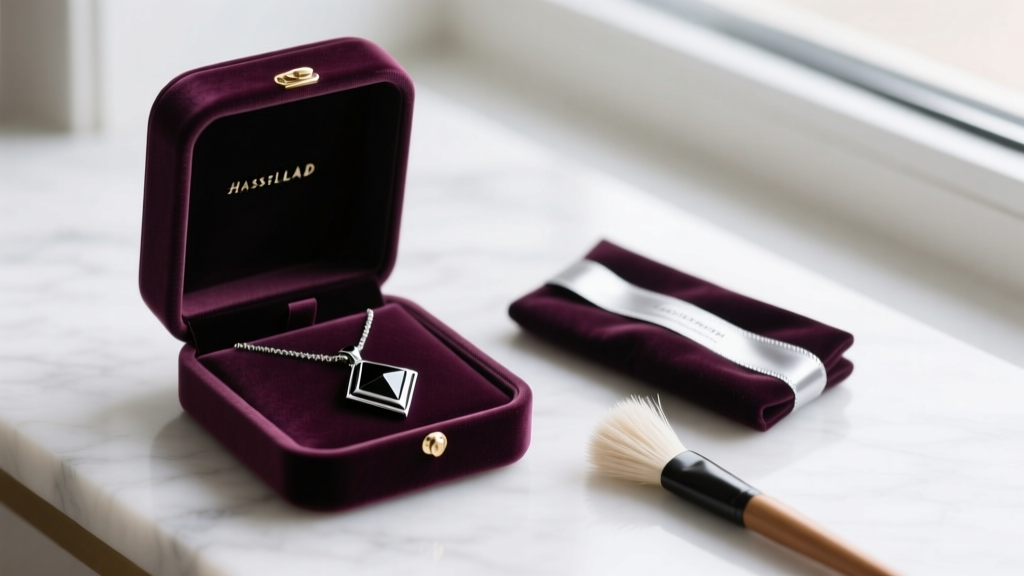
- UV Protection: Prolonged exposure to direct sunlight can fade certain dyed gemstones and degrade the organic compounds in black enamel. Always store your necklaces in a dark, velvet-lined jewelry box or a closed drawer.
- Friction Prevention: Never toss your black necklace into a communal jewelry dish. The friction from other pieces will act like sandpaper on black rhodium and PVD coatings. Hang the necklace on a padded jewelry stand or lay it flat in a dedicated, fabric-lined compartment.
When to Seek Professional Re-Plating
No matter how carefully you maintain a black rhodium or electroplated necklace, the plating will eventually wear thin in high-friction areas. This is a natural lifecycle of plated jewelry, not a defect.
Signs that your pendant or chain needs professional re-plating include:
- A brassy or white metallic hue showing through the black finish at the clasp or bail.
- Patchy, uneven coloration that cannot be cleaned away.
- A dull, chalky appearance on the surface of the metal.
In 2026, professional re-plating services for black rhodium or PVD typically range from $45 to $120, depending on the complexity of the pendant and the thickness of the new coating. A reputable jeweler will first polish the base metal to a mirror finish, ultrasonically clean it to remove all oils, and then apply a fresh, even layer of the black finish. Attempting DIY re-plating kits is strongly discouraged, as they often result in uneven, splotchy finishes that ruin the piece's aesthetic integrity.
By understanding the specific material composition of your black necklace with pendant and adhering to these targeted cleaning protocols, you can preserve its dark, dramatic allure for a lifetime of wear.


