How to Clean and Care for Your Female Sign Necklace
Learn expert cleaning and maintenance tips for your female sign necklace. Discover how to remove tarnish, prevent tangling, and protect delicate metals.

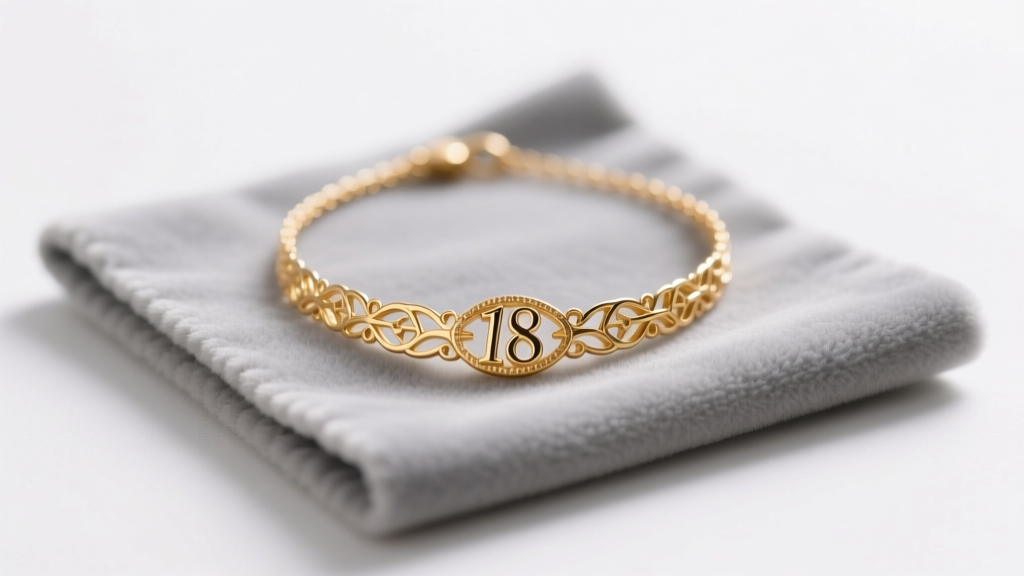
The Unique Anatomy of a Female Sign Necklace
The female sign necklace, universally recognized as the Venus symbol (♀), is a powerful emblem of femininity, astrology, and personal identity. However, from a jeweler's perspective, its distinct geometry presents specific maintenance challenges. Unlike simple circular or bar pendants, the female sign features a critical structural intersection: the T-joint where the vertical cross meets the bottom of the circle. This soldered joint is a natural trap for sebum, cosmetic residues, and environmental pollutants. Furthermore, the bail (the loop that connects the pendant to the chain) experiences concentrated friction against the chain, leading to localized wear and metal fatigue over time.
Whether your piece is a minimalist 14k solid gold design or a bold sterling silver statement piece, understanding the mechanical and chemical vulnerabilities of this specific shape is the first step in preserving its longevity. According to the Jewelers of America, regular maintenance tailored to a piece's specific geometry and metal alloy can extend the lifespan of fine jewelry by decades.
Metal-Specific Cleaning Protocols
Not all female sign necklaces are created equal. The cleaning method you choose must be dictated by the base metal and any surface treatments, such as rhodium plating or oxidation. Using the wrong chemical agent can strip plating or permanently alter the patina.
| Metal Type | Primary Vulnerability | Recommended Cleaning Agent | Polishing Method |
|---|---|---|---|
| Sterling Silver (925) | Sulfur tarnish (blackening) | Mild dish soap & warm distilled water | Impregnated jeweler's rouge cloth |
| Gold Vermeil | Wear-through of gold layer | Ammonia-free foaming cleaner | Microfiber cloth (no abrasives) |
| Solid Gold (14k/18k) | Lotion buildup in crevices | Ultrasonic (if no soft stones) | Soft baby toothbrush & soap |
| Brass/Bronze | Verdigris (green corrosion) | Lemon juice & baking soda paste | Soft bristle brush, rinse thoroughly |
Sterling Silver and the T-Joint Trap
Sterling silver is highly reactive to sulfur in the air and hydrogen sulfide in sweat, forming silver sulfide (tarnish). On a female sign pendant, this tarnish accumulates fastest in the 90-degree angle where the cross intersects the circle. To clean this, avoid aggressive dipping solutions, which can leave microscopic chemical residues in the joint. Instead, use a soft-bristled baby toothbrush dipped in a solution of warm water and a few drops of phosphate-free dish soap (like Dawn). Gently agitate the bristles directly into the T-joint to dislodge trapped debris.
Gold Vermeil vs. Solid Gold
Gold vermeil requires a much gentler touch. Vermeil consists of a thick layer of gold (at least 2.5 microns) electroplated over sterling silver. If you use a standard silver polishing cloth on vermeil, the mild abrasives will strip the gold layer, exposing the silver beneath. For vermeil female sign necklaces, rely solely on a damp microfiber cloth and mild soapy water. Solid 14k or 18k gold, however, can withstand more rigorous cleaning, including brief sessions in an ultrasonic cleaner, provided the pendant does not feature epoxy-set gemstones or cold enamel.

Step-by-Step Deep Cleaning Guide
For a thorough monthly deep clean that restores the original luster of your necklace without damaging the metal, follow this professional protocol:
- Preparation: Line a small glass bowl with a soft towel to prevent accidental scratching if you drop the piece.
- The Soak: Mix one cup of lukewarm distilled water with three drops of mild, lotion-free dish soap. Submerge the necklace for exactly 5 to 7 minutes. Do not exceed 10 minutes, as prolonged soaking can weaken the adhesive on any inlaid stones.
- Agitation: Remove the necklace and use a dedicated, ultra-soft jewelry brush to gently sweep the perimeter of the circle and the crossbar. Pay special attention to the bail loop.
- Rinsing: Rinse under a gentle stream of lukewarm distilled water. Tap water contains chlorine and minerals that can leave microscopic water spots on high-polish metals.
- Drying: Pat dry with a lint-free microfiber cloth. Use a can of compressed air to blow out any remaining moisture from the bail and the T-joint.
The Electrochemical Tarnish Bath (Solid Silver Only)
If your solid sterling silver female sign necklace has developed heavy, dark tarnish that polishing cannot remove, you can reverse the chemical reaction using an electrochemical bath. This method converts silver sulfide back into pure silver without removing any metal.
Line a heat-safe glass dish with aluminum foil, shiny side up. Place the necklace on the foil, ensuring it touches the metal. Add one tablespoon of baking soda and one tablespoon of kosher salt. Pour boiling water over the mixture until the necklace is submerged. You will immediately smell a faint sulfur (rotten egg) odor as the tarnish transfers from the silver to the aluminum foil. After 3 to 5 minutes, remove the necklace with wooden tongs, rinse thoroughly in distilled water, and dry. Note: Never use this method on oxidized (intentionally blackened) silver, rhodium-plated silver, or pieces with porous gemstones like turquoise or pearls.
Troubleshooting Common Issues
Untangling Delicate Chains
Female sign pendants are frequently paired with delicate 18 to 20-gauge cable or box chains, which are notoriously prone to kinking and tangling. If your chain develops a stubborn knot, do not pull it. Place the tangled section on a hard, smooth surface like a glass table. Apply a single drop of baby oil or mineral oil directly to the knot. Using two fine sewing needles, gently work the center of the knot outward. The oil reduces the friction coefficient of the metal, allowing the microscopic links to slide past one another without warping.
Protecting Enamel and Gemstone Inlays
Many modern interpretations of the female sign necklace feature guilloché enamel or gemstone inlays within the circle. The Gemological Institute of America (GIA) warns that sudden temperature changes and harsh chemicals can cause enamel to craze (develop microscopic cracks) or gemstones to fracture. If your pendant features these elements, avoid ultrasonic cleaners, steam cleaners, and the boiling electrochemical bath entirely. Stick to gentle surface wiping with a damp cloth.

Preventative Maintenance and Storage
How you store your female sign necklace when it is not being worn is just as critical as how you clean it. Improper storage leads to accelerated tarnishing, chain kinking, and surface scratching.
- Vertical Hanging: Always store your necklace vertically. Use a jewelry stand or a compartmentalized box with a dedicated hook. Hanging the chain prevents the links from folding over one another, which is the primary cause of micro-kinks in 20-gauge chains.
- Anti-Tarnish Strips: If storing in a closed drawer or box, place a 3M anti-tarnish strip in the compartment. These strips absorb ambient sulfur and hydrogen sulfide, significantly slowing the tarnishing process for silver and brass pieces.
- The 'Last On, First Off' Rule: Cosmetics, perfumes, and hairsprays contain alcohols and aerosolized chemicals that degrade metal finishes and dull gemstones. Always apply your beauty products and allow them to dry completely before putting on your necklace. Remove it first when you get home to minimize exposure to skin acids and household cleaners.
- Avoid Chlorine: Never wear your necklace in swimming pools or hot tubs. Chlorine reacts violently with the alloy metals (like copper and zinc) in both gold and silver, causing structural weakening and permanent discoloration.
Conclusion
A female sign necklace is more than just an accessory; it is a meaningful symbol that deserves meticulous care. By understanding the specific vulnerabilities of its geometric design and tailoring your cleaning methods to its exact metal composition, you can ensure that your pendant remains a brilliant, untarnished staple in your collection for years to come. Consistent, gentle maintenance will always yield better results than aggressive, reactive cleaning.


