Moana's Necklace: Value, Materials & Pricing Guide
Assess the true value of Moana's necklace replicas. We break down materials, pricing tiers, and budget tips for the Heart of Te Fiti pendant.

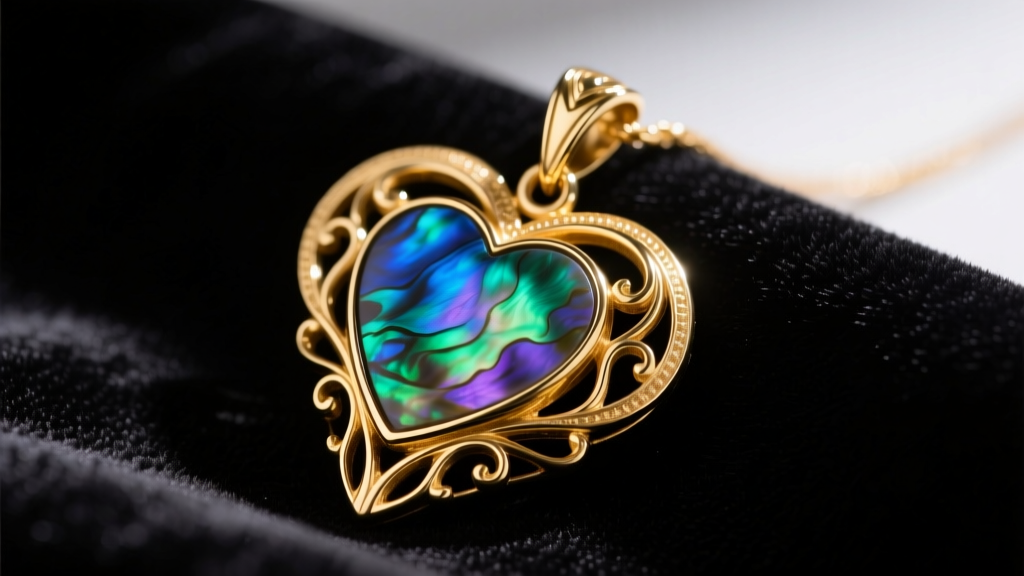
The Heart of Te Fiti: Beyond the Movie Prop
When evaluating Moana's necklace—iconically known as the Heart of Te Fiti—collectors and fans face a unique jewelry market dilemma. Unlike traditional gemstone pendants, the value of this specific piece is heavily bifurcated between 'screen-accurate' collectibility and intrinsic gemological worth. As of 2026, the market has matured significantly. What began as a flood of cheap plastic toys has evolved into a robust sector of artisan-crafted and fine jewelry interpretations aimed at adult fans and collectors.
To make a smart purchasing decision, you must separate fandom sentiment from material reality. Is a $250 artisan replica a sound investment? Does a screen-accurate resin piece hold resale value? This comprehensive value assessment breaks down the materials, pricing tiers, and hidden red flags associated with buying Moana's necklace today.
Gemological Breakdown: What Are You Actually Paying For?
The central stone of Moana's necklace is depicted as a glowing, swirling green gem. In the real world, jewelers use three primary materials to replicate this effect, each with vastly different intrinsic values and durability profiles.
1. The Screen-Accurate Resin (Polyurethane/Epoxy)
The actual props used in the film's production and the official merchandise sold in theme parks are made from cast resin. From a purely financial standpoint, resin has near-zero intrinsic value. The material cost for a two-inch resin heart is pennies. However, its value lies entirely in its 'screen-accurate' status. Resin is highly susceptible to UV degradation; prolonged exposure to sunlight will cause the vibrant greens to yellow and the material to become brittle within 2 to 4 years. You are paying for the license and the mold, not the material.
2. The Artisan Choice: Genuine Paua (Abalone) Shell
High-end replicas utilize Paua shell, a species of abalone endemic to New Zealand. According to the Gemological Institute of America (GIA), organic gems like abalone derive their value from their unique aragonite platelet microstructures, which create intense iridescence. Paua is heavily regulated and sustainably harvested, giving it genuine intrinsic value. With a Mohs hardness of 2.5 to 4.0, it is relatively soft and requires careful setting, usually in a bezel, to prevent chipping. A genuine Paua stone cut into the Heart of Te Fiti spiral motif represents real gemological value.
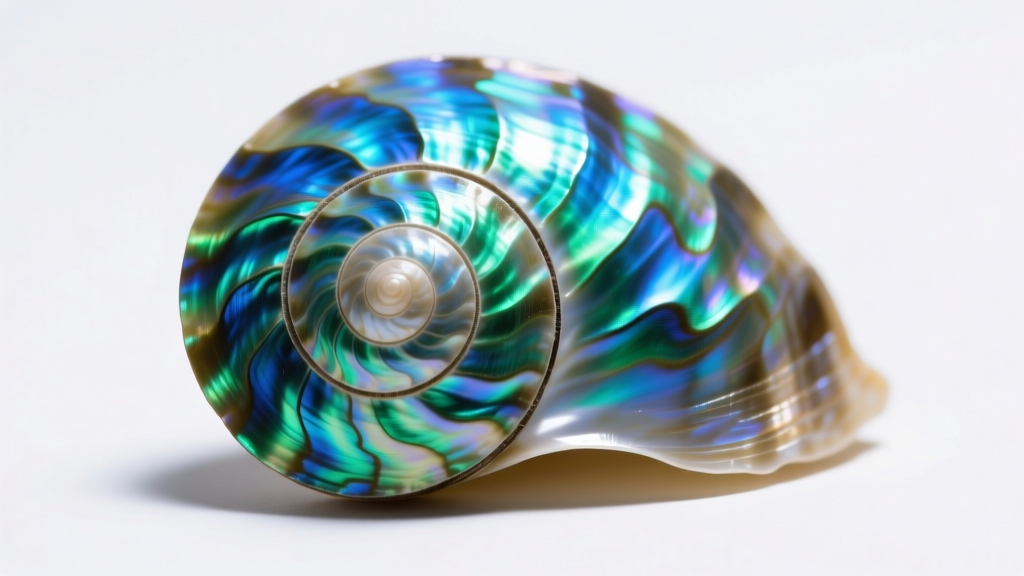
3. The Budget Alternative: Mother of Pearl (MOP)
Many mid-tier replicas use standard Mother of Pearl (from oysters or mussels) and apply a green translucent enamel or dye over it to mimic the movie gem. While MOP is a genuine organic material, it is vastly more abundant and cheaper than Paua. Dyed MOP lacks the deep, natural multidimensional flash of true abalone and can fade if exposed to harsh chemicals or prolonged sweat.
Market Pricing & Value Assessment Matrix
To help you budget effectively, we have categorized the current market for Moana's necklace replicas into three distinct tiers. This table reflects 2026 retail pricing and intrinsic value retention.
| Tier | Price Range (2026) | Primary Materials | Intrinsic Value | Durability (1-10) | Best For |
|---|---|---|---|---|---|
| Costume / Official Merch | $15 - $45 | Cast resin, zinc alloy, cotton cord | Very Low | 4 | Cosplay, kids, screen-accurate collectors |
| Artisan / Handcrafted | $85 - $280 | Sterling silver, genuine Paua shell, leather | Moderate | 7 | Everyday wear, adult fans, gift-giving |
| Fine Jewelry Interpretation | $600 - $2,500+ | 14k/18k Solid Gold, high-grade Paua, diamonds | High | 9 | Heirlooms, luxury collectors, investors |
The 'Screen-Accurate' Premium: Collectible vs. Intrinsic Value
A common trap for buyers is assuming that 'official' or 'screen-accurate' automatically translates to financial value. In the jewelry world, this is rarely true. An official $35 resin necklace from a major theme park will depreciate to near zero the moment it is removed from its packaging, unless it is a limited-edition release tied to a specific anniversary event.
Conversely, an independent jeweler's $150 sterling silver and Paua shell interpretation is not 'screen-accurate' (as the movie prop was not made of silver and shell), but it holds significantly better intrinsic value. If you were to melt down the sterling silver setting and sell the Paua stone to a lapidary, you would recoup a meaningful percentage of your initial investment. When budgeting, decide early if you are buying a collectible prop or a piece of wearable jewelry. You rarely get both in a single piece.
Red Flags: Avoiding Overpriced Imitations
As the demand for nostalgic, high-quality fandom jewelry has grown, so has the market for deceptive listings. Watch out for these specific red flags when evaluating Moana's necklace replicas online:
- The 'Gold Vermeil' Lie: By FTC guidelines, vermeil must be a minimum of 2.5 microns of gold plating over a sterling silver base. Many $60 replicas claim to be vermeil but are actually 0.5-micron gold-plated brass. This will tarnish and turn your skin green within weeks. Always demand proof of the base metal.
- Dyed Howlite or Quartz: Some sellers carve porous stones like howlite, dye them green, and coat them in resin, marketing them as 'natural green stone.' This is a cheap simulant with no organic iridescence. True Paua or abalone will show distinct, natural banding and color shifts when tilted under light.
- Faux 'Polynesian' Branding: Be wary of mass-produced dropshipped items that use culturally exploitative marketing to justify a $100 price tag for a $5 stamped brass and glass pendant. Authentic artisan pieces will usually cite the specific origin of their Paua shell (e.g., New Zealand) and the artisan's background.
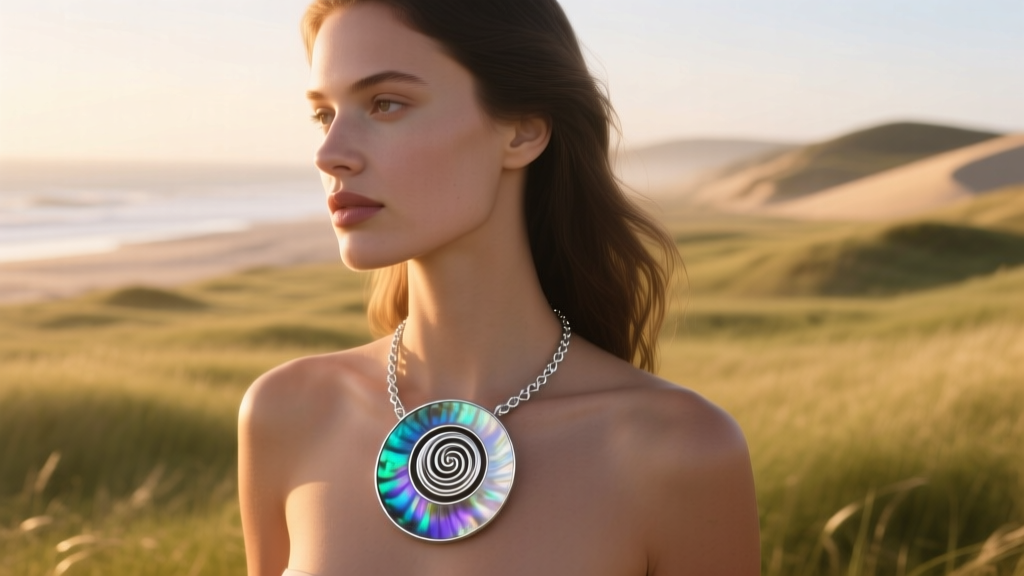
Preserving Intrinsic Value: Care Protocols for Organic Gems
If you invest in the Artisan or Fine Jewelry tier featuring genuine Paua or Mother of Pearl, proper maintenance is critical to preserving both the beauty and the resale value of the piece. Organic gems are fundamentally different from crystalline stones like sapphires or diamonds.
According to guidelines from the American Society of Appraisers, organic materials require specific environmental controls. Never use ultrasonic cleaners or steam cleaners on a Paua shell Heart of Te Fiti pendant; the high-frequency vibrations can cause microscopic fracturing in the aragonite layers, and the heat can destroy the natural luster. Furthermore, avoid spraying perfumes, hairsprays, or sunscreens directly onto the necklace. The chemicals in these products can etch the calcium carbonate surface of the shell, leaving permanent dull spots. Always wipe the pendant with a clean, dry microfiber cloth after wearing it, and store it in a soft pouch away from harder gemstones that could scratch its relatively soft surface.
Final Verdict: Budgeting for Your Heart of Te Fiti
Ultimately, the value of Moana's necklace depends entirely on your end goal. If you are a hardcore prop collector, budget $30 to $50 for an official resin replica and store it in a UV-protected display case to maintain its collectible condition. However, if you want a beautiful, meaningful piece of jewelry that honors the spirit of the film while retaining genuine material value, bypass the costume aisle entirely. Budget between $120 and $250 for a handcrafted sterling silver and genuine New Zealand Paua shell pendant. This approach ensures you receive a durable, ethically sourced, and gemologically sound piece of jewelry that will endure long after the credits roll.


