What Is a Clasp on a Necklace Called? A Gifter's Guide
Discover what a clasp on a necklace is called and how to choose the right closure type for every gifting occasion, recipient, and budget in our expert guide.

The Hidden Hero of Jewelry Gifting: Understanding Necklace Clasps
When shopping for fine jewelry, many buyers find themselves staring at the back of a chain and wondering, what is a clasp on a necklace called? While it may seem like a minor hardware detail, the clasp—often referred to in the industry as the 'finding' or 'closure'—is arguably the most critical component of any necklace or bracelet. It dictates the piece's security, its ease of use, and its overall longevity.
As we navigate the gifting landscape in 2026, adaptive jewelry and accessibility-focused designs have become a major priority. Choosing the right clasp is no longer just about aesthetics; it is about matching the hardware to the recipient's lifestyle, dexterity, and the specific occasion you are celebrating. According to the American Gem Society (AGS), a poorly matched clasp is the leading cause of lost pendants and damaged chains. This comprehensive guide will break down exactly what each clasp is called, how it functions, and how to select the perfect one for your next jewelry gift.
The Anatomy of a Standard Necklace Closure
Before diving into specific styles, it helps to understand the basic terminology. A complete necklace closure typically consists of two main parts: the catch (the mechanism that opens and closes) and the jump ring (the small circular loop on the opposite end of the chain that the catch secures onto). In high-end jewelry, you may also find a safety catch—a secondary wire or chain that prevents the piece from falling off if the primary mechanism fails.
Common Necklace Clasp Types & Gifting Profiles
To answer the question of what a clasp on a necklace is called, we must look at the six primary mechanisms used in modern jewelry manufacturing. Each serves a distinct purpose and appeals to a different type of gift recipient.
1. The Spring Ring Clasp
The spring ring is a perfectly circular clasp with a tiny lever that pulls back an internal spring to open the gap. It is the most common closure for lightweight, everyday chains (typically under 2.0mm in width).
- Best For: Teenagers, graduates, or as a subtle everyday gift.
- Expert Insight: Avoid spring rings smaller than 5mm. The internal spring in micro-clasps is prone to fatigue and snapping. For a durable gift, ensure the spring ring is at least 6mm to 8mm in diameter.
2. The Lobster Claw Clasp
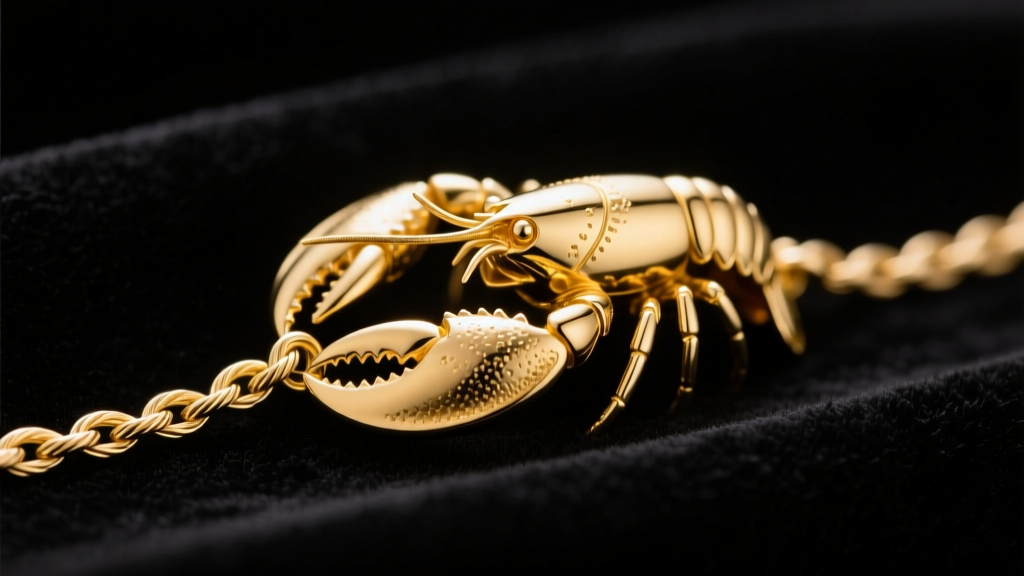
Named for its resemblance to a lobster's pincer, this self-closing clasp is triggered by a small lever. It is significantly more secure and durable than the spring ring, making it the industry standard for medium-to-heavy chains.
- Best For: Milestone birthdays, everyday luxury gifts, and recipients with active lifestyles.
- Expert Insight: Lobster clasps cast in solid 14k gold offer the best balance of tensile strength and longevity. Hollow-stamped versions are cheaper but will crush if snagged on clothing.
3. The Box Clasp (with Safety Catches)
A box clasp features a 'tongue-and-groove' mechanism where a folded piece of metal (the tongue) compresses and clicks securely into a decorative box. For high-value pieces, it is almost always paired with a figure-8 safety wire.
- Best For: High-value anniversary gifts, diamond tennis necklaces, and pearl strands.
- Expert Insight: The Gemological Institute of America (GIA) notes that box clasps are essential for heavy gemstone pieces. Never gift a heavy diamond necklace with a box clasp unless it features double safety latches on both sides.
4. The Toggle Clasp
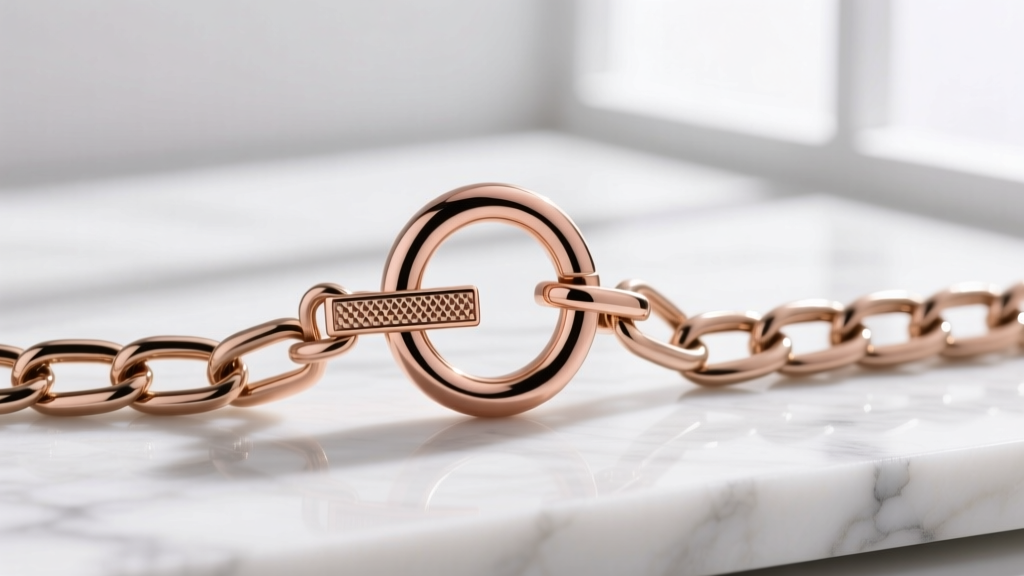
The toggle consists of a T-shaped bar that slides through a large circular or oval ring. It relies entirely on gravity and the tension of the necklace resting against the collarbone to stay closed.
- Best For: Fashion-forward recipients, statement pieces, and artistic, bohemian styles.
- Expert Insight: For a toggle to be secure, the inner diameter of the ring must be at least three times the width of the T-bar. If the ratio is smaller, the clasp will slip and the necklace will fall off.
5. The Magnetic Clasp
Using powerful embedded magnets, these clasps snap together effortlessly. In 2026, luxury brands have begun encasing N52-grade neodymium magnets in sleek, hallmarked precious metals to blend accessibility with high fashion.
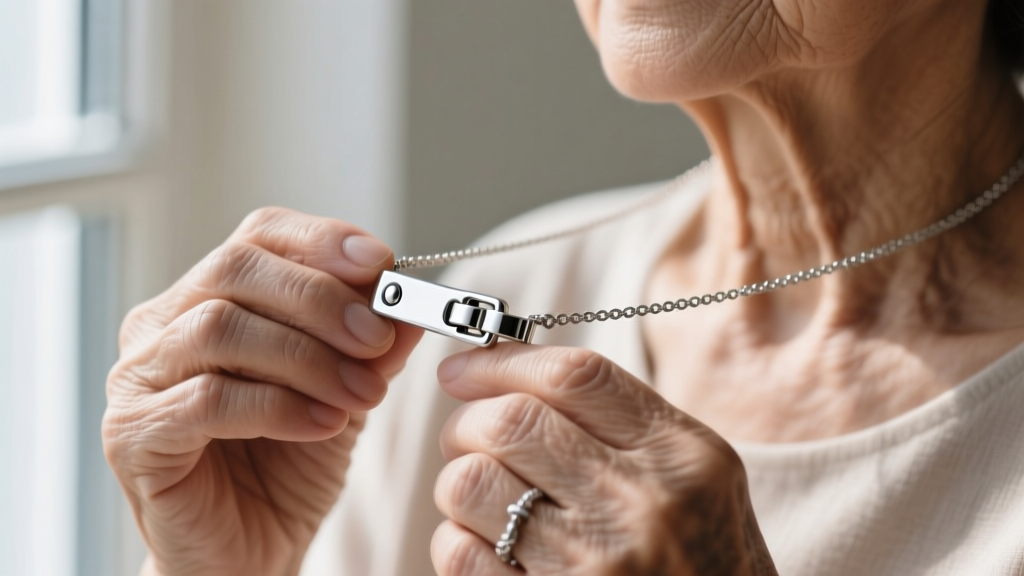
- Best For: Mother's Day gifts, elderly recipients, or anyone with arthritis or limited hand dexterity.
- Expert Insight: Always ensure the magnetic clasp includes a secondary silicone or metal safety loop. Warning: Never gift magnetic jewelry to recipients with pacemakers or implanted defibrillators.
6. The Fishhook Clasp (Pearl Clasp)
Designed specifically for the delicate nature of knotted pearl strands, this clasp features a hook that slides into an ornate, oval-shaped box and locks over a tiny internal pin.
- Best For: Classic wedding gifts, traditional anniversaries, and heirloom pearl necklaces.
- Expert Insight: The ornate box is meant to be worn at the front or side of the neck as a decorative element, rather than hidden at the nape of the neck.
Clasp Comparison Chart for Gifters
| Clasp Name | Security Rating (1-5) | Best Recipient Profile | Ideal Chain Weight |
|---|---|---|---|
| Spring Ring | 2/5 | Teens, Minimalists | Under 5 grams |
| Lobster Claw | 4/5 | Active Adults, Everyday Wear | 5 to 25 grams |
| Box Clasp | 5/5 | Anniversaries, High-Value Gifts | 25+ grams |
| Toggle | 3/5 | Fashion-Forward, Statement Lovers | 15 to 40 grams |
| Magnetic | 3/5 | Seniors, Arthritis Sufferers | Under 20 grams |
| Fishhook | 4/5 | Traditionalists, Pearl Collectors | Knotted strands only |
Matching the Clasp to the Occasion
Understanding what a clasp on a necklace is called is only half the battle; applying that knowledge to your gifting strategy is where true expertise lies. Here is a framework for matching the hardware to the occasion.
The Milestone Anniversary (10th, 25th, 50th)
For heavy, high-carat diamond or sapphire tennis necklaces, the Box Clasp with a Figure-8 Safety is non-negotiable. The recipient is receiving a significant financial and emotional investment; the closure must reflect that security. A lobster clasp on a $15,000 diamond necklace is a red flag indicating poor manufacturing standards.
Mother’s Day & Accessibility Gifting
As our loved ones age, fine motor skills can decline. Fumbling with a tiny 5mm spring ring can turn the joy of wearing jewelry into a frustrating chore. Gifting a necklace retrofitted with a high-quality Magnetic Clasp or a large, easy-to-grasp Toggle Clasp shows deep consideration for the recipient's daily comfort.
Graduation & 'Push' Presents
For younger recipients celebrating a graduation or the birth of a child, a durable Lobster Claw on a 14k gold chain is ideal. It withstands the rigors of an active lifestyle, including being tugged by toddlers or snagged on graduation gowns, without compromising the safety of the pendant.
Material Matters: Choosing the Right Metal for the Clasp
The metal grade of the clasp directly impacts its mechanical lifespan. When inspecting a potential gift, pay close attention to the hallmark stamped on the finding.
- 14k Gold (585): The gold standard for clasps. The alloy mix (usually copper and silver) provides the necessary tensile strength for the internal springs of lobster and spring ring clasps to maintain their tension over decades.
- 18k Gold (750): While richer in color and more expensive, 18k gold is softer. Spring rings made of 18k gold are prone to stretching and losing their 'snap' over time. If gifting 18k gold, opt for box or toggle clasps that do not rely on internal spring tension.
- Sterling Silver (925): Silver is highly malleable and prone to tarnishing. Ensure the silver clasp is rhodium-plated to prevent the internal mechanisms from seizing up due to oxidation.
- Titanium & Surgical Steel: Excellent for hypoallergenic gifts, but ensure the machining is precise. Poorly machined titanium clasps can gall (friction-weld) when opened and closed repeatedly.
Expert Tips for Inspecting a Clasp Before Gifting
Before wrapping your jewelry gift, perform this quick three-point inspection to ensure the finding is up to par:
- The Lever Test: Open and close the lobster or spring ring clasp 10 times. The lever should snap back with a crisp, audible click. If it feels mushy or returns slowly, the internal spring is defective.
- The Gap Check: When the clasp is fully closed, hold it up to a light source. There should be zero visible gap between the tip of the lever and the body of the clasp. A gap means the jump ring can slip out.
- The Solder Inspection: Examine the small jump ring on the opposite end of the chain. It must be fully soldered shut. If you can see a seam where the wire meets, the chain will eventually pull apart at that exact weak point under the weight of a pendant.
Conclusion
So, what is a clasp on a necklace called? It is called the spring ring, the lobster claw, the box, the toggle, the magnetic snap, and the fishhook. But more importantly, it is called the 'keeper of the heirloom.' By looking past the pendant and paying close attention to the closure mechanism, you elevate your jewelry gift from a simple accessory to a thoughtfully engineered, highly secure, and deeply personal treasure that will last a lifetime.


