Ultimate Care Guide for Your Delicate Gold Gram Necklace
Learn expert tips to clean, untangle, and maintain your delicate gold gram necklace. Discover safe solutions to keep lightweight chains shining.

The Unique Anatomy of a Gold Gram Necklace
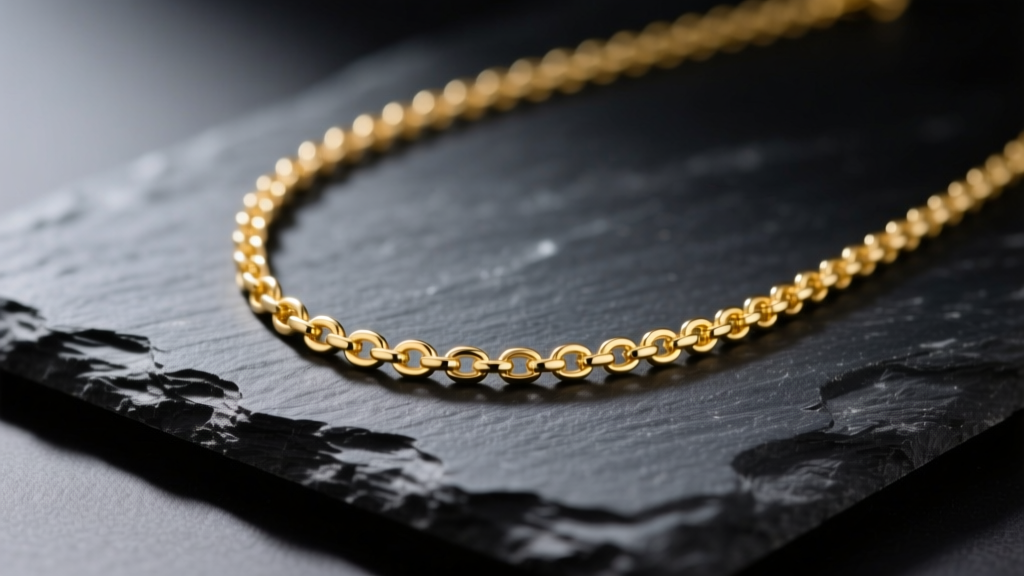
When jewelers and collectors refer to a 'gold gram necklace,' they are typically describing lightweight, finely crafted chains that are priced and categorized by their exact gram weight. These pieces usually range from a mere 1.0 to 4.0 grams, making them incredibly delicate, ethereal, and perfect for layering. However, this low gram weight introduces specific structural vulnerabilities. According to the Gemological Institute of America (GIA), the durability of gold jewelry is heavily dependent on its alloy composition and physical mass. A 2-gram 18k gold chain will be significantly softer and more prone to micro-stretching than a 2-gram 14k gold chain due to the higher pure gold content.
Furthermore, many ultra-lightweight chains utilize hollow-link technology or micro-soldered joints to maximize visual size while minimizing gold weight. Hollow links can easily crush under pressure, and micro-solders can weaken if exposed to sudden temperature changes or harsh chemicals. Understanding these physical limitations is the first step in establishing a proper care and maintenance routine that ensures your delicate necklace survives daily wear.
Daily Wear Rules: Preventing Kinks and Micro-Snaps
The most common cause of irreversible damage to a lightweight gold chain is not chemical tarnish, but physical stress. Because the individual links are so fine, they lack the tensile strength to support heavy pendants or withstand sudden tugs.
- The 10% Rule: Never attach a pendant that weighs more than 10% of the chain's total gram weight. If you have a 2.0-gram chain, your pendant should not exceed 0.2 grams to prevent the bail from acting as a fulcrum and snapping the micro-links.
- Sleep and Shower Bans: Sleeping in a fine chain causes friction against cotton sheets, which can pull links out of alignment, leading to permanent kinking. Showering exposes the chain to hard water minerals that lodge inside the microscopic crevices of the links, dulling the gold's natural luster over time.
- Lotion and Perfume Protocol: Always apply lotions, serums, and perfumes at least five minutes before putting on your necklace. The emulsifiers in skincare products create a sticky film that attracts dead skin cells and dust, turning the underside of your chain into a dull, grayish paste.
Step-by-Step Cleaning Protocol for Lightweight Chains
Cleaning a gold gram necklace requires a gentle touch. Ultrasonic cleaners, which use high-frequency sound waves to dislodge dirt, are strictly prohibited for hollow or micro-linked chains. The vibrations can easily fracture delicate solder points. Instead, rely on this manual, low-impact washing method recommended by industry professionals.
Materials Required
- Distilled or filtered lukewarm water (avoid hard tap water)
- Mild, phosphate-free liquid dish soap (such as original blue Dawn)
- A brand-new, extra-soft baby toothbrush or a dedicated makeup blending sponge
- A lint-free microfiber cloth
The Washing Technique
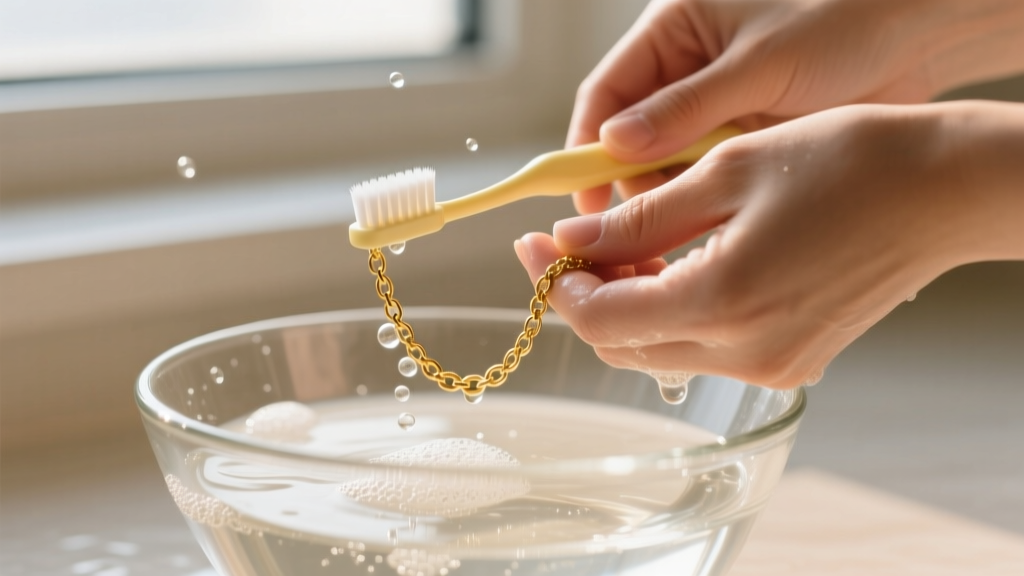
Begin by filling a small glass bowl with lukewarm water and adding just two drops of the dish soap. Swirl gently to create mild suds. Place your gold gram necklace into the solution and let it soak for exactly three to five minutes. This brief soak loosens sebum and cosmetic buildup without risking prolonged water exposure to the alloys.
After soaking, gently agitate the water with your fingers. If the chain has visible buildup, take the extra-soft baby toothbrush and lightly stroke the chain in a single direction—never scrub back and forth, as this can bend the micro-links. Rinse the chain under a gentle stream of lukewarm distilled water. Finally, lay the chain flat on a microfiber cloth, pat it dry, and allow it to air dry completely before storing. The Jewelers of America emphasizes that air-drying flat prevents water spots and maintains the structural integrity of fine chains.
Chemical Threat Matrix: What to Avoid
Gold itself is a noble metal and does not corrode, but the alloy metals mixed with gold (like copper, silver, and zinc) are highly reactive. In lightweight chains, the surface area-to-mass ratio is high, meaning chemical damage can compromise the entire structural integrity of the link rapidly.
| Chemical Agent | Common Source | Effect on Lightweight Gold Alloys |
|---|---|---|
| Chlorine | Swimming pools, household bleach | Causes 'stress corrosion cracking,' making micro-links brittle and prone to snapping under minimal tension. |
| Ammonia | Window cleaners, some jewelry dips | Strips the polished surface layer, leaving the porous alloy underneath exposed and dull. |
| Sulfur Compounds | Hot springs, rubber bands, eggs | Reacts with silver/copper alloys to form black silver sulfide or copper sulfide tarnish deep inside the links. |
| Abrasive Silica | Exfoliating face scrubs, beach sand | Acts like sandpaper on a microscopic level, scratching the high-polish finish of delicate gold wires. |
How to Safely Untangle a Micro-Chain
Because gold gram necklaces are so fine, they are notorious for slipping into themselves and forming microscopic knots, especially when stored loosely in a jewelry box. Pulling on the knot will only tighten it, potentially stretching the gold wire beyond its yield point and ruining the chain.
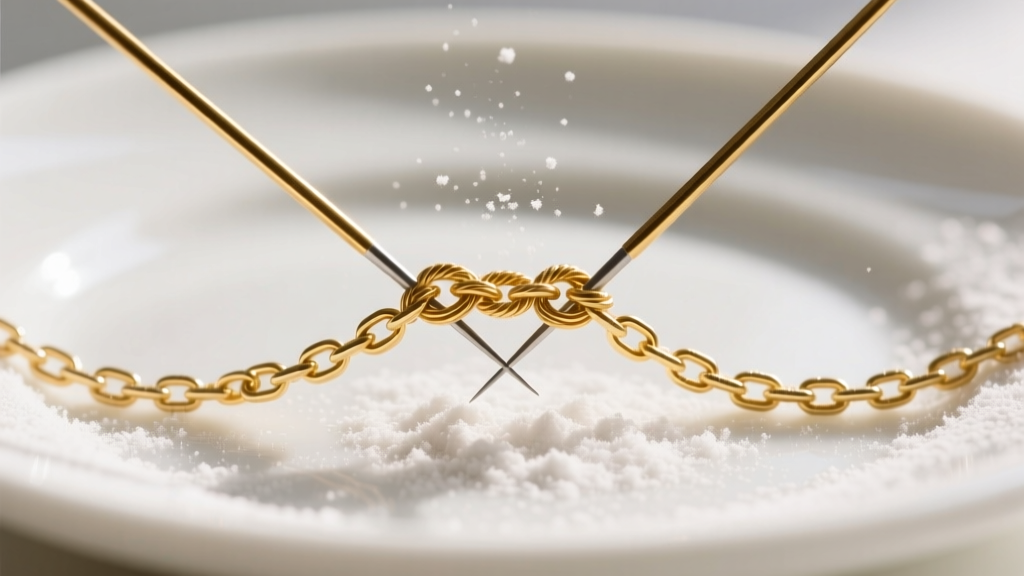
To safely untangle your necklace, lay it flat on a hard, smooth surface like a ceramic plate or a glass table. Sprinkle a generous amount of talcum powder or cornstarch directly over the knot. The powder acts as a dry lubricant, eliminating the friction between the tiny gold links. Take two fine sewing needles or straight pins and gently work them into the center of the knot. Do not pull the ends of the chain; instead, use the needles to gently loosen the center link by link. Once the knot is loosened, use a soft brush to sweep away the powder before proceeding with the standard cleaning protocol.
Professional Maintenance and Storage Solutions
Even with meticulous home care, a gold gram necklace should be inspected by a professional jeweler once a year. A jeweler can use a loupe to check the integrity of the clasp's internal spring mechanism and the jump rings, which are the most common failure points on lightweight chains. If a micro-link does snap, standard torch soldering can often melt the surrounding delicate links. Instead, seek out a jeweler who specializes in laser welding, which uses a highly focused beam to repair micro-solders without transferring heat to the rest of the chain.
For daily storage, never toss your gold gram necklace into a communal jewelry box. Store it in an individual, sealable polyethylene plastic bag with the clasp left unfastened and hanging just outside the zip seal to prevent it from catching on the chain. Avoid PVC plastics, as they can emit gases that degrade gold alloys over time. Slip a small anti-tarnish strip into the bag to absorb any ambient sulfur or moisture, ensuring your delicate chain remains brilliant and ready to wear for years to come.