Tamagotchi Necklace Repair: Fixing Clasp, Chain & Enamel Issues
Is your Y2K Tamagotchi necklace turning your skin green or breaking? Learn expert troubleshooting for enamel chips, chain snaps, and metal oxidation.

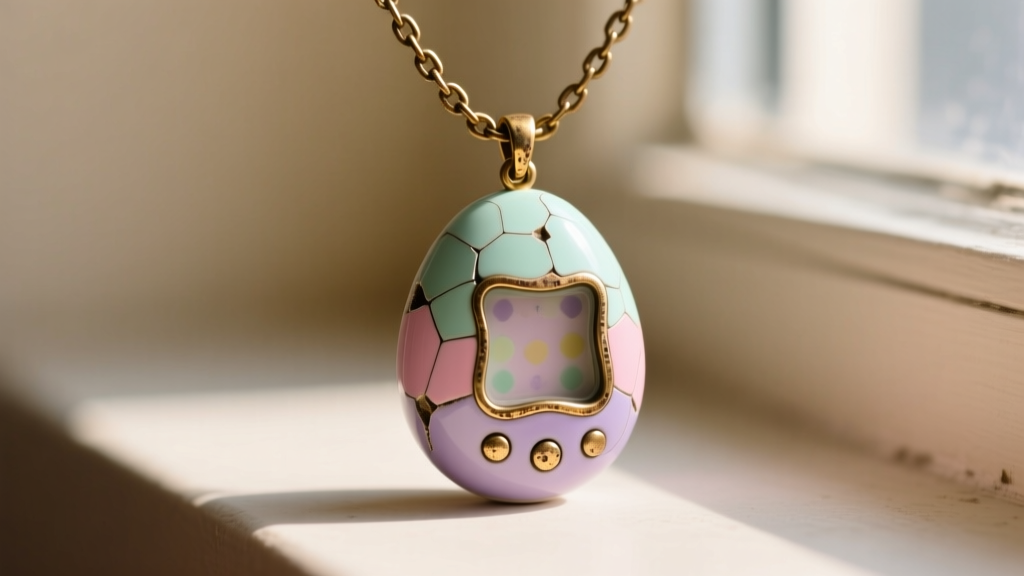
The Y2K Revival and the Fast-Fashion Jewelry Trap
As the Y2K nostalgia cycle reaches its absolute zenith in 2026, the tamagotchi necklace has transitioned from an ironic thrift-store find to a mainstream fashion staple. Whether you are wearing a high-end artisanal silver replica or a mass-produced acrylic piece from a fast-fashion retailer, these digital pet pendants are prone to a very specific set of structural and material failures. Unlike traditional fine jewelry, novelty pendants often rely on base metals, cold enamels, and lightweight plastics that degrade rapidly when exposed to daily wear, sweat, and environmental friction.
Many wearers find that their beloved virtual pet necklace turns their skin green, loses its vibrant paint, or snaps at the clasp within weeks of purchase. According to conservation guidelines outlined by The Spruce Crafts, costume and novelty jewelry requires a fundamentally different maintenance approach than fine metals. This comprehensive troubleshooting guide will walk you through the exact metallurgical and material failures of your tamagotchi necklace and provide actionable, professional-grade solutions to salvage your piece.
Troubleshooting Green Skin: Stopping Galvanic Corrosion
The most common complaint with novelty Y2K jewelry is the dreaded "green skin" effect. This is not an allergic reaction; it is a chemical process known as galvanic corrosion. Most affordable tamagotchi pendants are cast from Zamak (a zinc alloy) or brass, and then flash-plated with a microscopic layer of copper or nickel to mimic silver or gold.
The Science of the Green Stain
When the flash plating wears thin from friction against your chest, the underlying copper or zinc is exposed. When these base metals mix with the natural salts, acids, and moisture in your sweat, they oxidize and produce copper chloride—a green compound that transfers directly to your epidermis.
Step-by-Step Oxidation Fix
- Step 1: Strip the Tarnish. Use a cotton swab dipped in pure isopropyl alcohol (90% or higher) to thoroughly clean the back of the pendant. Do not use acetone, as it will melt the plastic screen and acrylic accents.
- Step 2: Apply a Barrier. Instead of the outdated "clear nail polish" trick—which yellows and peels within days—apply a micro-thin layer of Renaissance Wax or a specialized jewelry polyurethane coating. Allow it to cure for 24 hours.
- Step 3: Upgrade the Chain. If the chain itself is causing the staining, discard it immediately and replace it with a 316L surgical stainless steel chain, which is entirely hypoallergenic and immune to sweat-induced oxidation.
Rescuing Chipped Enamel and Scratched Acrylic Screens
The charm of a tamagotchi necklace lies in its vibrant, pixelated face and colorful shell. However, the materials used to achieve this look are highly susceptible to impact damage.
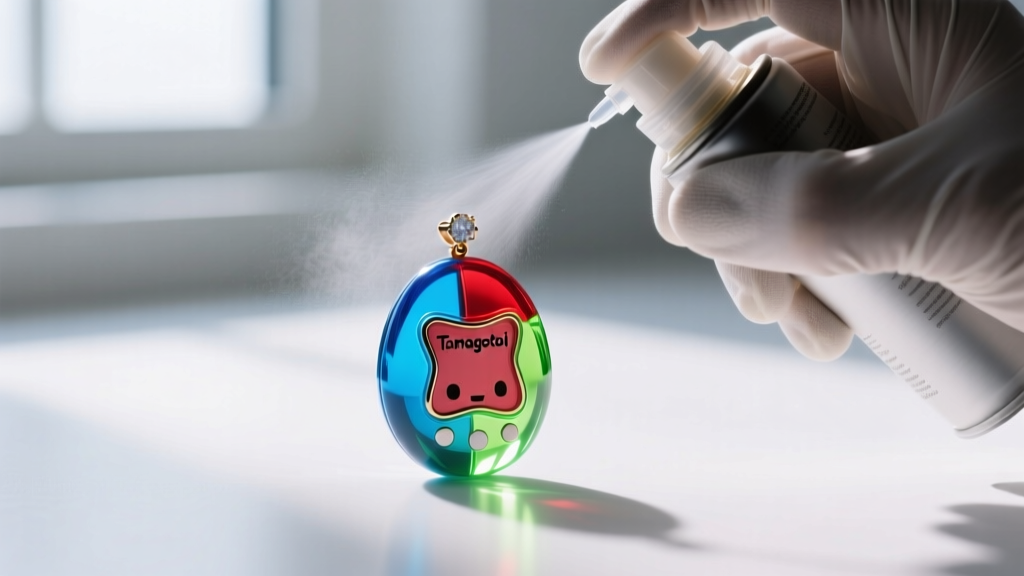
Fixing Cold Enamel Chips
Mass-produced pendants use "cold enamel" (essentially a pigmented epoxy resin) rather than traditional vitreous enamel (glass fused to metal at high temperatures). When cold enamel chips, you cannot simply polish it out.
"To repair a cold enamel chip on novelty jewelry, you must use a UV-curing jewelry resin. Tint the resin with alcohol inks to match the original Pantone shade, flood the chip with a toothpick, and cure it under a 36W UV lamp for 60 seconds. Sand flush with 2000-grit wet sandpaper."
Restoring the Acrylic "Screen"
The clear plastic window protecting the digital pet face is usually made of standard acrylic or polycarbonate. It scratches if you toss it in a bag with your keys. To remove micro-scratches, do not use standard metal polishes like Brasso, which contain harsh ammonia. Instead, use Polywatch—a specialized polishing compound designed for acrylic watch crystals. Apply a pea-sized amount to a microfiber cloth and buff the screen in tight, circular motions for three minutes until the plastic returns to optical clarity.
The Weakest Link: Upgrading Chains and Clasps
A heavy metal tamagotchi pendant can weigh anywhere from 15 to 35 grams. Fast-fashion necklaces typically pair these heavy pendants with flimsy 1.0mm cable chains made of hollow aluminum or cheap zinc alloy, secured by a weak lobster clasp. This mismatch in tensile strength is why the chain inevitably snaps or the clasp bends open.
| Material | Recommended Gauge | Tensile Strength | Best For |
|---|---|---|---|
| Zinc Alloy (Stock) | 1.0mm - 1.2mm | Low (Snaps under 3kg) | Temporary wear only |
| 316L Stainless Steel | 1.5mm - 2.0mm | High (Holds 15kg+) | Daily wear, showering |
| 925 Sterling Silver | 1.8mm - 2.5mm | Medium (Holds 8kg) | High-end artisan replicas |
| Titanium (Grade 23) | 1.5mm | Extreme (Holds 25kg+) | Active lifestyles, sports |
Clasp Troubleshooting
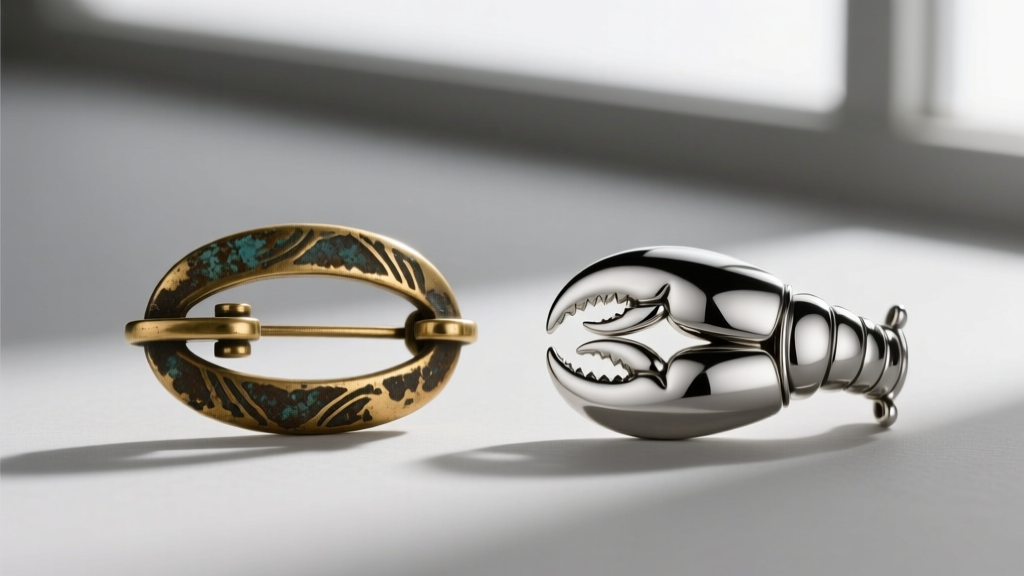
If your necklace keeps sliding off, the issue is likely the spring mechanism inside the lobster clasp. Base metal clasps lose their tension after roughly 500 open-close cycles. Jewelers Mutual recommends routinely checking your clasp's spring action. If it feels mushy or fails to snap back flush against the jump ring, replace it with a stainless steel or 14k gold-filled lobster clasp. Ensure the jump ring connecting the clasp to the chain is soldered closed, or use a split ring to prevent the chain from slipping through the gap.
Special Care for Functional "Working" Tamagotchi Pendants
In 2026, a growing sub-trend involves wearing actual, functional vintage Tamagotchi shells (circa 1996-1998) or modern Bluetooth-enabled versions on heavy chain necklaces. If your necklace contains a working circuit board, standard jewelry cleaning protocols will destroy the electronics.
- Moisture Protection: Sweat and rain will short-circuit the PCB. You must open the shell (using a JIS #00 screwdriver, as Phillips heads will strip the soft Japanese screws) and apply a conformal coating or an IP65-rated nano-spray to the circuit board.
- Battery Corrosion: The LR44 or CR2032 button batteries used in these devices are prone to leaking potassium hydroxide when stored in humid environments against the skin. Change the battery every 6 months and clean the contact prongs with a fiberglass scratch pen to ensure consistent voltage delivery.
- Button Membrane Failure: The rubber contact pads inside the shell degrade from body heat and friction. If the buttons become unresponsive, you must replace the internal silicone membrane pad, which can be sourced from retro-gaming repair shops.
Proper Storage to Prevent Chain Tangling
Because tamagotchi pendants are often asymmetrical and feature protruding buttons or keychain loops, they act as magnets for chain tangling. When a pendant's loop catches on the individual links of a cable chain, it creates a microscopic knot that weakens the metal through torsion stress.
To solve this, store the necklace vertically. Hang it from a jewelry arbor or a simple wall hook. If you must travel with it, thread the chain through a plastic drinking straw before clasping it. This rigid housing prevents the chain from folding back on itself, ensuring your virtual pet remains securely attached and ready to wear without the frustration of untangling a fragile metal knot.


