How to Clean and Maintain Your Handmade Necklace Beads
Discover expert cleaning and maintenance tips for handmade necklace beads. Learn how to protect glass, clay, and gemstone beads from damage.

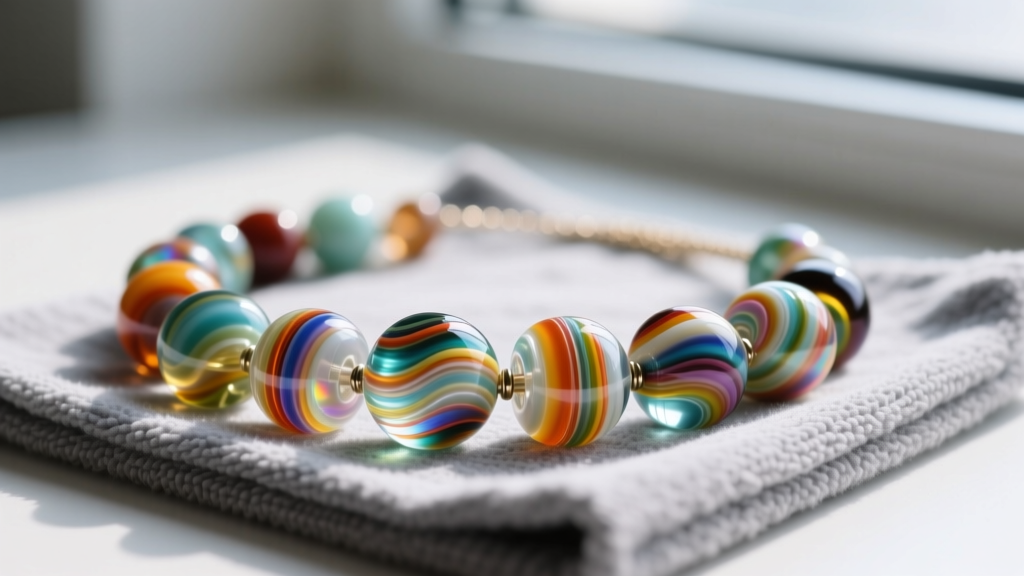
Handmade necklace beads are more than just jewelry components; they are wearable art. Unlike mass-produced, machine-stamped metals, artisan beads—whether they are lampwork glass, hand-carved gemstones, or intricately painted ceramics—possess unique structural vulnerabilities. As of 2026, the resurgence of artisanal craft means more collectors and everyday wearers are investing in bespoke pieces. However, the very techniques that make handmade necklace beads so beautiful also dictate strict, material-specific care protocols.
Using the wrong cleaning agent can strip a silver-fumed glass bead of its luster, dissolve the plasticizers in polymer clay, or fracture a porous turquoise stone from the inside out. This comprehensive guide dives deep into the material science of artisan beads, providing actionable frameworks to clean, maintain, and preserve your handmade necklace beads for decades.
Material-Specific Cleaning Protocols
The golden rule of jewelry maintenance is that there is no universal cleaner. The chemical composition of your handmade necklace beads determines their reaction to moisture, friction, and solvents.
Polymer Clay & Resin Beads
Polymer clay is a polyvinyl chloride (PVC) based modeling material. While baking cures the clay, it remains slightly porous and flexible. The most critical mistake owners make is using alcohol-based cleaners or acetone. These solvents break down the surface sealants and can cause the clay's plasticizers to leach out, resulting in a brittle, chalky texture. To clean polymer clay beads, use a pH-neutral dish soap (like Dawn) diluted in lukewarm water. Gently wipe with a microfiber cloth and dry immediately. Resin beads, particularly UV-cured artisan resins, are prone to micro-scratching. Never use abrasive baking soda pastes on resin; stick to a damp, lint-free cloth.
Lampwork & Hand-Blown Glass
Lampwork beads are crafted by melting glass rods with a torch. Properly annealed glass is incredibly durable, but the surface treatments applied to handmade glass beads require caution. Dichroic glass and silver-fumed beads feature ultra-thin metallic layers. According to master glassmakers, ultrasonic cleaners can cause cavitation bubbles that literally blast these delicate metallic layers off the glass surface. Clean lampwork beads using a mild glass cleaner sprayed onto a cloth—never directly onto the bead—and buff gently.
Porous Natural Gemstones
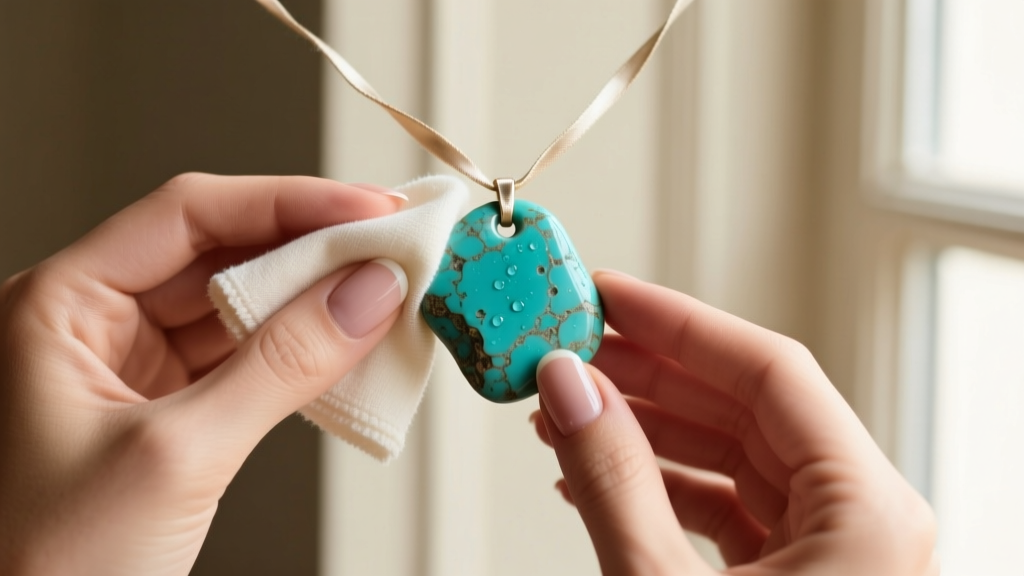
Artisan lapidaries frequently hand-carve porous stones like turquoise, malachite, lapis lazuli, and opal. These stones rank between 3 and 6 on the Mohs hardness scale and possess microscopic surface pores. If submerged in water, porous stones absorb the liquid, which can lead to internal fracturing as the water expands and contracts with temperature changes. Furthermore, chemicals in soaps can become trapped in the stone's matrix, causing permanent discoloration. The Gemological Institute of America (GIA) strictly advises against soaking porous gemstones. Instead, wipe them with a barely damp, untreated cloth and dry them instantly.
The Hidden Dangers: Stringing Materials & Findings
When caring for handmade necklace beads, most people focus entirely on the beads themselves and ignore the structural skeleton holding them together. The stringing material is often the first point of failure in a handmade necklace.
- Silk Thread: Traditional and beautiful, but highly susceptible to degradation from human sweat, perfumes, and natural skin oils. Silk stretches and weakens when wet. If your handmade beads are strung on silk, never submerge the necklace. Wipe the beads individually while avoiding the thread, and plan to have the necklace professionally re-strung every 18 to 24 months if worn frequently.
- Nylon & Beading Wire (e.g., Beadalon): Stainless steel or nylon-coated wires are highly resistant to moisture and oils. However, the nylon coating can degrade under prolonged UV exposure or extreme heat. According to the Fire Mountain Gems Encyclopedia, storing wire-strung necklaces flat prevents the wire from taking on a permanent 'kinked' memory shape.
- Elastic Cord: Frequently used for stretch bracelets but sometimes found in casual handmade bead necklaces. Elastic dries out and becomes brittle over time. Avoid exposing elastic-strung beads to direct sunlight or heat sources like radiators.
The Deep Cleaning Framework
When your handmade necklace beads accumulate heavy buildup from lotions, dead skin cells, and environmental dust, a simple wipe-down is insufficient. Use the following decision matrix to determine the safest deep-cleaning method.
| Bead Material | Recommended Cleaning Agent | Ultrasonic Safe? | Steam Safe? |
|---|---|---|---|
| Kiln-Fused Glass | Mild Dish Soap & Water | Yes | Yes |
| Silver-Fumed Glass | Dry Microfiber Cloth Only | No | No |
| Polymer Clay | pH-Neutral Soap, Damp Cloth | No | No |
| Turquoise / Malachite | Dry or Barely Damp Cloth | No | No |
| Glazed Ceramic | Mild Soap & Soft Brush | Caution | No |
Step-by-Step Washing Technique
- Preparation: Lay a plush towel in the bottom of your sink or basin. This prevents catastrophic damage if a bead slips from your fingers and falls.
- The Solution: Mix a few drops of pH-neutral baby shampoo or mild dish soap into a bowl of lukewarm (never hot) water.
- Agitation: Dip a soft-bristled baby toothbrush into the solution. Gently brush around the drill holes of the beads, where sebum and lotion accumulate the most.
- Rinsing: Quickly pass the non-porous beads under a gentle stream of distilled water. Avoid tap water if your local supply is heavily chlorinated or hard, as mineral deposits can leave a white film on dark glass or clay beads.
- Drying: Pat dry with a lint-free microfiber cloth. Allow the necklace to lay flat on a dry towel for 24 hours to ensure all moisture inside the bead drill holes evaporates completely before storing.

Storage: Preventing Micro-Abrasions and UV Fading
Proper storage is the final pillar of handmade bead maintenance. Artisan beads often feature asymmetrical shapes and protruding elements that can easily scratch neighboring beads if stored improperly.
Never toss a handmade bead necklace into a communal jewelry box. The friction caused by everyday movement will cause micro-abrasions, especially on softer materials like polymer clay and polished malachite. Instead, store each necklace individually in an archival-quality, acid-free tissue pouch or a soft flannel bag. For beads dyed with natural, organic pigments, UV protection is paramount. Store these pieces in a closed drawer or a cedar box away from direct sunlight to prevent the colors from bleaching out over time.
'The longevity of a handmade bead necklace relies entirely on how it rests when it is not being worn. Treat the storage environment as a controlled micro-climate for your art.' — Master Lapidary & Bead Artisan Guild Guidelines.
By respecting the unique material properties of your handmade necklace beads and adhering to these targeted cleaning and storage protocols, you ensure that the artisan's craftsmanship remains vibrant, intact, and ready to be worn for generations.


