How to Clean and Care for Your Silver Bee Necklace
Learn expert tips to clean, polish, and store your silver bee necklace. Prevent tarnish and protect delicate enamel or gemstone accents easily.

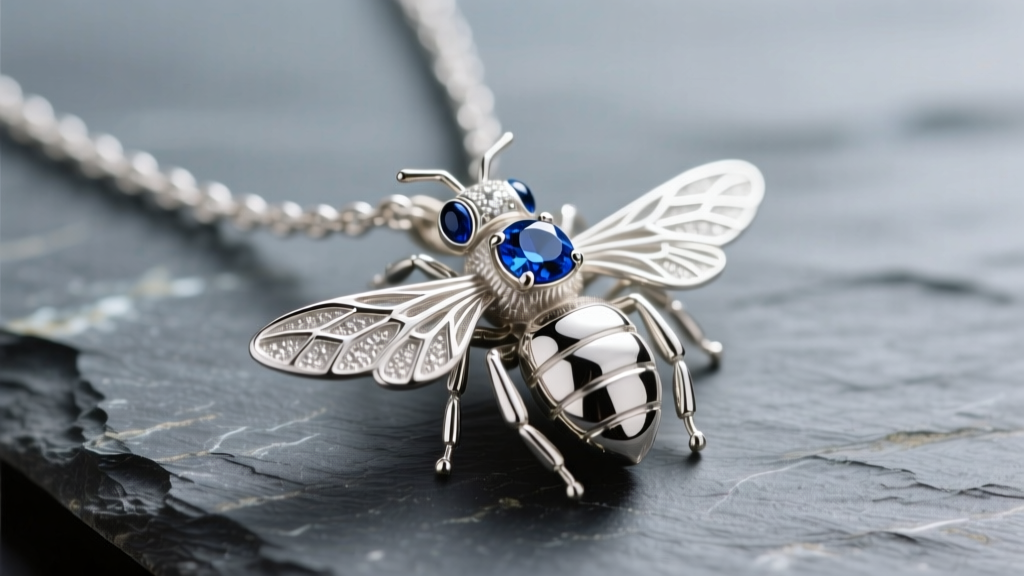
A silver bee necklace is more than just a charming piece of jewelry; it is a symbol of community, hard work, and a deep connection to nature. However, the very details that make bee pendants so captivating—intricate wing veining, textured thorax patterns, and tiny gemstone eyes—also make them magnets for skin oils, lotions, and environmental sulfur. When these elements become trapped in the micro-crevices of the metal, they accelerate tarnishing and dull the brilliance of your piece.
Whether your necklace features a high-polish finish, intentional oxidation (antiquing), or delicate enamel wings, maintaining its luster requires a tailored approach. This comprehensive guide will walk you through the exact chemistry of silver tarnish, the safest cleaning methodologies for intricate motifs, and professional storage techniques to keep your silver bee necklace looking pristine for decades.
The Anatomy of a Silver Bee Necklace: What You Are Cleaning
Before applying any cleaning solution, it is crucial to understand the materials that compose your necklace. According to Assay Office London, authentic sterling silver must contain exactly 92.5% pure silver and 7.5% alloy metals, usually copper. It is this copper content that reacts with hydrogen sulfide in the air and on your skin to form copper sulfide, the dark layer we recognize as tarnish.
Oxidation and Antiquing
Many artisan and designer bee pendants utilize intentional oxidation. Jewelers apply a chemical compound (often liver of sulfur) to darken the recessed areas of the bee, such as the stripes on the abdomen or the veins in the wings, creating a striking 3D contrast. Cleaning these pieces requires extreme caution, as aggressive polishing or chemical dips will strip away this intentional patina, leaving the bee looking flat and overly bright.
Enamel and Gemstone Accents
Bee necklaces frequently incorporate enamel to mimic the translucent look of insect wings. While high-end vintage pieces might use vitreous (fired) enamel, most modern silver bee necklaces utilize cold enamel or epoxy resin. Cold enamel is highly sensitive to heat, harsh chemicals, and ultrasonic vibrations. Similarly, if your bee features pave-set cubic zirconia or sapphire eyes, the adhesives and prongs holding these stones are vulnerable to prolonged soaking and ultrasonic cavitation.
Step-by-Step Cleaning Guide for Silver Bee Pendants
When dealing with intricate nature-inspired motifs, the goal is to lift dirt from the crevices without abrading the high-polish surfaces or stripping the antiqued details. Follow this safe, professional-grade cleaning method.
Method 1: The Gentle Soap Soak (For Standard and Oxidized Silver)
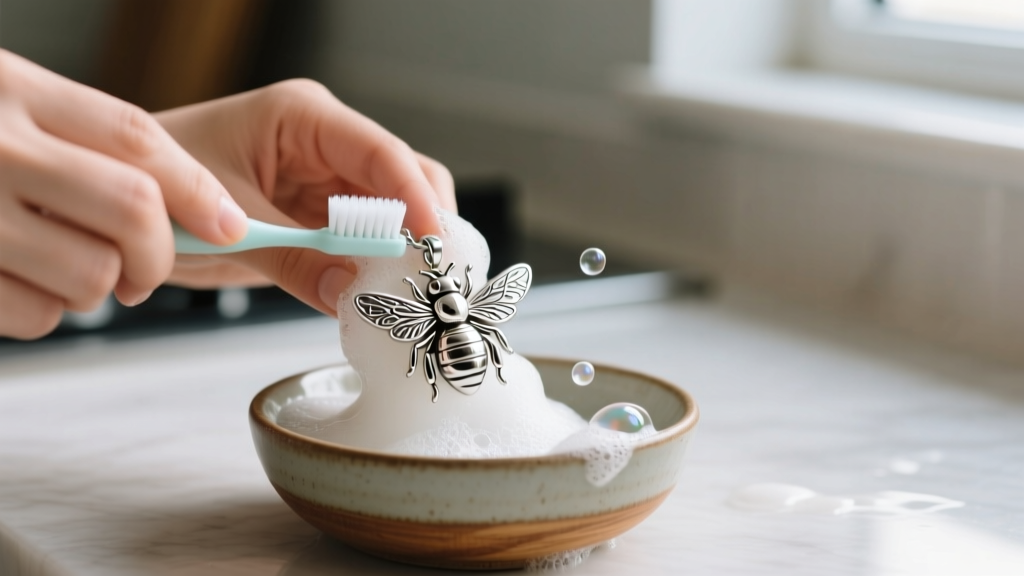
- Prepare the Solution: In a small glass or ceramic bowl, mix one cup of lukewarm distilled water with three drops of phosphate-free, mild dish soap (such as original Dawn). Avoid tap water, as the chlorine and dissolved minerals can leave microscopic water spots on the silver.
- Soak Briefly: Submerge the silver bee pendant and chain for no more than 3 to 5 minutes. This is just enough time to loosen sebum and lotion buildup.
- Agitate Gently: Using an extra-soft baby toothbrush, lightly sweep over the surface of the bee. Do not scrub aggressively in the darkened crevices if your piece features intentional oxidation. Let the soapy water do the heavy lifting.
- Rinse and Dry: Rinse the necklace under a gentle stream of distilled water. Immediately pat it dry with a lint-free microfiber cloth. Ensure no moisture remains trapped in the jump ring or clasp mechanisms.
Method 2: The Dry Polish (For High-Polish Wings and Bodies)
If your bee necklace lacks heavy crevice detailing and is entirely high-polish, a dry polish is often the safest route. Use a treated silver polishing cloth (such as a Sunshine Cloth). These cloths are embedded with micro-abrasives and anti-tarnish agents that lift copper sulfide without the need for liquids. Fold the cloth and gently pinch the flat surfaces of the bee's wings and body, pulling the silver through the fabric. Avoid dragging the cloth over pave-set gemstone eyes, as the micro-abrasives can dull the stones over time.
Chain Maintenance: Don't Forget the Links
The chain of your silver bee necklace requires as much attention as the pendant. The type of chain dictates how it should be cleaned:
- Box Chains: The square, interlocking links of a box chain are notorious for trapping lotion and dead skin cells. Use a soft interdental brush or a cotton swab dipped in your soapy solution to clean inside the individual links.
- Rolo and Cable Chains: These round-link chains are easier to maintain. Simply pull the chain through a folded polishing cloth several times to remove surface tarnish.
- Clasp Mechanisms: The spring ring or lobster clasp contains a tiny internal steel spring. If water gets trapped inside, it can rust and cause the clasp to fail. Always ensure the clasp is thoroughly dried with compressed air or a hairdryer on a cool setting after washing.
What to Avoid: Common Cleaning Mistakes
The internet is full of DIY jewelry cleaning hacks that can permanently damage intricate silver pieces. Jewelers of America strongly advises against using household abrasives or unverified chemical reactions on detailed jewelry. Below is a breakdown of popular methods and why they should be avoided for your silver bee necklace.
| Cleaning Agent / Method | Chemical / Physical Action | Effect on Silver Bee Necklace |
|---|---|---|
| Baking Soda & Aluminum Foil | Ion exchange (galvanic reaction) | Strips intentional oxidation (antiquing) from bee stripes and can cause cold enamel to cloud or crack. |
| Whitening Toothpaste | Hydrated silica (abrasive) | Creates microscopic scratches on high-polish wings, leading to a permanently dull, matte appearance. |
| Commercial Silver Dip | Thiourea and harsh acids | Instantly strips all patina, leaves a chalky white residue in deep crevices, and degrades gemstone adhesives. |
| Ultrasonic Cleaners | High-frequency cavitation | Shatters cold enamel wings, loosens pave gemstone eyes, and can snap delicate chain links. |
Expert Rule of Thumb: Always practice the "Last On, First Off" rule. Put your silver bee necklace on after applying perfumes, hairsprays, and lotions, and take it off before showering, swimming, or exercising. Chlorine in pools and hot tubs is particularly aggressive and can cause irreversible structural pitting in sterling silver.
Long-Term Storage and Tarnish Prevention
Proper storage is the most effective way to reduce the frequency of deep cleanings. Silver tarnishes when exposed to sulfur compounds and high humidity. By controlling the micro-environment where your necklace rests, you can keep it bright for months on end.
The Anti-Tarnish Toolkit
Invest in specialized storage materials rather than tossing your necklace into a standard wooden jewelry box (wood, particularly oak, emits acidic vapors that accelerate tarnishing).
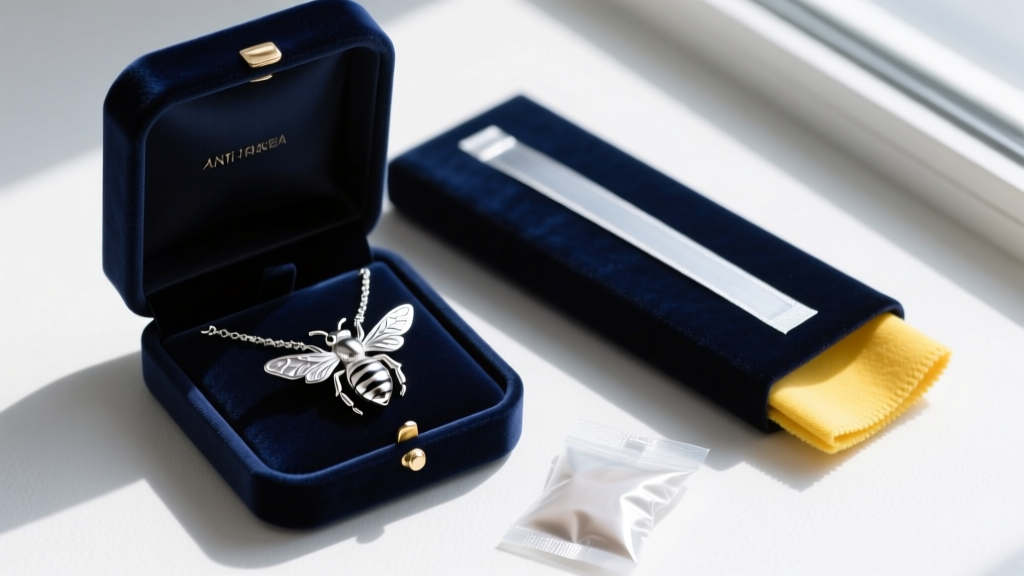
- Pacific Silvercloth: This specialized fabric is embedded with microscopic silver particles. When stored inside a Pacific Silvercloth pouch, the sulfur in the air reacts with the cloth's silver particles rather than your bee necklace. These cloths can remain effective for up to a decade without washing.
- 3M Anti-Tarnish Strips: These small, inexpensive paper strips absorb airborne sulfur and hydrogen sulfide. Place one strip inside your jewelry box or ziplock bag, replacing it every six months.
- Silica Gel Packets: Humidity acts as a catalyst for the tarnishing process. Tossing a few silica gel packets into your jewelry drawer keeps the ambient moisture below the 50% threshold where rapid tarnishing occurs.
According to The Silver Institute, storing silver in airtight plastic bags (like standard Ziploc bags) is highly effective, provided the plastic is not polyvinyl chloride (PVC), which can emit corrosive gases. Opt for polyethylene or specialized anti-tarnish zip bags, and always squeeze out the excess air before sealing.
Conclusion
Caring for a silver bee necklace is an exercise in gentle precision. By understanding the metallurgy of 925 sterling silver and the vulnerabilities of decorative accents like enamel and oxidation, you can avoid the destructive pitfalls of DIY cleaning hacks. Stick to mild soapy soaks, utilize specialized micro-abrasive cloths for high-polish areas, and curate a low-humidity, sulfur-free storage environment. With these expert maintenance habits, your silver bee necklace will continue to shine with intricate brilliance, ready to be passed down as a cherished heirloom.


