Expert Guide to Cleaning and Caring for a Unity Necklace
Learn expert techniques to clean, polish, and store your unity necklace. Discover safe solutions for interlocking rings, pave stones, and mixed metals.

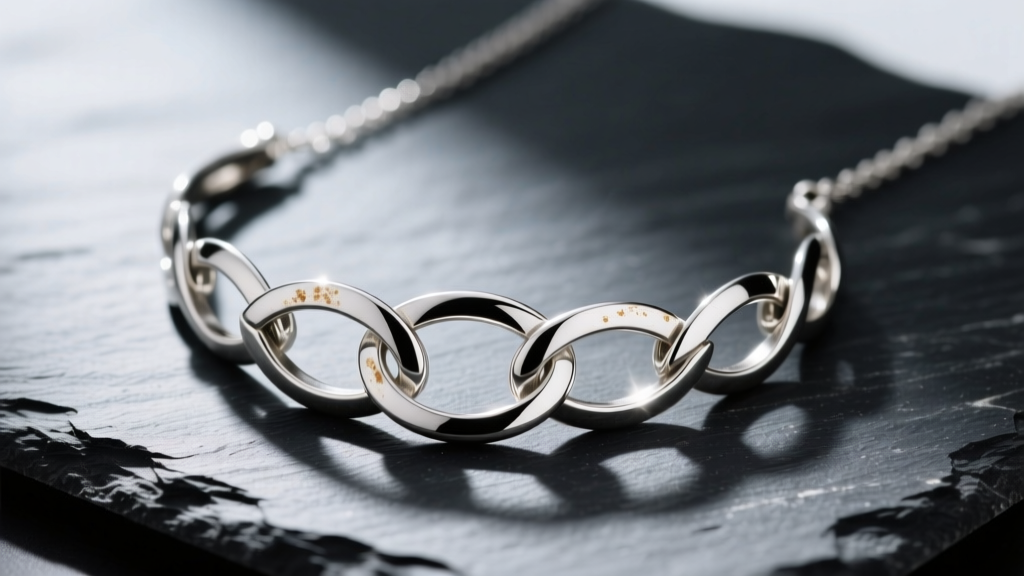
A unity necklace—characterized by its interlocking rings, puzzle pieces, or woven branch motifs—is a powerful symbol of connection and eternity. However, from a metallurgical and gemological perspective, these overlapping geometries create a unique maintenance challenge. The friction points where the metal loops intersect act as microscopic traps for sebum, dead skin cells, and cosmetic residues. If left unaddressed, this buildup not only dulls the metal’s luster but can also accelerate localized galvanic corrosion, especially in mixed-metal or gold vermeil pieces.
This comprehensive guide provides a professional-grade maintenance protocol to keep your unity necklace pristine, addressing the specific vulnerabilities of interlocking designs and pave diamond settings.
The Anatomy of Grime Traps in Interlocking Designs
Unlike a simple solitaire pendant, a unity necklace features overlapping joints that are rarely soldered shut; they must remain loose to move fluidly against one another. This necessary articulation creates a gap ranging from 0.5mm to 2mm between the rings. Modern cosmetic formulations are the primary culprits for buildup in these gaps. Sunscreens containing zinc oxide and titanium dioxide, along with silicone-based primers, form a dense, paste-like residue when mixed with natural body oils. Over time, this paste hardens into a cement-like layer that restricts the movement of the interlocking rings and creates a breeding ground for skin bacteria.
The Step-by-Step Cleaning Protocol
To safely remove this buildup without damaging delicate micro-prongs or stripping gold vermeil layers, follow this precise three-step cleaning protocol.
Step 1: The Degreasing Soak
Fill a small ceramic bowl with warm water (approximately 100°F or 38°C) and add three drops of a pH-neutral, phosphate-free dish detergent (such as original blue Dawn). Avoid moisturizing soaps, as they contain lipids that will leave a secondary film on the metal. Submerge the unity necklace and allow it to soak for exactly 15 minutes. This specific duration is long enough to emulsify the sebum and cosmetic oils but short enough to prevent any water-spotting on porous gemstone accents like turquoise or opals, should your piece feature them.
Step 2: Targeted Agitation
Remove the necklace from the soak. Using a baby toothbrush (which features ultra-soft, 0.001-inch bristles that will not scratch precious metals), gently agitate the overlapping joints. Do not scrub in wide circles; instead, use short, back-and-forth strokes directly along the seams where the rings intersect. This mechanical action dislodges the softened zinc oxide and skin cell matrix.
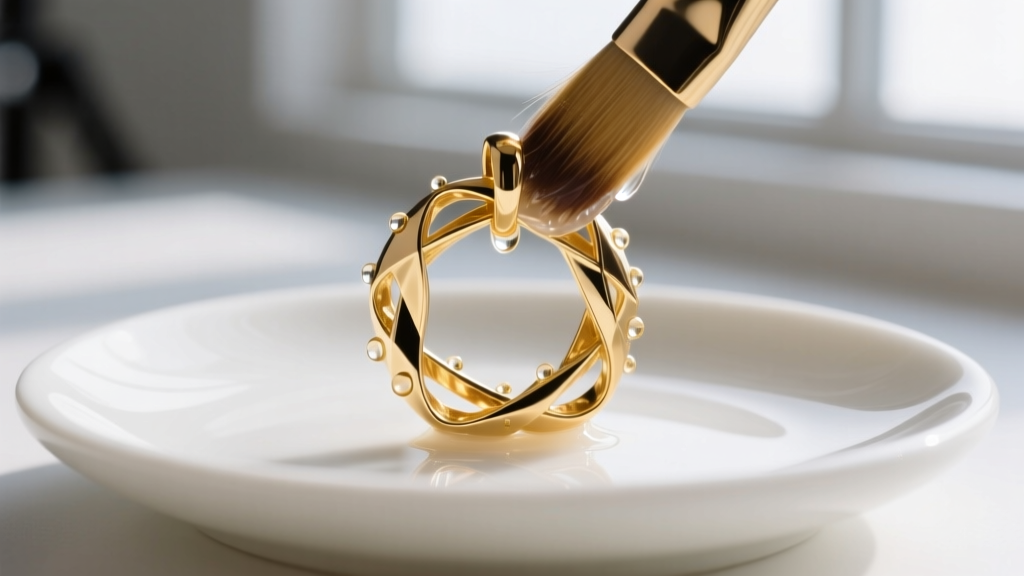
Step 3: The Rinse and Air-Dry
Rinse the piece under a gentle stream of lukewarm distilled water. Tap water often contains trace minerals and chlorine that can leave microscopic water spots on high-polish gold or silver. To dry, lay the necklace flat on a lint-free microfiber cloth. For the tight crevices between the interlocking rings, use a can of compressed air (held at least six inches away) to blow out trapped moisture. This prevents water from sitting in the joints and causing delayed oxidation.
Material-Specific Care Matrix
Unity necklaces are manufactured in a variety of metals, each requiring a distinct chemical approach. Using the wrong cleaning agent can cause irreversible damage, particularly to vermeil and oxidized finishes.
| Metal Type | Safe Cleaning Agents | Agents to Strictly Avoid | Specific Vulnerabilities |
|---|---|---|---|
| Sterling Silver (925) | Mild dish soap, specialized silver polishing cloths. | Baking soda paste, toothpaste, aluminum foil baths. | Abrasive pastes will scratch the high-polish finish and remove intentional antiquing in crevices. |
| Gold Vermeil | pH-neutral dish soap, lukewarm water. | Thiourea-based silver dips, ultrasonic cleaners, polishing cloths. | Chemical dips and friction will strip the 2.5-micron gold layer, exposing the base brass or silver. |
| Solid 14k/18k Gold | Mild soap, isopropyl alcohol (for sanitizing). | Chlorine bleach, harsh degreasers. | Chlorine causes stress-corrosion cracking in the copper and zinc alloys mixed with the gold. |
| Pave Diamond Accents | Soft brush, mild soap, distilled water rinse. | Ultrasonic cleaners, steam cleaners. | High-frequency vibrations will shatter fracture-filled stones and shake diamonds out of micro-prongs. |
The Ultrasonic Cleaner Trap: A Warning for Pave Unity Necklaces
Many modern unity necklaces feature a halo or full-coverage pave of small diamonds (typically 0.01 to 0.03 carats each) set in micro-prongs. While commercial jewelry stores frequently use 40kHz ultrasonic cleaners to blast grime from settings, these devices are highly dangerous for pave jewelry. According to the Gemological Institute of America (GIA), the intense cavitation bubbles generated by ultrasonic waves can easily fatigue and bend the microscopic prongs holding pave stones, causing diamonds to fall out unnoticed. Furthermore, if any of the diamonds are fracture-filled or clarity-enhanced, the ultrasonic heat and vibrations can cloud or shatter the stones entirely. Always stick to manual, soft-bristle cleaning for diamond-encrusted unity pendants.
Tackling Severe Tarnish in Hard-to-Reach Crevices
If your sterling silver unity necklace has developed heavy black tarnish (silver sulfide) deep within the overlapping joints, standard polishing cloths cannot reach the affected areas. The Rio Grande jewelry supply experts note that tarnish is a chemical reaction with hydrogen sulfide in the air, requiring a targeted approach for removal in tight spaces.
Pro Tip: Never use metal needles, safety pins, or paperclips to scrape tarnish out of interlocking joints. These steel tools are harder than sterling silver and will leave deep, permanent gouges. Instead, use a wooden toothpick or a soft plastic interdental pick wrapped in a microfiber cloth dampened with a professional silver polishing liquid.
For localized grease spots that soap fails to lift, dip a cotton swab in 90% isopropyl alcohol and run it along the seam of the rings. The alcohol acts as a rapid solvent for stubborn silicone-based makeup residues and evaporates instantly without leaving moisture behind.
Proper Storage to Prevent Warping and Tangling
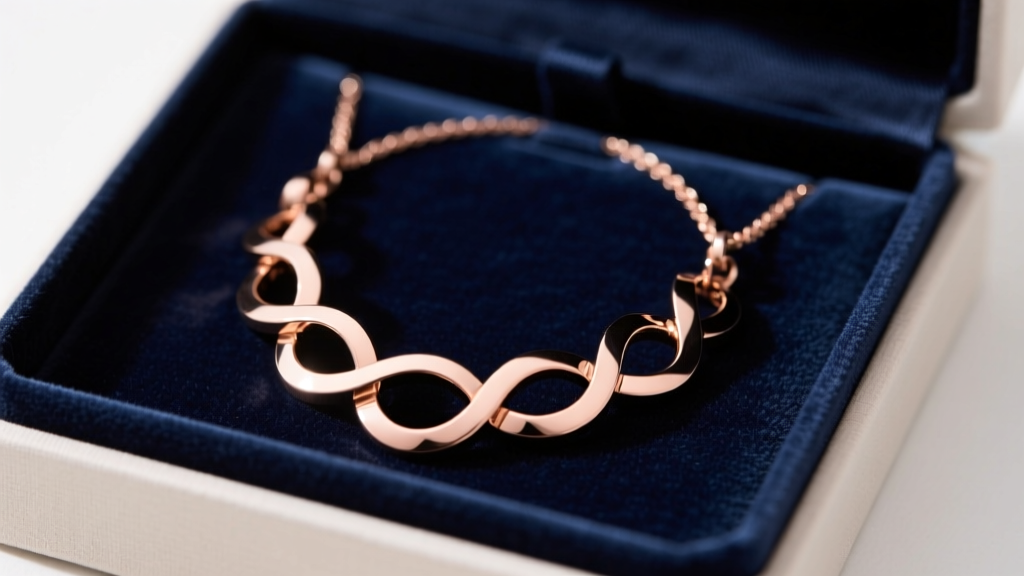
Because a unity necklace consists of multiple moving rings, improper storage is a leading cause of mechanical failure. When tossed into a communal jewelry box, the interlocking rings can catch on other chains, leading to severe tangling. Attempting to force these tangles apart often results in the warping of the delicate circular bands or the snapping of the chain’s jump rings.
- Flat Storage: Always store the necklace completely flat. Hanging a heavy, multi-ring unity pendant on a standard hook can place undue stress on the top bail, causing it to stretch over time.
- Anti-Tarnish Environments: Place the necklace in an airtight polyethylene ziplock bag along with a 3M anti-tarnish strip. These strips absorb the airborne sulfur compounds that cause silver to blacken, extending the time between required deep cleanings by up to six months.
- Isolation: If using a jewelry box, ensure the unity necklace has its own dedicated, fabric-lined compartment to prevent the gold or silver from being scratched by harder gemstones (like sapphires or diamonds) from other pieces.
Routine Maintenance Schedule
To maintain the structural integrity and visual brilliance of your unity necklace, adopt this professional maintenance schedule:
- Daily: Wipe the pendant with a dry, clean microfiber cloth before bed to remove the day’s accumulation of sweat and skin oils.
- Monthly: Perform the degreasing soak and soft-bristle agitation protocol outlined above to prevent cosmetic buildup from hardening in the joints.
- Annually: Inspect the chain’s jump rings and the pendant’s bail for signs of metal fatigue or thinning. If your piece features pave diamonds, take it to a professional jeweler for a microscopic prong inspection to ensure no stones are at risk of slipping out of their settings.
By understanding the unique mechanical and chemical vulnerabilities of interlocking jewelry, you can ensure your unity necklace remains a brilliant, untarnished symbol of connection for decades to come. For further guidelines on precious metal care and FTC disclosures regarding jewelry materials, refer to the Federal Trade Commission’s Jewelry Guides.


