How to Clean and Protect Your Carnelian Heart Necklace
Learn how to safely clean, store, and protect your carnelian heart necklace. Expert tips on avoiding heat damage, chemical exposure, and stone chipping.

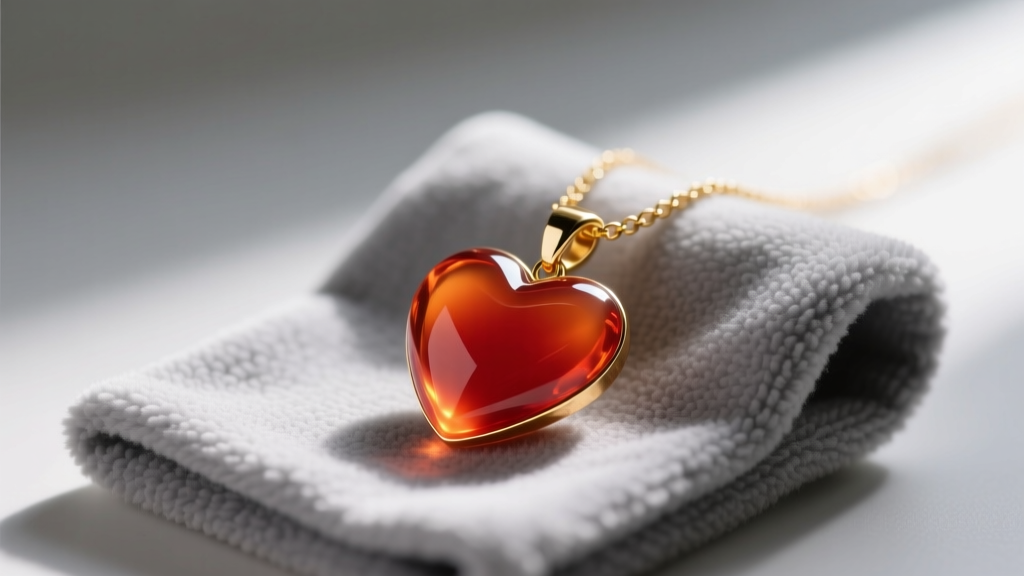
A carnelian heart necklace is more than just a beautiful accessory; it is a striking piece of mineral history. Known for its rich, fiery orange-red hues, carnelian has been used in jewelry for thousands of years. However, its unique cryptocrystalline structure and the specific physical vulnerabilities of the heart cut require a specialized approach to maintenance. Improper cleaning can lead to micro-fractures, color fading, or irreversible damage to the metal setting.
In this comprehensive guide, we break down the exact mineralogy of carnelian, outline a safe step-by-step cleaning protocol, and provide structural advice to ensure your heart pendant remains flawless for decades.
The Mineralogy of Carnelian: Why It Demands Specific Care
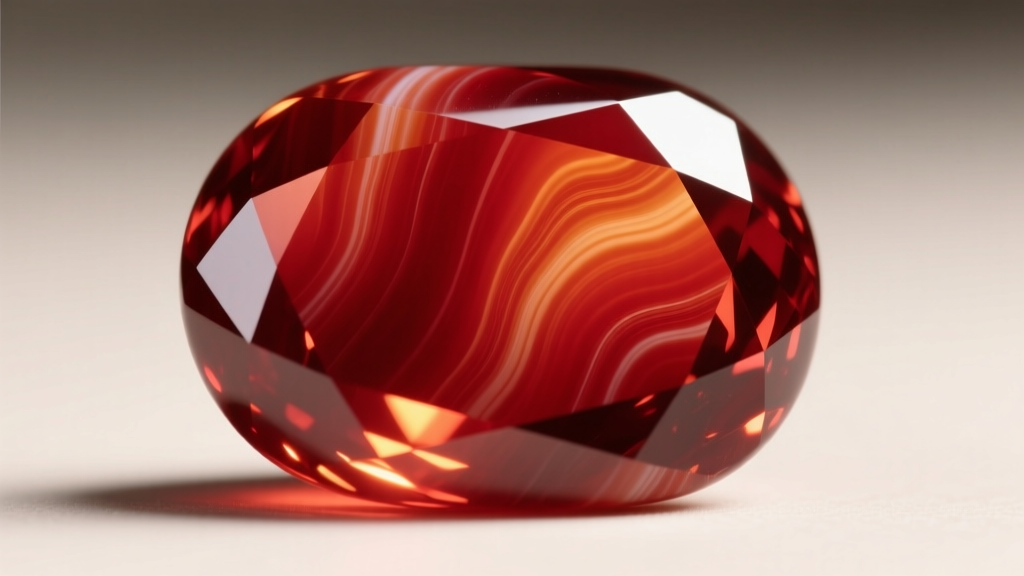
To properly care for your jewelry, you must first understand the stone. Carnelian is a variety of chalcedony, which is a cryptocrystalline form of silica (quartz). According to the Gemological Institute of America (GIA), carnelian ranks between 6.5 and 7 on the Mohs scale of hardness. While this makes it relatively durable against everyday scratches, it is still susceptible to chipping from sharp impacts.
The signature red and orange colors of carnelian are caused by iron oxide inclusions, primarily hematite. These iron impurities are what make the stone particularly sensitive to extreme heat and prolonged ultraviolet (UV) exposure. Furthermore, because carnelian is a porous, micro-crystalline stone, it can easily absorb harsh chemicals, which may dull its natural glassy luster over time.
The Step-by-Step Carnelian Heart Necklace Cleaning Routine
Forget commercial jewelry dips and ultrasonic machines. The vibrations from an ultrasonic cleaner can easily exploit natural banding lines in chalcedony, causing the stone to split. Instead, follow this gentle, manual cleaning routine to restore your pendant's brilliance.
What You Will Need:
- Lukewarm distilled water (tap water contains minerals that can leave spots)
- pH-neutral, dye-free dish soap
- An ultra-soft baby toothbrush or a dedicated makeup brush
- A lint-free microfiber cloth
The Cleaning Process:
- Prepare the Solution: Mix a few drops of pH-neutral soap into a bowl of lukewarm distilled water. Ensure the water is never hot, as thermal shock can cause internal fracturing.
- Soak Briefly: Submerge the carnelian heart pendant for no more than 3 to 5 minutes. This loosens body oils, lotions, and environmental dust.
- Gentle Agitation: Using the baby toothbrush, gently sweep the bristles across the surface of the stone. Pay special attention to the back of the pendant and the bail (the loop connecting the stone to the chain), where grime accumulates.
- Rinse Thoroughly: Rinse the necklace under a gentle stream of lukewarm distilled water to remove all soap residue.
- Dry Immediately: Pat the stone and metal chain completely dry with a microfiber cloth. Air-drying can lead to water spots, especially on sterling silver or gold vermeil chains.
Cleaning Agent Safety Matrix
| Cleaning Agent | Safety Level | Impact on Carnelian & Setting |
|---|---|---|
| Lukewarm Water & Mild Soap | Safe | Best for routine cleaning; preserves luster and metal integrity. |
| Ultrasonic Cleaners | Dangerous | Vibrations can shatter the stone along natural cryptocrystalline bands. |
| Steam Cleaners | Dangerous | Extreme heat can alter iron oxide inclusions, causing permanent color shifts. |
| Bleach / Ammonia | Toxic to Stone | Chemicals will degrade the polish and corrode the metal bail and chain. |
| Baking Soda Paste | Abrasive | Can cause micro-scratches on the stone's surface and strip gold vermeil. |
Structural Vulnerabilities: Protecting the Heart Shape
The heart cut is notoriously difficult to protect due to its geometry. Unlike a smooth cabochon or a round brilliant cut, a heart-shaped gemstone features two distinct structural weak points: the top cleft (the inward V-shape) and the nadir (the bottom point).
The Cleft and the Nadir
The top cleft is highly prone to snagging on knitwear, towels, and hair. When putting on or taking off your carnelian heart necklace, always handle it by the chain or the metal bail, never by pinching the stone itself. Pinching puts lateral pressure on the cleft, which can cause a clean break.
The bottom point (nadir) is the most common site for impact damage. If the pendant swings and strikes a hard surface like a marble countertop or a ceramic tile floor, the point will likely chip. To mitigate this, look for heart pendants that feature a bezel setting or a metal V-tip prong that wraps over the very bottom of the stone, absorbing the shock of any accidental impacts.
Environmental Hazards: Sunlight, Heat, and Chemicals
Carnelian requires mindful storage and wear to maintain its vibrant color profile. While natural, untreated carnelian is relatively stable, a significant portion of carnelian on the commercial market is heat-treated or dyed to enhance its red saturation. According to mineralogical data from Mindat.org, the iron oxide content makes the stone reactive to environmental stressors.
- UV Fading: Prolonged exposure to direct sunlight can cause dyed carnelian to fade, turning a vibrant ruby-red into a washed-out, pale orange. Always store your necklace in a dark jewelry box or pouch when not in use.
- Thermal Shock: Never wear your carnelian necklace in a sauna, hot tub, or while cooking over high, open heat. Sudden temperature changes cause the silica structure to expand and contract rapidly, leading to internal crazing (a network of fine cracks).
- Chemical Exposure: Apply all perfumes, hairsprays, and lotions before putting on your necklace. The alcohols and aerosolized chemicals in cosmetics can degrade the polish of the carnelian and tarnish the metal chain.
Maintaining the Chain and Bail Hardware
The stone is only half of the equation; the metal hardware requires equal attention. The bail (the metal loop that threads the chain through the pendant) experiences the most friction and wear.
Inspecting the Jump Rings
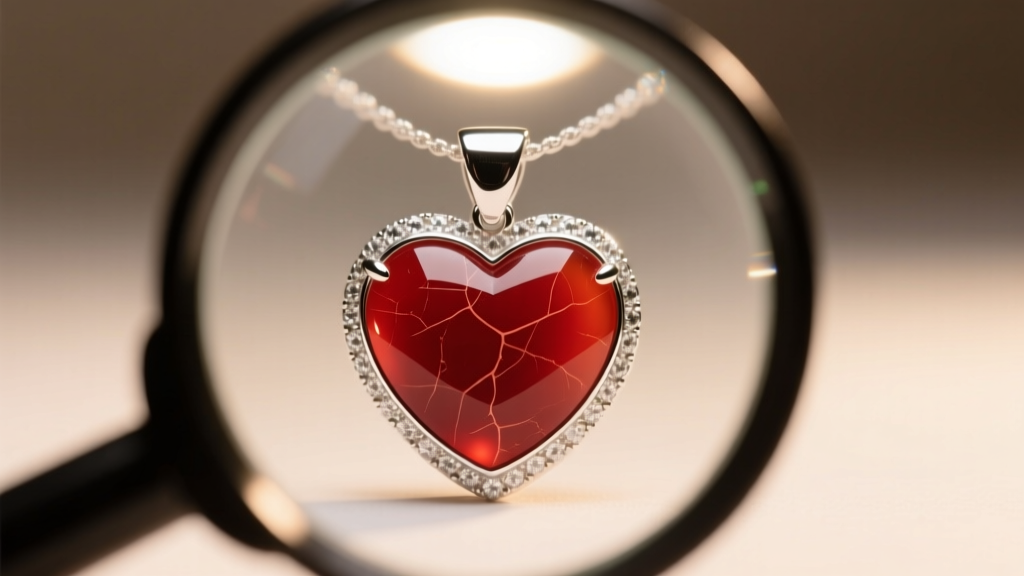
Every six months, perform a physical inspection of the jump ring connecting the bail to the chain. Use a magnifying loupe to check if the gap in the jump ring has pulled open. If the gap is visible, the pendant is at high risk of slipping off and being lost. A local jeweler can easily solder this gap shut for a nominal fee.
Chain-Specific Care
If your carnelian heart is set on a sterling silver chain, it will naturally oxidize and tarnish when exposed to sulfur in the air. Use a dedicated silver polishing cloth to gently buff the chain, but keep the cloth away from the carnelian stone, as the polishing compounds can build up in the stone's natural crevices.
If your necklace features a gold vermeil chain (a thick layer of gold over sterling silver), avoid polishing cloths entirely. The friction will eventually wear away the gold layer, exposing the silver beneath. Instead, rely solely on the mild soap and water bath described above to keep vermeil chains clean and bright.
Pro-Tip from the Bench: If your carnelian heart pendant features a glued-in setting (common in bezel settings), never soak the stone in water for more than 5 minutes. Prolonged submersion can weaken the jeweler's epoxy, causing the stone to pop out of its metal housing unexpectedly.
By respecting the unique mineral properties of chalcedony and acknowledging the physical fragility of the heart cut, you can ensure your carnelian heart necklace remains a vibrant, structurally sound heirloom. Consistent, gentle care is the ultimate secret to preserving the fiery beauty of this ancient gemstone.


