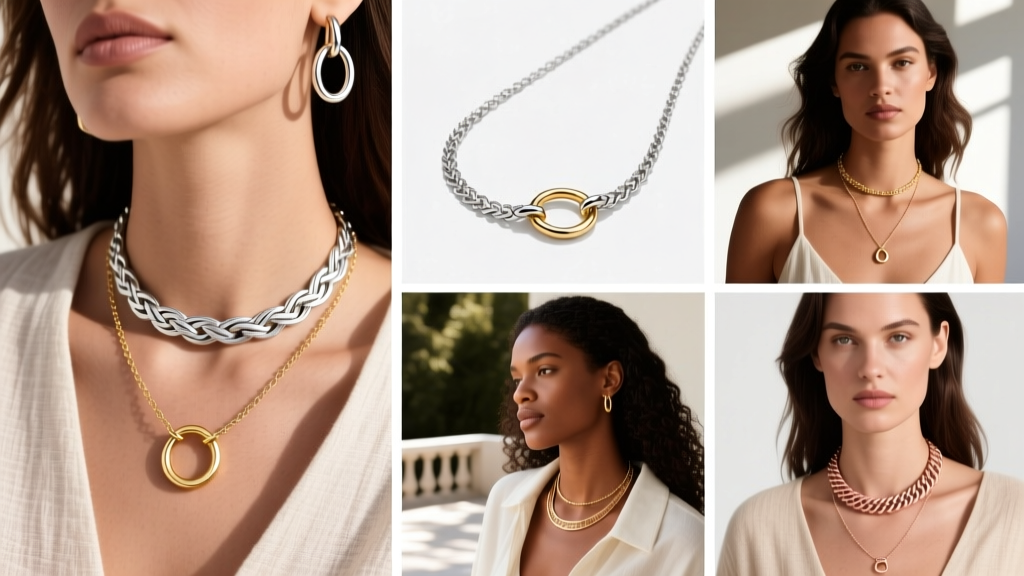
Kappa Delta Necklace Guide: Metals, Chains & Pendants
Explore the technical details of choosing a Kappa Delta necklace. Compare metal grades, chain gauges, enamel types, and official licensing standards.

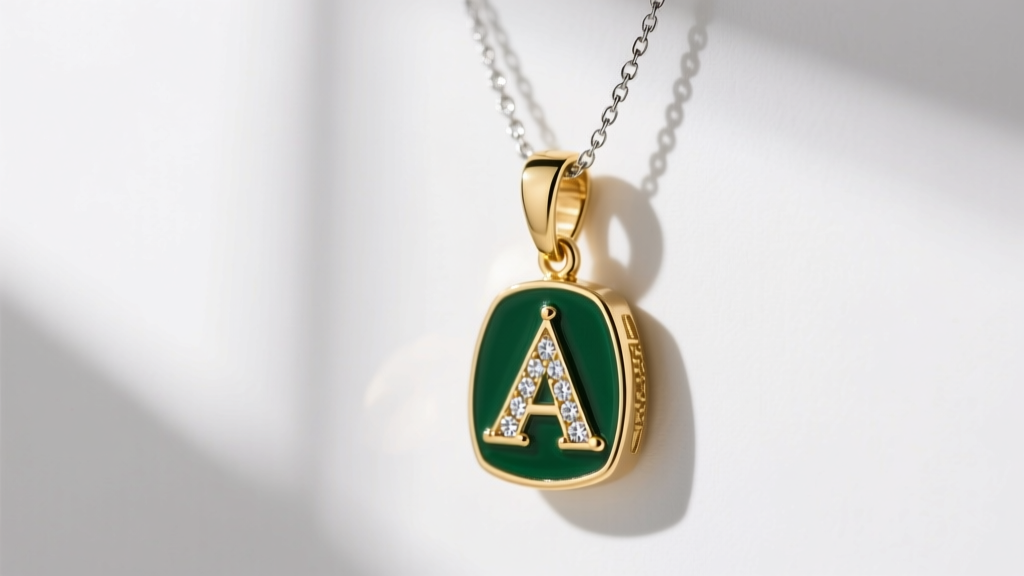
When selecting a kappa delta necklace, most buyers focus solely on the aesthetic appeal of the charm—whether it features the iconic diamond, the dagger, the teddy bear, or the white rose. However, as a piece of jewelry intended for daily wear, the structural integrity, metallurgical composition, and manufacturing techniques dictate its longevity. A poorly constructed necklace will suffer from enamel chipping, chain snapping, and rapid gold plating loss within months. This expert deep dive bypasses generic buying advice to examine the exact material grades, chain gauges, and enameling processes that separate heirloom-quality Greek life jewelry from disposable fast-fashion accessories.
Metallurgy and Base Metal Grades
The foundation of any premium necklace is its base metal. For Kappa Delta jewelry, which frequently incorporates olive green and pearl white accents, the metal must provide a durable, non-reactive canvas. Here is how the industry-standard metal grades compare in real-world wear scenarios:
925 Sterling Silver
Composed of 92.5% pure silver and 7.5% copper, sterling silver is the baseline for quality Greek jewelry. The copper adds necessary tensile strength but introduces a failure mode: oxidation. When exposed to humidity and skin acids, the copper reacts, causing tarnish. While easily polished, sterling silver is relatively soft (Mohs hardness of 2.5-3), making it prone to bending if used in thin chain gauges.
Gold Vermeil vs. Gold-Filled
Many buyers confuse vermeil with gold-filled, leading to premature disappointment. According to industry standards tracked by suppliers like Rio Grande, Gold Vermeil requires a base of sterling silver plated with a minimum of 2.5 microns of 10k (or higher) gold. While beautiful, the friction at the pendant bail and clasp will wear through this microscopic layer in 6 to 12 months of daily wear.
Gold-Filled (1/20 14k GF), by contrast, involves mechanically bonding a thick layer of 14k gold to a brass core using heat and pressure. The gold layer constitutes 5% of the total weight (hence '1/20'). Gold-filled chains and pendants offer 10 to 20 times the durability of vermeil, resisting flaking and tarnishing for years, making it the superior mid-tier choice for a kappa delta necklace.
Enameling Techniques: Capturing Olive Green and Pearl
The Kappa Delta color palette relies heavily on precise enamel work. The manufacturing method used to apply these colors drastically affects the charm's durability and tactile feel.
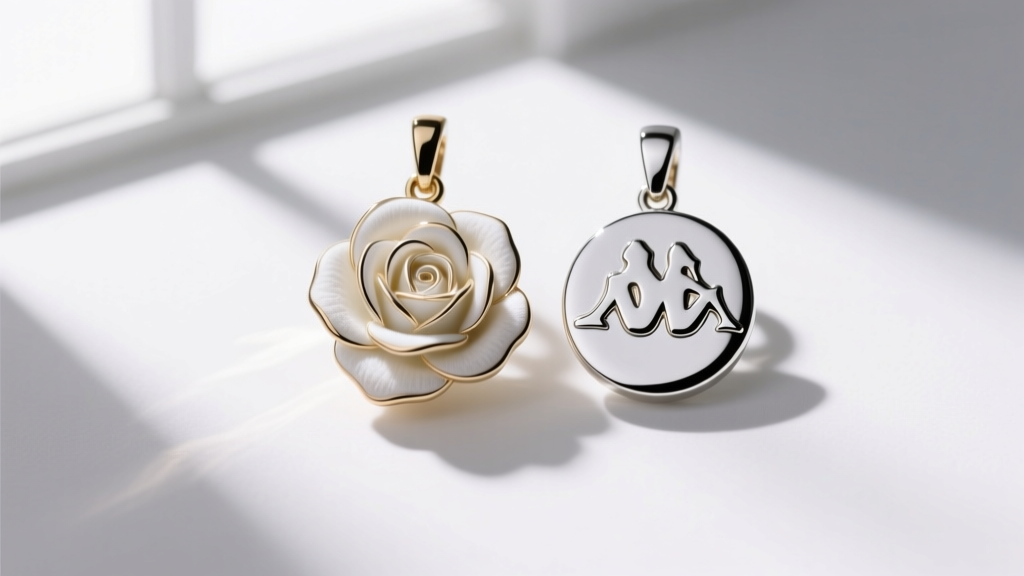
Soft Enamel (Epoxy Resin)
Soft enamel is poured into recessed channels stamped into the metal and baked at low temperatures. The result is a textured surface where the metal lines sit slightly higher than the colored enamel. Failure Mode: Because the enamel is recessed and softer, it is highly susceptible to chipping if dropped on a hard surface. Furthermore, dirt and skin oils accumulate in the recessed channels, dulling the pearl white and olive green hues over time.
Hard Enamel (Cloisonné / Vitreous)
Hard enamel is fired at much higher temperatures (often exceeding 1,400°F) and then ground and polished completely flat, flush with the metal lines. This creates a smooth, glass-like finish that is virtually impervious to scratching and chipping. For a daily-wear Kappa Delta necklace, hard enamel is the mandatory standard for longevity, ensuring the olive green remains vibrant without trapping debris.
Chain Gauges, Weaves, and Clasp Mechanics
The chain is the most common point of catastrophic failure in pendant necklaces. Selecting the correct gauge (thickness) and weave is critical based on the weight of the KD charm. A standard 1/2-inch Greek letter or diamond pendant weighs between 1.5 and 3 grams, while a detailed 1-inch dagger or teddy bear can weigh up to 6 grams.
| Chain Weave | Gauge (mm) | Tensile Strength | Best Pendant Weight | Durability Notes |
|---|---|---|---|---|
| Cable Chain | 1.0mm - 1.2mm | Low (3-5 lbs) | Under 2 grams | Prone to kinking; links can pull apart under sudden stress. |
| Box Chain | 1.2mm - 1.5mm | Medium (8-12 lbs) | 2 to 4 grams | Excellent drape; square links resist kinking and distribute weight evenly. |
| Rope Chain | 1.5mm - 2.0mm | High (15+ lbs) | 4 to 8 grams | Highly durable; twisted links hide scratches and support heavier charms. |
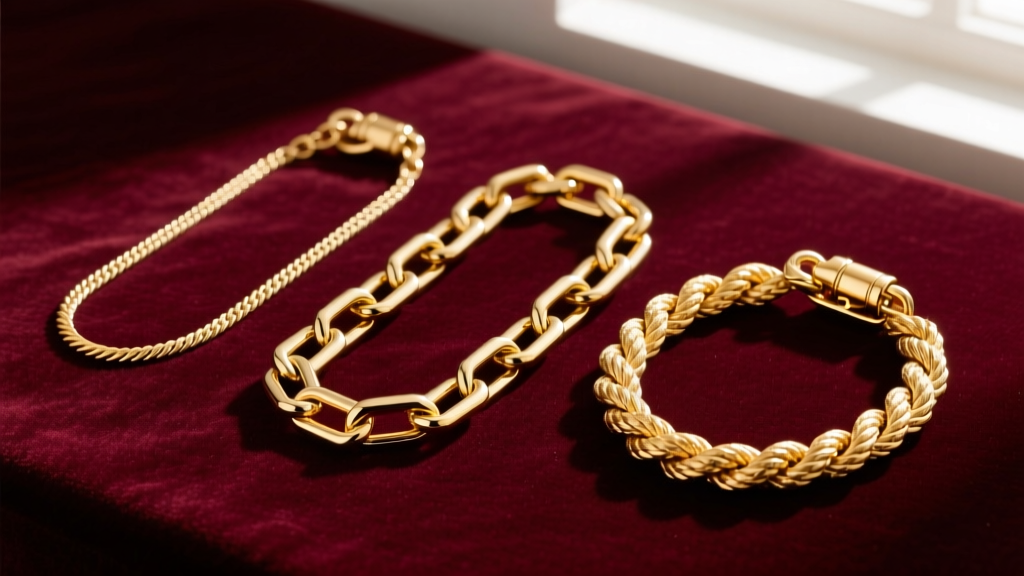
The Clasp Failure Point
Never pair a heavy KD pendant with a chain featuring a spring-ring clasp. Spring rings rely on a tiny internal wire spring that frequently fails or gets stuck open. Always upgrade to a lobster clasp with a minimum length of 12mm. Lobster clasps feature a solid internal mechanism and a wider gate, reducing the risk of the chain slipping off the neck during active wear.
Navigating Greek Licensing and Authenticity
From a legal and quality assurance standpoint, authentic Kappa Delta merchandise is strictly regulated. The Kappa Delta National Headquarters protects its trademarks, including the diamond, dagger, and specific Greek letter fonts. According to Greek Licensing, any vendor producing a kappa delta necklace must hold an active, approved license.
Unlicensed sellers on third-party marketplaces often bypass quality control, using toxic lead-based solder in chain links and low-grade acrylic paints instead of fired enamel. Always verify that the retailer displays a current Greek Licensing approval badge or is listed as an official vendor on Kappa Delta's official website. This ensures the jewelry not only meets trademark standards but also complies with federal safety regulations regarding heavy metals in wearable accessories.
Price Tiers and Material Longevity Matrix
Understanding the intersection of price and material science helps set realistic expectations for your investment:
- Tier 1: Gold-Plated Brass ($25 - $45) - Base metal is brass; plated with less than 1 micron of gold. Longevity: 3-6 months before turning the skin green and exposing the brass core.
- Tier 2: Sterling Silver with Soft Enamel ($45 - $75) - Solid silver base, but vulnerable to tarnish and enamel chipping. Longevity: 2-5 years with meticulous care.
- Tier 3: 1/20 14k Gold-Filled with Hard Enamel ($85 - $140) - The optimal sweet spot for daily wear. Thick gold layer and scratch-resistant enamel. Longevity: 10+ years of daily wear.
- Tier 4: Solid 14k Gold with Vitreous Enamel ($250 - $450+) - Heirloom quality. Will never tarnish or wear through. Longevity: Generational.
Care and Maintenance for Enamel and Vermeil Pieces
If you own a vermeil or gold-filled Kappa Delta necklace, your cleaning methodology dictates its lifespan. Never use ultrasonic jewelry cleaners. The high-frequency vibrations will shatter hard enamel and strip soft epoxy resin from the metal channels. Furthermore, avoid chemical silver dips, which will instantly dissolve gold plating and vermeil layers.
Instead, use a microfiber polishing cloth to gently wipe the metal components. For the enamel sections, a soft-bristled baby toothbrush dampened with warm water and a drop of mild, phosphate-free dish soap will safely lift skin oils from the crevices without degrading the color. Always unclasp the necklace and store it flat or hung vertically to prevent the chain from tangling and stressing the soldered jump rings.