Expert Care Guide: Clean Your Charm It Necklace Safely
Learn how to safely clean, maintain, and store your charm it necklace. Expert tips on protecting clasp mechanisms, chains, and delicate charm finishes.

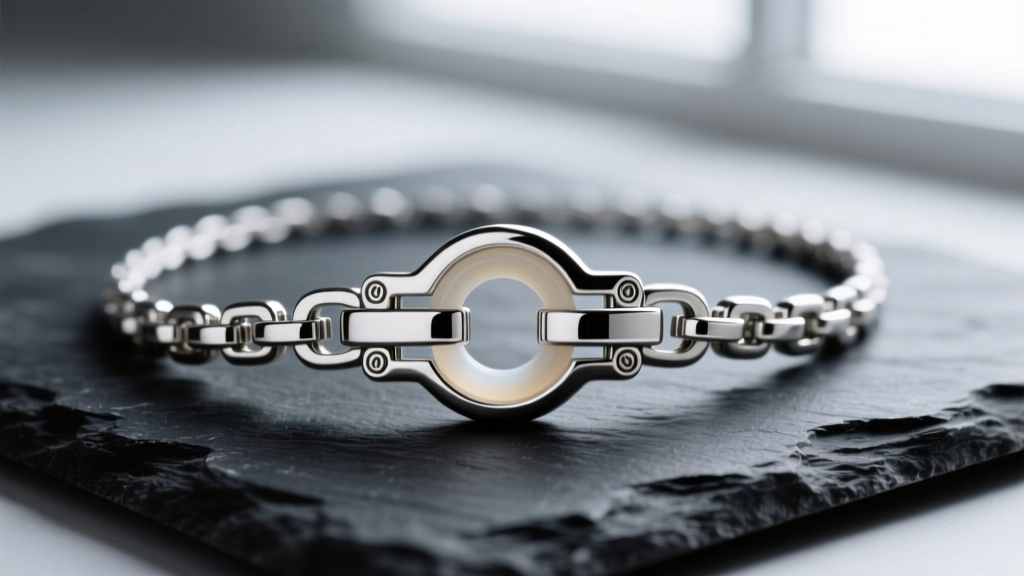
The modular jewelry trend has revolutionized how we curate our personal style, and at the forefront of this movement is the highly customizable charm it necklace. Unlike traditional pendant chains, a charm it necklace relies on specialized micro-mechanics—threaded barrels, silicone O-rings, and spring-loaded clickers—to secure interchangeable charms. While this modularity offers endless styling possibilities, it also introduces unique maintenance challenges. Standard jewelry cleaning methods can easily destroy the delicate threading, strip gold vermeil, or shatter cold enamel finishes.
According to the Gemological Institute of America (GIA), mixed-media jewelry requires highly specific care protocols to prevent irreversible chemical and mechanical damage. In this comprehensive guide, we break down the exact professional methods for cleaning, lubricating, and storing your charm it necklace to ensure its mechanisms function flawlessly for years to come.
The Unique Anatomy of a Charm It Necklace
Before applying any cleaning solution, you must understand the structural vulnerabilities of your necklace. A typical charm it necklace consists of three high-risk zones:
- The Threading Cores: Many charms screw onto the chain via microscopic metal threads. These grooves easily trap dead skin cells, titanium dioxide from sunscreens, and cosmetic oils, leading to cross-threading and stuck charms.
- Silicone O-Rings and Gaskets: Used in click-in or slide-on mechanisms to provide friction and prevent charms from sliding off. These polymers degrade rapidly when exposed to alcohol, chlorine, and ultrasonic vibrations.
- Mixed Material Inlays: Charms frequently combine 925 sterling silver bases with vitreous enamel, epoxy resins, or porous gemstones like turquoise and opal, all of which react differently to chemical cleaners.
Step-by-Step Cleaning Protocol for Modular Chains
Never attempt to clean a fully assembled charm it necklace. The friction from scrubbing can bend the delicate jump rings and stress the chain links. Always disassemble the piece first.
1. The Distilled Water Soak
Tap water contains dissolved minerals and chlorine that can cause micro-pitting in sterling silver and accelerate the tarnishing process. Fill a glass bowl with lukewarm distilled water and add a single drop of pH-neutral surfactant (like basic Dawn dish soap). Submerge the disassembled chain and metal-only charms for exactly 5 to 7 minutes. This loosens sebum and cosmetic buildup without attacking the metal alloys.
2. Targeted Agitation
Using a soft-bristled baby toothbrush or a specialized jewelry cleaning brush, gently agitate the chain links. For the threaded cores of the charms, use a soft brass bristle brush. Brass is softer than sterling silver and gold vermeil, meaning it will dislodge debris from the threads without scratching the precious metal plating.
3. The Drying Phase (Crucial for Threads)
Moisture trapped inside a threaded charm core will cause internal oxidation, effectively cementing the charm to the chain. After rinsing with distilled water, blast the threaded cores and clasp mechanisms with compressed air (canned air used for electronics works perfectly). Follow up by patting dry with a lint-free microfiber cloth.
Chemical Safety Matrix: What to Avoid
Choosing the wrong cleaning agent is the fastest way to ruin a modular necklace. Below is a professional matrix detailing how common cleaning agents interact with the materials typically found in a charm it necklace.
| Cleaning Agent | 925 Sterling Silver | Gold Vermeil (2.5μm) | Cold Enamel / Resin |
|---|---|---|---|
| Ultrasonic Cleaner | Safe (with caution) | Unsafe (strips gold) | Unsafe (shatters enamel) |
| Mild Soap & Distilled Water | Safe | Safe | Safe |
| Silver Dip (Acidic) | Safe (rinse quickly) | Unsafe (causes pitting) | Unsafe (melts resin) |
| Isopropyl Alcohol | Safe | Safe | Unsafe (causes clouding) |
| Baking Soda Paste | Unsafe (micro-scratches) | Unsafe (removes plating) | Unsafe (dulls finish) |
Maintaining the Clasp and Charm Threading
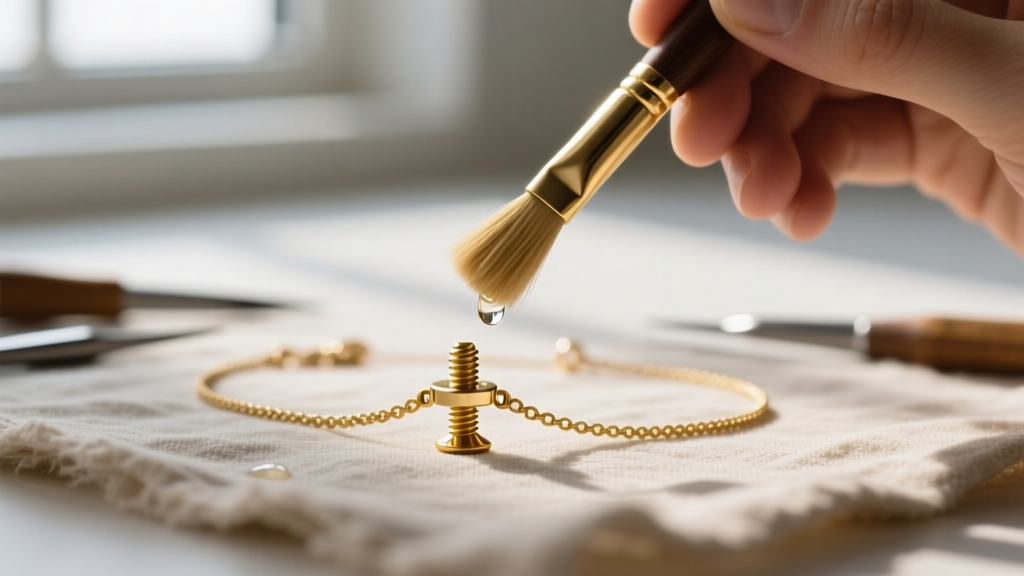
The most common point of failure in any charm it necklace is the threading mechanism. Over time, repeated screwing and unscrewing causes microscopic wear, leading to stiff or cross-threaded charms. To prevent this, professional jewelers use a micro-crystalline wax, such as Renaissance Wax, rather than liquid oils.
Liquid oils (like sewing machine oil or WD-40) attract dust and lint, which creates an abrasive paste inside the threads that accelerates wear. Micro-crystalline wax, however, dries hard, provides excellent lubrication, and creates a moisture barrier that prevents internal tarnishing. Apply a minuscule amount of wax to a cotton swab, coat the interior threads of the charm, and screw it onto the chain to distribute the wax evenly.
Storage and Environmental Degradation
Sterling silver tarnishes when it reacts with hydrogen sulfide in the air, forming a black layer of silver sulfide. Because a charm it necklace features deep crevices and threaded cores, polishing out heavy tarnish is nearly impossible without specialized equipment. Prevention is your only viable strategy.
According to Jewelers Mutual insurance guidelines, proper storage is the first line of defense against environmental degradation. Store your disassembled charm it necklace in an airtight, PVC-free polyethylene bag. PVC plastics emit plasticizers that can permanently cloud resin charms and degrade silicone O-rings. Always include a 3M anti-tarnish strip or activated charcoal sachet inside the bag to absorb ambient sulfur and moisture. Never store your necklace in a humid bathroom environment, as the fluctuating temperatures and high humidity will rapidly accelerate oxidation.
Troubleshooting Common Charm It Necklace Failures
Even with meticulous care, modular necklaces can experience mechanical hiccups. Here is how to safely troubleshoot the most common issues without causing catastrophic damage to your jewelry.
Issue: A Threaded Charm is Stuck and Won't Unscrew
The Cause: Sebum and dead skin have calcified inside the threads, or the charm was cross-threaded during the last assembly.
The Fix: Never use metal pliers, which will permanently mar the finish. Instead, wrap the charm in a thick layer of nitrile or a rubber jar-gripping pad. The rubber provides immense torque and friction without scratching the metal. Apply gentle, steady counter-clockwise pressure. If it remains stuck, submerge the joint in warm distilled water for 10 minutes to soften the biological debris, then try again with the rubber grip.
Issue: Cloudy or Frosty Enamel Charms
The Cause: Exposure to alcohol-based perfumes, hand sanitizers, or harsh household cleaners. Cold enamel is essentially a hardened epoxy resin that undergoes a chemical reaction when exposed to solvents, resulting in a permanent cloudy micro-fracture layer on the surface.
The Fix: Unfortunately, chemical clouding in cold enamel cannot be polished out at home. The piece must be sent to a specialized jeweler who can carefully sand down the top layer of resin and apply a fresh UV-cured clear coat. To prevent this, always apply perfumes and hairsprays at least 15 minutes before putting on your charm it necklace.
Issue: Silicone O-Ring Snapping or Slipping
The Cause: UV degradation from sunlight or chemical breakdown from chlorine in swimming pools.
The Fix: Silicone O-rings are considered wearable components and will eventually need replacement. Keep a stock of 1mm to 1.5mm jewelry-grade silicone O-rings (available at most jewelry supply stores). Use a pair of plastic-tipped tweezers to seat the new O-ring into the clasp groove, ensuring it sits flush to maintain proper tension on the chain.
Final Thoughts on Modular Jewelry Care
A charm it necklace is more than just an accessory; it is a complex piece of wearable engineering. By abandoning harsh chemicals, avoiding ultrasonic cleaners, and implementing a strict regimen of distilled water cleaning and micro-crystalline wax lubrication, you protect both the aesthetic beauty and the mechanical integrity of your jewelry. Treat the threading and clasps with the same respect you would give to a fine mechanical watch, and your modular collection will remain functional, brilliant, and deeply personal for a lifetime.


