Michael Kors Necklace Silver: 2026 Value & Price Guide
Assessing the true value of a Michael Kors necklace silver piece in 2026. We break down materials, pricing tiers, and resale realities.

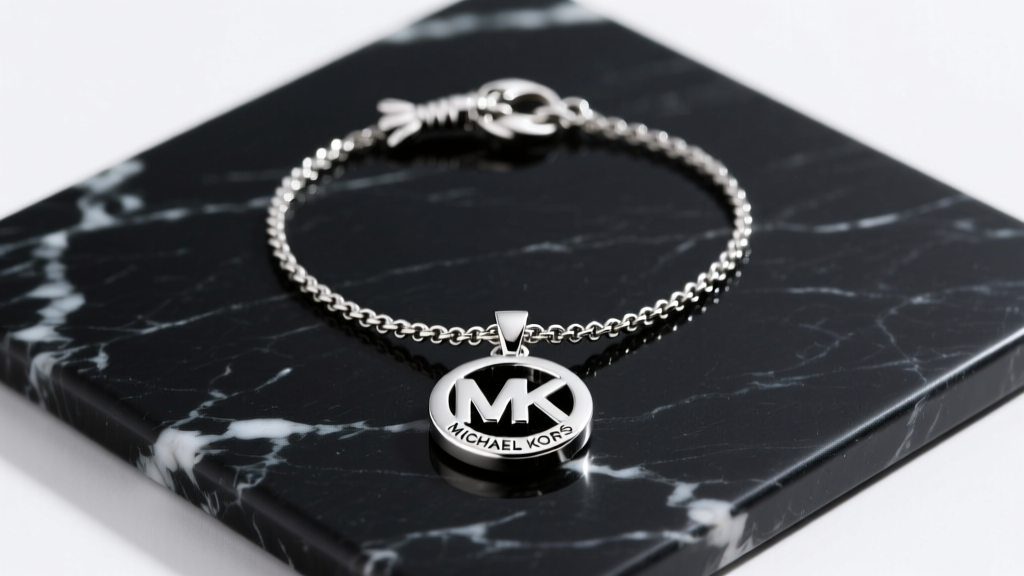
The Material Reality: Sterling Silver vs. Silver-Tone
When consumers search for a 'michael kors necklace silver', they are often met with a dizzying array of options that look identical in product photography but differ drastically in metallurgical composition. As of 2026, Michael Kors divides its silver-hued necklaces into two distinct categories: genuine 925 sterling silver and silver-tone base metals. Understanding this distinction is the foundational step in assessing the true value and longevity of your purchase.
Genuine 925 sterling silver pieces are stamped with a '925' hallmark. According to the Gemological Institute of America (GIA), sterling silver must contain exactly 92.5% pure silver and 7.5% alloy metals, typically copper. The copper adds necessary tensile strength but also introduces a vulnerability: oxidation. When exposed to sulfur in the air or moisture on the skin, the copper reacts, causing the necklace to tarnish and turn black. To combat this, Michael Kors frequently applies a microscopic flash-plating of rhodium (usually between 0.1 and 0.5 microns thick) over the sterling silver. This gives the necklace a bright, white-gold-like finish and delays tarnishing, but it will eventually wear off with friction.
Conversely, the brand's 'silver-tone' or 'silver-color' necklaces contain zero actual silver. These are typically constructed from brass, stainless steel, or zinc alloys, and then electroplated with a silver-colored finish. The Federal Trade Commission Jewelry Guides strictly regulate how these metals can be marketed, which is why MK carefully uses the term 'silver-tone' rather than 'silver' for these pieces. While they are highly resistant to traditional silver tarnish, the plating on base-metal necklaces will eventually chip, flake, or rub off, revealing the yellowish or dull grey base metal beneath.
Pricing Tiers & Market Value Assessment
The retail pricing of Michael Kors jewelry is heavily inflated to accommodate the brand's pervasive discounting strategy. To accurately assess value, we must look at the three primary purchasing environments: Mainline Retail, Outlet Retail, and the Secondary Resale Market.
| Purchasing Channel | Material Type | Typical Price Range | Value Assessment |
|---|---|---|---|
| Mainline Retail (Boutiques/Dept Stores) | 925 Sterling Silver | $125 - $275 | Poor. You are paying a 300% markup for the brand name over the raw melt value and basic manufacturing cost. |
| Mainline Retail | Silver-Tone Base Metal | $75 - $145 | Very Poor. Paying over $100 for plated brass yields a negative cost-per-wear ratio. |
| Michael Kors Outlet | 925 Sterling Silver | $49 - $89 | Fair. Outlet-specific sterling pieces are often lighter in gram weight and feature thinner chains to hit lower price points. |
| Michael Kors Outlet | Silver-Tone Base Metal | $29 - $59 | Good. If you view the piece as seasonal costume jewelry rather than a long-term investment, this is the appropriate price bracket. |
| Secondary Market (Poshmark/eBay) | Both Types | $15 - $40 | Excellent. This reflects the true market value of the materials once the 'new with tags' retail illusion is removed. |
As the table illustrates, buying a Michael Kors silver necklace at full retail price is generally a poor financial decision. The brand operates on a high-low pricing model, meaning the $175 necklace in the boutique will almost certainly be available for $59 at an outlet or $25 on a resale app within six months.
Durability & Common Failure Modes
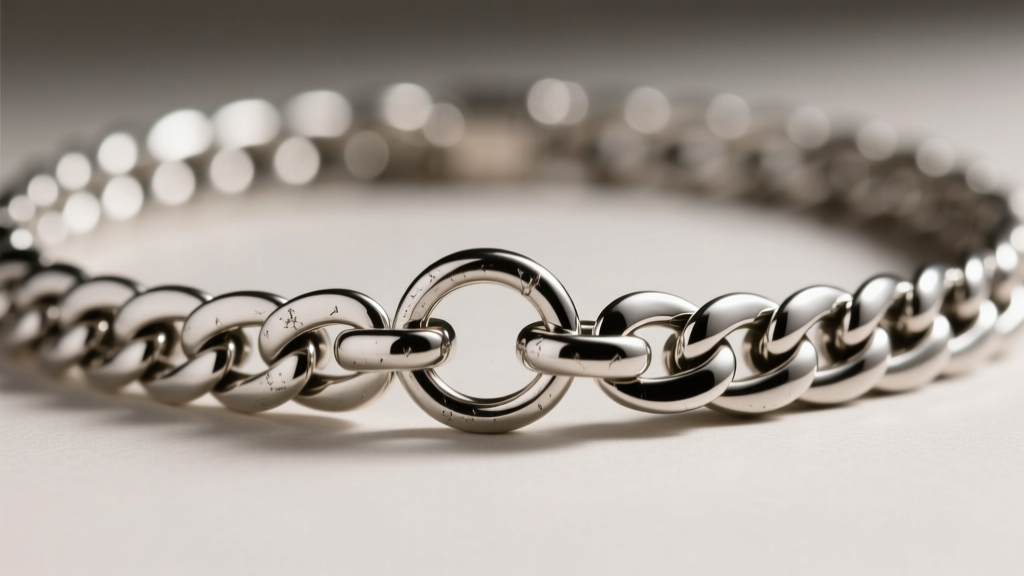
Beyond the initial purchase price, the true cost of a necklace includes its lifespan and maintenance. Michael Kors necklaces, particularly those in the fashion-tier silver-tone category, exhibit specific mechanical failure modes that buyers should anticipate.
- Snake Chain Kinking: Many MK logo pendants are suspended on silver-tone snake chains. While sleek, snake chains are notoriously fragile. The tightly interlocked metal rings easily kink if bent at a sharp angle, and once a snake chain kinks, the structural integrity is permanently compromised. They also act like tiny saws, catching and pulling out fine hair.
- Clasp Fatigue: The brand frequently uses small spring-ring clasps on their lighter chains. The internal tension spring in these clasps is prone to fatigue after 12 to 18 months of daily use, leading to a clasp that refuses to stay closed. Upgrading to a lobster-claw clasp (which MK uses on their heavier sterling lines) significantly extends the functional lifespan of the jewelry.
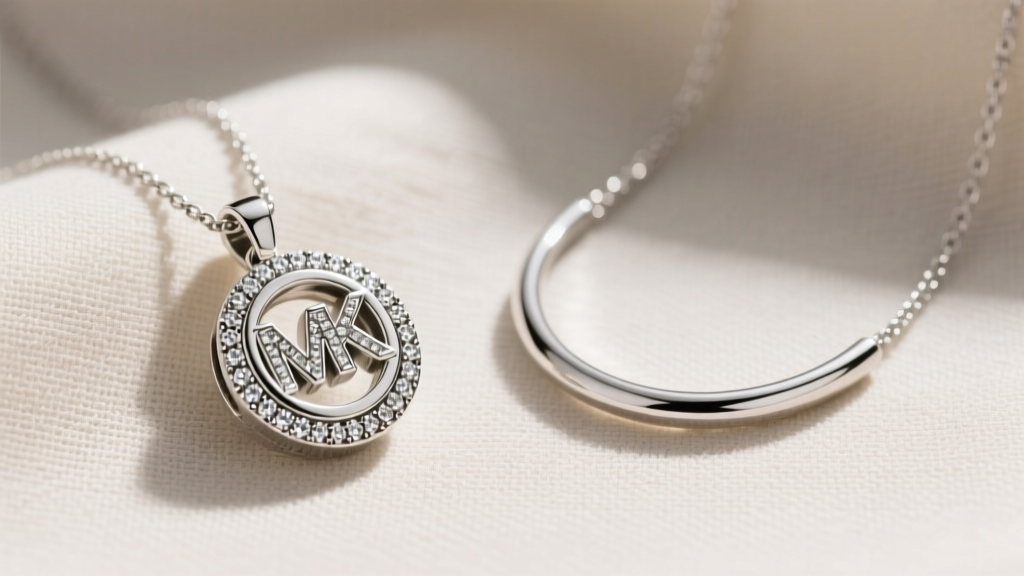
- Pavé Stone Loss: Silver necklaces featuring the iconic MK logo encrusted in cubic zirconia (CZ) pavé suffer from high stone-loss rates. The stones are typically held in place by machine-stamped prongs or adhesive rather than hand-set bezels. Exposure to lotions, perfumes, and the natural oils from your skin degrades the adhesive, causing the tiny CZ stones to fall out, leaving the silver-toned setting looking dull and incomplete.
Competitor Comparison: Where Does MK Stand?
To properly evaluate the budget and value proposition of a Michael Kors necklace, we must benchmark it against direct competitors in the accessible luxury and demi-fine jewelry spaces.
Michael Kors vs. Mejuri
Mejuri has disrupted the market by offering solid 925 sterling silver and 14k gold pieces at prices that overlap with Michael Kors' retail pricing. While a Michael Kors silver-tone pendant might cost $95, a solid sterling silver Mejuri pendant costs roughly the same. Mejuri offers vastly superior long-term value because their pieces are solid metal throughout, meaning they can be polished indefinitely without revealing a base metal core. Michael Kors wins only on immediate brand recognition and logo-centric designs.
Michael Kors vs. Gorjana
Gorjana dominates the gold-plated brass market, but their silver-tone offerings are direct competitors to MK's base-metal lines. Gorjana's plating processes tend to be slightly more robust, and their customer service regarding re-plating or warranty claims is generally rated higher than MK's. However, MK's aesthetic is more formal and hardware-heavy, whereas Gorjana leans into delicate, bohemian layering.
The Final Verdict: Who Should Buy?
'A Michael Kors silver necklace is not an investment in precious metals; it is an investment in brand signaling and accessible luxury aesthetics.'
If your primary goal is to acquire a recognizable, polished accessory for occasional wear, and you are purchasing it at an outlet or on the secondary market for under $50, a Michael Kors silver necklace offers acceptable value for money. It serves its purpose as a stylish, brand-forward accessory that elevates a basic outfit.
However, if you are seeking a daily-wear piece that will last a decade, retain its value, or serve as a meaningful heirloom, you should bypass Michael Kors entirely. At the $100+ retail price point, you are vastly better served by demi-fine brands that prioritize solid 925 sterling silver construction, durable chain weaves like cable or box chains, and transparent supply chains. Always check the clasp, verify the '925' stamp, and never pay full boutique retail for silver-tone brass.


