The Scapular Necklace: A Beginner's Guide to Meaning, Fit, and Style
Discover the history, spiritual meaning, and modern styling tips for the scapular necklace. Learn how to choose the right chain length and material.

What Exactly Is a Scapular Necklace?
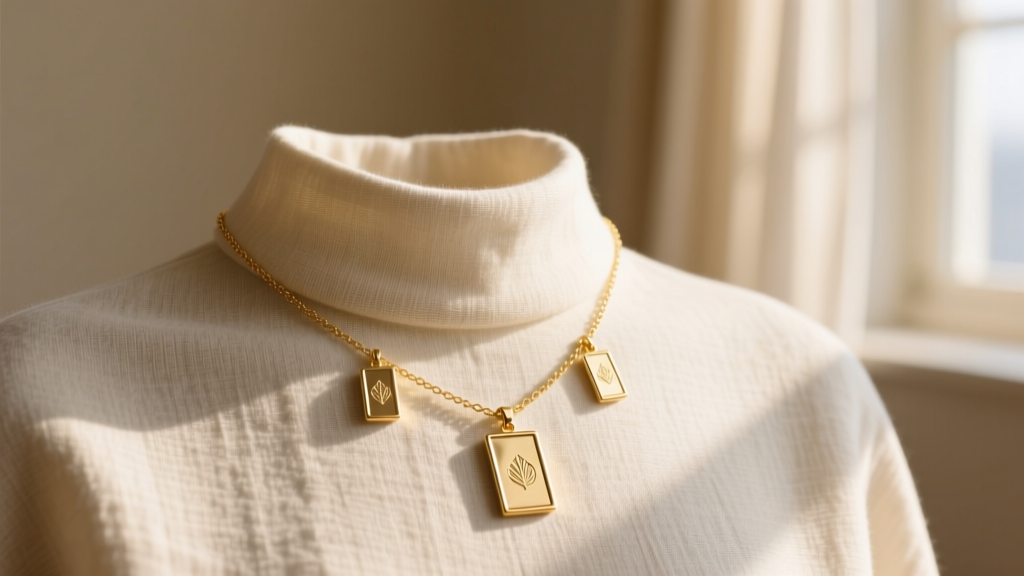
If you have ever browsed through minimalist jewelry collections or explored devotional accessories, you have likely encountered the scapular necklace. Unlike a standard pendant necklace that features a single focal point resting on the chest, a scapular necklace is defined by its unique anatomy: two small, flat pendants connected by a single, continuous chain. One pendant rests on the front of the chest, while the other rests symmetrically on the upper back.
The term 'scapular' originates from the Latin word scapula, meaning shoulder. Historically, it referred to a long, sleeveless monastic garment worn over the shoulders by monks and nuns. Over centuries, this large garment was reduced in size for laypeople, eventually evolving into the small, two-piece fabric or metal devotional item we recognize today. In the realm of fine jewelry, the scapular necklace translates this ancient silhouette into a delicate, wearable piece that bridges the gap between spiritual talisman and modern fashion accessory.
The Spiritual and Cultural Significance
For many, the scapular necklace holds deep religious significance, most notably within the Catholic tradition. According to the Catholic Encyclopedia, the Brown Scapular of Our Lady of Mount Carmel is one of the most recognized devotional garments in the world, traditionally associated with promises of spiritual protection and grace. Traditionally, these were made of woven wool, but modern jewelry iterations craft these sacred symbols out of precious metals for durability and daily wear.
However, in 2026, the scapular necklace has transcended its strictly religious boundaries. Much like the evil eye, the hamsa, or the cross, it has been adopted by the broader fashion community as a talismanic piece. Wearers are drawn to its protective symbolism, its balanced and symmetrical aesthetic, and its unique ability to serve as a 'hidden' piece of jewelry that sits close to the body, or a layered statement piece worn over clothing.
Sizing and Fit: The Most Critical Factor
The most common mistake beginners make when purchasing a scapular necklace is treating it like a standard chain. Because the necklace must accommodate both the front and back of the torso, and because it is often pulled directly over the head, chain length and clasp mechanics are paramount.
A standard 18-inch or 20-inch necklace will simply not work for a scapular; it will either choke the wearer or fail to reach the proper placement on the chest and back. Below is a sizing framework to help you find the perfect fit based on your torso length and styling preference.
| Chain Length | Front Pendant Placement | Back Pendant Placement | Best For |
|---|---|---|---|
| 24 Inches | Sternum / Lower Chest | Upper Back (Between Shoulder Blades) | Traditional devotional wear; under-shirt styling |
| 27 Inches | Mid-Chest | Mid-Back | Layering over t-shirts; balanced visual weight |
| 30+ Inches | Solar Plexus / Stomach | Lower Back | Bohemian styles; wearing over heavy sweaters |
Pro-Tip on Clasps: If your scapular necklace features a clasp, ensure it is a heavy-duty 10mm or 12mm lobster clasp. Standard spring-ring clasps are notorious for failing under the mechanical tension required to stretch the chain over the head. For a truly authentic and durable experience, many jewelers recommend a soldered continuous loop (no clasp at all), provided the chain is wide enough to slip over your head comfortably.
Choosing the Right Chain and Material
Because a scapular necklace is often worn 24/7, the material and chain weave must withstand constant friction, sweat, and the stress of being pulled over the head.
Chain Weaves to Trust (and Avoid)
- Box Chain (1.2mm - 1.5mm): The absolute best choice for scapulars. The square, interlocking links lay flat against the skin, resist tangling, and possess high tensile strength.
- Cable Chain (1.5mm - 2.0mm): A classic, durable option. Ensure the links are soldered shut to prevent them from pulling apart when caught on clothing.
- Avoid Snake and Herringbone Chains: These fluid, tube-like chains are beautiful but highly fragile. Pulling a snake chain over your head will almost guarantee permanent kinking and structural failure.
Material Grades and Pricing Tiers
- 925 Sterling Silver ($30 - $70): An excellent entry point. Silver is naturally antimicrobial but will tarnish with prolonged exposure to sweat and body oils. Requires occasional polishing with a jeweler's cloth.
- 14k Gold-Filled ($80 - $160): The sweet spot for daily wear. Gold-filled wire features a thick outer layer of solid 14k gold mechanically bonded to a brass core. It will not flake or tarnish easily, making it ideal for continuous, against-the-skin wear.
- Solid 14k or 18k Gold ($400 - $900+): The ultimate investment. Solid gold is hypoallergenic, impervious to water, and requires zero maintenance. According to care guidelines from Jewelers of America, solid gold pieces can be safely cleaned with warm water and a mild, phosphate-free soap, making them perfect for the shower and the gym.
Styling Your Scapular Necklace in 2026
The beauty of the scapular necklace lies in its versatility. It can be a deeply private piece or a bold layering component.
The 'Hidden' Devotional Look
Wear a 24-inch sterling silver or solid gold scapular underneath a crewneck t-shirt or blouse. The front pendant rests hidden against the skin, serving as a private talisman, while the weight of the back pendant keeps the chain securely in place without sliding side-to-side.
The Modern Layering Technique
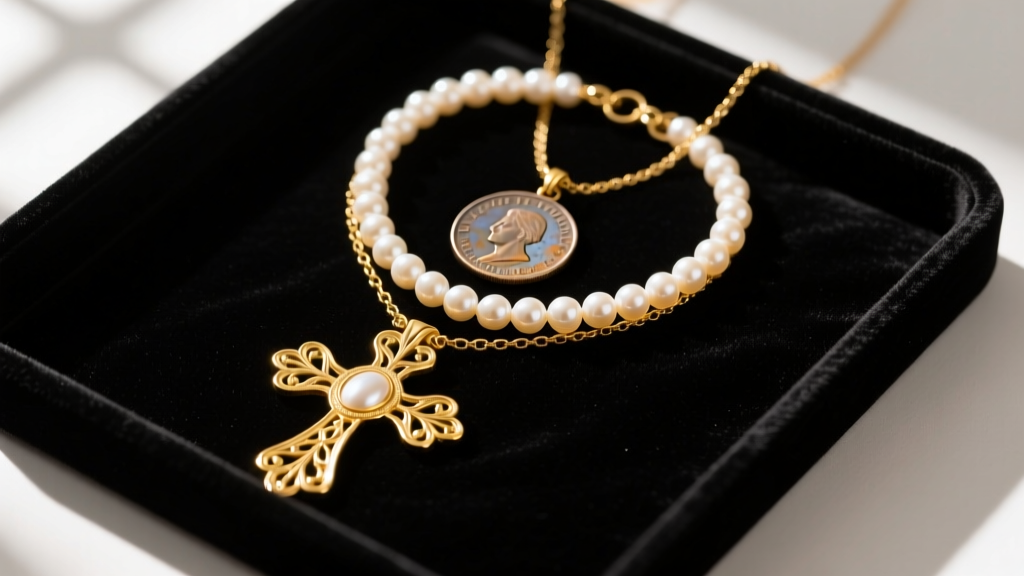
To integrate a scapular into a trendy, curated necklace stack, use it as your longest foundational layer. Pair a 27-inch gold-filled scapular with a 14-inch pearl choker and a 20-inch vintage coin pendant. The rectangular geometry of the scapular pendants provides a striking visual contrast to round coins and organic pearls, creating a balanced, textured aesthetic that draws the eye vertically.
Care, Maintenance, and Troubleshooting
Wearing any necklace continuously leads to the buildup of dead skin cells, lotions, and sebum, particularly in the small crevices of the chain links and the jump rings attaching the pendants.
Troubleshooting a Stiff Chain: If your box chain becomes stiff or 'crunchy' over time, it is likely clogged with microscopic debris. Soak the necklace in a bowl of warm water with two drops of mild dish soap for 15 minutes. Gently agitate it, then use a soft-bristled baby toothbrush to lightly sweep the links. Rinse thoroughly and pat dry with a microfiber cloth. Never use harsh chemical dips on gold-filled or oxidized silver scapulars, as this will strip the finish.
Finally, inspect the jump rings connecting the pendants to the chain every few months. Because the pendants experience a gentle, rhythmic pulling motion as you walk, unsoldered jump rings can slowly twist open. If you notice a gap, take the piece to a local jeweler to have the rings laser-welded or soldered shut. This minor maintenance step ensures that your scapular necklace remains a lifelong companion, blending ancient meaning with modern elegance seamlessly.


