A Beginner's Guide to Buying a Silver Elephant Necklace
Discover how to choose, style, and care for a silver elephant necklace. Learn about silver grades, chain types, and symbolic meanings.

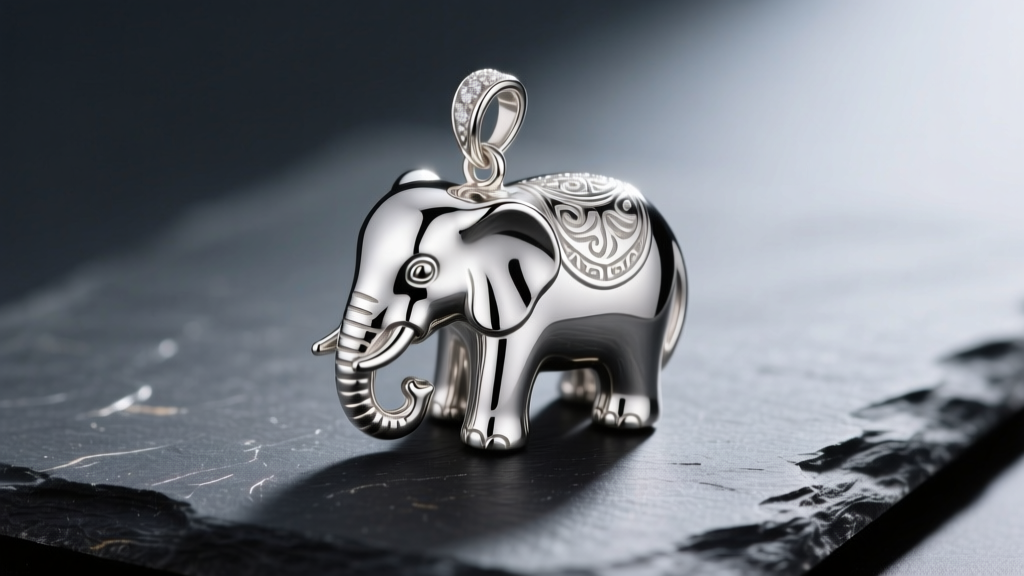
Elephants have long been revered across cultures as symbols of wisdom, strength, and good fortune. When translated into jewelry, the elephant pendant becomes more than just a decorative accessory; it is a meaningful talisman. For beginners stepping into the world of animal motif jewelry, a silver elephant necklace offers an incredible blend of timeless style, affordability, and rich symbolism. However, not all silver necklaces are created equal. Navigating the nuances of metal purity, chain mechanics, and pendant weight can be overwhelming for first-time buyers.
This comprehensive guide will walk you through everything you need to know before purchasing your first silver elephant necklace, ensuring you invest in a piece that is both beautifully crafted and built to last a lifetime.
The Symbolism Behind the Elephant Pendant
Before diving into metallurgy and chain gauges, it is essential to understand the cultural weight your jewelry carries. In Hinduism, the elephant-headed deity Ganesha is the remover of obstacles and the patron of arts and sciences. In many African and Asian traditions, elephants represent familial bonds, memory, and resilience.
The Trunk Direction Debate
One of the most common questions beginners ask is about the direction of the elephant's trunk. According to the Gemological Institute of America (GIA) and various cultural historians, the trunk's position alters the pendant's symbolic meaning:
- Trunk Pointing Up: Traditionally associated with showering good luck, prosperity, and positive energy onto the wearer. This is the most popular style in Western jewelry markets.
- Trunk Pointing Down: Often misunderstood as bad luck in Western superstitions, a downward trunk actually symbolizes grounding, fertility, and the ability to overcome obstacles by storing energy. It is highly favored in Eastern meditative practices.
Decoding Silver Grades: What Are You Actually Buying?
The term "silver" is frequently misused in the fashion jewelry market. To ensure your elephant necklace doesn't turn your skin green or tarnish beyond repair, you must understand the specific alloy grades used by reputable jewelers.
| Silver Grade | Composition | Durability | Tarnish Resistance | Best Use Case |
|---|---|---|---|---|
| Sterling 925 | 92.5% Silver, 7.5% Copper | High | Moderate | Detailed cast pendants, everyday chains |
| Fine 999 | 99.9% Pure Silver | Low (Very Soft) | High | Wire-wrapped pendants, not for chains |
| Argentium 935 | 93.5% Silver, Germanium | Very High | Extremely High | Premium pendants, low-maintenance wear |
| Silver Plated | Brass/Copper base, thin silver coat | Low (Wears off) | Low | Costume jewelry, short-term wear |
For a high-quality silver elephant necklace, Sterling 925 is the industry standard. The 7.5% copper addition provides the necessary tensile strength to hold intricate details like the elephant's tusks and skin texture. However, if you have a low-maintenance lifestyle and want to avoid polishing, seek out Argentium silver. The addition of germanium creates a transparent, self-healing oxide layer that drastically slows down tarnishing.
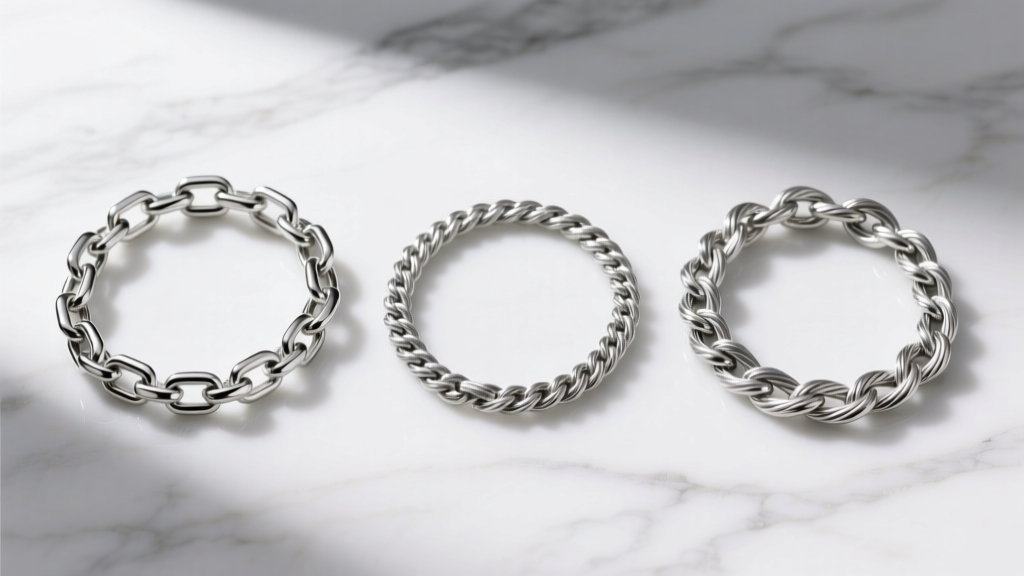
Selecting the Right Chain for Your Elephant Pendant
A beautiful elephant pendant is only as good as the chain that supports it. Beginners often make the critical mistake of pairing a heavy, solid-cast pendant with a delicate, hollow chain, leading to inevitable breakage.
Understanding Pendant Weight and Chain Gauge
Most solid sterling silver elephant pendants range from 15mm to 25mm in height and weigh between 3 grams and 8 grams. The friction between the pendant's bail (the loop it hangs from) and the chain links acts like a microscopic saw over time.
- For Pendants Under 4 Grams: A 1.0mm to 1.2mm cable or box chain is sufficient. Box chains are highly recommended because their flat, interlocking links distribute weight evenly and resist kinking.
- For Pendants Over 4 Grams: You must upgrade to a 1.5mm to 2.0mm rope chain or a reinforced wheat chain. Rope chains offer excellent structural integrity and a brilliant sparkle that complements the matte or polished finish of an elephant pendant.
The Bail Compatibility Check
Always check the inner diameter of the pendant's bail before purchasing a chain. A standard elephant pendant has a bail opening of roughly 3mm to 4mm. If you buy a thick 2.5mm rope chain, it simply will not fit through the bail. According to jewelry repair specialists at Jewelers of America, forcing a thick chain through a tight bail damages both the chain links and the solder joint on the pendant.
Styling Your Silver Elephant Necklace
Because of its organic shape and cultural significance, the silver elephant necklace is incredibly versatile. It bridges the gap between bohemian casual and refined minimalist aesthetics.
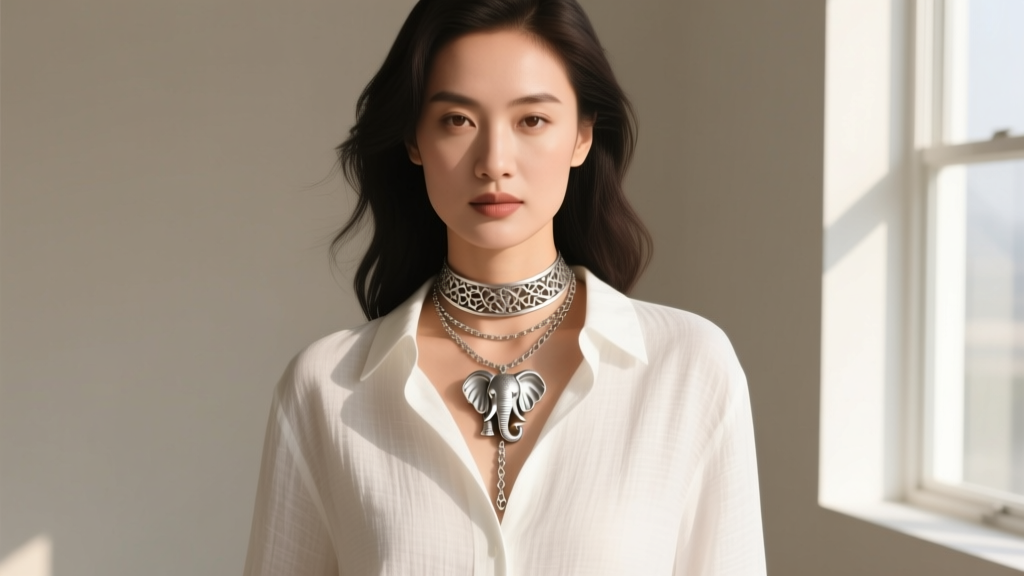
Layering Techniques
Layering requires a strict adherence to length gradation to prevent the chains from tangling and the pendants from overlapping awkwardly.
- The Base Layer (14-16 inches): Start with a simple 1.0mm silver choker or a delicate satellite chain. This frames the collarbone without drawing attention away from the main piece.
- The Focal Layer (18-20 inches): This is where your silver elephant necklace sits. An 18-inch chain places the pendant right at the hollow of the throat, ideal for V-neck tops and open collars.
- The Anchor Layer (24+ inches): Add a longer, heavier chain featuring a simple geometric pendant or a plain silver bar to ground the look and draw the eye vertically.
Style Tip: If your elephant pendant features heavy oxidation (darkened crevices to highlight the texture), avoid pairing it with high-polish, mirror-finish chains. The contrast in textures can look mismatched. Instead, pair oxidized pendants with matte-finish or blackened silver chains for a cohesive, vintage aesthetic.
Maintenance and Tarnish Prevention
Sterling silver tarnishes due to a chemical reaction between the copper alloy and hydrogen sulfide present in the air, humidity, and everyday items like rubber bands or wool. Proper care will keep your necklace looking pristine.
What to Avoid
Never use commercial "silver dip" liquid cleaners on an elephant pendant. These harsh chemical baths strip away intentional oxidation (patina) that jewelers apply to highlight the intricate wrinkles and details of the elephant's skin. Furthermore, if your pendant features gemstone accents like turquoise or opal eyes, silver dip will permanently ruin the stones.
The Proper Cleaning Routine
- Daily Wipe: After wearing, gently wipe the pendant with a soft, lint-free microfiber cloth to remove skin oils and lotions.
- Deep Polish: Use a treated silver polishing cloth (impregnated with anti-tarnish agents) to gently buff the raised, high-polish areas of the elephant. Avoid rubbing the recessed, darkened areas.
- Proper Storage: Store the necklace in an airtight ziplock bag with a silica gel packet or an anti-tarnish chalk tab. Keep it in a dark, dry jewelry box away from direct sunlight and humidity.
By understanding the symbolism, choosing the correct silver grade, and pairing your pendant with a structurally sound chain, your silver elephant necklace will serve as a meaningful, durable, and stylish companion for decades to come.


