How to Clean Cool Necklaces: Enamel, Resin, and Metals
Learn how to clean cool necklaces made of enamel, resin, and mixed metals. Expert maintenance tips to prevent tarnish, scratches, and color fading.

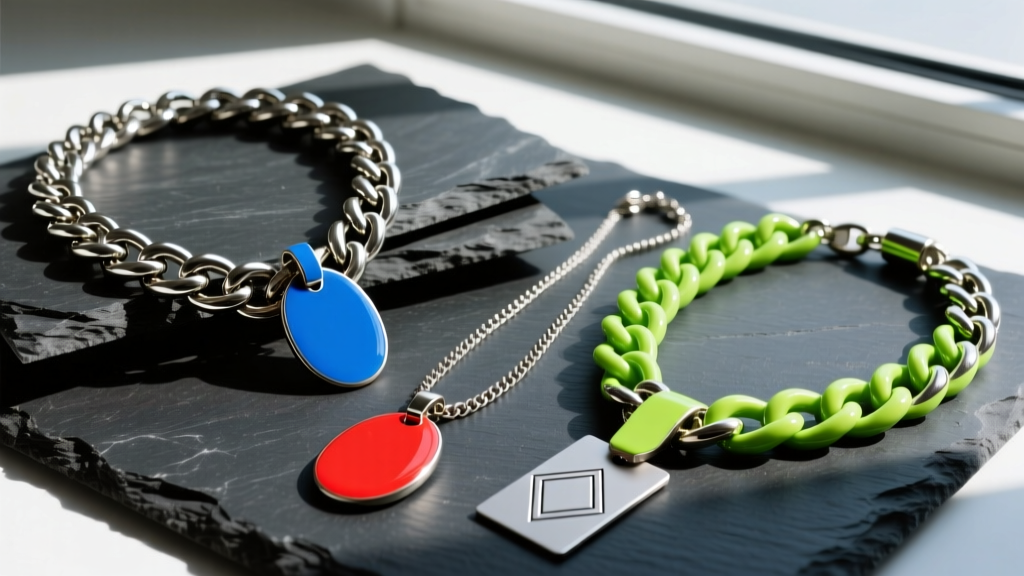
The landscape of contemporary jewelry has shifted dramatically, moving beyond traditional gold and diamonds to embrace mixed media, industrial hardware, and vibrant alternative materials. When you invest in cool necklaces—ranging from heavy streetwear Cuban chains and PVD-coated titanium pendants to intricate cold-enamel charms and cast resin statement pieces—standard jewelry cleaning advice simply does not apply. Using the wrong chemical solvent or ultrasonic frequency can instantly cloud a resin pendant or strip the oxidized patina off a vintage-inspired silver piece. According to the Gemological Institute of America (GIA), understanding the specific material composition of your jewelry is the absolute first step in preventing irreversible damage during routine maintenance.
This comprehensive care guide breaks down the exact cleaning protocols, structural maintenance routines, and storage solutions required to keep your most unique, trend-forward necklaces looking pristine. Whether you are dealing with 316L surgical steel, Grade 5 titanium, or delicate hand-painted enamel, these expert-level techniques will extend the lifespan of your collection.
The Material Matrix: Identifying Your Necklace Composition
Before applying any cleaning solution, you must accurately identify the materials in your necklace. Many cool necklaces utilize mixed-media construction, meaning a single piece might require two entirely different cleaning protocols. For instance, a brass pendant with a PVD (Physical Vapor Deposition) black ruthenium coating and a cold-enamel inlay cannot be submerged in standard silver dip. The Federal Trade Commission (FTC) provides strict guidelines on jewelry material labeling, but independent and streetwear brands often use proprietary material blends.
- 316L Surgical Stainless Steel: Highly resistant to tarnish and corrosion, commonly used in heavy chain necklaces and industrial-style pendants.
- Grade 5 Titanium (Ti-6Al-4V):strong> Aerospace-grade metal favored for its lightweight feel, matte grey finish, and hypoallergenic properties.
- Cold Enamel & Epoxy Resin: Synthetic pigments suspended in a clear binder, used to create vibrant, opaque color blocks on metal backings without the need for high-heat kiln firing.
- Oxidized Sterling Silver: Silver that has been intentionally treated with sulfur to create dark, blackened crevices that highlight intricate engravings and textures.
Cleaning Protocols for Trendy Metals
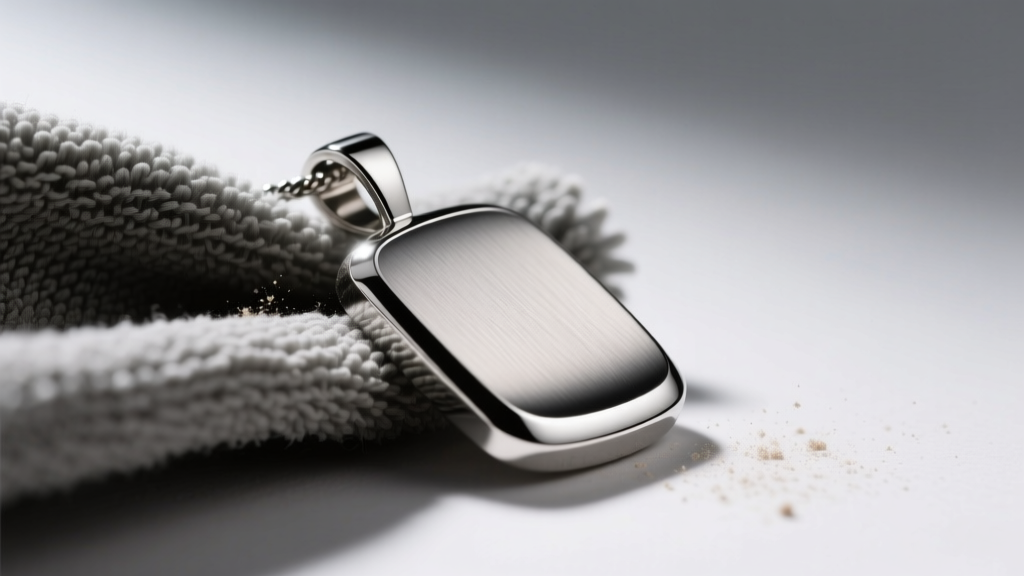
For heavy metal chains and matte-finished pendants, the goal is to remove sebum, dead skin cells, and environmental pollutants without altering the metal's surface texture. Avoid commercial "silver polishing cloths" (like the popular Sunshine brand) on brushed or matte titanium and PVD-coated steel. These cloths contain micro-abrasives that will polish away the matte finish, leaving a shiny, uneven patch.
Step-by-Step Steel and Titanium Wash
- Prepare the Solution: Mix three drops of pH-neutral dish soap (like Dawn) into a bowl of lukewarm distilled water. Avoid tap water, as trace minerals and chlorine can leave micro-deposits on brushed titanium.
- Agitate Gently: Submerge the metal chain or pendant for exactly 3 to 5 minutes. Use a baby toothbrush with ultra-soft 0.1mm bristles to gently sweep the crevices of the links.
- Rinse and Dry: Rinse thoroughly under distilled water. Immediately dry with a lint-free microfiber cloth. Do not air dry, as water spots will form on high-polish steel surfaces.
Preserving Vibrant Accents: Enamel and Resin Care
Cold enamel and cast resin are highly susceptible to chemical degradation and thermal shock. Acetone, rubbing alcohol, and ammonia-based glass cleaners will instantly cloud cast resin and cause cold enamel to peel or crack. Furthermore, never place enamel or resin jewelry in an ultrasonic cleaner. The standard 40kHz high-frequency sound waves create microscopic cavitation bubbles that will shatter the bond between the enamel and the metal backing.
To clean these delicate accents, use a barely damp microfiber cloth. For stubborn grime trapped in the bezel where the resin meets the metal, dip a wooden cotton swab in a tiny amount of mineral oil, gently run it along the seam to lift the dirt, and immediately wipe it clean. The Jewelers Mutual Insurance Group specifically advises against using harsh chemicals on organic or synthetic inlays, noting that preventive, gentle wiping after wear is the best defense against permanent clouding.
Cleaning Agent Compatibility Chart
Use this quick-reference matrix to ensure you are matching the correct cleaning agent to your specific necklace materials.
| Material | Safe Cleaners | Unsafe Cleaners | Ultrasonic Safe? | Drying Method |
|---|---|---|---|---|
| 316L Stainless Steel | Mild dish soap, distilled water | Bleach, chlorine | Yes (40kHz) | Microfiber cloth |
| Grade 5 Titanium | Isopropyl alcohol (70%), mild soap | Abrasive polishing pastes | Yes (40kHz) | Air dry or microfiber |
| Cold Enamel | Damp cloth, mineral oil for seams | Acetone, alcohol, silver dip | No | Pat dry immediately |
| Cast Resin | Lukewarm water, microfiber | Ammonia, acetone, heat | No | Air dry completely |
| Oxidized Silver | Dry polishing cloth (non-abrasive) | Silver dip, baking soda paste | No | N/A (Dry clean only) |
Chain Maintenance: Preventing Snags and Link Failure
The structural integrity of a necklace relies heavily on its chain links and clasp mechanisms. Heavy pendants placed on thin chains often cause jump rings to oval out, leading to catastrophic failure and lost jewelry. Inspect the jump ring connecting your pendant to the chain every three months. If the gap in the ring has widened, use two pairs of flat-nose jewelry pliers to gently twist it closed—never pull it apart laterally, as this weakens the metal's temper.
For lobster clasps that feel stiff or fail to snap shut, the internal spring mechanism is likely clogged with pocket lint or oxidized sebum. Apply a microscopic drop of synthetic sewing machine oil to the clasp hinge using a toothpick. Work the lever back and forth ten times, then wipe away all excess oil with a cotton swab to prevent it from attracting more dust.
Storage Solutions for Statement and Layered Pieces
Proper storage is the first line of defense against tarnish and physical damage. The cardinal sin of jewelry storage is tossing multiple cool necklaces into a single velvet-lined box. This guarantees tangled chains and micro-scratches across polished surfaces. Furthermore, avoid storing silver or brass necklaces in cardboard boxes or PVC plastic bags. PVC off-gasses hydrogen sulfide and chlorine compounds over time, which aggressively accelerates tarnishing and can cause irreversible pitting on unprotected metals.
The Ideal Storage Protocol
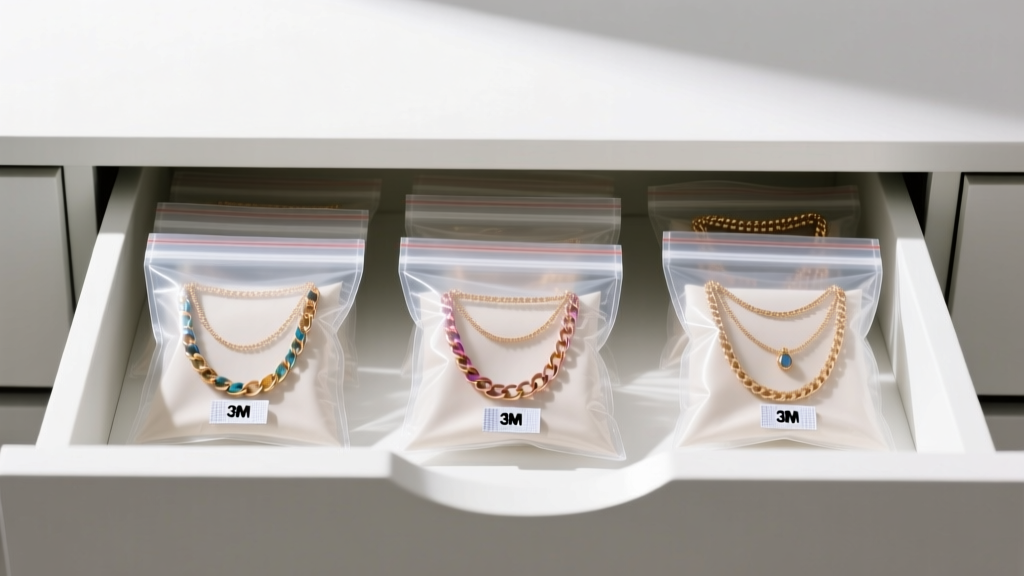
- Individual Polyethylene Bags: Store each necklace in its own 2-mil thick polyethylene zip-lock bag. Polyethylene is chemically inert and will not off-gas harmful sulfur compounds.
- Anti-Tarnish Strips: Place a 3M anti-tarnish strip inside each bag. These strips utilize copper particles to absorb and neutralize atmospheric sulfur and ozone before they can react with your jewelry.
- Silica Gel Packets: For resin and enamel pieces, include a small silica gel packet to control ambient humidity, preventing moisture from becoming trapped beneath the resin surface.
Troubleshooting Common Damage Modes
Green Skin Discoloration: If your brass or copper-alloy necklace turns your skin green, this is a harmless reaction between the metal and your skin's natural acids. To stop it, paint the inside of the pendant and the back of the chain links with a thin coat of clear, non-toxic nail polish or a specialized jewelry barrier coating like Jeweler's Skin.
Cloudy Resin Surfaces: If your resin pendant loses its glass-like clarity, it has likely suffered from micro-scratches caused by friction against clothing or improper cleaning. You can restore the clarity by applying a specialized plastic polish (such as Novus 2 Fine Scratch Remover) using a circular motion with a clean microfiber cloth, followed by a buffing with Novus 1.
Flaking Enamel: Once cold enamel begins to flake or lift from the metal bezel, DIY repair is nearly impossible without altering the color match. Cease wearing the piece immediately to prevent moisture from seeping under the remaining enamel, and take it to a professional jeweler who specializes in epoxy resin casting for a seamless fill-and-cure repair.


