How to Clean and Care for Your Demi Diva Red Necklace
Learn expert cleaning and maintenance tips for your Demi Diva red necklace. Protect porous red stones, enamel, and metal chains from damage.

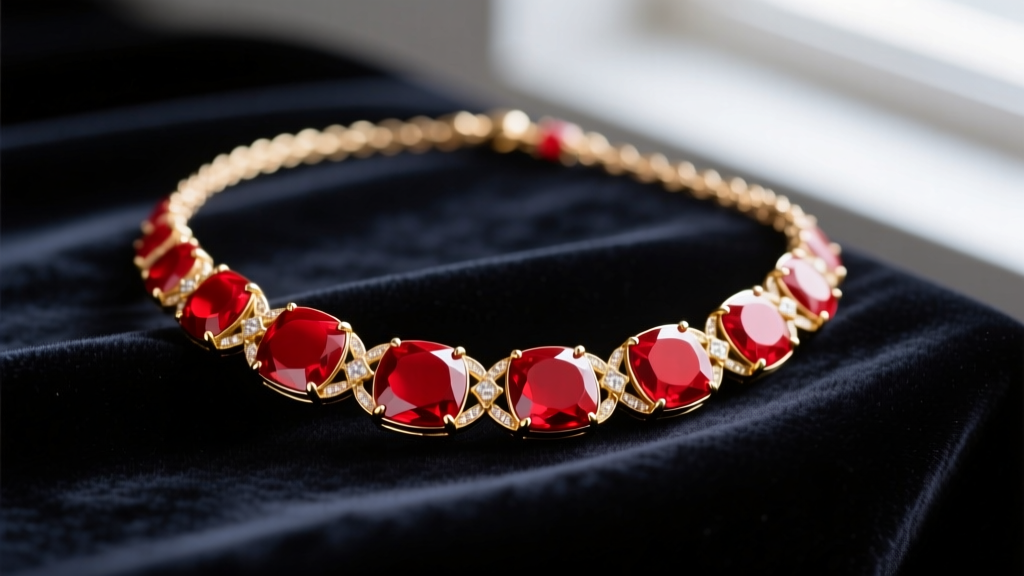
The Anatomy of a Statement Piece: Understanding Your Materials
The demi diva red necklace is celebrated for its bold, vintage-inspired aesthetic, often featuring a striking combination of vibrant red focal elements and intricate metalwork. However, before you apply any cleaning solution, you must identify the specific materials used in your piece. Statement necklaces from this style category typically incorporate one of three red materials: cold enamel, dyed porous stones (like howlite or agate), or organic gems like red coral. Each material possesses a distinct Mohs hardness rating and chemical sensitivity.
For instance, red enamel is essentially powdered glass fused to metal, rating around 5.5 to 6 on the Mohs scale. While relatively hard, it is highly susceptible to thermal shock and chemical etching. Conversely, if your necklace features dyed red coral or stabilized turquoise, these porous materials rank much lower (3.5 to 4) and will absorb liquids, leading to irreversible color bleeding or structural degradation. The accompanying chain is usually gold vermeil (sterling silver plated with gold) or gold-plated brass, both of which require gentle, non-abrasive care to prevent the base metal from oxidizing or the plating from wearing thin.
Step-by-Step Cleaning Guide for Red Statement Pieces
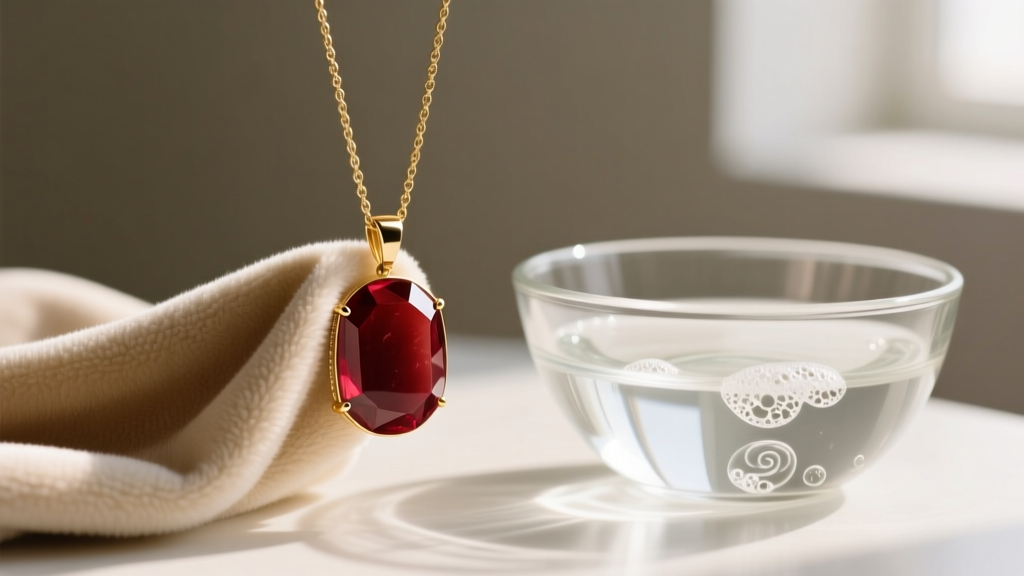
To safely restore the brilliance of your demi diva red necklace without compromising its structural integrity, follow this meticulous, conservation-grade cleaning protocol. Never submerge the entire piece in water, as moisture can easily become trapped in the clasp mechanisms or behind the stone settings, leading to hidden rust or verdigris.
1. The Dry Dusting Method
Always begin with a dry clean. Use a clean, ultra-soft makeup brush or a specialized jewelry dusting brush with natural bristles. Gently sweep across the surface of the red stones, the metal bezels, and the chain links. This removes microscopic abrasive particles—like silica dust and dried skin cells—that could scratch the enamel or gold plating during the wet cleaning phase. Pay special attention to the crevices around the clasp and the jump rings where debris naturally accumulates.
2. The Damp Wipe Technique (For Enamel and Hard Stones)
If your red elements are enamel, carnelian, or glass, prepare a cleaning solution using exactly one drop of pH-neutral, fragrance-free dish soap mixed into eight ounces of distilled water. Tap water contains chlorine and dissolved minerals that can leave permanent cloudy spots on enamel and accelerate the tarnishing of base metals. Dip a lint-free microfiber cloth into the solution, wring it out until it is barely damp, and gently wipe the surface of the red stones. Immediately follow up with a dry section of the cloth to buff away any residual moisture.
3. Deep Cleaning the Metal Chain and Clasps
For the gold-tone chain and clasp, avoid liquid cleaners entirely if possible. Instead, use a high-quality jewelry polishing cloth impregnated with micro-abrasives and anti-tarnish agents. Gently pull the chain through the cloth, applying minimal pressure. If the clasp mechanism is sticky due to lotion buildup, use a wooden toothpick—never a metal pin or needle—to carefully dislodge the grime without scratching the soft gold plating.
Critical Mistakes to Avoid (The "Never Do This" List)
The most common way collectors and enthusiasts ruin vintage-style statement jewelry is by applying cleaning methods suited for fine diamonds and solid platinum to mixed-media costume or semi-fine pieces. According to the Gemological Institute of America (GIA), porous and treated stones require vastly different care protocols than earth-mined, untreated gems.
| Material Component | Mohs Hardness | Safe Cleaning Method | Fatal Mistake to Avoid |
|---|---|---|---|
| Red Cold Enamel | 5.5 - 6.0 | Damp microfiber wipe with distilled water | Ultrasonic cleaners (causes micro-fractures) |
| Dyed Porous Stone | 3.5 - 5.0 | Dry brushing only; no liquids | Chemical dips or ammonia (strips dye instantly) |
| Gold Vermeil Chain | 2.5 (Base Silver) | Anti-tarnish polishing cloth | Toothpaste or baking soda (strips gold plating) |
| Rhinestone Accents | 5.0 - 6.0 | Soft dry brush; glass cleaner on cloth only | Submersion in water (dissolves foil backing glue) |
Furthermore, never use steam cleaners on a demi diva red necklace. The sudden, intense heat can cause thermal shock, cracking glass or enamel, and melting the specialized adhesives used to secure cabochon stones into their bezels. The American Gem Trade Association (AGTA) consistently warns that heat and harsh chemicals are the primary culprits behind the degradation of treated and assembled jewelry components.
Proper Storage and Long-Term Maintenance
How you store your necklace when it is not being worn is just as critical as how you clean it. Base metals and silver alloys react with hydrogen sulfide and moisture in the ambient air, resulting in tarnish. To combat this, never store your necklace in a standard cardboard box or a plastic polyethylene bag, which can trap humidity and emit off-gassing chemicals that degrade gold plating over time.
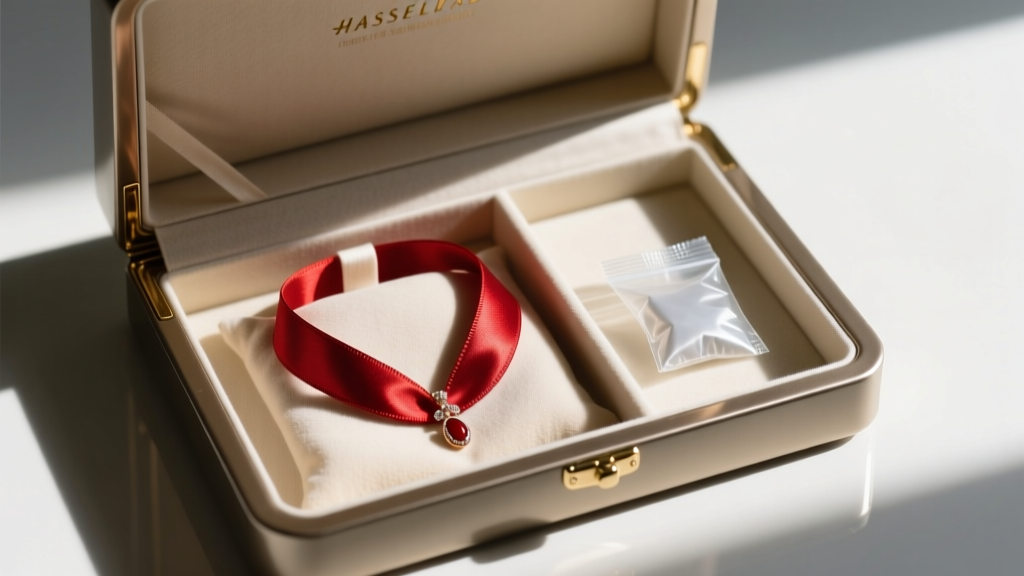
Instead, invest in an anti-tarnish flannel pouch, such as those made with Pacific Silvercloth technology, which actively absorbs tarnish-causing gases before they reach your jewelry. Place a small, jewelry-safe silica gel desiccant packet inside the pouch to control humidity levels, keeping the environment below 40% relative humidity. Always store the necklace laid flat or hung on a padded velvet hanger; coiling a heavy statement chain tightly can stress the soldered jump rings and lead to premature snapping.
Protecting the Red Pigment from UV Degradation
If your necklace features dyed stones or certain organic materials like coral, prolonged exposure to ultraviolet (UV) light will cause the vibrant red pigment to fade or turn chalky white. Always store your piece in a dark, enclosed drawer or jewelry box away from direct sunlight. If you wear the piece for outdoor daytime events, apply your sunscreen and cosmetics at least 20 minutes before putting the necklace on, as the chemical filters in SPF lotions can react with the dyes and metal finishes, leaving a stubborn, cloudy film.
When to Seek Professional Jewelry Conservation
While routine maintenance can be handled at home, certain issues require the expertise of a professional jeweler or conservator. If you notice the red enamel beginning to flake or lift from the metal base, do not attempt to glue it back down with household cyanoacrylate (Super Glue), as this will create a cloudy, irreversible mess and complicate future professional repairs. Similarly, if the gold plating on the chain has worn through to the brass or silver base metal—evidenced by a dull, grayish, or greenish patch—a professional can safely re-plate the piece using an electroplating bath, restoring its original luster without damaging the delicate red focal stones.
By adhering to these meticulous, material-specific care guidelines, your demi diva red necklace will retain its striking visual impact and structural integrity, allowing you to confidently wear this bold statement piece for decades to come.


