How to Style and Layer a Pearl and Gold Choker Necklace
Learn how to perfectly style, layer, and care for a pearl and gold choker necklace with our expert step-by-step guide on lengths and materials.

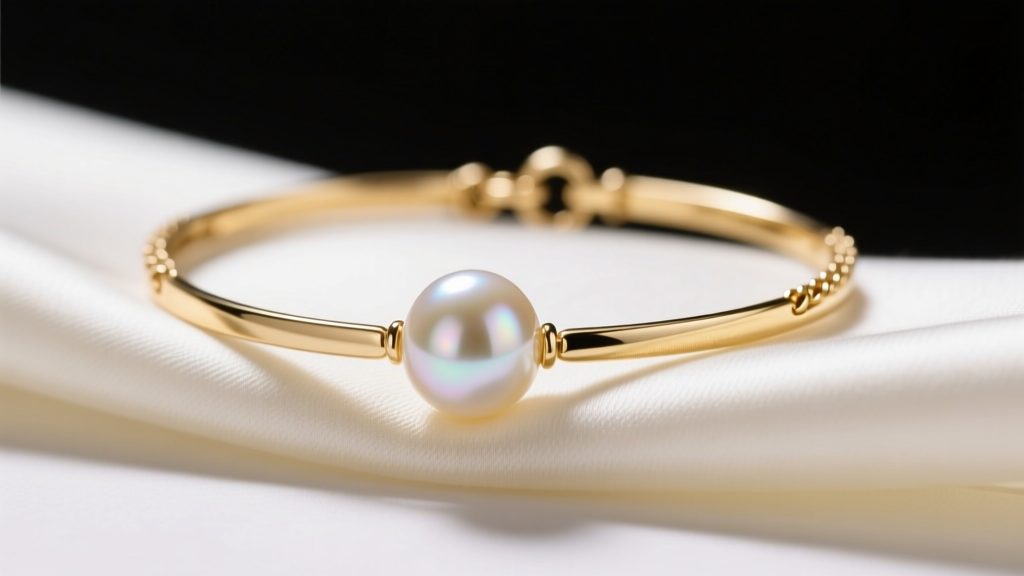
The pearl and gold choker necklace is a masterclass in juxtaposition. It pairs the organic, soft luster of nacre with the warm, enduring strength of precious metal. However, wearing a choker—especially one featuring delicate organic gems—requires a strategic approach to styling, layering, and maintenance. Whether you are working with a vintage 14k gold piece or a modern freshwater pearl design, this comprehensive step-by-step guide will help you maximize your investment and elevate your everyday styling.
The Anatomy of a High-Quality Pearl and Gold Choker
Before layering, you must understand the materials resting against your skin. The durability and visual weight of your pearl and gold choker necklace dictate how it interacts with other jewelry.
Pearl Grades and Sizes
- Akoya Pearls (6mm–8mm): Known for their mirror-like luster and perfectly round shapes. Ideal for classic, refined chokers. Look for a nacre thickness of at least 0.4mm to ensure longevity.
- Freshwater Pearls (7mm–10mm): Often baroque or off-round, offering a modern, organic aesthetic. They are more affordable but slightly less lustrous than Akoya.
- Tahitian Pearls (8mm–12mm): Dark, peacock-hued, and bold. Best reserved for statement single-strand chokers rather than delicate layering.
Gold Purity and Chain Construction
For daily wear, 14k solid gold (58.5% pure gold) is the optimal choice. It provides the necessary tensile strength to hold pearl clasps securely without bending. 18k gold offers a richer, buttery yellow hue but is softer and more prone to scratching. If you are opting for gold vermeil, the Federal Trade Commission (FTC) mandates that the gold layer must be at least 2.5 microns thick over a sterling silver base to be legally sold as vermeil (source). Anything thinner is merely gold-plated and will quickly wear off against the friction of your neck.
Step-by-Step Guide to Layering Your Choker
Layering a pearl and gold choker necklace requires strict adherence to the "two-inch rule" to prevent the chains from tangling and the pearls from scratching against metal links.
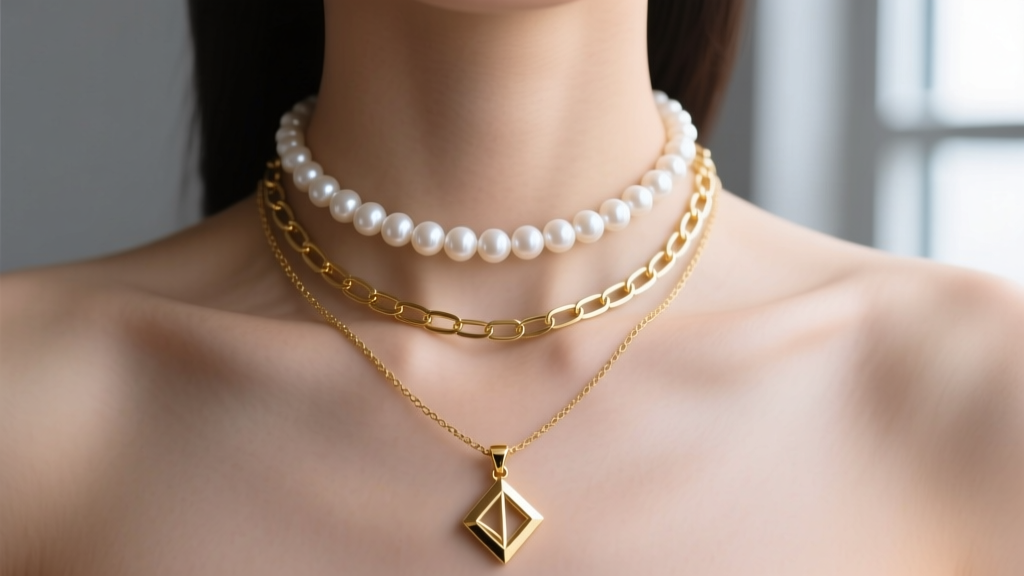
Step 1: Anchor with the Choker (14 to 15 Inches)
Start with your pearl choker. A true choker should sit snugly at the base of the neck, just above the collarbone. If your pearl strand is 14 inches, ensure it has a 2-inch extender chain so you can adjust it based on daily neck swelling and collar thickness.
Step 2: Add a Textural Gold Chain (16 to 17 Inches)
Drop down exactly two inches for your second layer. To avoid visual competition, choose a gold chain with a distinct texture that contrasts with the smooth, round pearls. A 16-inch 14k gold paperclip chain (approx. 2.5mm wide) or a figaro chain provides an excellent geometric contrast to the organic curves of the pearls.
Step 3: Finish with a Weighted Pendant (18 to 20 Inches)
Your final layer should draw the eye downward. An 18-inch or 20-inch matinee-length gold chain featuring a single, weighted pendant (like a gold coin, a geometric bar, or a single larger pearl drop) anchors the entire stack. The weight of the pendant keeps the lowest chain taut, preventing it from riding up and tangling with the choker.
Pro-Tip: If you struggle with tangling, invest in a multi-strand necklace spacer clasp. This 14k gold tube clasp allows you to attach up to three chains at a single point at the back of your neck, keeping your layers perfectly parallel all day.
Matching Your Pearl and Gold Choker Necklace to Necklines
The visual impact of your choker changes dramatically depending on the garment framing it. Use this decision matrix to pair your jewelry with your wardrobe.
| Neckline Type | Ideal Choker Length | Pearl Size & Style | Styling Notes |
|---|---|---|---|
| Crew Neck | 14" - 15" | 6mm - 7mm Akoya | Sits perfectly just above the fabric rim. Keep layers minimal to avoid a cluttered look. |
| V-Neck | 15" - 16" (Collar length) | 8mm Freshwater Baroque | Allows the choker to float in the negative space of the V. Add an 18" pendant to follow the V-shape. |
| Scoop Neck | 14" (Tight Choker) | 7mm Round White | Creates a stark, elegant horizontal line against the curved neckline. Avoid heavy layering. |
| Boatneck / Bateau | 15" - 16" | Mixed Pearl & Gold Beads | The wide neckline demands a slightly looser choker that bridges the gap between neck and fabric. |
| Strapless | 14" + 18" Layer | Statement Tahitian or Large Akoya | Maximize the exposed skin. Use a bold choker paired with a long, delicate gold lariat. |
Step-by-Step Care and Maintenance Routine
Pearls are organic gemstones with a Mohs hardness of just 2.5 to 4.5, making them highly susceptible to scratching and chemical degradation (source). Gold, while noble, can accumulate oils that dull its shine. Follow this strict maintenance protocol.
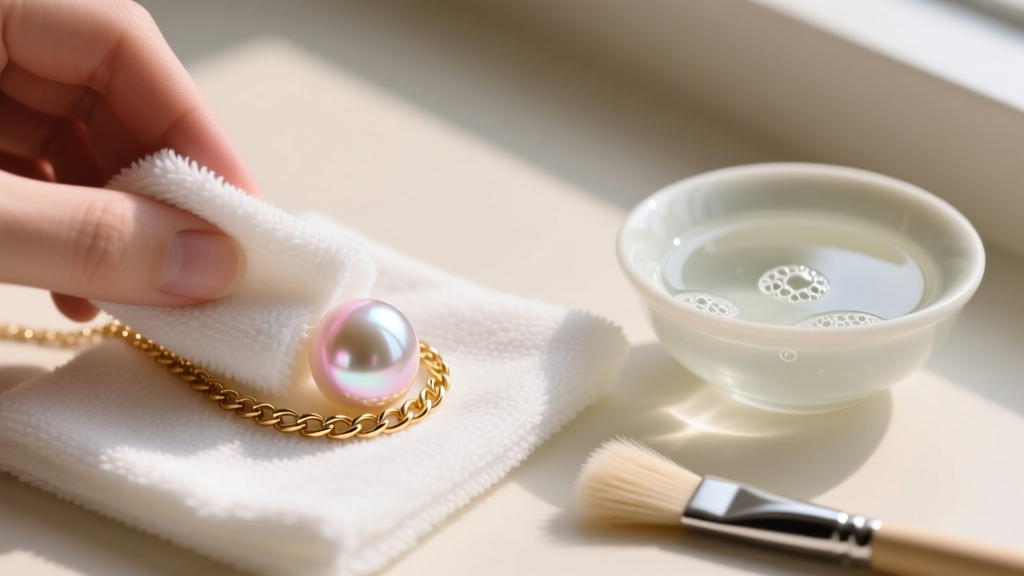
The "Last On, First Off" Rule
Pearls are incredibly porous and will absorb chemicals from your environment. Your pearl and gold choker necklace must be the very last thing you put on after applying perfume, hairspray, lotions, and makeup. Conversely, it must be the first thing you take off when you return home. The alcohol and acids in cosmetics will eat away at the pearl's nacre, causing it to lose its luster and eventually peel.
Weekly Cleaning Protocol
- Wipe Down: After wearing, gently wipe the pearls with a clean, slightly damp microfiber cloth to remove body oils and sweat.
- Gold Cleaning: Use a separate, dry jewelry polishing cloth to buff the gold clasp and chain links. Do not use the same cloth on the pearls, as trapped dirt from the gold can scratch the nacre.
- Deep Clean (Monthly): Mix a few drops of pH-neutral baby shampoo in lukewarm water. Dip a soft, clean makeup brush into the solution and gently brush the gold links. Never submerge a knotted pearl necklace in water, as this will stretch and weaken the silk thread.
Proper Storage
Never store your pearl choker in a plastic bag or an airtight safe deposit box. Pearls require ambient moisture to prevent the nacre from drying out and cracking. Store the necklace flat in a soft cotton pouch, away from harder gemstones like diamonds or sapphires that will instantly scratch the pearl surface.
Troubleshooting Common Choker Issues
Issue: The Silk Thread is Stretching
Diagnosis: If you can pull the pearls apart and see more than 1mm of exposed silk thread between them, the necklace is at risk of breaking.
Solution: Take the choker to a professional jeweler for re-stringing. Request that they use Size E or F silk thread (depending on the pearl drill hole size) and knot between every single pearl to prevent total loss in case of a snap.
Issue: The Gold Clasp is Slipping Open
Diagnosis: Spring-ring clasps, commonly found on vintage pearl chokers, often lose their internal tension over time, causing the necklace to fall off unexpectedly.
Solution: Upgrade the clasp. Have a jeweler solder on a 14k gold lobster claw clasp or a magnetic neodymium clasp. Magnetic clasps are particularly excellent for chokers, as they allow you to easily secure the necklace at the front of your neck without struggling to reach the nape.
Issue: Pearls are Turning Yellow
Diagnosis: Yellowing is a sign of severe dehydration or prolonged exposure to acidic sweat and cosmetics. It indicates the nacre is deteriorating.
Solution: While mild yellowing can sometimes be reversed by a professional pearl polisher who removes the damaged outer microscopic layer of nacre, severe yellowing is permanent. Prevention through the "Last On, First Off" rule is your only reliable defense.
Mastering the art of wearing a pearl and gold choker necklace is about respecting the materials. By understanding the precise measurements required for tangling-free layering and adhering to a strict, chemistry-aware care routine, your choker will remain a luminous, structural anchor in your jewelry collection for decades.


