How to Clean and Maintain Your Diamond Heart Pendant Necklace
Learn expert techniques to clean, store, and maintain your diamond heart pendant necklace to keep its sparkle and prong settings secure for life.

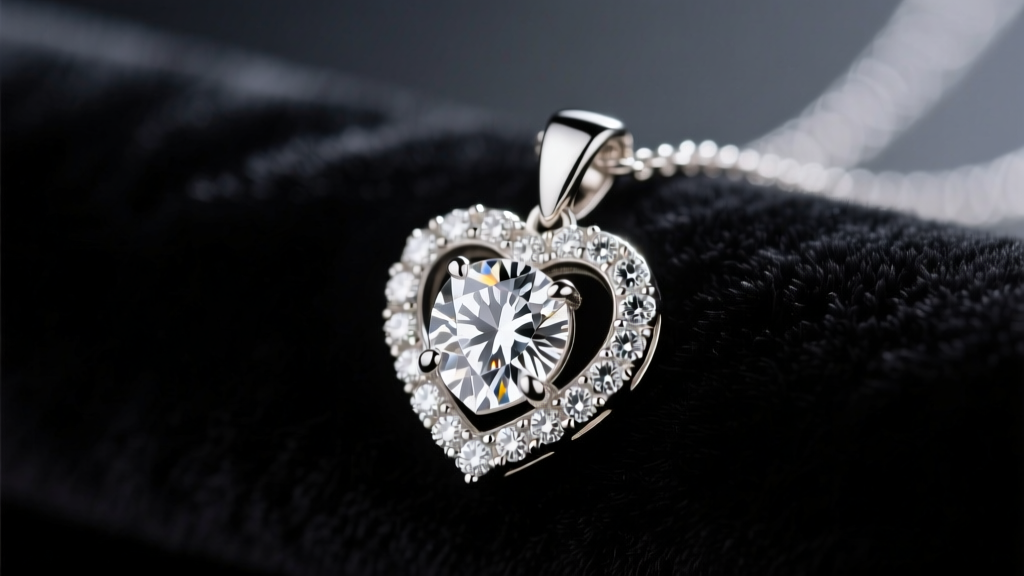
A diamond heart pendant necklace is more than just a piece of jewelry; it is a profound symbol of affection and a significant financial investment. However, the unique geometry of a heart-shaped diamond—specifically the deep cleft at the top and the pointed pavilion at the bottom—makes it uniquely susceptible to trapping sebum, cosmetics, and environmental dust. When light cannot enter and exit the stone unimpeded, the diamond loses its signature fire and brilliance. Proper care goes far beyond a simple wipe-down; it requires an understanding of metallurgy, gemology, and setting mechanics.
The Anatomy of Grime: Why Heart Pendants Lose Their Sparkle
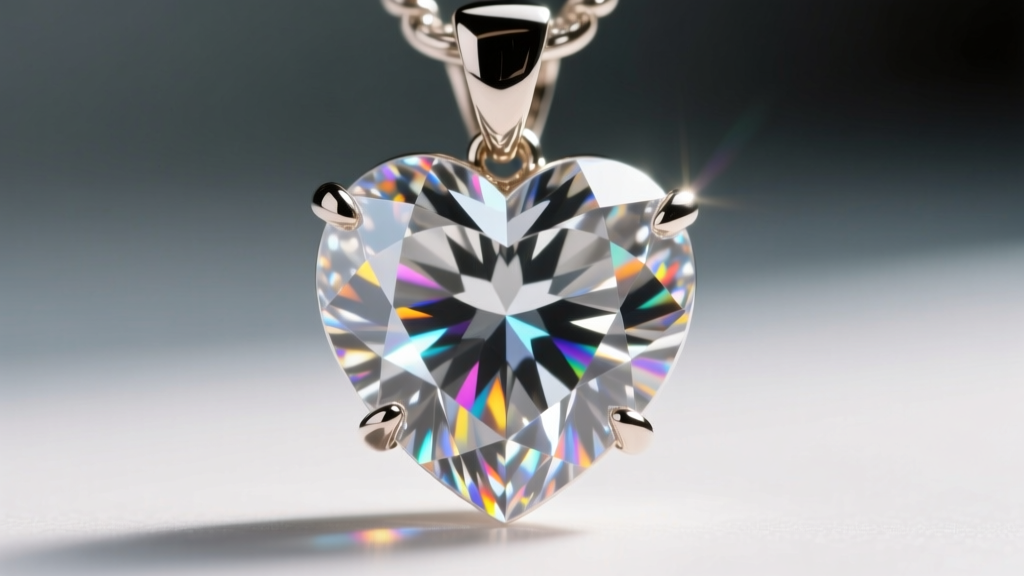
To effectively clean your necklace, you must understand where dirt hides. A heart-cut diamond is a modified brilliant cut, typically featuring 56 to 58 facets. The 'cleft' (the indentation at the top of the heart) and the 'pavilion' (the V-shaped underside) are prime real estate for lotion buildup and dead skin cells. Because heart-shaped diamonds are often set in 14k or 18k gold or platinum, the microscopic pores of the metal alloy can also trap oils, leading to a dull, matte appearance over time. According to the Gemological Institute of America (GIA), a diamond's high affinity for grease means it will naturally attract oils from your skin the moment it is cleaned, making a rigorous maintenance routine essential.
Step-by-Step Deep Cleaning Protocol
Forget harsh commercial chemicals or abrasive home remedies. The safest and most effective way to restore your pendant's brilliance involves a gentle, targeted approach that protects both the stone and the delicate prongs.
The Soak and Scrub Method
- Prepare the Solution: Mix one part mild, ammonia-free dish soap (like original blue Dawn) with three parts lukewarm distilled water. Avoid hot water, as extreme thermal shifts can stress the solder joints on your chain.
- The Soak: Submerge the diamond heart pendant necklace in the solution for 15 to 20 minutes. This loosens the hardened sebum trapped in the cleft and under the gallery (the basket holding the stone).
- Targeted Brushing: Using an extra-soft baby toothbrush, gently agitate the bristles against the underside of the diamond. Pay special attention to the cleft and the bottom point. Never use a standard adult toothbrush, as the stiff bristles can scratch the polished metal of the setting.
- The Rinse: Rinse the pendant under a gentle stream of lukewarm water. Crucial: Always place a mesh strainer over the drain before rinsing jewelry to prevent catastrophic loss.
- Drying: Pat dry with a lint-free microfiber cloth. Avoid paper towels, as the wood fibers can leave microscopic scratches on precious metals.
Prong and Setting Maintenance: Preventing Stone Loss
Heart-shaped diamonds require a minimum of five prongs to be secure: two on the rounded lobes, two on the lower edges, and a specialized V-prong at the top cleft to protect the sharp indentation from chipping. The bottom point is also highly vulnerable. Over time, these prongs can wear down or catch on knitwear, lifting away from the diamond's girdle.
Every six months, inspect your setting using a 10x jeweler's loupe. Look for 'light gaps' between the metal and the diamond. If you notice the V-prong at the cleft is no longer flush against the stone, cease wearing the necklace immediately and take it to a bench jeweler for a prong re-tipping. The Blue Nile Jewelry Care Guide emphasizes that catching a lifted prong early can save you from losing your center stone entirely.
| Maintenance Interval | Action Item | Tools / Requirements |
|---|---|---|
| Weekly | Light surface degreasing | Mild dish soap, microfiber cloth |
| Monthly | Deep pavilion and cleft cleaning | Ammonia-free solution, baby toothbrush |
| Bi-Annually | Prong tension and gallery check | 10x jeweler's loupe, professional inspection |
| Every 12-18 Months | Rhodium re-plating (if white gold) | Professional bench jeweler |
Ultrasonic Cleaners: A Risk Assessment
Many jewelry owners rely on at-home ultrasonic cleaners, which use high-frequency sound waves (typically 40-45 kHz) to create microscopic cavitation bubbles that blast dirt from crevices. While highly effective for platinum and solid gold settings, ultrasonics carry specific risks for heart pendants:
- Fracture-Filled Diamonds: If your diamond is clarity-enhanced (fracture-filled with glass-like resins), the ultrasonic vibrations and heat can cloud or melt the filler, permanently ruining the stone.
- Loose Prongs: If the V-prong at the heart's cleft is already compromised, the intense vibrations can literally shake the diamond out of its setting.
- Pave Accents: If your heart pendant features a halo or pave-set diamonds along the bale, ultrasonics can easily rattle these tiny melee stones loose.
Metallurgy and Chain Care: Protecting the Gold and Rhodium
The chain holding your heart pendant requires its own maintenance protocol. If your necklace is crafted in white gold, it is likely plated with rhodium, a platinum-group metal that provides a bright, silvery-white finish. Harsh chemicals, chlorine from swimming pools, and even the natural pH of your sweat can strip this plating, revealing the yellowish 14k or 18k gold alloy underneath.
For box chains or rope chains, which feature intricate interlocking links, dirt accumulation is a major issue. Use a soft-bristled detailing brush to clean between the links. Never pull or stretch a fine chain (such as a 14k gold cable chain under 1.0mm in thickness) while scrubbing, as the tensile strength of thin gold links is surprisingly low and they can easily snap.
What to Avoid: Common and Costly Cleaning Mistakes
To preserve the structural integrity and optical performance of your diamond heart pendant necklace, strictly avoid the following amateur cleaning methods:
- Toothpaste: Toothpaste contains silica and baking soda, which are abrasive. While a diamond ranks a 10 on the Mohs hardness scale and won't scratch, the 14k or 18k gold setting ranks around 3 to 4. Toothpaste will leave permanent micro-scratches on the metal, dulling its polish.
- Chlorine Bleach: Chlorine reacts violently with the copper and zinc alloys in karat gold. Prolonged exposure can cause 'stress corrosion cracking,' leading to microscopic fractures in the prongs and chain links.
- Boiling Water: While boiling can remove heavy grease, the extreme thermal shock can cause secondary accent stones (like sapphires or emeralds often paired with heart diamonds) to shatter, and can weaken the laser-soldered joints on the chain.
Final Thoughts on Long-Term Preservation
A diamond heart pendant necklace is designed to be an heirloom, but its longevity is entirely dependent on proactive maintenance. By implementing a gentle, consistent cleaning routine and respecting the mechanical vulnerabilities of the heart-shaped cut, you ensure that the piece remains as brilliant and secure as the day it was first clasped. Store the necklace flat in a fabric-lined compartment, separate from other jewelry, to prevent the diamond from scratching adjacent pieces, and always put your jewelry on after applying perfumes, hairsprays, and lotions.


