Dragonbone Necklace OSRS Replica: Care & Cleaning Guide
Learn how to clean and maintain your physical dragonbone necklace OSRS replica. Expert care tips for resin, cast metal, and real bone cosplay jewelry.

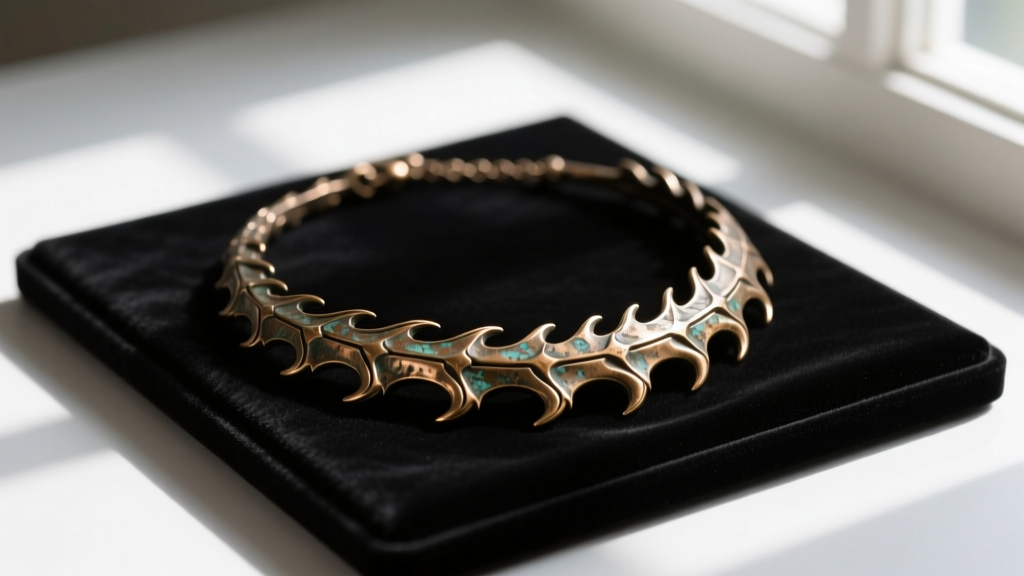
For dedicated fans of Old School RuneScape, bringing the game's iconic gear into the real world is the ultimate expression of fandom. The dragonbone necklace osrs replica is one of the most sought-after pieces for cosplayers and collectors, mirroring the high-level Prayer bonus item found in the game. However, translating virtual polygons into physical jewelry involves complex materials—ranging from 3D-printed photopolymer resins and lost-wax cast bronzes to ethically sourced carved bone. Maintaining these intricate, multi-material pieces requires specialized knowledge to prevent degradation, tarnish, and structural failure.
This comprehensive care guide breaks down the exact maintenance protocols required to keep your physical dragonbone necklace in pristine, game-accurate condition, ensuring it survives both convention floors and long-term display.
The Anatomy of a Physical OSRS Dragonbone Replica
Before applying any cleaning agents, you must identify the exact material composition of your replica. The central vertebrae motif and the heavy chain are typically manufactured using one of three methods:
- SLA/Resin 3D Printing: Favored for high-detail, lightweight cosplay pieces. Often painted with acrylic washes to simulate aged bone and metal.
- Lost-Wax Cast Metal: Usually cast in pewter, bronze, or 925 sterling silver for premium, heavy-duty jewelry versions.
- Organic Bone/Antler: Hand-carved pieces utilizing ethically sourced bovine or cervid bone, offering the most authentic tactile experience.
Each material reacts differently to moisture, solvents, and friction. Using the wrong cleaning method can strip custom patinas, melt resin details, or cause organic bone to crack.
Material-Specific Cleaning Protocols
1. Cast Metals (Pewter, Bronze, and Sterling Silver)
Metal replicas of the dragonbone necklace are prone to oxidation. Bronze and pewter will develop a natural patina over time, while sterling silver will tarnish black when exposed to sulfur compounds in the air.
- Light Cleaning: Use a dry, untreated microfiber cloth to wipe away skin oils and dust after every wear.
- Deep Polishing: For sterling silver, apply a pea-sized amount of non-abrasive polish like Flitz or Wright’s Silver Cream. Rub gently with a cotton swab to reach the deep crevices of the vertebrae design. Rinse with distilled water and dry immediately.
- Warning: Never use liquid 'dip' tarnish removers. These harsh chemical baths will strip the intentional antiquing (darkening) applied to the recessed areas of the pendant, leaving you with a flat, overly shiny piece that loses its ancient, game-accurate aesthetic.
2. 3D Printed Resin and Painted Finishes
Stereolithography (SLA) resin is highly detailed but chemically sensitive. Prolonged exposure to isopropyl alcohol (IPA) or acetone will soften the resin and destroy the surface layer.
- Washing: Mix a few drops of pH-neutral dish soap (like Dawn) into lukewarm—not hot—water. Submerge the necklace for no more than 3 minutes.
- Agitation: Use a makeup brush with ultra-soft synthetic bristles to gently dislodge dirt from the carved bone textures. Rinse under a gentle stream of cool distilled water.
- Drying: Pat dry with a lint-free cloth and allow it to air dry completely. Avoid hairdryers, as concentrated heat can warp thin resin chains or melt glue joints.
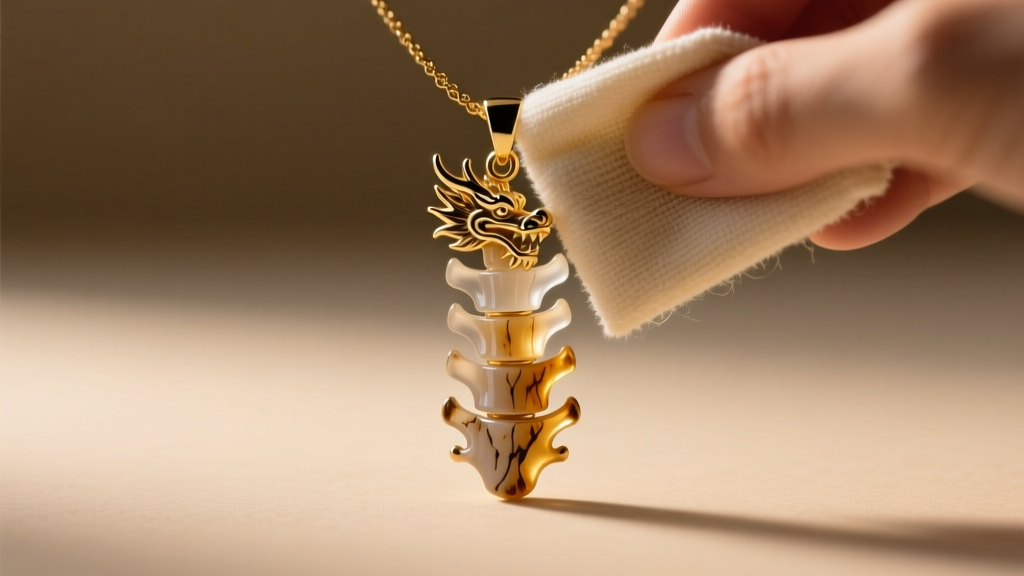
3. Ethically Sourced Organic Bone
Real bone is a porous, organic material. According to the Canadian Conservation Institute, bone is highly susceptible to warping and cracking when exposed to rapid humidity changes or prolonged soaking.
- Surface Dusting: Use a soft, dry brush to clean the porous surface. Avoid water entirely.
- Stain Removal: If the bone absorbs skin oils and darkens, gently rub the surface with a gum eraser (artist's vinyl eraser) to lift the stained layer without scratching.
- Conditioning: Once a year, apply a microscopic amount of food-grade mineral oil using a cotton swab. Let it sit for 10 minutes, then buff off all excess. Never use petroleum-based oils, which can trap dirt and turn rancid over time.
Preventative Maintenance and Storage
Proactive care drastically reduces the need for deep cleaning. How you store your dragonbone necklace when not actively wearing it to gaming conventions or photoshoots dictates its lifespan.
| Material Grade | Primary Threat | Recommended Storage | Maintenance Interval |
|---|---|---|---|
| 925 Sterling Silver | Sulfur tarnish, scratching | Anti-tarnish ziplock bags with 3M strips | Polish every 3 months |
| SLA Photopolymer Resin | UV yellowing, brittleness | Opaque, UV-blocking display case | Dust weekly, wash annually |
| Cast Bronze/Pewter | Moisture oxidation, verdigris | Silica gel packets in a velvet-lined box | Wax seal every 6 months |
| Carved Organic Bone | Cracking, sebum absorption | Climate-controlled room (45-55% RH) | Condition with oil yearly |
For resin replicas, UV radiation from sunlight is the ultimate enemy. Photopolymer resins will undergo photodegradation, turning yellow and becoming incredibly brittle. Always store painted resin necklaces in dark, opaque containers. For metal pieces, the Gemological Institute of America (GIA) recommends storing silver in airtight environments to halt the oxidation process entirely.
Restoring the 'Ancient' Patina
A common mistake among collectors is over-cleaning their replicas until they look like brand-new, shiny toys. The dragonbone necklace is designed to look like an ancient, excavated artifact. If you accidentally polish away the dark antiquing in the crevices of a metal cast, or if the acrylic weathering wash on a resin piece chips off, you can restore it.
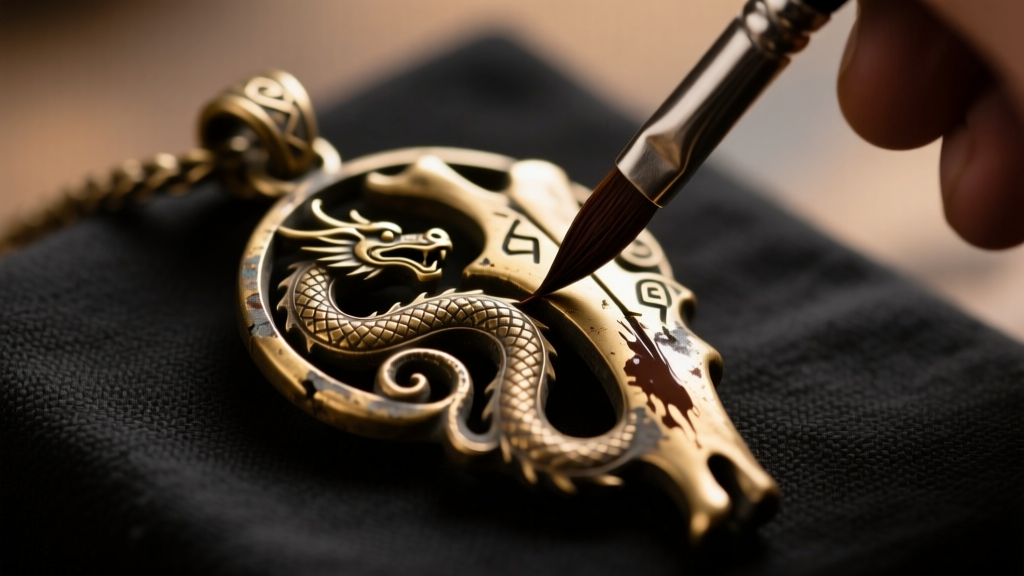
The Acrylic Wash Technique
- Mix a high-quality dark brown or black acrylic paint (such as Vallejo Model Color Raw Umber) with water at a 1:4 ratio.
- Using a fine detail brush, stipple the wash deep into the cracks, scales, and vertebrae joints of the necklace.
- Allow it to sit for exactly 60 seconds. The pigment will settle into the recesses.
- Take a slightly damp paper towel and gently wipe the flat, raised surfaces of the necklace. The dark pigment will remain only in the deep textures, instantly restoring the aged, gritty OSRS aesthetic.
Sealing the Finish
Once your patina is restored and fully dry, you must seal it to prevent it from rubbing off on your clothing. For metal and resin replicas, apply a thin, even coat of Renaissance Micro-Crystalline Wax Blend. Buff it gently with a horsehair brush. This museum-grade wax will protect the paint wash, inhibit metal tarnish, and provide a soft, realistic satin sheen that mimics aged artifact materials far better than glossy spray sealants.
Final Thoughts on Cosplay Jewelry Care
Owning a physical piece of Gielinor history requires a shift in mindset from disposable costume jewelry to curated artifact maintenance. By understanding the specific chemical and physical limitations of your replica's core materials, you can ensure your gear remains as legendary in the real world as it is in-game. Always test new cleaning solvents on a hidden area of the chain or clasp before applying them to the intricate central pendant.


