How to Clean a Gold Necklace: DIY vs Pro Value Guide
Learn how to clean a gold necklace without destroying its value. Compare DIY costs, pro fees, and safe methods for solid, vermeil, and plated gold.

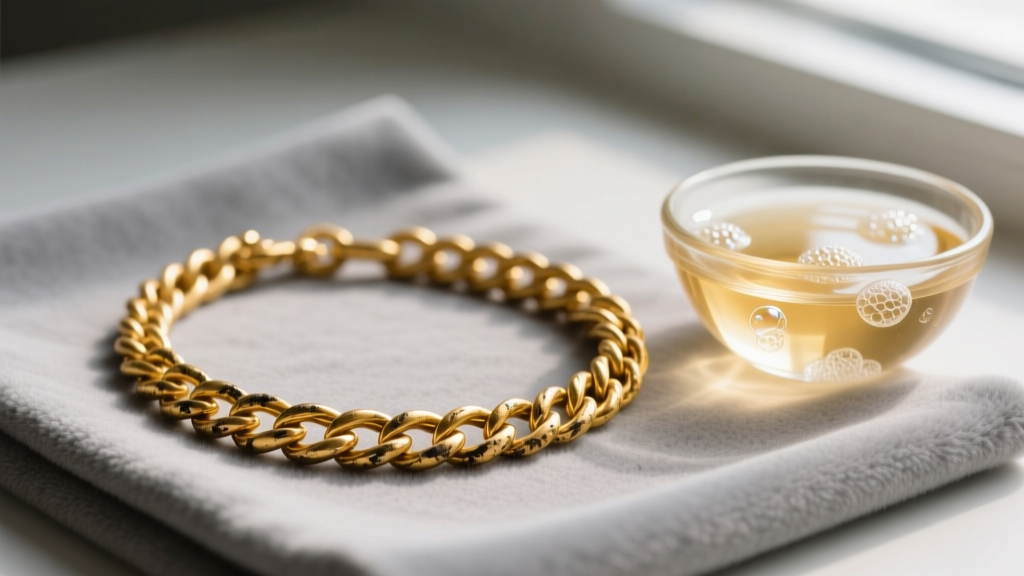
With gold prices surging to historic highs in 2026, your gold necklaces are more than just fashion accessories; they are wearable financial assets. However, improper maintenance can rapidly degrade both the aesthetic appeal and the resale value of your jewelry. Understanding how to clean a gold necklace from a budget and value-preservation perspective requires looking beyond simple shine. It demands an understanding of metallurgy, micron thickness, and the hidden costs of abrasive damage.
Whether you own a heavy 14k solid gold Cuban link chain or a delicate 18k gold vermeil pendant, the wrong cleaning method can strip plating, cause micro-scratches, or loosen gemstone settings. This comprehensive value assessment breaks down the economics of DIY versus professional cleaning, outlines material-specific tolerances, and provides actionable protocols to protect your investment.
The Economics of Gold Necklace Maintenance
When assessing the budget for jewelry care, consumers typically face three tiers of cleaning options. Each carries distinct cost structures and risk profiles that directly impact the long-term value of the piece.
- DIY Household Methods ($0.05 - $0.20 per wash): Utilizing mild surfactants like dish soap and distilled water. This is the most cost-effective method for routine maintenance of solid gold, but it requires manual labor and offers zero restoration capabilities for deep tarnish or structural grime.
- At-Home Ultrasonic Cleaners ($45 - $150 upfront): High-frequency sound waves create cavitation bubbles that dislodge dirt from chain crevices (especially useful for thick 3mm+ gauge rope chains). While cost-effective over time, ultrasonic waves can cause catastrophic failure in porous gems or fracture-filled stones.
- Professional Jeweler Services ($25 - $75 per session): Includes commercial-grade steam cleaning, ultrasonic degreasing, and a microscopic inspection of prongs and jump rings. For necklaces appraised over $1,500, this annual fee is a necessary insurance policy to maintain structural integrity and appraisal value.
According to the Jewelers of America, professional cleaning is not just about aesthetics; it is a critical diagnostic tool. A jeweler will check for worn jump rings and weakened clasps that could lead to the total loss of the asset.
Material Grades and Cleaning Tolerances
The most critical factor in determining how to clean a gold necklace is its material composition. The term 'gold necklace' encompasses vastly different manufacturing standards, each with unique chemical tolerances.
| Material Type | Composition & Thickness | Safe Cleaning Agents | Restoration / Replating Cost |
|---|---|---|---|
| 24k Solid Gold | 99.9% Pure Gold | Mild soap, distilled water | N/A (Cannot be replated) |
| 18k / 14k Solid Gold | 75% / 58.5% Gold Alloy | Soap, diluted ammonia | Polishing: $30 - $60 |
| Gold Vermeil | 2.5+ microns gold over Sterling Silver | Mild soap, dry microfiber | Replating: $45 - $90 |
| Gold Plated | <0.5 microns gold over Brass/Copper | Dry wipe only | Replating: $25 - $50 |
As noted by the Gemological Institute of America (GIA), alloyed gold (14k and 18k) contains metals like copper, zinc, and silver. These base metals are what cause tarnish when exposed to sulfur and oxygen. While solid gold alloys can tolerate mild chemical interventions, vermeil and plated pieces will lose their outer gold layer if subjected to harsh chemicals or abrasive brushing, instantly reducing their resale value to that of the base metal.
Budget-Friendly DIY Cleaning Protocols
For routine maintenance of solid gold chains and pendants, you do not need expensive commercial solutions. Follow these precise, low-cost protocols to restore luster without risking asset depreciation.
Protocol 1: The Mild Surfactant Bath (All Gold Types)
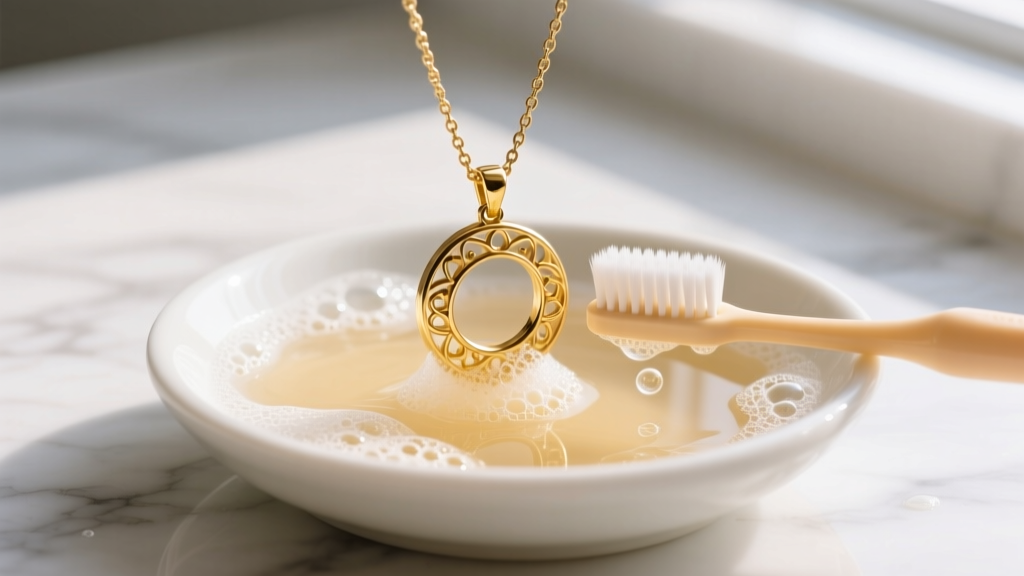
- Preparation: Mix three drops of phosphate-free dish soap (like Dawn) into a ceramic bowl of lukewarm distilled water. Avoid tap water, as chlorine and hard minerals can leave microscopic deposits.
- Soaking: Submerge the necklace for exactly 15 minutes. This allows the surfactant to break down sebum and cosmetic oils trapped in the chain links.
- Agitation: For solid gold chains over 1.5mm in gauge, use an extra-soft baby toothbrush to gently sweep the crevices. Never use a standard toothbrush, as the bristles are too stiff and will cause directional scratching.
- Rinsing & Drying: Rinse under a gentle stream of distilled water and pat dry with a lint-free microfiber cloth. Air drying leads to water spots that dull the finish.
Protocol 2: The Ammonia Dip (14k/18k Solid Gold ONLY)
If a solid gold necklace has accumulated heavy grime or stubborn tarnish, a diluted ammonia bath can dissolve organic buildup. Warning: Never use this on gold vermeil, plated jewelry, or any necklace containing porous gemstones (pearls, opals, turquoise, emeralds).
- Mix one part clear household ammonia with six parts lukewarm water.
- Submerge the solid gold necklace for no longer than 60 seconds. Prolonged exposure to ammonia can cause stress corrosion cracking in lower-karat gold alloys, particularly at soldered joints like the clasp.
- Rinse thoroughly and dry immediately.
Hidden Value Destroyers: The 'Free' Mistakes
Many budget-conscious consumers turn to pantry staples for jewelry cleaning, unknowingly inflicting permanent damage that lowers appraisal values. Understanding the Mohs hardness scale is essential for avoiding these catastrophic mistakes.
- Toothpaste: Often recommended online, toothpaste contains hydrated silica, which has a Mohs hardness of 6 to 7. Gold, by contrast, sits at a mere 2.5 to 3 on the scale. Scrubbing gold with toothpaste acts like sandpaper, creating a network of micro-scratches that permanently dulls the metal's light reflection.
- Baking Soda Paste: While baking soda is softer (Mohs 2.5), its crystalline structure features jagged edges. When rubbed against a gold surface, it leaves a matte, scratched finish that requires professional buffing to remove—a process that strips away a microscopic layer of gold, literally reducing the weight and value of your chain.
- Paper Towels: Wood pulp fibers in standard paper towels are highly abrasive on a microscopic level. Always use 100% cotton or high-density microfiber to dry your jewelry.
The Value Threshold: When to Hire a Professional
Knowing when to abandon DIY methods is a hallmark of smart asset management. You should immediately escalate to a professional jeweler if your necklace meets any of the following criteria:
1. High Appraisal Value (>$1,500)
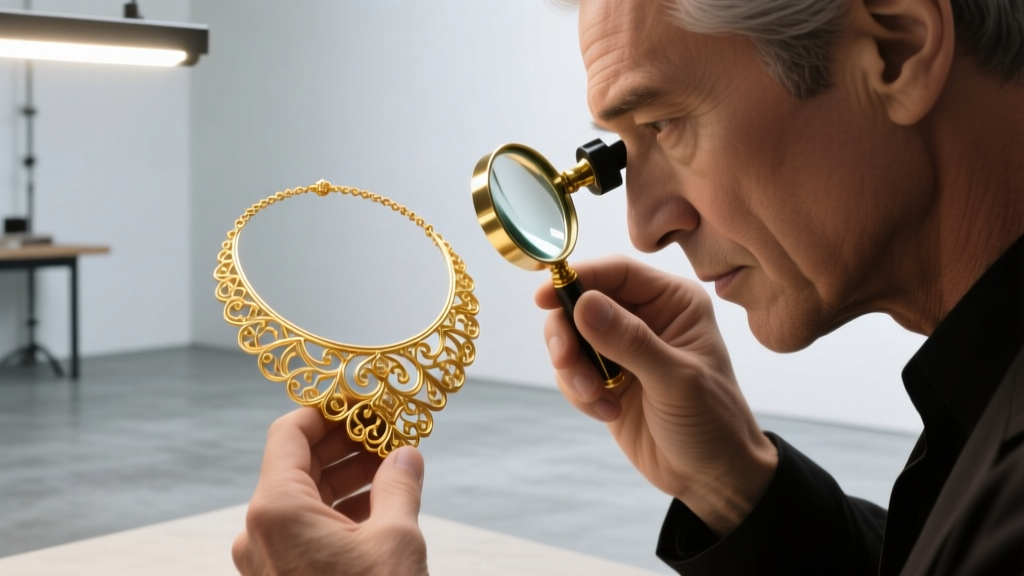
If the replacement value of the necklace exceeds $1,500, the $35 fee for a professional clean and inspection is negligible compared to the risk of snapping a weakened clasp over a sink drain. Professionals use specialized catch-basins and magnification to ensure zero loss.
2. Presence of Fragile or Porous Gemstones
Ultrasonic cleaners and chemical dips are notorious for destroying fragile stones. Emeralds are routinely treated with oils to mask natural inclusions; ultrasonic waves and ammonia will strip these oils, leaving the stone cloudy and fractured. Pearls and opals contain water and organic compounds that will crack or dissolve when exposed to harsh chemicals or heat.
3. Severe Tarnish on Intricate Alloys
If a 10k or 14k gold chain has turned black or deep copper due to severe sulfur exposure (often from hot springs or certain industrial environments), DIY surface cleaning will not suffice. A jeweler can perform a controlled electrolytic cleaning or a gentle professional polish to restore the original alloy color without removing excessive gold weight.
Long-Term Value Preservation Strategy
Cleaning is only reactive; true value assessment requires proactive preservation. To minimize the need for deep cleaning and protect your necklace's market value, adopt the 'Last On, First Off' rule. Apply perfumes, hairsprays, and lotions before putting on your gold jewelry, as the alcohol and chemicals in cosmetics are primary catalysts for alloy tarnishing.
Furthermore, store your necklaces individually in soft flannel pouches or anti-tarnish ziplock bags. Allowing multiple chains to tangle in a shared jewelry box guarantees friction scratches, which degrade the pristine finish that high-end buyers and appraisers look for. By treating your gold necklaces with the respect due to a precious financial asset, you ensure they remain both beautiful and highly liquid for decades to come.


