The Ultimate Care Guide for Your Gold Nurse Necklace
Learn how to safely clean, sanitize, and maintain your gold nurse necklace. Expert tips on removing hospital chemical buildup and preventing chain kinks.


The Unique Challenges of Wearing Jewelry in Healthcare
A gold nurse necklace is more than just an accessory; it is a profound symbol of dedication, often gifted to mark graduation, a first nursing job, or a hard-earned promotion. However, the modern clinical environment is notoriously hostile to fine jewelry. In 2026, healthcare workers are exposed to a relentless barrage of aerosolized chemicals, harsh hospital-grade disinfectants, and rigorous hand hygiene protocols. According to the CDC's hand hygiene guidelines, frequent use of alcohol-based hand rubs and chlorhexidine gluconate (CHG) is mandatory for infection control. While essential for patient safety, these compounds create a microscopic film on your gold jewelry, leading to rapid dullness, alloy oxidation, and accelerated wear.
Unlike standard office environments, a hospital floor presents physical hazards as well. Snagging a pendant on PPE, bedding, or medical equipment can stress the chain links and weaken the clasp. To preserve the sentimental and monetary value of your gold nurse necklace, you must adopt a specialized care routine that addresses both chemical exposure and physical wear.
Identifying Your Gold Type: Solid, Vermeil, or Plated?
Before applying any cleaning solution, you must understand the metallurgical composition of your necklace. The term 'gold' is often used loosely in the jewelry market, but the base metal and gold thickness dictate how your piece will survive a 12-hour shift in the ICU or ER.
| Gold Type | Composition | Hospital Durability | Care Level Required |
|---|---|---|---|
| 14k Solid Gold | 58.5% Gold, 41.5% Alloy (Copper/Zinc/Silver) | Excellent (Highly resistant to bending and snapping) | Low (Routine gentle cleaning) |
| 18k Solid Gold | 75% Gold, 25% Alloy | Good (Softer, prone to micro-scratches from physical contact) | Medium (Requires careful storage) |
| Gold Vermeil | Sterling Silver base with ≥2.5 microns of gold plating | Poor (Hand sanitizers will strip the plating over time) | High (Strict chemical avoidance) |
| Gold Plated | Brass/Copper base with <0.5 microns of gold | Very Poor (Will tarnish and fade within weeks of clinical wear) | Not recommended for daily clinical wear |
For healthcare professionals, 14k solid gold is the undisputed champion. The alloy metals (like copper and zinc) provide the tensile strength needed to withstand the physical demands of nursing, while the 58.5% gold content ensures the piece remains hypoallergenic and resistant to severe tarnishing. If your necklace is vermeil or plated, you must remove it before every shift to prevent the alcohol in hand sanitizers from dissolving the microscopic gold layer.
Step-by-Step Cleaning Routine for Hospital Exposure
When your gold nurse necklace loses its luster, it is rarely 'tarnished' in the traditional sense. Instead, it is usually coated in a hardened matrix of sebum, dead skin cells, hospital lotions, and aerosolized CHG. The Gemological Institute of America (GIA) recommends gentle, non-abrasive cleaning methods for gold alloys to prevent surface scratching.
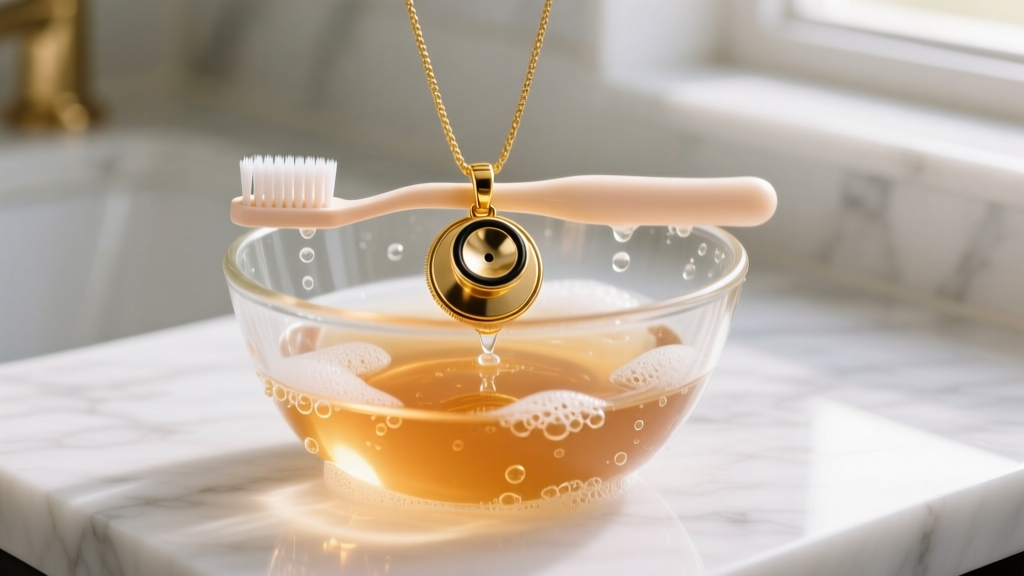
The Safe Soak and Agitate Method
- Prepare the Solution: Mix 1 cup of warm distilled water with 3-4 drops of pH-neutral, phosphate-free dish soap (such as original Dawn). Avoid tap water, as the chlorine and heavy minerals can leave microscopic water spots on the gold.
- The Soak: Submerge your necklace for exactly 5 to 10 minutes. This allows the surfactants in the soap to break down the lipid bonds of hospital lotions and natural body oils trapped in the chain links.
- Gentle Agitation: Using an ultra-soft baby toothbrush (never a standard adult brush, which can leave micro-scratches on 18k gold), gently brush the pendant. Pay special attention to the bail (the loop connecting the pendant to the chain) and the crevices of the motif, such as the tubing of a gold stethoscope or the wings of a caduceus.
- The Rinse: Rinse thoroughly under a gentle stream of lukewarm distilled water.
- Drying: Pat dry immediately with a clean, lint-free microfiber cloth. Never air-dry your necklace, as evaporating water will leave mineral deposits that mimic tarnish.
What to Avoid: The Chemical Enemies of Gold
Never use commercial 'jewelry dips' or silver polishing cloths on your gold nurse necklace. Silver polishes contain mild abrasives and chemical tarnish-removers that will strip the rhodium plating (if present) and dull the gold alloy. Furthermore, avoid ultrasonic cleaners if your pendant features enamel detailing (like a red cross or pink breast cancer ribbon) or micro-pave gemstones. The 40kHz high-frequency vibrations of an ultrasonic bath will shatter baked enamel and shake loose adhesive-set stones.
Chain and Clasp Maintenance: Preventing Snags and Breaks
The pendant may be the focal point, but the chain is the structural lifeline of your gold nurse necklace. Nurses frequently experience chain breakage due to sudden snags on IV lines, bed rails, or patient clothing.
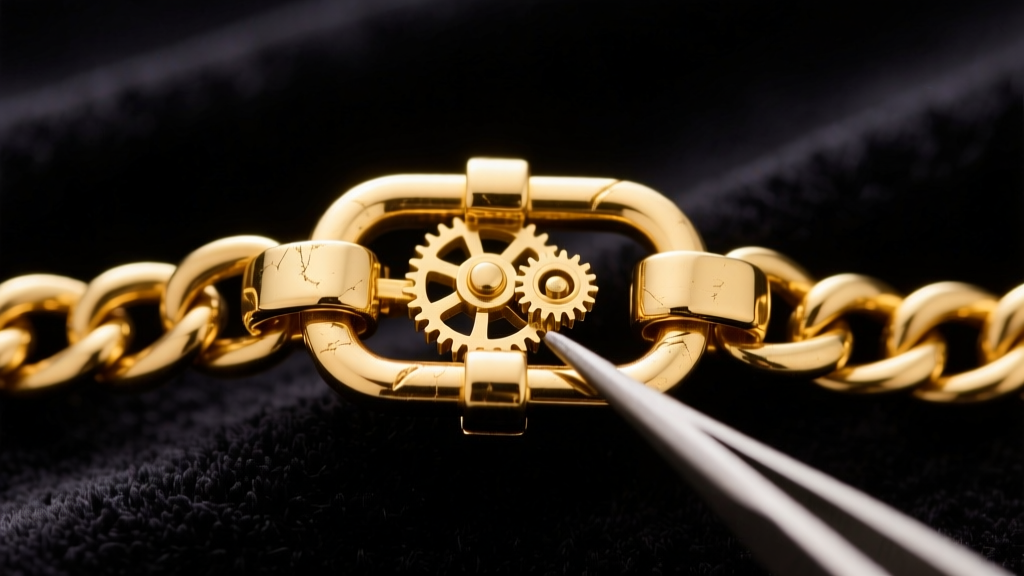
Choosing the Right Chain for Clinical Work
- Box Chains: Highly recommended for nurses. The square, interlocking links distribute tension evenly and are incredibly resistant to snapping. However, they can trap lotion buildup in the corners of the links.
- Cable Chains: Classic and easy to clean, but the single soldered rings are weak points. If snagged, a cable chain will easily pull apart at the solder joint.
- Rope Chains: Beautiful, but the twisted links act like a net, catching on textured fabrics and PPE. They are also notoriously difficult to clean when hospital-grade hand creams get wedged in the twists.
Clasp Fatigue and Inspection
Lobster clasps rely on a tiny internal steel spring. Over time, exposure to sweat and aerosolized saline can cause this spring to corrode or lose its tension. Once a month, perform the 'snap test.' Open the clasp and release it. It should snap shut with a crisp, audible click. If it closes sluggishly or fails to fully engage the jump ring, take it to a jeweler for a clasp replacement immediately. A $15 clasp replacement is far cheaper than losing a cherished gold nurse pendant on the hospital floor.
Dealing with 'Link Sludge'
Even with regular soaking, a grey, hardened substance can accumulate inside the microscopic gaps of your chain links. This 'link sludge' is a combination of dead epidermal cells, talcum powder from medical gloves, and heavy emollients from hospital lotions. When this sludge hardens, it makes the chain stiff, increasing the likelihood of kinking.
The Fix: Do not use metal needles or safety pins to pick out the sludge, as you will gouge the soft gold. Instead, use a wooden toothpick or a soft silicone interdental brush. Gently run the wooden tip through the links while the chain is submerged in the soapy water. The wood is hard enough to dislodge the debris but soft enough that it will not scratch the gold surface.
Safe Storage Between 12-Hour Shifts
Where you store your necklace between shifts is just as critical as how you clean it. The breakroom locker or a damp bathroom hook is a terrible environment for fine jewelry. High humidity accelerates the oxidation of the copper and silver alloys present in 14k gold, leading to a dull, bronze-like patina.
Pro-Tip for Night Shift Nurses: Keep a dedicated, lined jewelry pouch in your locker or scrub bag. When you remove your gold nurse necklace before a shift (or during a sterile procedure), place it inside the pouch and zip it shut. This prevents the chain from tangling with your ID badge reel or getting crushed by heavy medical texts.
For long-term storage between jobs or during maternity leave, store the necklace in an anti-tarnish ziplock bag with a small silica gel packet to absorb ambient moisture. Always lay the chain flat or hang it; tossing it into a drawer guarantees a tangled mess that can lead to stress fractures when you attempt to pull the knots apart.
Expert Troubleshooting: Dullness, Tarnish, and Kinks
Problem: The gold looks dull and slightly reddish.
Diagnosis: This is not dirt; it is surface oxidation of the copper alloy within the 14k gold, often triggered by prolonged exposure to acidic sweat or harsh quaternary ammonium disinfectants.
Solution: A standard soap soak will not remove oxidation. You will need a professional polishing cloth designed specifically for gold (impregnated with mild jeweler's rouge). Gently rub the pendant and chain. If the oxidation is severe, a jeweler can perform a light mechanical polish to remove the top microscopic layer of oxidized alloy, revealing pristine gold beneath.
Problem: The chain has a severe kink.
Diagnosis: A kink occurs when a link is bent out of its natural plane, usually from being pulled sharply while caught on fabric.
Solution: Do not pull on the chain to straighten it; this will snap the weakened link. Lay the chain flat on a smooth surface. Use two pairs of smooth-jawed nylon pliers (never metal pliers, which will bite into the gold) to gently massage the kinked link back into alignment. If the link is creased or cracked, it must be snipped and re-soldered by a professional.
Final Thoughts on Clinical Jewelry Care
Your gold nurse necklace is a testament to your resilience and compassion in one of the most demanding professions in the world. By understanding the specific chemical threats present in modern healthcare facilities and adopting a meticulous, gentle cleaning routine, you can ensure that your necklace remains as bright and enduring as your commitment to your patients. Treat your jewelry with the same preventive care you apply to your patients, and it will last a lifetime.


