How Do You Clean a Silver Necklace? Expert Tarnish Removal Guide
Learn exactly how do you clean a silver necklace at home. Discover expert-approved methods for removing heavy tarnish from sterling silver chains.

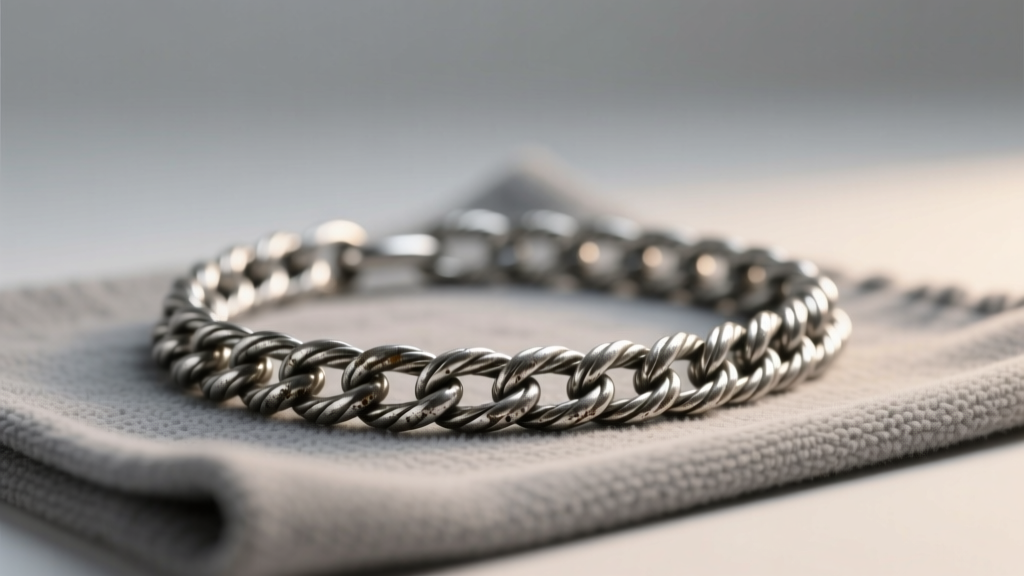
Silver necklaces are timeless wardrobe staples, but their brilliant luster inevitably fades when exposed to the elements. If you have ever pulled a favorite piece from your jewelry box only to find it dull, yellowed, or completely blackened, you are not alone. The question of how do you clean a silver necklace safely and effectively is one of the most common queries we receive at Jewel Style Radar. While the internet is flooded with DIY hacks, many of these methods can cause irreversible micro-scratches or strip intentional antiquing from your jewelry. In this comprehensive guide, we break down the exact chemistry of tarnish, outline three expert-approved cleaning methods tailored to different levels of oxidation, and share professional storage secrets to keep your silver gleaming.
The Chemistry of Silver Tarnish (Why It Happens)
Before you can effectively clean silver, you must understand why it tarnishes. Pure silver (999 fine silver) is highly resistant to corrosion. However, because pure silver is too soft for daily wear, jewelers alloy it with other metals—most commonly copper—to create 925 sterling silver (92.5% silver, 7.5% copper). According to the Gemological Institute of America (GIA), it is this copper content that reacts with sulfur compounds in the air, specifically hydrogen sulfide (H2S), to form silver sulfide (Ag2S). This chemical reaction manifests as a yellowish hue that eventually deepens into a black, crusty layer of tarnish. High humidity, airborne pollutants, and even the natural oils and acidic pH of your skin can accelerate this process.
Routine Maintenance: Daily and Weekly Care
The most effective way to clean a silver necklace is to prevent heavy tarnish from forming in the first place. Routine maintenance requires nothing more than the right cloth and a few seconds of your time.
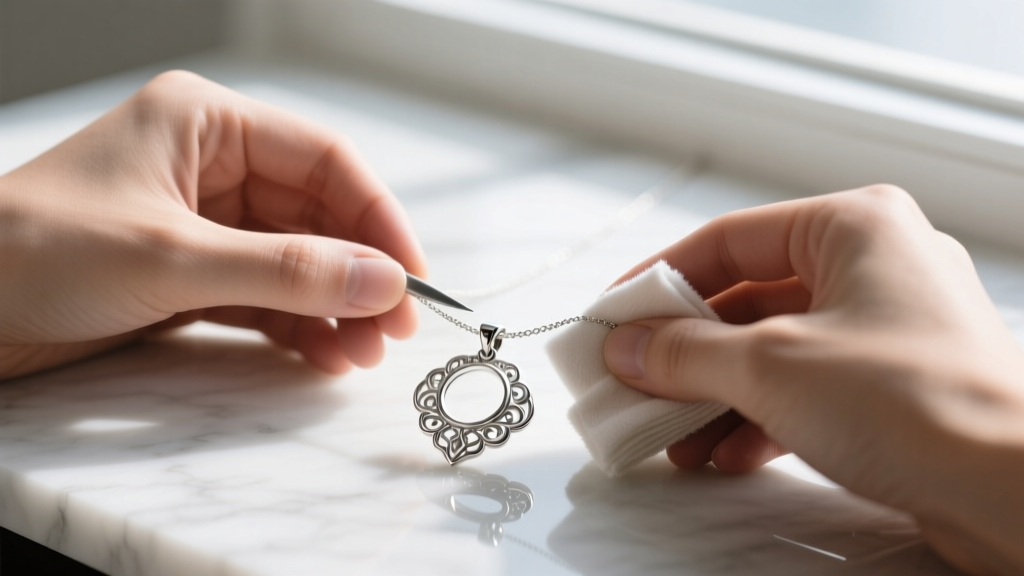
- The Right Cloth: Always use an untreated, lint-free microfiber cloth or specialized jeweler's flannel. Never use paper towels, tissues, or toilet paper. These wood-pulp products contain microscopic fibers that act like sandpaper, leaving thousands of micro-scratches on the silver's surface.
- The Technique: Gently rub the necklace back and forth (not in circles, which can emphasize existing scratches). Focus on the back of pendants and the clasp mechanisms, where skin oils and lotions accumulate most heavily.
- Post-Wear Wipe: Make it a habit to wipe your silver chains down immediately after taking them off, especially if you have been sweating or wearing heavy perfumes.
How Do You Clean a Silver Necklace? 3 Expert Methods
When routine wiping is no longer enough, you need a deeper cleaning intervention. The method you choose depends entirely on the severity of the tarnish and the presence of gemstones.
Method 1: The Phosphate-Free Dish Soap Soak (For Light Tarnish & Grime)
This is the safest method for necklaces featuring porous gemstones like pearls, opals, turquoise, or emeralds, as it avoids harsh chemicals and abrasive friction.
- Add 3-4 drops of phosphate-free, mild dish soap (like Dawn or Seventh Generation) to a bowl of lukewarm water. Avoid hot water, which can fracture heat-sensitive gems.
- Submerge the silver necklace and let it soak for 5 to 10 minutes to loosen body oils and lotion residue.
- Use an extra-soft baby toothbrush to gently agitate the chain links and the settings around the pendant.
- Rinse thoroughly under lukewarm running water and pat completely dry with a microfiber cloth before storing.
Method 2: The Aluminum Foil Electrochemical Bath (For Heavy, Black Tarnish)
If your silver necklace has turned completely black, scrubbing will only result in a dull, scratched finish. Instead, use a redox (reduction-oxidation) reaction to reverse the tarnish chemically. Experts at Tiffany & Co. and other master jewelers recognize the efficacy of ion transfer for solid silver chains.
The Recipe:
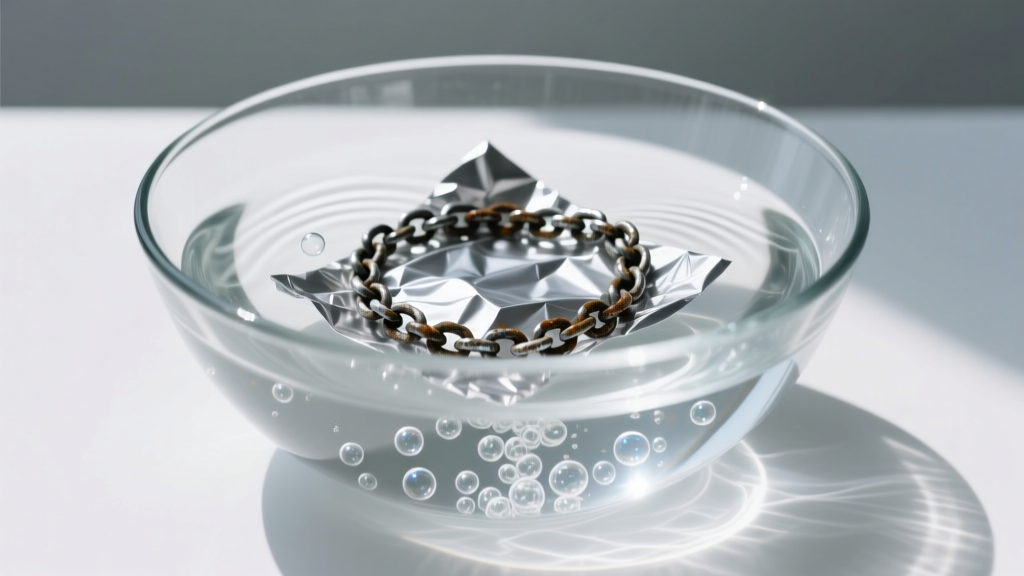
- Line a glass or ceramic bowl with aluminum foil, shiny side up.
- Place your tarnished silver necklace in the bowl, ensuring it physically touches the aluminum foil.
- Sprinkle 1 tablespoon of baking soda and 1 tablespoon of sea salt over the jewelry.
- Pour 1 cup of boiling water into the bowl. You will immediately see bubbling and smell a faint sulfur (rotten egg) odor. This means the sulfur is transferring from the silver to the aluminum, creating aluminum sulfide.
- Let it sit for 2 to 5 minutes. Use wooden tongs to remove the necklace, rinse with distilled water, and buff dry.
CRITICAL WARNING: Do NOT use this method on oxidized (intentionally blackened) silver, as it will strip the dark contrast from the crevices. Furthermore, never submerge necklaces with glued-in stones, pearls, or porous gems in boiling water.
Method 3: Commercial Silver Polish (For Antique or Intricate Pieces)
For heavily detailed vintage necklaces where a liquid bath cannot reach, a high-quality commercial silver polish is required. Brands like Hagerty Silversmiths' Polish or Connoisseurs Silver Cleaner utilize mild, jeweler-grade abrasives and anti-tarnish inhibitors. Apply a pea-sized amount to a damp sponge, work it into a lather, and gently massage it into the silver. Rinse thoroughly and buff to a high shine. This method is ideal for restoring mirror finishes on large, solid silver pendants.
What to Avoid: Common Cleaning Mistakes
When searching for how do you clean a silver necklace, you will encounter several destructive myths. Avoid these at all costs:
| Destructive Hack | Why It Damages Silver |
|---|---|
| Toothpaste | Toothpaste contains hydrated silica and calcium carbonate with a high Relative Dentin Abrasivity (RDA). It will permanently scratch 925 silver and leave a dull, matte finish. |
| Bleach / Chlorine | Chlorine reacts instantly with silver to form silver chloride, causing irreversible pitting, structural weakness, and a permanent grey-black stain. |
| Ultrasonic Cleaners | While safe for plain diamond solitaires, high-frequency vibrations can shatter included gems, fracture emeralds, and shake loose the adhesive used in pendant settings. |
Storage Solutions to Prevent Future Tarnish
Once your necklace is pristine, proper storage is the ultimate defense against hydrogen sulfide. Never store silver in cardboard boxes or oak drawers, as these materials emit sulfur gases. Instead, utilize the following professional storage techniques:
- Pacific Silvercloth: This specialized cotton fabric is embedded with microscopic silver particles that intercept and absorb sulfur gases before they reach your jewelry. Wrapping your necklaces in this cloth can keep them tarnish-free for years.
- 3M Anti-Tarnish Strips: These inexpensive, treated paper strips absorb airborne sulfides in a 1-inch radius. Drop one into your jewelry box or ziplock bag and replace it every 6 months.
- Silica Gel Packets: Moisture accelerates the chemical reaction of tarnish. Tossing a few silica gel packets into your jewelry drawer will drastically slow down the oxidation process.
Comparison Chart: Cleaning Methods vs. Silver Types
Not all silver jewelry is created equal. Use this quick-reference guide to ensure you select the correct cleaning protocol for your specific piece.
| Silver Type | Recommended Method | What to Avoid |
|---|---|---|
| 925 Sterling Silver (Plain) | Aluminum Foil Bath or Commercial Polish | Toothpaste, Bleach |
| Oxidized / Antiqued Silver | Mild Dish Soap Soak & Soft Brush | Aluminum Foil Bath, Silver Dip Liquids |
| Argentium Silver | Microfiber Wipe & Mild Soap | Harsh Polishes (Argentium is naturally tarnish-resistant) |
| Silver with Porous Gems | Mild Soap Soak (No submersion of stones) | Boiling Water, Ultrasonic, Chemical Dips |
Final Thoughts on Silver Care
Knowing how do you clean a silver necklace properly ensures that your heirloom and everyday pieces remain structurally sound and visually stunning for generations. By understanding the underlying chemistry of tarnish and relying on gentle, scientifically backed methods like the electrochemical foil bath or specialized commercial polishes, you can safely restore your jewelry's original brilliance. Treat your silver with respect, store it with intention, and it will reward you with a lifetime of unparalleled luster.


