Frida Kahlo Self Portrait with Hummingbird and Thorn Necklace Care
Learn expert cleaning and storage tips for your Frida Kahlo self portrait with hummingbird and thorn necklace replica to preserve details.

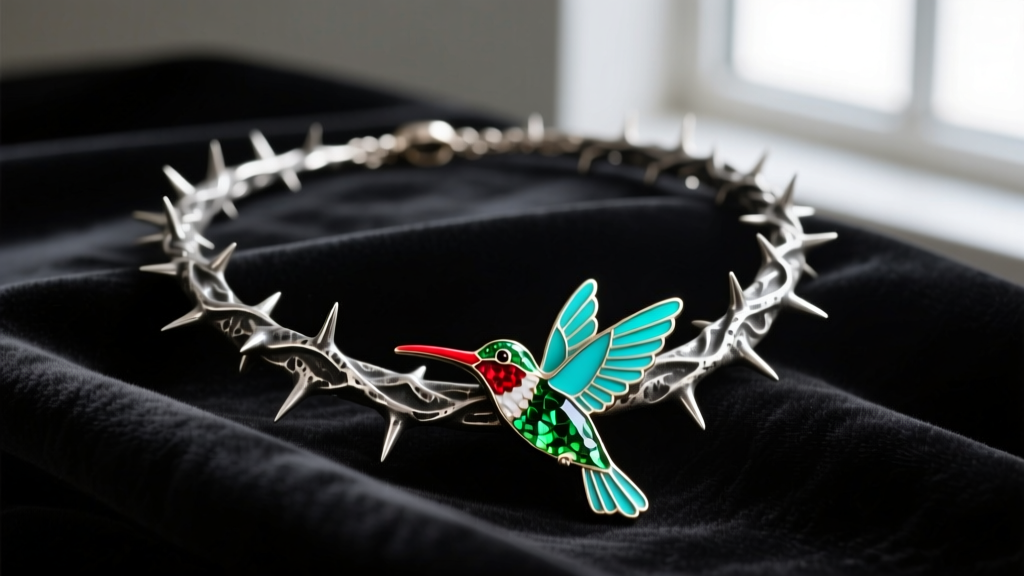
While Frida Kahlo’s 1940 masterpiece is globally revered as a painting, the iconic jewelry depicted within it has inspired countless high-end artisanal replicas, museum-grade homages, and bespoke commission pieces. Caring for a physical Frida Kahlo self portrait with hummingbird and thorn necklace replica presents a unique horological and gemological challenge. These pieces juxtapose aggressive, sharp metallic elements (the thorn chain) with extraordinarily fragile, intricate components (the hummingbird pendant).
Standard jewelry cleaning methods will destroy these complex artisanal pieces. Ultrasonic cleaners will shatter glass-based enamels, and harsh chemical dips will strip the intentional oxidation that gives the thorns their dramatic, skeletal relief. This comprehensive guide details the exact protocols required to clean, maintain, and store these multi-material masterpieces without compromising their structural or historical integrity.
The Anatomy of an Artisanal Thorn and Hummingbird Necklace
To properly maintain this specific style of necklace, you must first understand the materials typically utilized by master jewelers to recreate the painting's iconic aesthetic. The chain is almost universally crafted from 925 sterling silver. However, unlike standard polished silver chains, thorn necklaces rely on intentional oxidation (also known as antiquing or blackening). Jewelers use liver of sulfur to create a layer of silver sulfide in the recesses of the thorns, providing deep contrast and emphasizing the sharp, organic relief of the metalwork.
The hummingbird pendant, suspended from the center of the thorn chain, is typically a marvel of micro-craftsmanship. High-end replicas utilize cloisonné or plique-à-jour enameling to achieve the vibrant, translucent greens and blues of the bird's plumage. Enamel is essentially fused glass, meaning it possesses a Mohs hardness of around 5.5 to 6.5 but is highly susceptible to thermal shock and concussive fracturing. Furthermore, the bird’s eyes or beak are often accentuated with micro-pavé turquoise, black onyx, or sapphire, secured with delicate prongs or specialized jeweler's epoxy.
Step-by-Step Cleaning Protocols for Thorn Chains
The primary enemy of the silver thorn chain is accidental tarnish on the raised surfaces, while preserving the dark oxidation in the recesses. Never use liquid silver dips (such as Tarn-X), as these contain thiourea and hydrochloric acid, which will instantly strip the intentional antiquing and leave the thorns looking flat and artificially white.
Removing Surface Tarnish from Oxidized Silver
- Preparation: Lay the necklace flat on a microfiber towel. Ensure the hummingbird pendant is tucked safely to the side, completely out of the cleaning zone.
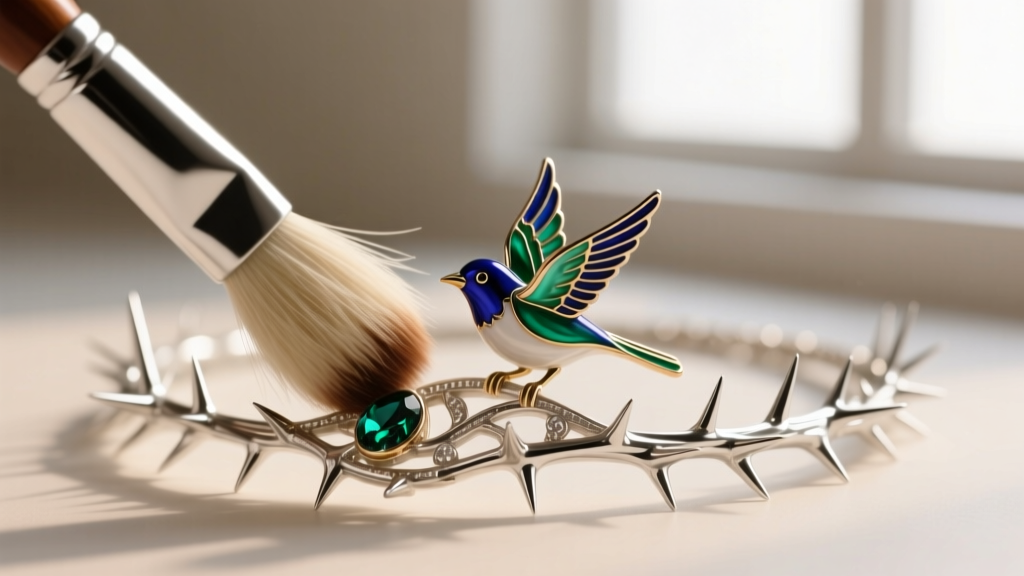
- The Tool: Use a specially treated silver polishing cloth (such as a Sunshine Cloth) or a soft, untreated horsehair detailing brush.
- The Technique: Gently rub the polishing cloth only along the raised, high-polish ridges of the thorns. Do not press hard enough to force the cloth into the deep crevices, as this will remove the dark liver-of-sulfur patina.
- Detailing: For intricate intersections where thorns overlap, use the dry horsehair brush to sweep away microscopic dust and skin oils that accumulate and accelerate localized corrosion.
Cleaning the Delicate Hummingbird Pendant
The hummingbird requires an entirely different approach. According to the Gemological Institute of America (GIA), porous gemstones like turquoise and fragile materials like enamel must never be exposed to harsh chemicals, steam, or ultrasonic vibrations.
- The Solution: Mix lukewarm distilled water with a single drop of phosphate-free, ultra-mild dish soap (such as Dawn). Tap water contains chlorine and trace minerals that can leave microscopic water spots on the enamel or degrade turquoise over time.
- Application: Dip a soft, lint-free cotton swab into the solution and gently dab the enamel surfaces of the hummingbird. Do not submerge the pendant, as water can seep beneath the gemstone settings and weaken the adhesive or cause internal rusting of the base metal armature.
- Rinsing and Drying: Wipe the pendant with a cotton swab dampened only with pure distilled water. Immediately pat dry with a microfiber cloth, and use a cool-air hair dryer from a distance of 12 inches to ensure no moisture remains trapped in the micro-prongs.
Material-Specific Maintenance Chart
Understanding what to avoid is just as critical as knowing what to use. The following table outlines the chemical compatibilities for the diverse materials found in a Frida Kahlo thorn necklace replica.
| Component | Primary Material | Safe Cleaning Agents | Agents to Strictly Avoid |
|---|---|---|---|
| Thorn Chain (Raised) | 925 Sterling Silver | Treated silver cloth, mild soap | Liquid dips, baking soda paste, toothpaste |
| Thorn Chain (Recessed) | Oxidized Silver (Silver Sulfide) | Dry horsehair brush only | Any liquid polish, abrasives, ultrasonic |
| Hummingbird Body | Cloisonné / Plique-à-jour Enamel | Distilled water, microfiber | Ammonia, alcohol, ultrasonic, steam |
| Bird Accents (Eyes/Beak) | Turquoise or Black Onyx | Dry microfiber, soft brush | Ultrasonic, acids, perfumes, lotions |
Proper Storage to Prevent Snagging and Enamel Chipping
The physical geometry of a thorn necklace makes it a hazard to itself and other jewelry in your collection. The sharp, protruding metallic thorns will easily scratch the enamel of the hummingbird pendant if the piece is tossed into a standard jewelry box or hung on a conventional hook where it can swing and collide with surrounding items.
The Flat-Lay Method
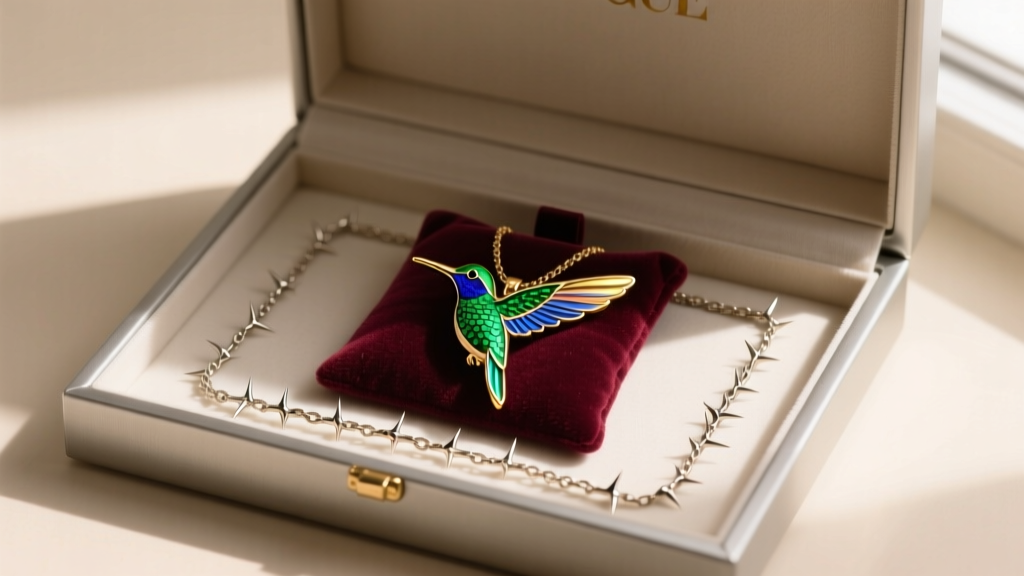
The safest way to store this specific necklace is completely flat. Utilize a multi-compartment, anti-tarnish jewelry box lined with Pacific Silvercloth or untreated flannel. Lay the thorn chain out in a wide, gentle circle or an 'S' shape to prevent the links from kinking.
Isolating the Pendant
Before closing the box, the hummingbird pendant must be isolated. Wrap the pendant in a soft, acid-free tissue paper or place it inside a small, unbleached cotton pouch. This ensures that if the box is moved or jostled, the heavy silver thorns cannot swing over and chip the fragile glass enamel of the bird. Furthermore, include a 3M anti-tarnish strip in the storage compartment. As noted by the Smithsonian Museum Conservation Institute, controlling the atmospheric hydrogen sulfide levels within a micro-environment is the most effective way to halt silver corrosion without requiring frequent, abrasive polishing.
When to Seek Professional Conservation
While routine maintenance can be performed at home, certain types of damage require the intervention of a master jeweler or a specialized horological conservator. You must seek professional help if you observe any of the following failure modes:
- Enamel Crazing or Fracturing: If the hummingbird's enamel develops hairline cracks (crazing) or loses a chip, do not attempt to fill it with household glues. Cyanoacrylate (Super Glue) will yellow over time and permanently ruin the optical clarity of the piece. A jeweler must use specialized cold enamel resins.
- Loss of Intentional Oxidation: If the deep black recesses of the thorn chain have been accidentally polished away, leaving the piece looking flat and overly bright, a professional must re-apply liver of sulfur and carefully hand-buff the high points to restore the original 3D topography.
- Loose Micro-Settings: If you hear a faint rattling sound when gently moving the pendant, a gemstone (such as the turquoise eye) is loose in its bezel or prong setting. Stop wearing the piece immediately to prevent the stone from falling out and being lost.
Conclusion
Owning a physical tribute to the Frida Kahlo self portrait with hummingbird and thorn necklace is an exercise in preserving wearable art. By respecting the distinct chemical and physical properties of oxidized silver, fused glass enamel, and porous gemstones, you ensure that the dramatic contrast and intricate beauty of the piece remain intact for generations. Ditch the ultrasonic machines and harsh chemical dips; embrace the meticulous, hands-on conservation techniques that true artisanal jewelry demands.


