Silver Tassel Necklace Materials: A Durability Guide
Discover how to choose the perfect silver tassel necklace by comparing chain grades, fringe materials, durability, and tarnish resistance.

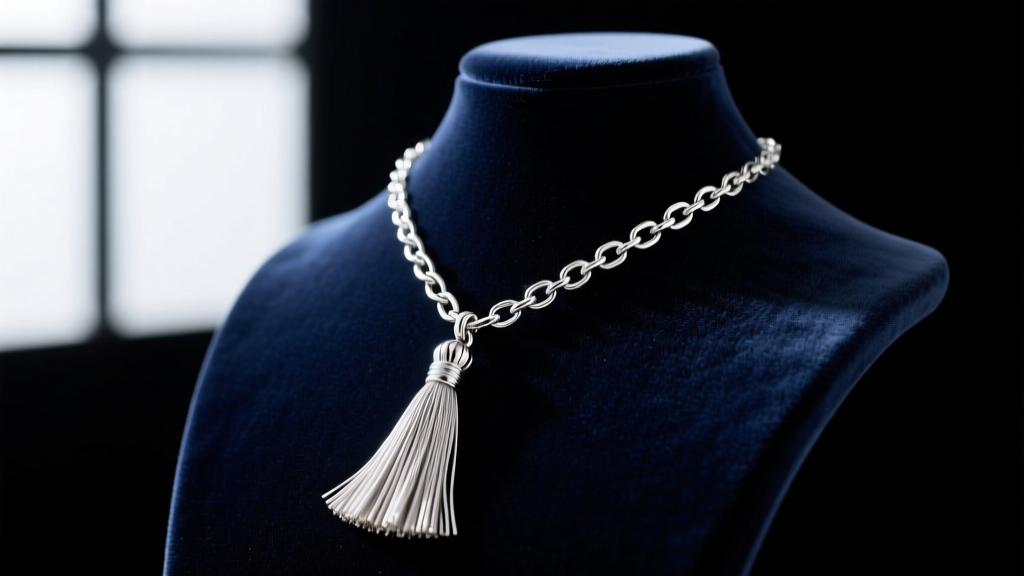
The Anatomy of a Silver Tassel Necklace
A silver tassel necklace is a masterclass in kinetic jewelry design, combining the structured elegance of metalwork with the fluid, dynamic movement of a fringe pendant. However, the longevity and aesthetic appeal of these pieces depend entirely on the material synergy between the chain, the hardware, and the tassel fringe itself. In 2026, the market has shifted heavily toward 'quiet luxury' and sustainable wearability, meaning consumers are demanding pieces that resist tarnish, withstand daily friction, and maintain their structural integrity over time. To make an informed purchase, you must evaluate the necklace not just as a single accessory, but as a composite of three distinct material systems: the suspension chain, the connecting hardware, and the tassel medium.
Chain Materials: 925 Sterling vs. Argentium Silver
The foundation of any silver tassel necklace is the chain. Because tassels introduce a concentrated pendulum weight, the chain must possess high tensile strength to resist stretching and snapping. According to metallurgical standards outlined by the Gemological Institute of America (GIA), pure 999 fine silver is far too soft for chain fabrication, making silver alloys the mandatory choice.
Standard 925 Sterling Silver
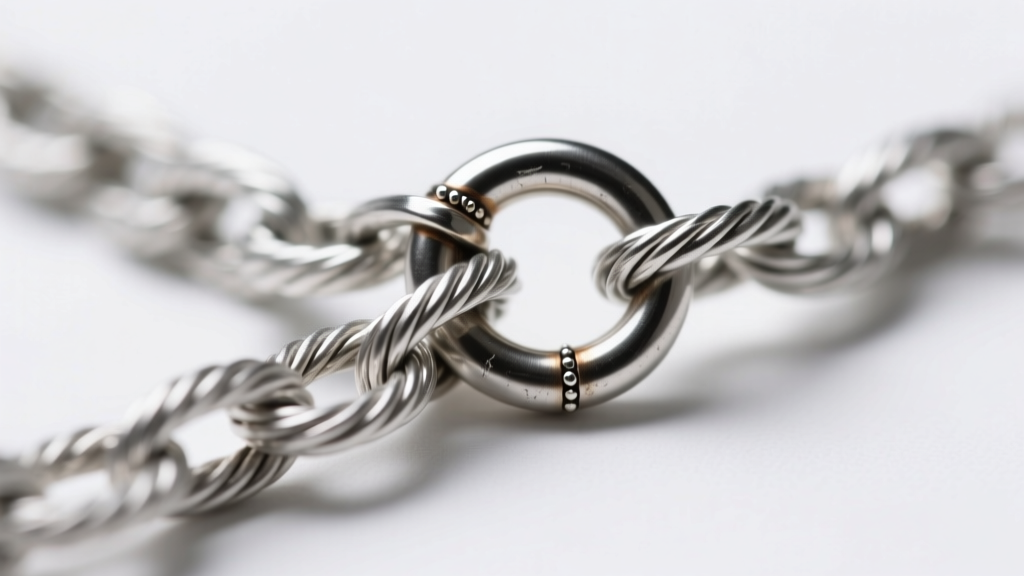
Composed of 92.5% silver and 7.5% copper, standard sterling silver offers the ideal balance of malleability and strength. The copper content provides the necessary work-hardening properties to support a tassel pendant. However, copper is highly reactive to sulfur and moisture, meaning 925 chains will inevitably tarnish. For tassel necklaces, a 1.2mm to 1.5mm rope chain is optimal; the twisted links distribute the weight of the tassel evenly and hide micro-scratches better than box or snake chains.
Argentium Silver (The Premium Alternative)
Argentium silver replaces a portion of the copper alloy with germanium. This creates a transparent, self-healing oxide layer that drastically slows tarnish. For a silver tassel necklace featuring delicate micro-chain fringe, Argentium is vastly superior because polishing intricate chainmail tassels is nearly impossible without specialized ultrasonic equipment. While Argentium commands a 20-30% price premium over standard 925, the reduction in maintenance makes it the superior choice for high-end, everyday wear.
Tassel Fringe Materials: A Comparative Analysis
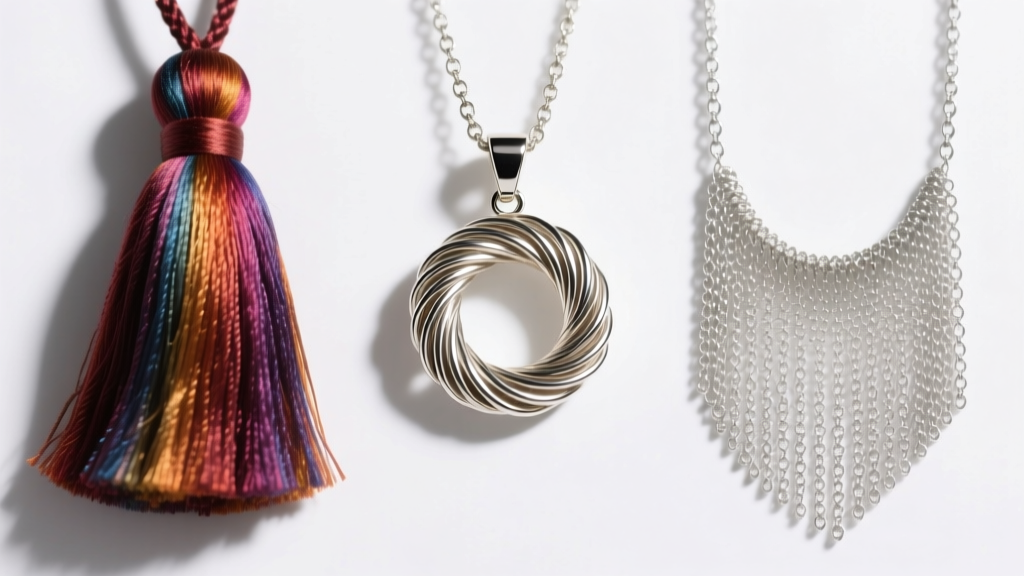
The 'tassel' component dictates the necklace's drape, weight, and failure modes. Below is a comparative breakdown of the four most common fringe materials used in contemporary silver tassel necklaces.
| Fringe Material | Weight & Drape | Durability & Failure Modes | Maintenance Requirements | Price Impact |
|---|---|---|---|---|
| Silk/Cotton Thread | Lightweight, highly fluid, sways with minimal movement. | Low. Prone to fraying, water damage, and snagging. | High. Dry clean only; avoid perfumes and moisture. | Low ($30 - $60) |
| Metallic Bullion Wire | Medium weight, stiff but springy, creates a structured silhouette. | Medium. Hollow wire can crush or kink if compressed. | Medium. Requires gentle dusting; tarnishes if uncoated. | Medium ($70 - $120) |
| Micro Silver Chain | Heavy, luxurious drape, creates a 'chainmail' liquid effect. | High. Resists tearing, but individual micro-links can stretch. | High. Requires silver dip or ultrasonic cleaning. | High ($150 - $300+) |
| Suede/Leather | Medium weight, matte finish, bohemian or edgy aesthetic. | Medium. Degrades with exposure to sweat, oils, and UV light. | Low. Wipe with damp cloth; condition annually. | Low-Medium ($45 - $85) |
Silk and Cotton Thread Tassels
Silk offers the most traditional, elegant drape. However, the primary failure mode for silk tassel necklaces is fraying at the connection point. If the silk is simply looped through a silver jump ring and secured with a crimp tube, the sharp edge of the metal will eventually saw through the organic fibers. Expert jewelers mitigate this by using French wire (gimp)—a microscopic coiled metal spring that acts as a protective sleeve for the silk where it meets the silver hardware.
Metallic Bullion (Gimp) Tassels
Bullion tassels are constructed from tightly coiled, hollow metallic threads. They offer the visual impact of metal without the heavy weight of solid silver chains. The critical vulnerability of bullion is its hollow core; if stored improperly or crushed in a jewelry box, the coils will permanently deform. When purchasing, ensure the bullion is wrapped around a flexible rubber or silicone core rather than a rigid wire, which allows the tassel to bend and recover its shape.
Micro Silver Chain Tassels
The pinnacle of the category, micro-chain tassels consist of dozens of ultra-fine 925 or Argentium silver chains (often 0.8mm to 1.0mm thick) bundled together. Because silver is heavy, a micro-chain tassel can weigh upwards of 15-20 grams. This requires the suspension chain to be at least 1.5mm in gauge to prevent the necklace from snapping at the clasp under the pendulum stress of daily walking.
Hardware and Clasp Considerations
The hardware is the most frequently overlooked aspect of a silver tassel necklace, yet it is the most common point of catastrophic failure. The connection between the chain and the tassel cap relies on jump rings.
- Jump Ring Gauge: Never accept a tassel necklace where the primary load-bearing jump ring is thinner than 18-gauge (1.02mm). For heavy silver chain tassels, a 16-gauge (1.29mm) ring is mandatory.
- Soldered vs. Unsoldered: According to manufacturing best practices documented by Halstead Bead Inc., unsoldered jump rings will eventually pull apart under the lateral stress of a swinging tassel. Always inspect the connection point; high-quality pieces will feature soldered (closed) jump rings or specialized Vixen rings that interlock without a gap.
- The Tassel Cap: The conical metal cap that binds the fringe must be mechanically crimped or soldered at the top loop. Glued caps will inevitably fail when exposed to body heat and ambient humidity.
Maintenance and Troubleshooting Failure Modes
Maintaining a silver tassel necklace requires a bifurcated approach, as the cleaning agents used for silver can destroy organic tassel materials.
Tarnish Removal Without Damaging Fringe
If your necklace features a silk or leather tassel, you cannot submerge it in commercial silver dips. Instead, use the electrochemical aluminum foil method. Line a glass bowl with aluminum foil, add one tablespoon of baking soda, and pour in boiling water. Suspend only the silver chain and hardware into the solution using a wooden clothespin, keeping the tassel fringe completely dry and elevated. The sulfur will transfer from the silver to the aluminum in roughly three minutes without harming the organic fibers.
Fixing a Stretched Chain
If a micro-chain tassel has caused your suspension chain to stretch (a condition known as 'chain growth'), the structural integrity of the links is compromised. Do not attempt to compress the links back together with pliers, as this will weaken the metal's crystalline structure. The chain must be replaced with a thicker gauge.
Pricing Tiers and What to Expect in 2026
Understanding the material composition helps contextualize pricing and prevents overpaying for poorly constructed pieces.
- $30 - $60 (Entry Level): Expect thin (0.8mm) hollow-cable chains, glued tassel caps, and synthetic or basic silk fringe. High risk of chain snapping and cap detachment.
- $80 - $150 (Mid-Tier Artisan): Solid 1.2mm rope chains, mechanically crimped caps, high-quality metallic bullion or premium silk with French wire protection. Excellent for seasonal and regular wear.
- $180 - $350+ (Fine Jewelry): Argentium or heavily rhodium-plated 925 silver, 1.5mm+ chains, soldered hardware, and intricate micro-chain or gemstone-beaded silver tassels. Designed for heirloom longevity.
Expert Sizing Tip: Tassel necklaces add significant visual and physical length to a garment. A standard 18-inch chain with a 3-inch tassel will effectively sit at 21 inches, landing in the plunging neckline zone. For high-neck blouses or office wear, opt for a 16-inch chainer chain with a micro 1.5-inch tassel to keep the silhouette elevated and professional.
Ultimately, selecting the right silver tassel necklace is an exercise in balancing kinetic aesthetics with material science. By prioritizing appropriate chain gauges, protective hardware, and fringe materials that match your lifestyle, you can secure a piece that moves beautifully and endures for decades.


