How to Clean and Care for a Gold Palestine Necklace
Learn expert cleaning, maintenance, and storage tips for your gold Palestine necklace. Protect enamel, chains, and solid gold from tarnish and damage.

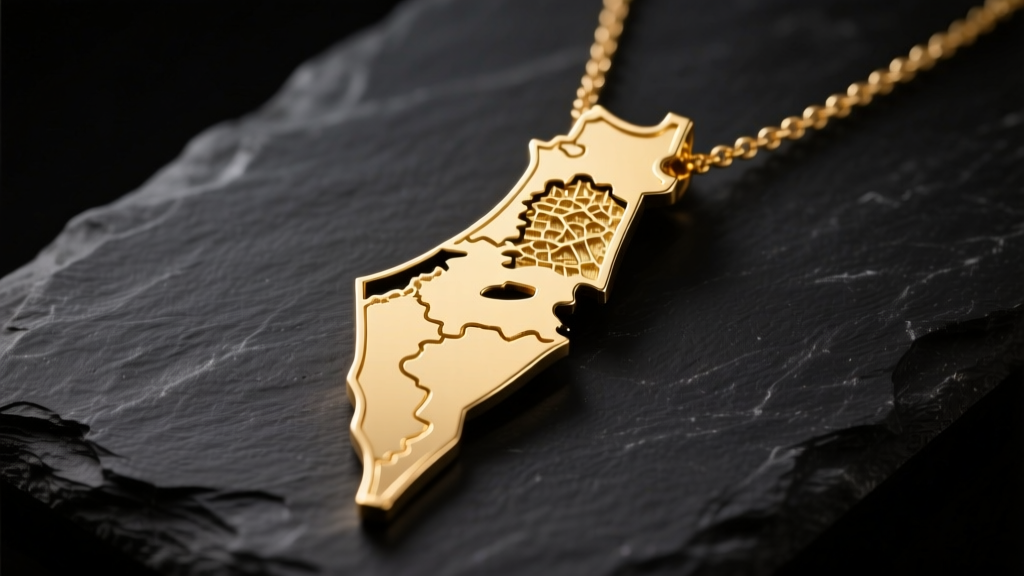
A gold Palestine necklace is far more than a simple accessory; it is a profound symbol of heritage, identity, and cultural resilience. Whether your piece features a minimalist map outline, intricate filigree work, or vibrant enamel detailing representing the Palestinian flag, preserving its luster and structural integrity requires specialized knowledge. As jewelry manufacturing techniques evolve in 2026, so do the best practices for maintaining precious metals and delicate accents. This comprehensive care guide will walk you through the exact protocols needed to clean, maintain, and store your gold Palestine necklace to ensure it remains a pristine heirloom for generations.
Understanding Your Necklace's Composition and Purity
Before applying any cleaning solution, you must identify the specific material composition of your necklace. Gold purity drastically alters how the metal reacts to chemicals, water, and physical agitation.
- 21k Gold (87.5% Pure): Highly traditional in Middle Eastern jewelry, 21k gold offers a rich, buttery yellow hue. However, its high purity makes it exceptionally soft. It is prone to micro-scratches and bending, meaning physical scrubbing must be avoided at all costs.
- 18k Gold (75% Pure): The luxury standard for fine jewelry. It balances a warm color with enough alloyed metals (like copper and zinc) to withstand gentle cleaning routines.
- 14k Gold (58.5% Pure): The most durable option for daily wear. It resists scratching and tarnishing better than higher karats, making it ideal for active lifestyles.
- Gold Vermeil or Plated: If your necklace is gold vermeil (a sterling silver base coated with at least 2.5 microns of gold), it requires a completely different, much gentler approach to prevent wearing through the gold layer to the silver beneath.
According to the Gemological Institute of America (GIA), gold is a noble metal, but the alloyed metals mixed with it—such as copper and silver—are highly reactive to chlorine and sulfur. Always remove your necklace before swimming in chlorinated pools or using harsh household cleaners.
The Step-by-Step Cleaning Protocol for Solid Gold
If your pendant and chain are crafted from solid 14k or 18k gold (and do not feature porous gemstones or enamel), follow this master jeweler-approved cleaning method.
Step 1: Prepare a Safe Cleaning Solution
Never use tap water, as the minerals and chlorine can leave hard water spots or cause microscopic oxidation. Instead, fill a small glass bowl with warm distilled water. Add three to four drops of a mild, phosphate-free dish soap (such as Dawn or a specialized jewelry surfactant). Avoid any soaps containing moisturizers or harsh degreasers, which can leave a cloudy film on the gold.
Step 2: The Controlled Soak
Submerge your gold Palestine necklace in the solution for exactly 5 to 10 minutes. This brief soak is sufficient to loosen sebum (skin oils), dead skin cells, and environmental dust trapped in the chain links and the intricate cutouts of the map pendant. Do not exceed 15 minutes, as prolonged water exposure can weaken the tension in spring-ring clasps over time.
Step 3: Precision Agitation
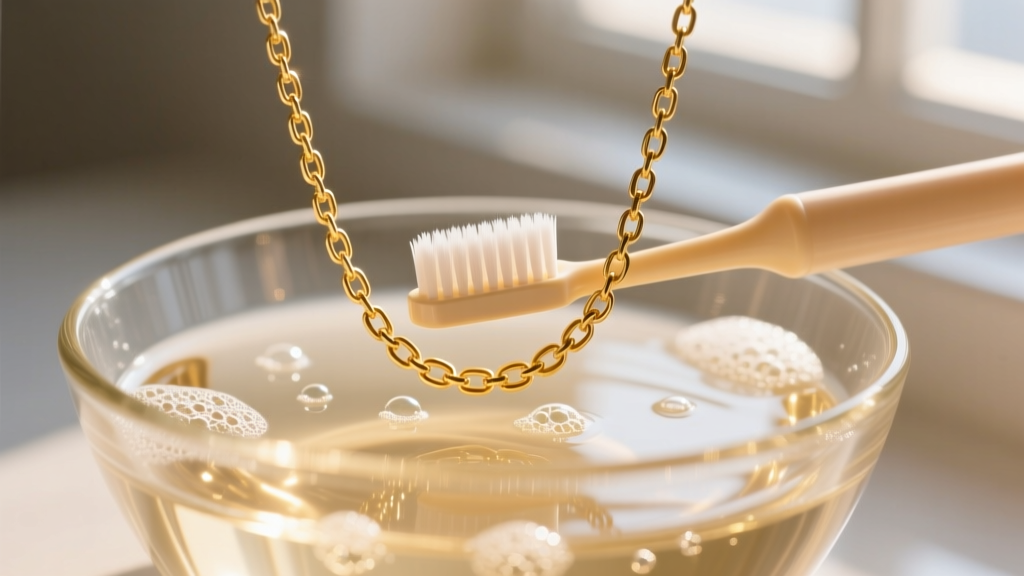
Remove the necklace and use a brand-new, ultra-soft baby toothbrush. Gently brush the crevices of the pendant, particularly the inner borders of the map outline where dirt accumulates. For the chain, lay it flat on a clean microfiber towel and brush in the direction of the links. Never pull or stretch the chain while brushing.
Step 4: Rinsing and Drying
Rinse the necklace thoroughly under a gentle stream of lukewarm distilled water. Pat it dry with a lint-free microfiber cloth. Avoid paper towels or tissue paper, as their wood-pulp fibers can cause micro-scratches on high-polish gold surfaces.
Material-Specific Cleaning Guidelines
Not every necklace can withstand the soaking method. Use the table below to determine the safest cleaning approach based on your specific necklace materials.
| Material / Accent | Safe Cleaning Agents | Recommended Tools | Strictly Avoid |
|---|---|---|---|
| Solid 14k / 18k Gold | Distilled water, mild dish soap | Baby toothbrush, microfiber | Bleach, ammonia, toothpaste |
| 21k / 22k High Karat | Damp microfiber cloth only | 100% cotton swabs | Any scrubbing brushes, soaking |
| Gold Vermeil / Plated | Jewelry polishing cloth | Treated silver/gold cloth | Liquid soaps, ultrasonic cleaners |
| Cold Enamel Accents | Dry or barely damp cloth | Q-tips, soft cotton pads | Alcohol, ultrasonic, steam, heat |
Special Care for Enamel and Flag Accents
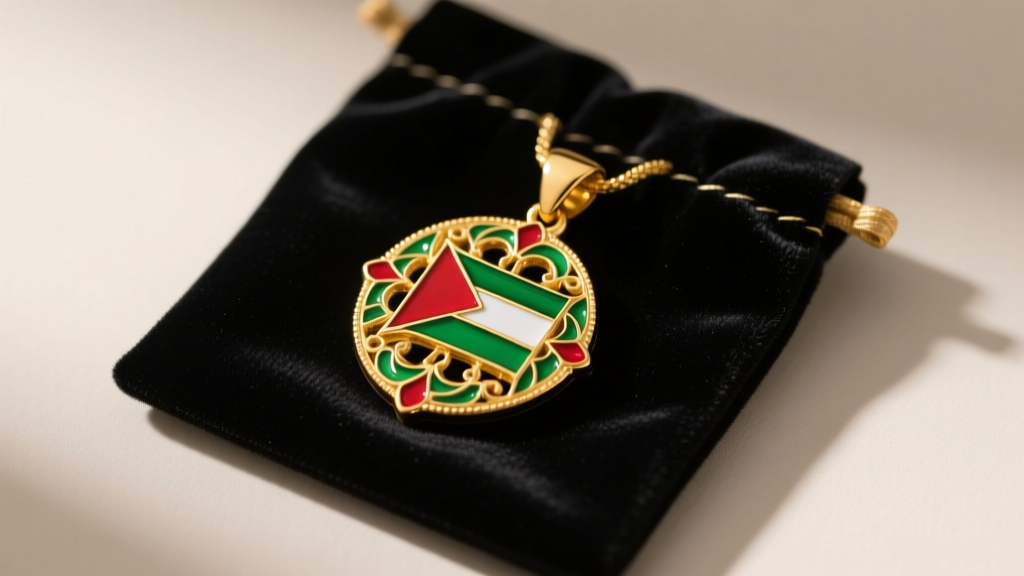
Many gold Palestine necklaces incorporate the colors of the Palestinian flag—red, green, black, and white—using enamel techniques. It is vital to understand that most modern jewelry uses cold enamel (an epoxy-based resin) rather than traditional vitreous (glass) enamel. Cold enamel is highly sensitive to chemicals and temperature fluctuations.
The Ultrasonic Danger: Never place an enameled necklace in an ultrasonic jewelry cleaner. The high-frequency sound waves create microscopic cavitation bubbles that will shatter, lift, or cloud the epoxy resin, permanently ruining the flag detailing. Furthermore, avoid any cleaning solutions containing isopropyl alcohol or acetone, as these solvents will dissolve the resin binders in cold enamel. To clean enameled sections, use a dry cotton swab to gently lift dust from the grooves.
Chain Maintenance and Clasp Troubleshooting
The chain supporting your pendant endures the most mechanical stress. Box chains and rope chains, popular for their durability, feature tight links that easily trap lotions, perfumes, and sweat. This buildup not only dulls the gold but creates an acidic environment that can degrade the metal over time.
Clasp Care: If your necklace uses a lobster clasp, the internal spring mechanism can become stiff due to soap scum or debris. To fix a sticky lobster clasp, apply a microscopic drop of sewing machine oil or specialized jewelry lubricant to the hinge using a toothpick. Pump the lever open and closed several times to distribute the oil, then wipe away any excess with a cotton swab. Never use WD-40, as it contains harsh solvents that will strip the gold's polish and attract more dirt.
Proper Storage to Prevent Oxidation and Scratching
How you store your gold Palestine necklace is just as critical as how you clean it. Gold is a relatively soft metal, and the intricate edges of a map pendant can easily scratch other jewelry—or be scratched by harder gemstones like diamonds or sapphires.
- Individual Pouches: Always store the necklace in its own soft velvet or anti-tarnish flannel pouch. This prevents the chain from tangling and the pendant from suffering surface abrasions.
- Climate Control: Humidity accelerates the tarnishing of the alloyed metals (copper and silver) present in 14k and 18k gold. Store your jewelry box in a cool, dry room, avoiding bathrooms where steam from showers drastically increases ambient moisture.
- Anti-Tarnish Strips: For long-term storage, place a 3M anti-tarnish strip inside the jewelry box or pouch. These strips absorb airborne sulfur compounds that cause gold alloys to darken. Replace the strips every six months for optimal protection.
When to Seek Professional Jeweler Services
While routine maintenance can be handled at home, certain situations require the expertise of a master jeweler. If the bail (the loop connecting the pendant to the chain) becomes thinned from friction, or if the prongs holding any diamond accents become loose, stop wearing the necklace immediately. A professional can use laser welding to reinforce the bail without applying the high heat of traditional torch soldering, which could melt or discolor nearby enamel accents. According to Jewelers of America, having your fine jewelry professionally inspected and steam-cleaned once a year is the best way to ensure structural longevity and maintain its brilliant finish.
By understanding the unique material properties of your gold Palestine necklace and adhering to these meticulous care protocols, you ensure that this meaningful symbol remains vibrant, polished, and structurally sound for decades to come.


